 EN
EN


The global fitness market continues to expand at a rapid pace, and the yoga mat has become one of the most visible and commercially versatile products within that space. For businesses looking to establish a recognizable fitness brand, the yoga mat offers an exceptional canvas for custom branding. Whether you are a studio owner, a wellness retailer, or a corporate wellness program coordinator, a branded yoga mat communicates professionalism and builds long-term customer loyalty.
A yoga mat is no longer just a functional accessory. It has evolved into a powerful branding tool that businesses across multiple industries are leveraging to grow their identity. From custom logo printing to material selection and color customization, a yoga mat can be tailored precisely to match a brand's visual identity and quality standards. Understanding how yoga mat customization works — and what it offers — is essential for any B2B buyer exploring private label opportunities in the fitness category.
Customization Capabilities of a Yoga Mat
Logo Printing and Color Options
One of the most impactful ways to brand a yoga mat is through logo printing. Most professional yoga mat manufacturers offer surface printing with high-resolution logo placement, allowing businesses to embed their brand mark clearly and durably onto the mat surface. The printing process typically uses eco-friendly inks that resist fading even under frequent use and repeated washing, which is critical for maintaining brand presentation over time.
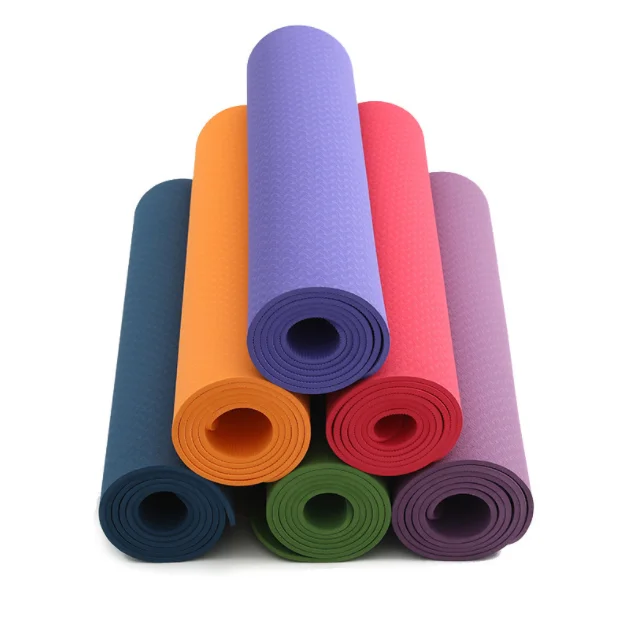
Color customization is equally important. A yoga mat can be produced in virtually any base color, with custom gradient patterns or branded color combinations available for higher-volume orders. This flexibility allows a business to create a yoga mat that feels entirely proprietary, strengthening brand recognition every time a customer unrolls it during a session. The visual consistency between a yoga mat and other branded fitness products can significantly elevate a brand's perceived quality.
Material and Thickness Personalization
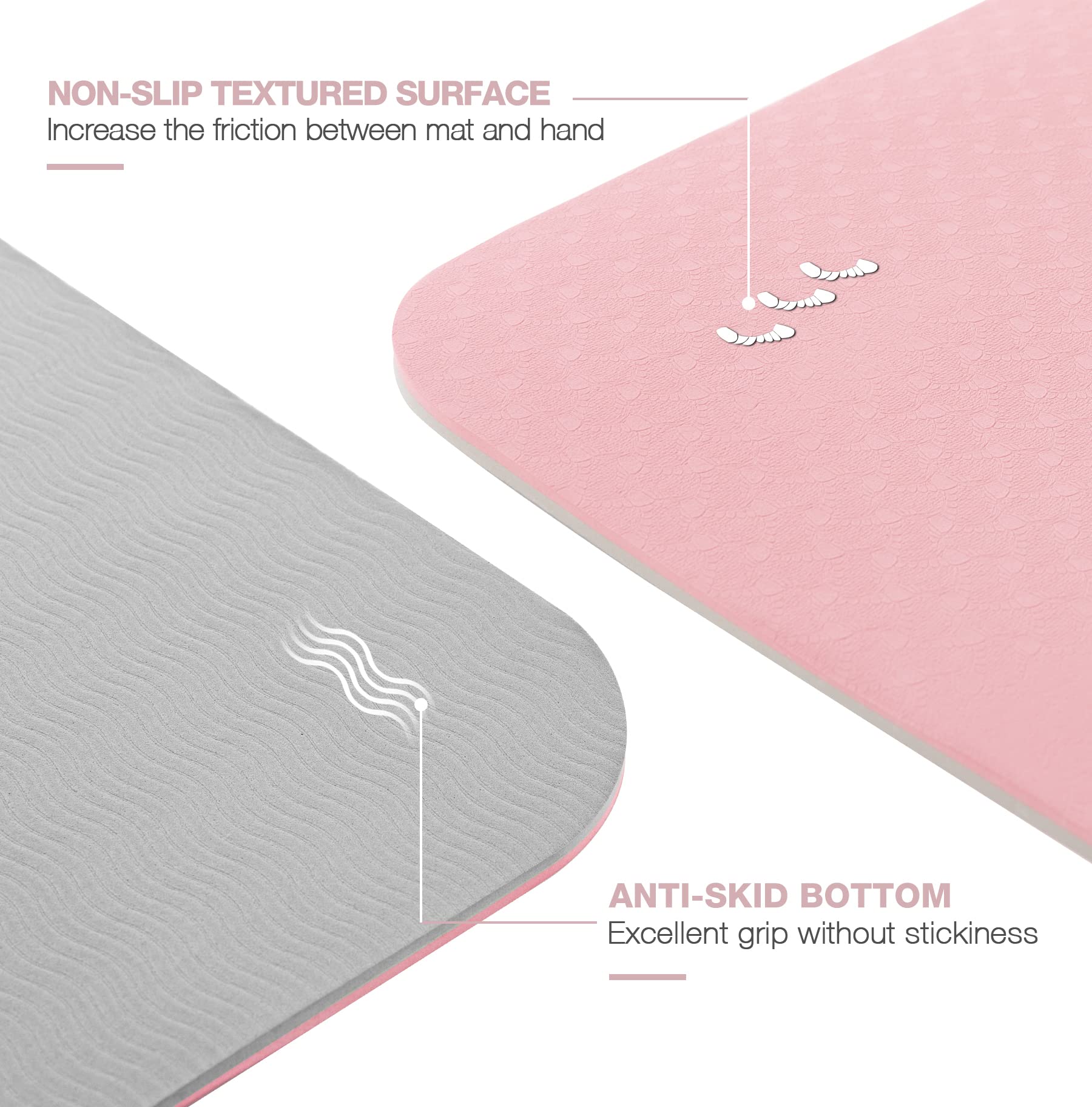
Beyond aesthetics, a yoga mat can also be customized in terms of material composition and thickness. Common materials include TPE, natural rubber, PVC, and NBR foam, each offering distinct performance characteristics. A premium yoga mat made from TPE, for example, is lightweight, biodegradable, and provides excellent cushioning, making it an attractive choice for eco-conscious brands. Specifying the material of a yoga mat allows a business to align the product with its brand values — whether that means sustainability, performance, or affordability.
Thickness is another dimension where a yoga mat can be tailored. Thicker mats offer more joint support, which appeals to restorative yoga practitioners and corporate wellness clients. Thinner yoga mat options suit dynamic styles like vinyasa or ashtanga. By selecting the right thickness profile, a brand ensures that the yoga mat resonates with its specific target audience, improving both customer satisfaction and repeat purchase rates.
Business Models That Benefit from Branded Yoga Mat Products
Private Label and Retail Branding
Private label is one of the most common business models where a custom yoga mat creates significant commercial value. Retailers and e-commerce sellers can source a yoga mat in bulk with their own branding applied at the manufacturing stage, eliminating the need for post-production labeling or repackaging. This approach reduces per-unit costs and creates a seamless branded experience from the moment the customer opens the packaging.
Fitness studios and gyms also benefit from ordering a yoga mat with custom branding. A studio-branded yoga mat reinforces the venue's identity during every class and becomes a portable advertisement when clients carry it to and from sessions. A well-designed yoga mat bearing a studio's name and logo can generate word-of-mouth marketing simply by being visible in public spaces.
Corporate Gifting and Wellness Programs
Corporate wellness is a growing sector where the yoga mat plays an increasingly prominent role. Companies investing in employee health programs often procure a custom yoga mat as part of wellness kits or event giveaways. A branded yoga mat in this context serves dual purposes: it promotes physical wellbeing among employees while simultaneously reinforcing the company's commitment to workplace health culture. The yoga mat becomes a tangible, daily-use reminder of the brand's values.
Event organizers and sponsorship campaigns also find significant value in a branded yoga mat. When a yoga mat carries a sponsor's logo at a wellness retreat, a sports event, or a fitness expo, it creates high-visibility impressions that extend well beyond the event itself. The yoga mat continues to carry brand messaging every time it is used after the event, delivering sustained marketing value over an extended period.
Key Considerations When Ordering a Custom Yoga Mat
Minimum Order Quantities and Lead Times
When sourcing a custom yoga mat, B2B buyers must evaluate minimum order quantities alongside lead times. Most manufacturers set MOQ thresholds for custom yoga mat production, typically starting at a few hundred units to justify the setup costs for custom tooling and printing. Understanding these thresholds early helps a business plan its inventory strategy and cash flow around the yoga mat production cycle.
Lead times for a custom yoga mat can vary depending on the complexity of the design, the material sourcing requirements, and current production schedules. Buyers should factor in production time, quality inspection, and shipping when placing a yoga mat order for a product launch or seasonal campaign. Early engagement with the supplier ensures the yoga mat arrives on schedule and meets the required specification standards.
Quality Standards and Sample Verification
Before committing to a large-volume yoga mat order, requesting physical samples is a critical step. A sample yoga mat allows the buyer to assess surface texture, anti-slip performance, print quality, and material durability firsthand. Any yoga mat intended for branded distribution should meet minimum quality benchmarks to protect the brand's reputation. Requesting a pre-production sample of the yoga mat prevents costly issues from emerging after the full batch has been manufactured.
FAQ
What is the typical minimum order for a custom branded yoga mat?
Minimum order quantities for a custom yoga mat vary by supplier, but most manufacturers start at 200 to 500 units for logo-printed orders. Larger customization requirements, such as full-surface printing on a yoga mat, may require higher MOQs to cover tooling and setup costs.
Can a yoga mat be customized with both logo and unique patterns?
Yes, a yoga mat can be customized with full-surface pattern printing in addition to logo placement. Many manufacturers support complex designs on a yoga mat surface, including brand colors, artwork, and motivational text, provided the order volume meets the required threshold for custom production.
How durable is the branding on a custom yoga mat?
When produced with quality printing techniques, the branding on a yoga mat is designed to withstand regular use, sweat exposure, and repeated cleaning. A well-manufactured yoga mat uses fade-resistant inks and surface treatments that preserve logo clarity and color integrity throughout the product's lifespan.