 EN
EN


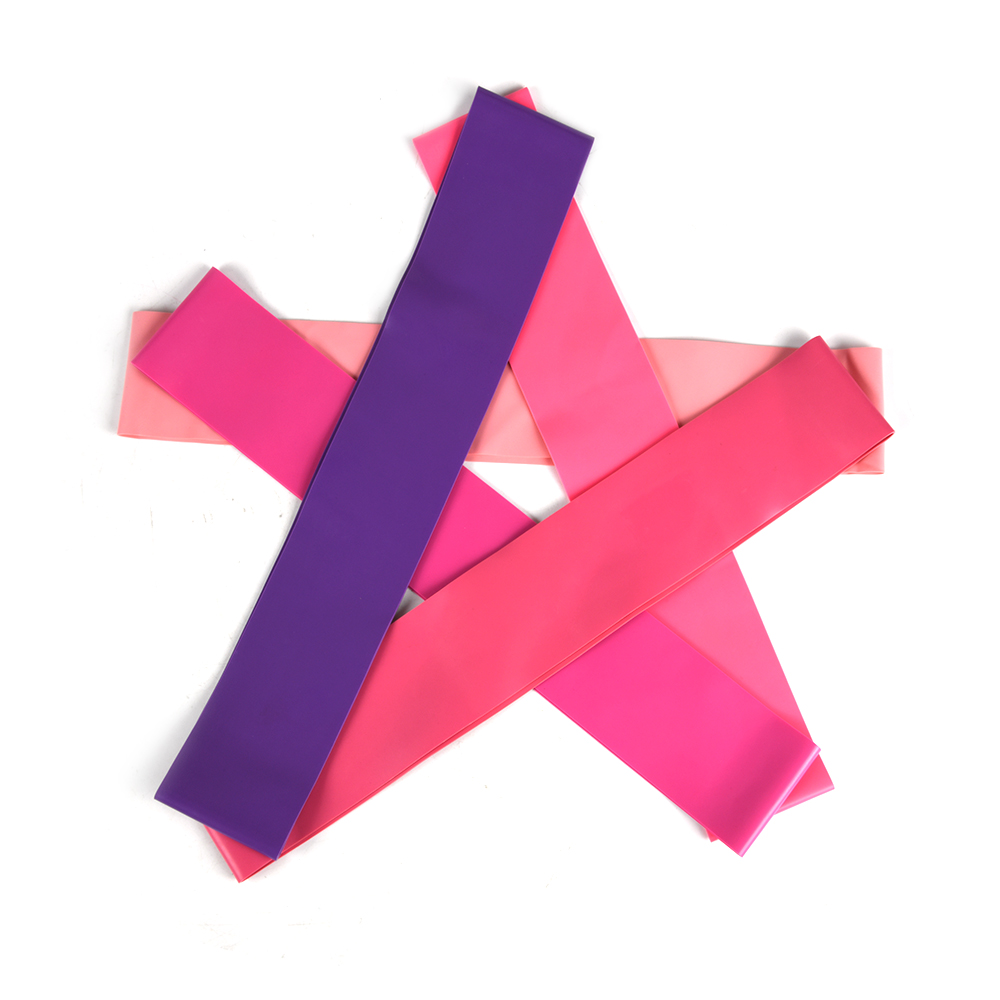
The fitness equipment market has seen remarkable growth in demand for compact, versatile resistance tools, and the mini loop band stands at the center of this shift. As gym-goers, physical therapists, and home fitness enthusiasts increasingly seek portable training solutions, fitness brands are recognizing the mini loop band as a strategic product category worth investing in. The question is whether sourcing a mini loop band through OEM channels can genuinely support the development of a branded fitness line — and the answer is a strong yes, with the right manufacturing partner and product strategy.
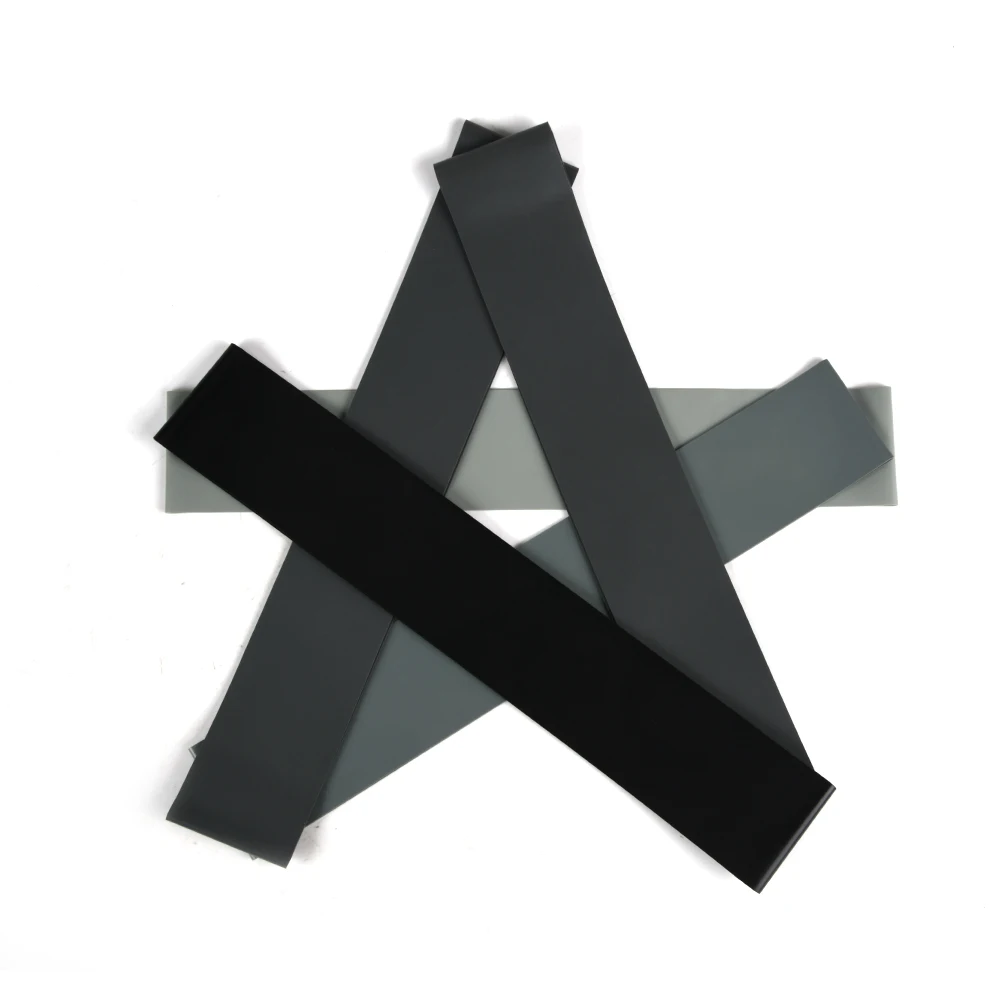
OEM production gives fitness brands direct control over every element of the mini loop band — from latex formulation and resistance levels to packaging design and logo placement. This level of control is essential for building a recognizable brand identity in a competitive market. Whether you are launching a new fitness label or expanding an existing product range, OEM mini loop band manufacturing provides the flexibility and scalability your brand development needs.
OEM Customization Options for Mini Loop Band Products
Material and Resistance Level Selection
One of the most compelling advantages of OEM mini loop band production is the ability to choose materials and resistance grades that align with your target customer segment. Natural latex remains the most popular material for a mini loop band because it delivers consistent elasticity and durability under repeated use. However, some brands prefer TPE or fabric-covered options for customers with latex sensitivities. OEM manufacturers allow you to specify the exact resistance levels — typically ranging from extra light to extra heavy — so your mini loop band set can serve beginners, athletes, and rehabilitation patients equally well.
A well-differentiated mini loop band line communicates brand expertise to buyers. When customers see a clearly labeled mini loop band set with resistance color coding that matches your brand palette, it creates immediate product confidence. OEM customization makes this possible from the ground up, ensuring every mini loop band reflects your brand standards rather than generic factory defaults.
Logo, Color, and Packaging Customization
Visual branding is where mini loop band OEM partnerships deliver immediate business value. Manufacturers can apply your logo directly onto each mini loop band using printing, embossing, or label adhesion methods. Custom color options mean every mini loop band in your lineup can follow your brand color system while also serving a functional purpose — indicating resistance levels at a glance. Beyond the product itself, branded packaging such as carry bags, boxes, or display cards turns each mini loop band into a complete retail-ready unit. This level of finish is what separates a branded mini loop band from a generic commodity product.
How Mini Loop Band OEM Supports Scalable Brand Growth
Flexible MOQ and Order Scaling
A major concern for emerging fitness brands is managing inventory risk during the early stages of growth. Reputable mini loop band OEM suppliers typically offer flexible minimum order quantities, allowing brands to start with smaller production runs before scaling. This means you can test a mini loop band design in a specific market, gather customer feedback, and refine your product before committing to large inventory volumes. The mini loop band is lightweight and compact, which also reduces warehousing and shipping costs — a practical advantage for direct-to-consumer and e-commerce fitness brands managing tight margins.
As your brand grows, OEM partners can increase production output without compromising on quality consistency. Each mini loop band must meet the same dimensional and performance standards across every batch, which professional OEM factories achieve through standardized quality control protocols. This consistency is critical for maintaining customer trust in your mini loop band products over time.
Speed to Market and Product Line Expansion
Experienced OEM manufacturers have established tooling, formulations, and production lines specifically for the mini loop band category. This means your custom mini loop band can move from approved sample to finished production in a predictable timeline. Faster speed to market gives your brand a competitive edge, especially in seasonal fitness purchase windows such as New Year fitness campaigns or summer workout preparation periods. Once your first mini loop band range is established, it becomes straightforward to expand into adjacent products such as resistance tube sets or fabric glute bands using the same OEM partner, building a coherent branded fitness collection efficiently.
Quality Standards and Compliance in Mini Loop Band Manufacturing
Material Safety and Testing Requirements
For fitness brands selling into regulated markets such as the European Union or North America, product safety compliance is non-negotiable. A professional mini loop band OEM manufacturer will produce each mini loop band in accordance with relevant safety standards, covering material safety, tensile strength, and elongation performance. Brands should request test reports confirming that the mini loop band materials meet REACH, ROHS, or equivalent standards depending on the target market. Compliance documentation not only protects your customers but also protects your brand from liability and import complications.
Durability testing is equally important for a mini loop band product. Each mini loop band should be able to withstand thousands of stretch cycles without cracking or permanent deformation. Reviewing factory test data during the sampling stage helps confirm that the mini loop band your brand launches will perform consistently for end users, reducing return rates and negative reviews.
Supplier Evaluation for Mini Loop Band OEM Partnerships
Choosing the right OEM partner for your mini loop band line requires evaluating production capacity, quality management systems, and customization experience. Ask potential suppliers to provide sample mini loop band units with your custom specs before placing a production order. Review their packaging options, printing capabilities, and lead time guarantees. A reliable mini loop band supplier will be transparent about their processes and willing to provide factory audit documentation or quality certifications upon request. Building a long-term OEM relationship around the mini loop band category creates supply chain stability and brand consistency that supports sustained business growth.
FAQ
What is the typical minimum order quantity for a custom mini loop band?
Most OEM mini loop band manufacturers offer minimum order quantities ranging from a few hundred to a few thousand units per resistance level. The exact MOQ for a mini loop band depends on the customization complexity, such as custom colors, logo printing, and packaging requirements. Brands new to OEM sourcing should discuss MOQ flexibility directly with their supplier before committing to a mini loop band production run.
Can a mini loop band be produced in multiple resistance levels under one brand order?
Yes, most mini loop band OEM manufacturers can produce multiple resistance levels as part of a single brand order. A typical mini loop band set includes three to five resistance variants, each differentiated by color and thickness. Ordering a full mini loop band set under your brand logo gives customers a complete training solution and increases the perceived value of your product line.
How long does it take to develop a custom mini loop band from sample to production?
The development timeline for a custom mini loop band typically ranges from two to six weeks for the sample approval stage, depending on customization complexity. Once the mini loop band sample is approved, mass production usually takes an additional three to five weeks. Brands planning a seasonal launch should factor these lead times into their mini loop band sourcing schedule to ensure on-time delivery.