 EN
EN


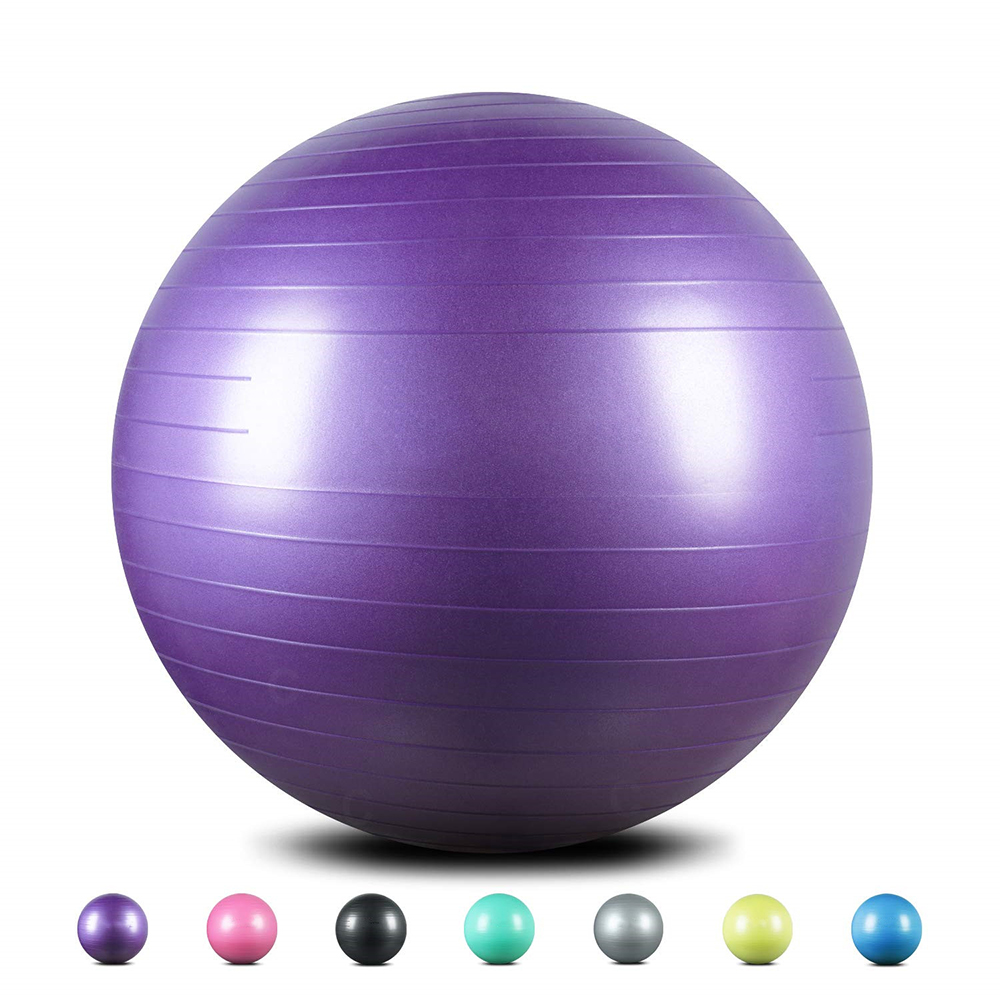
A yoga ball is one of the most adaptable pieces of fitness equipment available today. Whether you train at home, in a gym, or in a rehabilitation setting, a yoga ball can shift the entire dynamic of your workout by introducing instability, core engagement, and range-of-motion challenges that flat surfaces simply cannot replicate. The growing popularity of yoga ball training is not a trend — it reflects a genuine functional advantage that athletes and fitness beginners alike are recognizing.
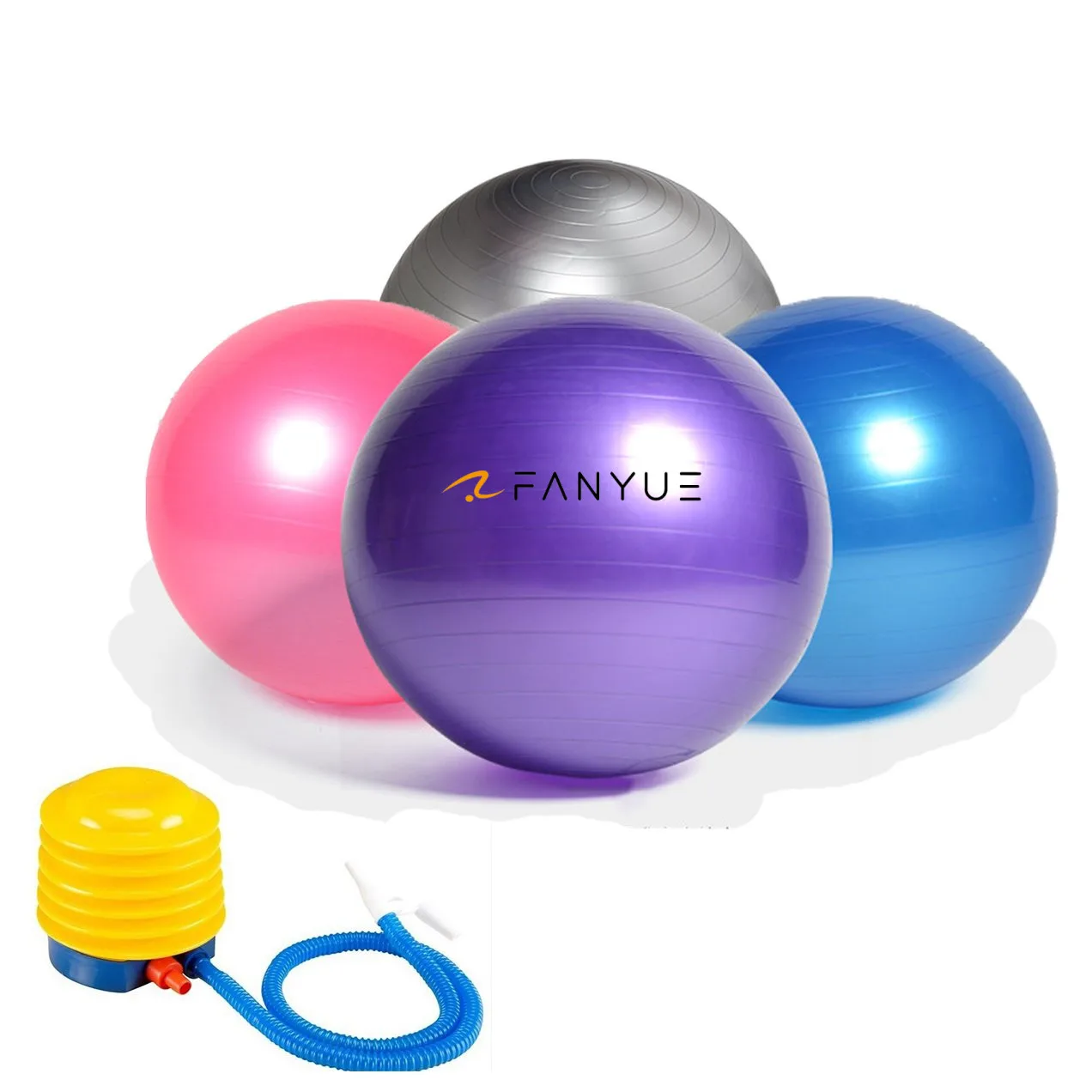
The yoga ball, often called a stability ball or exercise ball, works by forcing your body to stabilize itself during every movement. This constant micro-adjustment activates deeper muscle groups that traditional weight benches and flat mats leave largely untouched. The result is a yoga ball training approach that builds strength, improves posture, and increases overall workout versatility across multiple fitness disciplines and goals.
The Mechanics Behind Yoga Ball Training Versatility
Instability as a Training Tool
The core principle behind yoga ball effectiveness is controlled instability. When you sit, lie, or brace against a yoga ball, your body cannot fully rest — it must continuously engage stabilizing muscles to maintain balance. This is why performing a simple chest press on a yoga ball recruits far more muscle fibers than doing the same movement on a rigid bench. The yoga ball essentially turns every exercise into a compound movement by default.
This instability-driven engagement means a yoga ball can substitute or complement nearly any piece of gym equipment. From dumbbell work to bodyweight exercises, integrating a yoga ball into familiar movements creates entirely new stimulus for your nervous system. Over time, this translates into improved coordination, joint stability, and athletic performance that carries over into daily life and sports.
Full-Body Activation with a Yoga Ball
A yoga ball does not limit activation to one muscle group. Because balance is involved in every yoga ball exercise, your core, hips, glutes, and even your lower back are constantly working in the background. Even upper-body focused yoga ball exercises like incline push-ups or overhead presses require significant trunk engagement to maintain form. This multi-muscle involvement is exactly what makes yoga ball training so efficient for people who want maximum output in minimum time.
For athletes seeking sport-specific conditioning, a yoga ball provides a versatile platform for rotation, extension, and lateral stability training. For general fitness users, a yoga ball reduces workout monotony by introducing movement variety that challenges the body in genuinely different ways with each session.
Expanding Your Routine with a Yoga Ball
Strength and Resistance Movements
One of the clearest demonstrations of yoga ball versatility is how seamlessly it integrates with strength training. Wall squats performed with a yoga ball between your back and the wall dramatically improve squat mechanics while reducing knee stress. Hamstring curls performed with a yoga ball under your heels challenge posterior chain strength in ways that machines rarely achieve. Dumbbell flyes, shoulder presses, and rows all change character when a yoga ball is introduced as the supporting surface.
The yoga ball also works as an incline or decline surface, replacing an adjustable bench for a fraction of the cost. This makes it a practical choice for home gym setups where space and budget matter. A single yoga ball can serve the function of multiple training aids, which directly expands what any workout space can accomplish.
Flexibility, Mobility, and Recovery Uses
Beyond strength training, a yoga ball improves workout versatility by supporting flexibility and recovery work. Draping your body over a yoga ball during thoracic extension stretches decompresses the spine and opens the chest — movements that most traditional stretching routines cannot replicate effectively. Hip flexor openers, lateral side bends, and deep lumbar stretches all become more accessible and more effective when a yoga ball provides curved support beneath the body.
Physical therapists and rehabilitation specialists frequently use a yoga ball because its surface encourages gentle, progressive range of motion without stressing joints. This makes the yoga ball equally valuable for post-workout recovery and for individuals working through chronic tightness or injury prevention protocols. A yoga ball bridges the gap between active training and restorative movement.
Yoga Ball Training Across Fitness Levels and Goals
Adapting Yoga Ball Workouts for Beginners
New exercisers benefit enormously from yoga ball training because the yoga ball provides a forgiving, responsive surface that teaches the body how to move correctly under load. Seated balance exercises on a yoga ball develop postural awareness that carries over into every other form of training. Even simply replacing a desk chair with a yoga ball during seated work hours builds low-level core endurance without requiring dedicated workout time.
For beginners, a yoga ball allows progressive overload in a non-intimidating way. Exercises can start with very light resistance and simple balance challenges, then gradually incorporate more complex yoga ball movements as confidence and strength develop. This scalable nature of yoga ball training means it grows with the user over months and years of practice.
Advanced Applications of Yoga Ball Training
Advanced athletes use the yoga ball to create dynamic instability challenges that replicate the unpredictable conditions of real sports. Single-leg balance on a yoga ball, plyometric push-ups with hands on a yoga ball, or pike rollouts using a yoga ball demand high levels of neuromuscular coordination. These movements build the reactive strength that conventional gym machines cannot develop.
Incorporating a yoga ball into advanced training also helps prevent overuse injuries by reducing compressive forces on joints during loaded movements. Coaches in strength and conditioning programs often prescribe yoga ball variations specifically to maintain joint health while continuing to build athletic capacity. The yoga ball is as relevant at the elite level as it is for everyday fitness.
FAQ
What size yoga ball should I choose for training?
Yoga ball sizing is typically based on height. Users between 5'0 and 5'5 generally use a 55 cm yoga ball, those between 5'6 and 6'0 typically use a 65 cm yoga ball, and users above 6'0 often prefer a 75 cm yoga ball. When seated on the yoga ball, your hips and knees should form roughly a 90-degree angle for optimal posture and training effectiveness.
How often should I incorporate a yoga ball into my workouts?
A yoga ball can be used in every training session without overuse concerns, since it is a surface rather than a high-load device. Many trainers recommend introducing yoga ball exercises two to three times per week initially, then increasing frequency as core stability and balance improve. Daily use for flexibility and mobility work is also widely supported by fitness professionals.
Is a yoga ball safe for people with back pain?
A yoga ball is frequently recommended for individuals managing mild to moderate back pain because it encourages spinal alignment and gentle core engagement. However, anyone with a diagnosed back condition should consult a healthcare professional before beginning yoga ball training. When used correctly, a yoga ball can support back health rather than aggravate it, particularly when focusing on posture, extension stretches, and low-load stabilization exercises.