 EN
EN


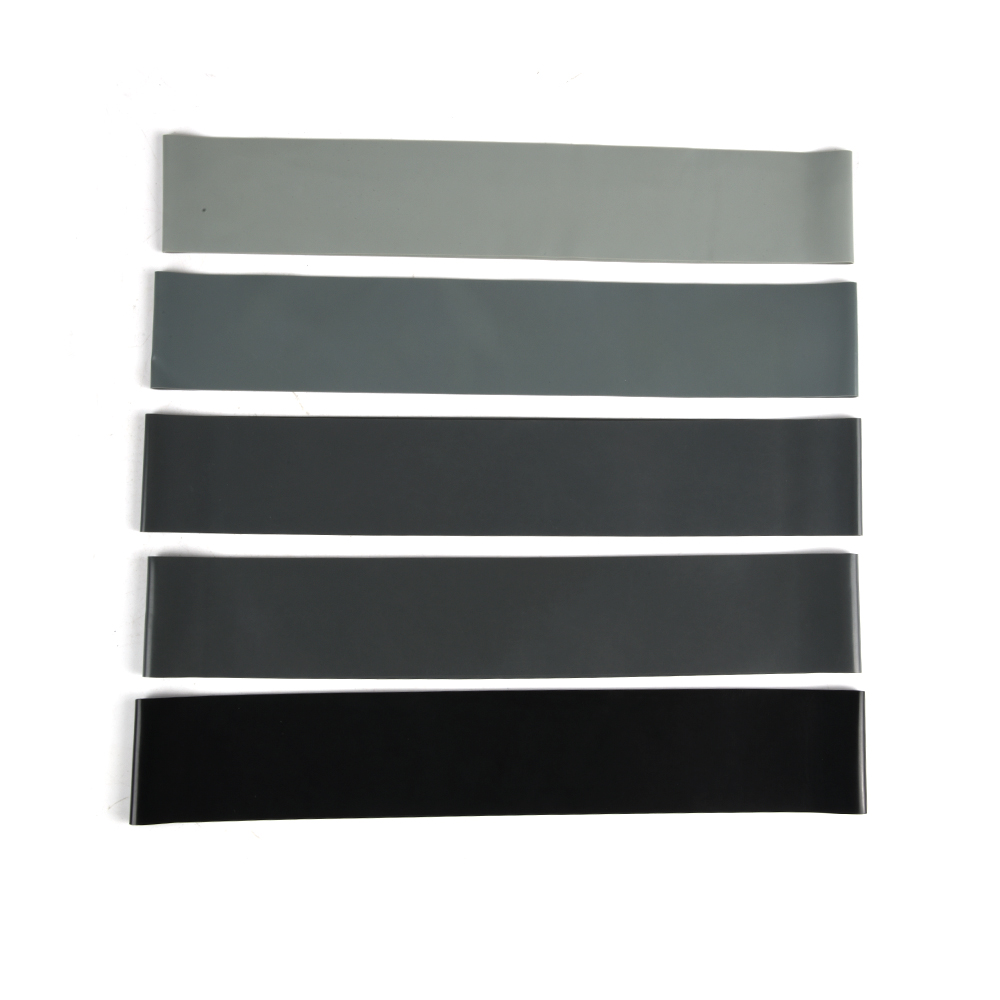
The fitness equipment market has seen steady growth in demand for compact, versatile resistance tools, and the mini loop band stands at the center of that trend. For entrepreneurs and fitness brands looking to launch or expand a private label product line, the mini loop band offers a strong combination of low production cost, broad consumer appeal, and easy customization. Understanding whether this product can genuinely support a private label business requires looking at the full picture — from sourcing and branding to market positioning.
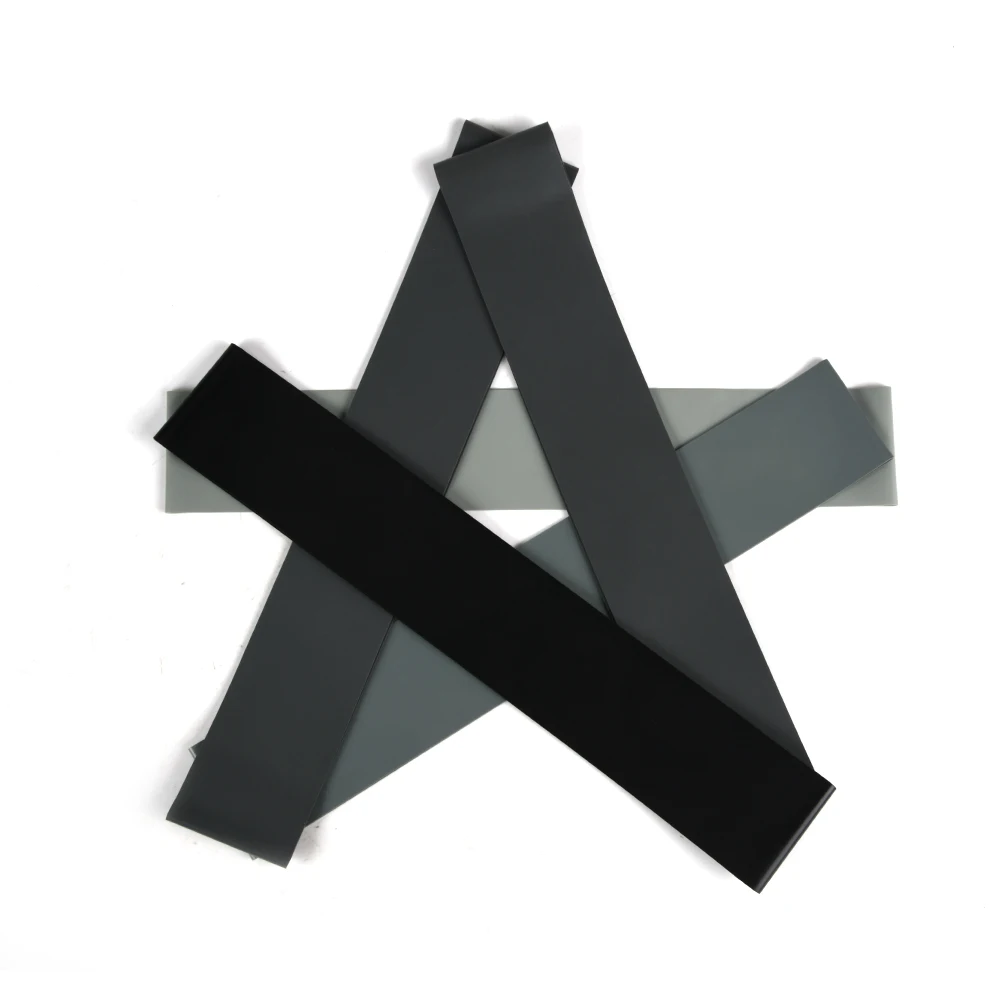
A mini loop band is a short, closed-loop resistance band typically made from latex or fabric, designed for lower-body exercises, warm-ups, and rehabilitation routines. Because the mini loop band is compact, lightweight, and easy to ship, it has become a preferred product for fitness startups, gym brands, personal trainers, and e-commerce sellers. Private label businesses benefit from the mini loop band's universal demand and the relatively straightforward manufacturing process, which makes it accessible even for first-time brand owners entering the fitness category.
Why the Mini Loop Band Fits Private Label Business Models
Low Entry Barrier for New Brands
One of the strongest reasons the mini loop band supports private label fitness businesses is its low manufacturing complexity. The mini loop band requires minimal raw materials, primarily latex or woven fabric, and can be produced in high volumes at competitive unit costs. This means a new brand can enter the market with the mini loop band without needing a large initial capital investment. Many manufacturers offer flexible minimum order quantities for the mini loop band, making it easier for small businesses to test demand before committing to large inventory runs.
The mini loop band is also easy to package creatively. Brands can combine multiple resistance levels of the mini loop band into a set, add a printed guide card, and include a carry bag — all under a custom logo. This kind of value-added bundling allows private label brands to differentiate their mini loop band offering without changing the core product itself, making it ideal for building perceived brand value at a modest extra cost.
Consumer Demand Across Multiple Channels
The mini loop band has consistent demand across retail, e-commerce, gym supply, and wellness sectors. Whether sold on an online marketplace, through a brand's direct website, or distributed to fitness studios, the mini loop band maintains relevance across customer segments. For a private label brand, this cross-channel demand means the mini loop band can support diversified revenue streams from a single product type. Fitness enthusiasts, physical therapy patients, and casual home exercisers all have reasons to purchase a mini loop band, broadening the potential customer base significantly.
Customization Options That Strengthen Brand Identity
Logo Printing and Color Customization
Private label success depends on visual brand recognition, and the mini loop band offers multiple customization surfaces. Brands can apply custom logos directly to the mini loop band through screen printing or embossing on latex versions, or through woven labels on fabric versions. Color selection is equally flexible — a brand can choose specific color codes for each resistance level of the mini loop band to match its overall brand palette. This level of customization helps a private label mini loop band product look and feel premium even at a competitive price point.
Beyond the mini loop band itself, packaging customization plays a major role in private label brand building. Custom-printed polybags, cardboard headers, or retail boxes featuring the brand's design make the mini loop band look shelf-ready and professional. When a customer receives a well-packaged mini loop band with consistent brand design, it reinforces brand loyalty and encourages repeat purchases, which is a core objective for any private label fitness business.
Material and Resistance Level Options
Suppliers who manufacture the mini loop band typically offer both latex and fabric construction. The latex mini loop band is thinner, more elastic, and preferred for physical therapy and warm-up applications. The fabric mini loop band is thicker, more durable, and favored for heavy resistance training and glute activation exercises. Offering both material types under a single private label brand allows businesses to serve a wider range of fitness customers. Additionally, most suppliers produce the mini loop band in multiple resistance levels — commonly light, medium, heavy, and extra heavy — allowing brands to sell complete sets and increase average order value.
Operational Considerations for Private Label Sellers
Sourcing and Quality Control
For a private label brand, product consistency is critical. When sourcing the mini loop band at wholesale, it is important to work with a supplier who can provide consistent material quality, uniform resistance levels, and reliable production timelines. Requesting pre-production samples of the mini loop band before placing a full order helps brands verify that specifications are met. Checking that the mini loop band meets any relevant safety or material standards, such as latex allergy labeling or material certifications, is also important before launching the product under a private label brand name.
Establishing clear quality benchmarks for the mini loop band — including elasticity tolerance, tear resistance, and print durability — ensures that every batch maintains the standard customers expect. A brand's reputation is directly tied to how consistently each mini loop band performs after purchase, making quality control an ongoing operational priority rather than a one-time evaluation.
Pricing Strategy and Margin Potential
The mini loop band offers strong margin potential for private label brands due to its low cost of goods and high perceived retail value. A mini loop band set sold under a recognized brand name can command a meaningfully higher retail price than an unbranded product, simply because of packaging, marketing, and the trust a brand name carries. Private label sellers should evaluate their total landed cost per mini loop band, including production, customization, packaging, and shipping, before setting retail prices. A well-managed mini loop band private label business can achieve healthy margins even at competitive market prices.
FAQ
What is the typical minimum order quantity for a private label mini loop band?
Most suppliers offer private label mini loop band orders starting from a few hundred to a few thousand units, depending on the customization level. Brands new to private labeling should confirm MOQ details directly with their chosen mini loop band manufacturer to find a quantity that balances cost efficiency with inventory risk.
Can I choose the resistance levels for my private label mini loop band set?
Yes, most mini loop band manufacturers allow private label brands to specify the resistance levels included in each set. Common configurations for a mini loop band set include three to five resistance levels, and some suppliers allow fully custom resistance specifications to match your target customer's training needs.
Is a fabric or latex mini loop band better for private label fitness brands?
Both materials work well for private label positioning, but the choice depends on your target market. A fabric mini loop band is generally preferred for strength and glute training audiences, while a latex mini loop band appeals to rehabilitation, yoga, and warm-up use cases. Many successful private label brands offer both types to maximize their mini loop band product range.