 EN
EN


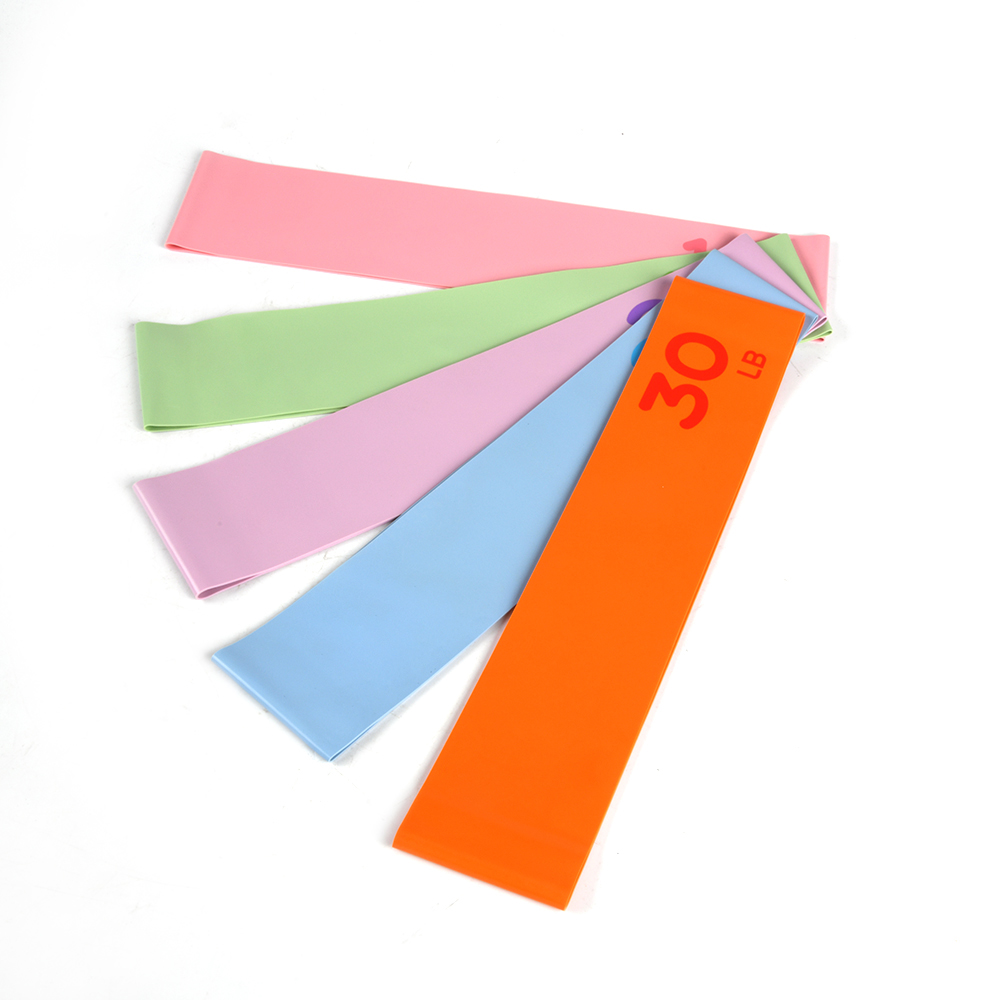
After an injury, returning to physical activity requires a careful, structured approach that rebuilds strength without risking further damage. The mini loop band has become one of the most trusted tools in post-injury rehabilitation because it delivers controlled, low-impact resistance that matches the needs of a recovering body. Whether you are healing from a knee injury, a hip strain, a shoulder problem, or a lower back condition, a mini loop band allows you to engage target muscles gradually and safely. Physical therapists and fitness professionals widely recommend the mini loop band as an entry point back into active movement precisely because of its adjustable resistance and forgiving design.
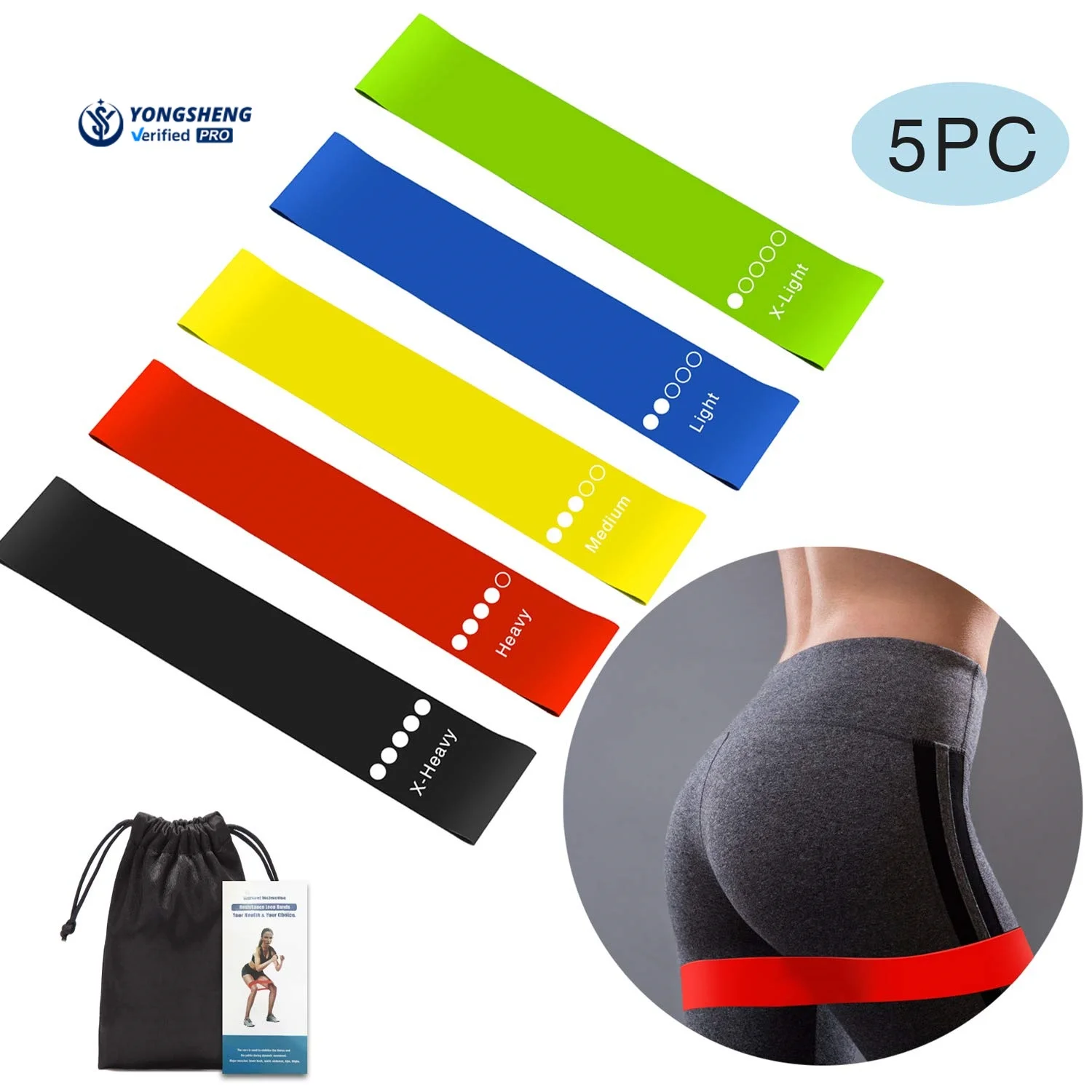
Understanding how a mini loop band supports recovery plans means looking at what makes post-injury training different from standard strength work. The recovering body needs resistance that challenges without overloading, movement patterns that restore range of motion, and exercises that activate stabilizing muscles often weakened during injury downtime. The mini loop band addresses all three of these needs in a single, portable, affordable tool. This article explains how a mini loop band fits into each phase of a post-injury recovery plan, which muscle groups benefit most, and how to use a mini loop band progressively as healing advances.
Why the Mini Loop Band Suits Post-Injury Training
Controlled Resistance That Protects Healing Tissue
One of the primary reasons a mini loop band is ideal for post-injury recovery is the graduated resistance it provides. Unlike free weights or cable machines, a mini loop band creates resistance that increases progressively as the band stretches, allowing the user to control force output throughout the entire range of movement. This means that at the beginning of a movement, when joints and healing tissue are most vulnerable, the mini loop band places minimal load on the body. As the movement progresses and the mini loop band stretches further, resistance builds gradually, training the muscle through a safe and natural arc. This characteristic makes the mini loop band especially valuable for exercises around sensitive joints such as the knee and hip.
Neuromuscular Reactivation and Muscle Memory
Injury often leads to a period of immobilization or reduced activity, during which the nervous system partially loses its ability to efficiently recruit target muscles. The mini loop band is particularly effective at reactivating these dormant motor pathways because it demands constant muscular engagement to maintain band tension throughout each exercise. When a recovering athlete performs clamshells, side-lying leg lifts, or standing hip abductions with a mini loop band, the glute medius, hip rotators, and stabilizing muscles around the knee must actively fire to control the band. This neuromuscular reactivation with a mini loop band helps restore the body's movement patterns more quickly than passive stretching alone, which is a critical component of any comprehensive recovery plan.
Key Recovery Exercises Using a Mini Loop Band
Lower Body Rehabilitation Movements
The lower body is one of the most common sites of sports injury, and the mini loop band is an outstanding rehabilitation tool for this region. Placing a mini loop band just above the knees during squats or bridges activates the glutes and outer thighs while teaching proper knee alignment. The mini loop band clamshell is a foundational recovery exercise for hip labral issues, IT band syndrome, and knee instability, gently loading the hip abductors without stressing the joint itself. For ankle and Achilles recovery, placing a mini loop band around the feet during seated exercises helps restore ankle mobility and lower leg strength at a manageable resistance level. Each of these mini loop band movements can be scaled by choosing a lighter or heavier resistance band as healing progresses.
Upper Body and Core Stabilization with a Mini Loop Band
Shoulder recovery plans frequently rely on the mini loop band because it allows for precise loading of the rotator cuff and scapular stabilizers. Placing the mini loop band around the wrists during wall slides or shoulder circles gently activates the infraspinatus and teres minor, muscles that are critical for shoulder joint health but difficult to isolate with heavier equipment. For core rehabilitation following abdominal or spinal injuries, the mini loop band can be placed around the thighs during dead bug or bird dog variations to add mild hip resistance without loading the spine directly. The mini loop band keeps the core engaged and the lumbar spine supported throughout these recovery movements, making it a safe companion for early-stage spinal rehabilitation programs.
Progressing a Recovery Plan with a Mini Loop Band
Building Resistance Gradually Over Recovery Phases
A well-designed post-injury recovery plan moves through distinct phases, from initial tissue healing to functional strength restoration, and the mini loop band supports this progression naturally. In the early phase of recovery, a light-resistance mini loop band is used for gentle activation and range-of-motion work with very low load. As the body heals and strength improves, a medium-resistance mini loop band is introduced to challenge the muscles more directly and begin rebuilding functional power. In the later phases of recovery, a high-resistance mini loop band is incorporated into compound movements and sport-specific drills to prepare the body for a return to full activity. Having a set of mini loop bands in multiple resistance levels ensures that every stage of the recovery plan is adequately supported without gaps or dangerous load jumps.
Integrating the Mini Loop Band into Structured Programs
The mini loop band works best within a structured recovery plan that includes clear goals, session frequency, and progression benchmarks. A typical post-injury program might include mini loop band activation exercises at the start of each session to prime the target muscles before any load-bearing movement. Mid-session mini loop band exercises can focus on isolation work for specific weaknesses identified during initial assessment. Closing mini loop band stretching routines help maintain flexibility and reduce post-exercise soreness while the body is still in a fragile recovery state. Because the mini loop band is compact and requires no anchoring or setup, it removes logistical barriers to completing rehabilitation sessions consistently, which directly improves recovery outcomes.
FAQ
How many times per week should I use a mini loop band during recovery?
Most rehabilitation professionals recommend using a mini loop band for targeted exercises three to five times per week during active recovery phases. The frequency depends on injury severity and the specific muscles being trained with the mini loop band. Lighter mini loop band sessions can often be performed daily for gentle activation work, while higher-resistance mini loop band training sessions require at least one rest day between them to allow tissue repair.
What resistance level mini loop band is best for early-stage injury recovery?
For early-stage recovery, a light or extra-light resistance mini loop band is generally recommended. The goal at this stage is to reactivate muscles and restore range of motion rather than build significant strength. A light mini loop band allows controlled movement without placing stress on healing tissue. Your physical therapist or trainer can help determine when to progress to a medium or heavier mini loop band based on your symptoms and functional assessment results.
Can a mini loop band replace physical therapy equipment for home recovery?
A mini loop band can replicate many of the foundational resistance exercises used in clinical rehabilitation settings, making it highly effective for home-based recovery programs. While a mini loop band does not replace professional guidance or all specialized therapy equipment, it serves as a versatile and accessible tool for performing prescribed exercises between clinic visits. Using a mini loop band consistently at home, under a therapist-designed plan, has been shown to significantly accelerate recovery timelines and improve functional outcomes.