 EN
EN


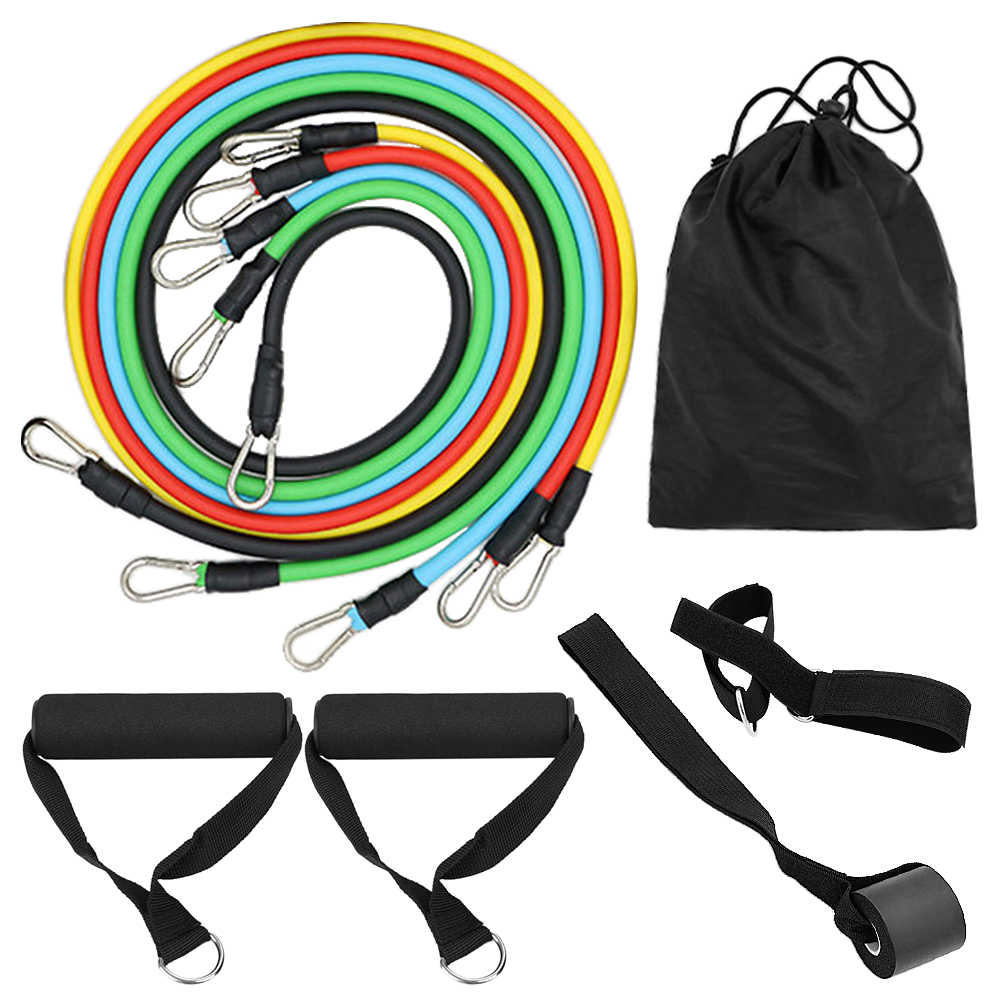
Flexibility and mobility are two of the most overlooked components of physical fitness, yet they play a critical role in injury prevention, athletic performance, and everyday movement quality. Many people assume that only static stretching or yoga can meaningfully improve these qualities. However, the resistance tube has emerged as a surprisingly effective tool for targeting both flexibility and mobility when used with the right approach and consistent practice.
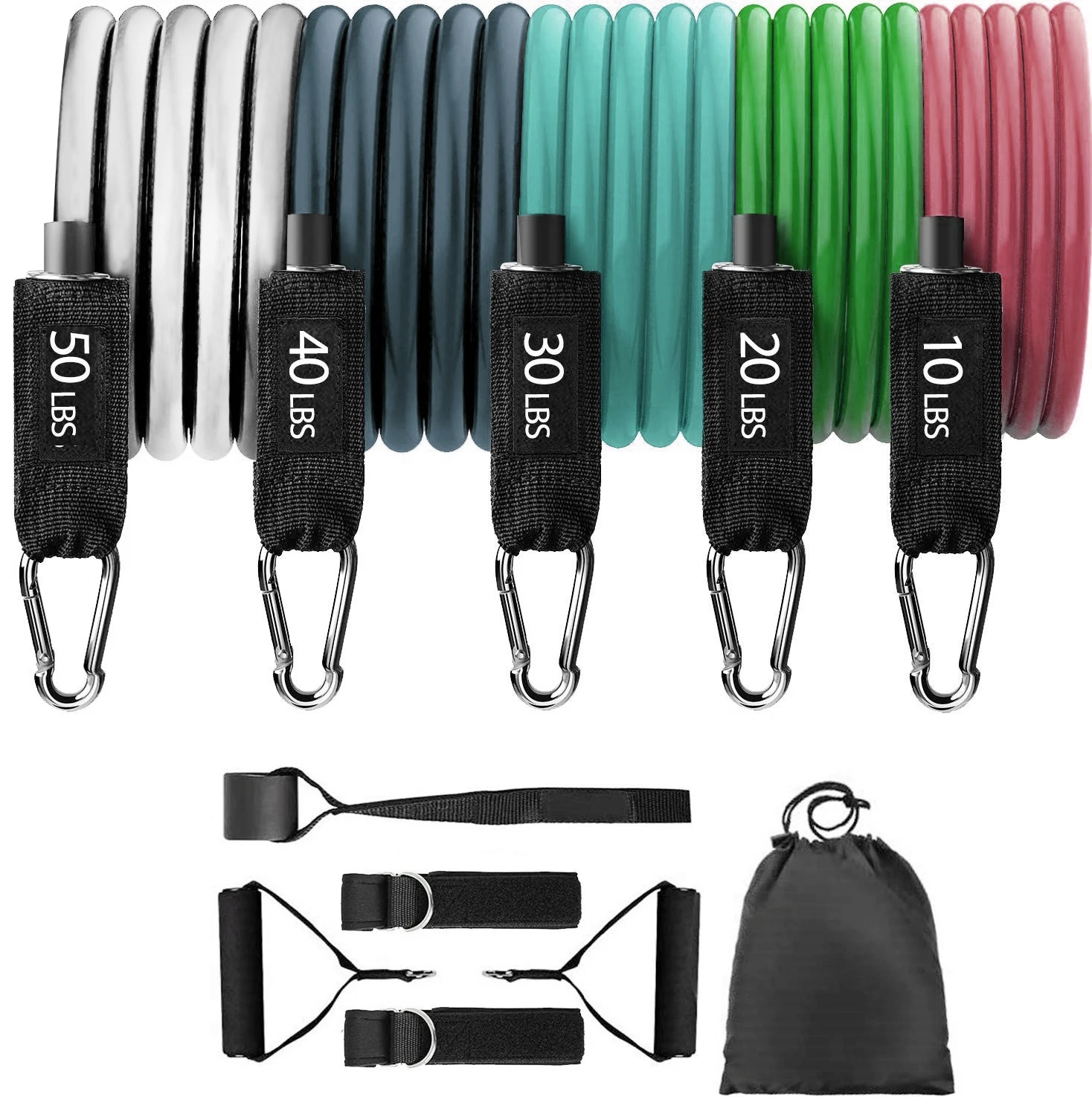
A resistance tube provides variable tension throughout a movement, which means muscles and connective tissue are challenged across a wider range of motion compared to fixed-weight exercises. This characteristic makes the resistance tube especially suitable for dynamic stretching, assisted flexibility drills, and mobility-focused warm-up routines. Understanding exactly how a resistance tube supports these goals requires looking at the mechanics of movement, the role of controlled resistance, and the practical exercises that deliver real results.
How a Resistance Tube Supports Range of Motion
Variable Tension and Muscle Elongation
One of the defining features of a resistance tube is that tension increases as the tube is stretched. This progressive resistance encourages muscles to engage more deeply as they move through their full range of motion. When you perform a resistance tube hamstring stretch or a shoulder mobility drill, the tube creates a gentle but consistent pulling force that assists the muscle in reaching a longer, more extended position. Over time, repeated exposure to this assisted elongation can meaningfully improve flexibility in target muscle groups.
Unlike passive stretching where you simply hold a position, resistance tube training introduces an active element. The muscle must work against the resistance tube while simultaneously maintaining or extending its length. This combination of effort and elongation is sometimes called active flexibility, and it transfers far more directly to real movement patterns than passive flexibility alone. Athletes who train with a resistance tube for active flexibility often notice faster improvements in usable range of motion.
Joint Mobility and Controlled Movement Paths
Mobility refers not just to how far a joint can move but to how well it moves under control. A resistance tube helps develop this controlled movement by providing feedback throughout the range of motion. For example, a resistance tube hip circle or shoulder rotation drill forces the joint to move through its full arc while maintaining tension. This tension keeps the movement honest, discouraging compensation patterns that often develop when people stretch without any external feedback. Regular resistance tube mobility work can therefore improve both the range and the quality of joint movement.
Practical Resistance Tube Exercises for Flexibility and Mobility
Lower Body Flexibility Drills
The lower body is often the primary target for flexibility work, and a resistance tube is well-suited to drills in this area. A resistance tube leg stretch involves looping the tube around the foot while lying on your back and slowly extending the leg upward. The resistance tube provides both assistance and resistance, helping the hamstring lengthen while the hip flexor engages to maintain the lift. This exercise is far more dynamic than a simple static hamstring stretch and teaches the nervous system to accept a greater range of motion under load.
For hip mobility, a resistance tube can be anchored to a low point while you perform slow lateral leg swings or hip rotations. The resistance tube adds just enough tension to challenge the hip abductors and external rotators throughout the movement. Consistently practicing these resistance tube drills two to three times per week can produce noticeable improvements in hip flexibility and walking or running gait within four to six weeks.
Upper Body and Shoulder Mobility Work
Shoulder mobility is a common limitation for both office workers and athletes. A resistance tube is one of the most practical tools available for shoulder mobility exercises because it can be adjusted easily for angle and tension. Resistance tube shoulder dislocates, where the tube is held with a wide grip and passed overhead and behind the body in a slow arc, are a classic drill for improving shoulder and thoracic mobility. The resistance tube provides gentle feedback and helps maintain scapular engagement throughout the movement.
Chest and lat flexibility can also be addressed with a resistance tube. Attaching the resistance tube at shoulder height and rotating away from the anchor point stretches the pectoral muscles and anterior shoulder through a natural arc. This resistance tube chest opener is especially useful as a warm-up before pressing or pushing movements, preparing the joints and soft tissue for loaded work. Used consistently, resistance tube upper body mobility exercises help reduce stiffness caused by prolonged sitting and screen-based work.
Building a Resistance Tube Flexibility Routine
Frequency, Duration, and Progression
To see meaningful flexibility and mobility improvements from resistance tube training, consistency matters more than intensity. A resistance tube flexibility session of fifteen to twenty minutes, performed four to five times per week, is more effective than occasional long sessions. Each exercise should be performed for two to three sets of ten to fifteen slow, controlled repetitions. The resistance tube tension level should allow full range of motion without pain or excessive strain, gradually increasing as flexibility improves.
Progression with a resistance tube for flexibility work is different from strength training progression. Rather than increasing resistance dramatically, the goal is to access a greater range of motion at the same or slightly higher resistance level over time. Tracking the depth or range achieved in key exercises, such as how high the leg can be raised in a resistance tube hamstring stretch, provides a useful measure of progress. Keeping a simple log helps maintain motivation and ensures the resistance tube routine continues to challenge the body appropriately.
Integrating the Resistance Tube into a Broader Fitness Plan
A resistance tube flexibility routine works best when combined with other forms of training rather than used in isolation. Performing resistance tube mobility drills before strength workouts prepares the joints and muscles for heavier loading. Using a resistance tube for cool-down stretches after cardiovascular exercise, when the body is warm, maximizes the flexibility gains possible in each session. The portability and lightweight nature of a resistance tube make it easy to include in travel routines, home workouts, or gym sessions without disruption.
FAQ
How often should I use a resistance tube for flexibility training?
Using a resistance tube for flexibility and mobility work four to five times per week is ideal. Even short daily sessions of ten to fifteen minutes with a resistance tube can produce consistent improvements in range of motion when practiced regularly over several weeks.
Can a resistance tube replace traditional stretching for mobility improvement?
A resistance tube does not replace traditional stretching entirely but significantly enhances it. Combining static stretching with active resistance tube drills gives you the benefits of both passive elongation and active flexibility, producing more well-rounded and functional mobility gains than either method alone.
What resistance tube tension level is best for flexibility exercises?
For flexibility and mobility work, a lighter resistance tube tension is generally preferred. The resistance tube should provide enough feedback and gentle assistance to guide the movement without restricting range of motion or causing muscle fatigue that shortens the stretch. Starting with a light or medium resistance tube and adjusting based on comfort is the recommended approach.