 EN
EN


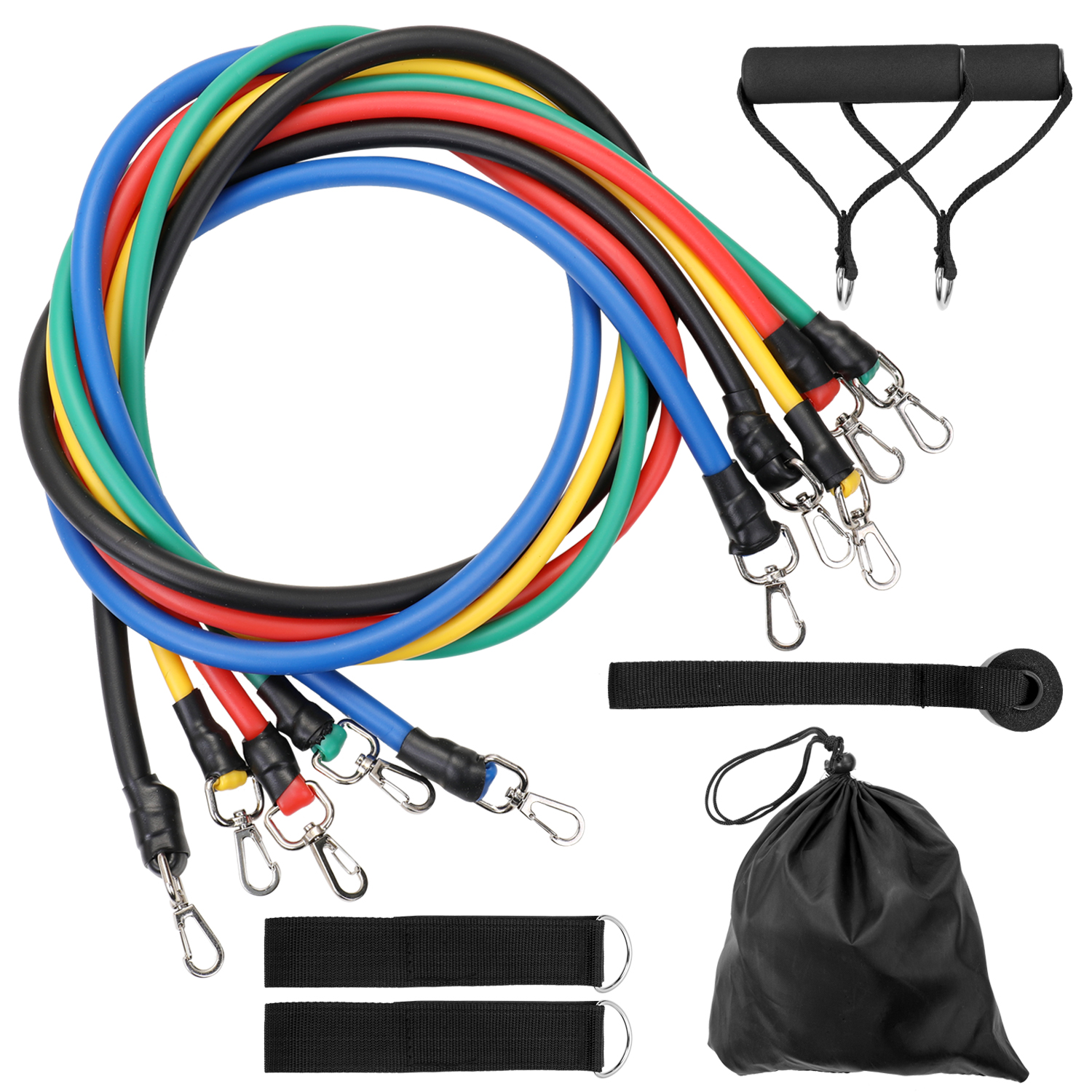
Balance and coordination are foundational qualities for athletic performance, injury prevention, and everyday movement. Many fitness approaches address strength or endurance, but fewer target the neuromuscular control that underpins stable, fluid movement. A resistance tube offers a uniquely effective tool for developing both qualities simultaneously, making it a standout choice for trainers, rehabilitation specialists, and fitness enthusiasts alike. Understanding how resistance tube training stimulates the body's balance systems helps explain why it delivers results that heavier, fixed-path equipment simply cannot match.
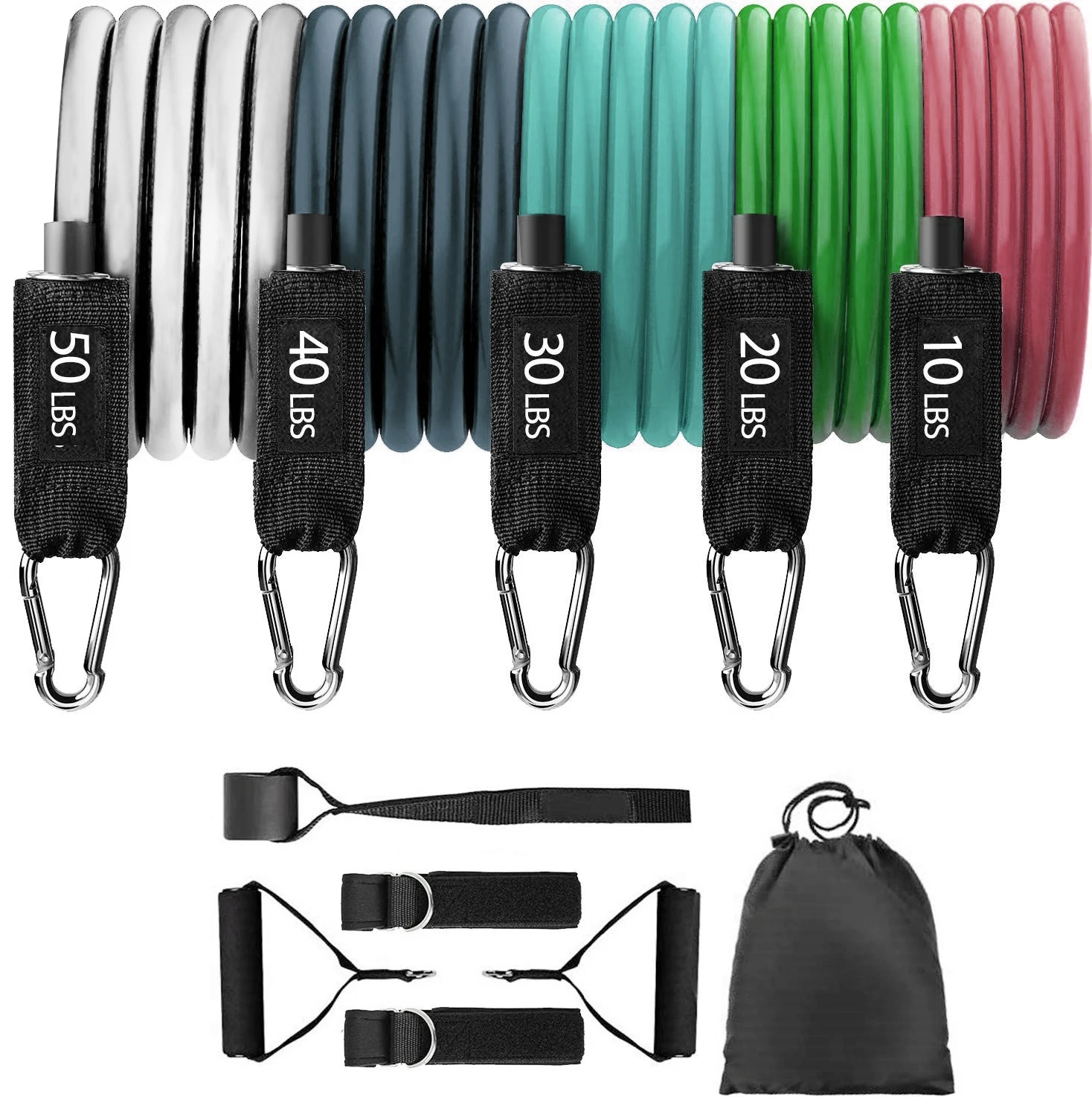
Unlike a barbell or cable machine, a resistance tube creates variable, multi-directional tension throughout every movement. That constant variability forces your nervous system to work harder, recruiting stabilizing muscles that conventional training often overlooks. Every set performed with a resistance tube becomes a coordination challenge as much as a strength challenge, and that dual demand is precisely what makes resistance tube training so effective for balance development. This article breaks down the mechanisms, practical applications, and key techniques that explain how resistance tube work transforms balance and coordination over time.
How Resistance Tube Tension Activates Stabilizer Muscles
Variable Resistance and Neuromuscular Demand
A resistance tube generates elastic tension that increases as it stretches. This variable resistance profile is fundamentally different from free weights, which maintain constant load throughout a movement. Because the tension from a resistance tube changes at every joint angle, your muscles must continuously adjust their activation levels to control the movement. This constant recalibration trains the neuromuscular system far more intensively than fixed-resistance tools, sharpening the body's ability to respond to unexpected shifts in load or position.
The unpredictable pull of a resistance tube also engages deep stabilizer muscles around the ankle, knee, hip, and shoulder joints. These muscles are the primary contributors to joint stability and postural control. By regularly challenging them through resistance tube exercises, you build the muscular infrastructure that underlies confident, controlled movement in any setting, from sports fields to staircases.
Proprioception Enhancement Through Elastic Resistance
Proprioception is the body's ability to sense its own position and movement in space. A resistance tube provides constant sensory feedback through the hands, feet, or anchor points, which heightens proprioceptive awareness during exercise. This feedback loop trains the nervous system to detect and respond to positional changes faster and more accurately. Athletes who train consistently with a resistance tube often report improved spatial awareness and quicker reactive balance corrections during competition or daily activity.
Resistance Tube Exercises That Target Balance Directly
Single-Leg and Split-Stance Movements
Single-leg exercises performed with a resistance tube are among the most effective tools for balance training. A single-leg resistance tube deadlift, for example, requires the standing leg to stabilize the entire body while the resistance tube adds rotational and lateral tension. This combination forces the hip stabilizers, ankle muscles, and core to coordinate continuously throughout the movement. Performing these exercises barefoot on a slightly uneven surface increases the balance demand even further, making a resistance tube an incredibly versatile balance training instrument.
Split-stance resistance tube presses and rows also develop coordination by requiring the upper and lower body to work in opposition. Holding a resistance tube while pressing from a split stance trains the body to transfer force efficiently across the hips, which is the core biomechanical skill behind athletic agility and controlled deceleration. These movement patterns mirror real-world demands more closely than seated machine exercises, making resistance tube training highly functional.
Rotational and Multi-Plane Resistance Tube Patterns
Human movement rarely occurs in a single plane. Reaching, turning, throwing, and changing direction all demand coordination across multiple movement planes simultaneously. A resistance tube is uniquely suited to multi-plane training because it can be anchored at various heights and angles, enabling diagonal, rotational, and cross-body movement patterns. Exercises such as resistance tube wood chops, pallof presses, and diagonal pulls engage the obliques, hip rotators, and shoulder stabilizers in integrated patterns that directly improve functional coordination.
Incorporating a resistance tube into rotational drills also reduces injury risk by teaching the body to decelerate and absorb force through coordinated muscular action rather than passive joint loading. Over time, this trains the body to move confidently and efficiently in unpredictable directions, a key marker of high-level coordination.
Programming Resistance Tube Work for Progressive Balance Gains
Progression Strategies With a Resistance Tube
Effective balance and coordination training follows a clear progression logic. Begin with bilateral resistance tube exercises on stable ground to establish foundational motor patterns and joint stability. Once movement quality is consistent, shift to single-leg or split-stance resistance tube variations that increase postural demand. From there, introduce unstable surfaces, closed eyes, or added movement complexity to continue challenging the nervous system. Each progressive layer pushes neuromuscular adaptation further, accelerating coordination gains from resistance tube training.
Resistance levels with a resistance tube should also progress thoughtfully. Starting with lighter resistance allows focus on movement quality and proprioceptive awareness. As stability improves, adding resistance with a higher-tension resistance tube reinforces strength within newly acquired movement patterns, consolidating coordination gains into lasting functional capacity. A stackable resistance tube set offering a range of tension levels supports this systematic progression efficiently.
Integrating Resistance Tube Training Into a Balanced Routine
Resistance tube exercises integrate naturally into warm-up routines, primary training sessions, or active recovery days. Using a resistance tube during warm-up activates stabilizing muscles before heavy loading, reducing injury risk and improving movement quality throughout the session. Including resistance tube balance drills at the end of a training session reinforces coordination patterns when the neuromuscular system is under fatigue, which closely mirrors the conditions of real athletic competition. Consistency is the key variable: two to three resistance tube balance sessions per week produce measurable improvements in postural stability and movement coordination within four to six weeks.
FAQ
How quickly can resistance tube training improve balance?
Most individuals notice measurable improvements in balance and postural stability within four to six weeks of consistent resistance tube training. The rate of improvement depends on training frequency, exercise variety, and the progressive challenge applied through resistance tube sessions. Beginners typically see faster initial gains because their baseline neuromuscular activation is lower, while advanced athletes may see more subtle but still meaningful coordination refinements from resistance tube work.
Is a resistance tube suitable for rehabilitation and balance recovery?
Yes, a resistance tube is widely used in rehabilitation settings because it provides controllable, low-impact resistance that can be adjusted to match a patient's current capacity. Resistance tube exercises allow joint-friendly loading that stimulates the proprioceptive system without excessive stress. Physical therapists frequently prescribe resistance tube drills for ankle, knee, and hip rehabilitation, where rebuilding balance and neuromuscular coordination is a primary recovery goal alongside restoring strength and mobility.
What resistance tube tension level is best for balance training?
For balance and coordination training, lighter to moderate resistance tube tension is generally most effective. The priority in balance work is movement quality and neuromuscular control rather than maximum load. A resistance tube that allows full, controlled movement throughout the desired range is ideal. As stability and coordination improve, progressively increasing the resistance tube tension ensures continued adaptation and prevents training plateaus.