 EN
EN


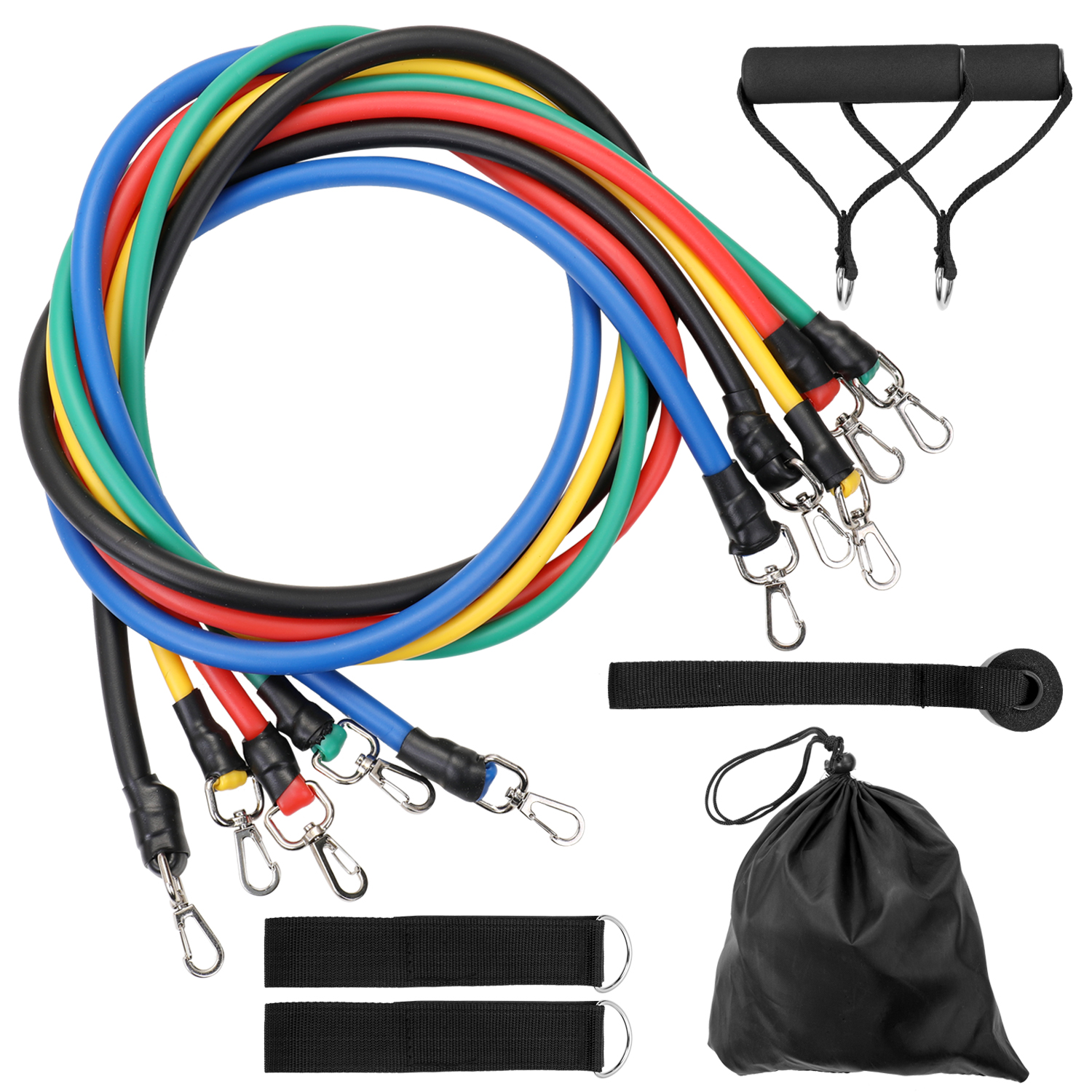
A resistance tube is one of the most practical and effective tools available for modern exercise programming. Whether you are a beginner building foundational strength or an experienced athlete seeking functional performance gains, a resistance tube delivers consistent, adjustable tension that challenges muscles throughout every movement pattern. Unlike fixed-weight equipment, a resistance tube responds dynamically to your force output, making each repetition more demanding and more rewarding at the same time.
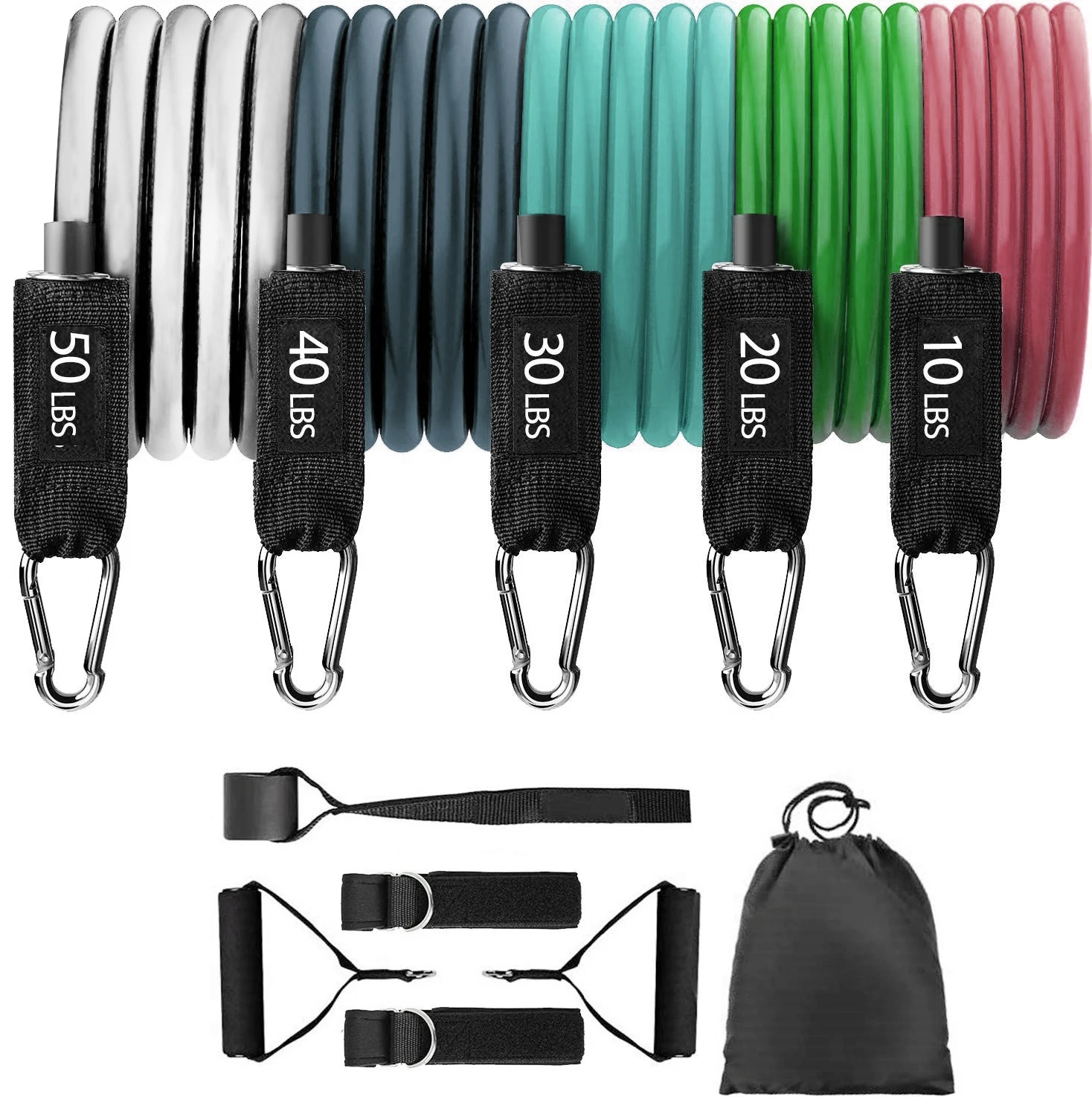
Exercise efficiency is not simply about how much time you spend training — it is about how effectively each session activates the right muscles, maintains proper tension, and supports your overall fitness goals. Resistance tube training addresses all of these factors simultaneously. By integrating a resistance tube into structured workouts, you can maximize output, reduce recovery demand, and train virtually any muscle group without the need for a fully equipped gym. This article explores exactly how a resistance tube can improve your exercise efficiency from multiple dimensions.
The Mechanics Behind Resistance Tube Efficiency
How Elastic Resistance Changes Muscle Engagement
The core reason a resistance tube improves exercise efficiency lies in its elastic resistance profile. As you stretch a resistance tube further, the tension increases progressively. This means your muscles must work harder at the end range of each movement, which is precisely where many traditional exercises lose their challenge. This ascending resistance curve forces continuous muscle engagement throughout the full arc of motion, generating greater time under tension per repetition compared to free weights of an equivalent load.
When you use a resistance tube for exercises like chest presses, rows, or squats, the muscles responsible for stabilization are also recruited more actively. Because a resistance tube pulls in multiple planes, smaller stabilizing muscles engage to maintain control, adding a layer of functional conditioning that isolation machines simply cannot replicate. This multi-muscle activation per movement is a direct contributor to improved exercise efficiency.
Resistance Tube Training and Neuromuscular Activation
Neuromuscular efficiency refers to how effectively your nervous system recruits muscle fibers during movement. A resistance tube inherently trains this quality because the variable tension demands constant motor adjustment. Your body cannot rely on momentum or gravity compensation as it might with dumbbells or barbells. Every phase of a resistance tube movement requires active neural input, which over time improves coordination, reaction speed, and the ability to generate force quickly. This is especially valuable for athletes and individuals focused on functional movement quality.
Practical Benefits That Maximize Every Workout
Full-Body Training With a Single Resistance Tube Set
One of the most efficient aspects of resistance tube training is the range of exercises it supports without requiring multiple pieces of equipment. A single resistance tube can be anchored at different heights to target the chest, back, shoulders, arms, and legs. You can perform a resistance tube pull-apart for rear deltoid activation, a resistance tube deadlift for posterior chain strength, or a resistance tube pallof press for rotational core stability. The versatility of a resistance tube means you spend less time transitioning between equipment and more time actually training.
When you use a stackable resistance tube set, you gain the ability to layer multiple tubes together to increase load progressively. This mirrors the progressive overload principle that underpins long-term strength development. A resistance tube set with varying tension levels lets you scale intensity across all exercises without needing a full rack of weights, making each session more time-efficient and better structured for progressive adaptation.
Portability and Consistency in Resistance Tube Training
Exercise efficiency is also about consistency. Missing workouts because you cannot access a gym is a significant barrier to progress. A resistance tube solves this problem entirely. Because a resistance tube is lightweight, compact, and requires no power source or floor space beyond a few square feet, it enables consistent training in hotel rooms, outdoor spaces, office environments, or at home. Consistency over time produces far greater fitness gains than sporadic high-intensity gym sessions. A resistance tube makes consistent training accessible to almost anyone.
Furthermore, resistance tube exercises typically involve shorter setup times and smoother transitions between movements. This reduces the dead time within a workout session, increasing the actual training density. For individuals with limited time, training density — how much productive work fits within a given session — is one of the most important factors in overall efficiency. A resistance tube workout can compress a broad range of training stimuli into a compact timeframe without sacrificing quality.
Designing Efficient Workouts Around a Resistance Tube
Combining Resistance Tube Exercises for Maximum Output
Efficiency improves significantly when resistance tube exercises are combined in supersets or circuit formats. For example, pairing a resistance tube bicep curl with a resistance tube tricep pressdown creates an antagonist superset that keeps both muscle groups working without rest between sets. Similarly, a resistance tube squat followed immediately by a resistance tube lateral band walk trains the lower body through both vertical and lateral movement planes in one continuous sequence. These combinations reduce total workout time while increasing cardiovascular demand and caloric expenditure.
Adding a resistance tube to compound bodyweight movements also amplifies their training effect. A resistance tube placed under the feet during a push-up increases chest and tricep loading in the top position. A resistance tube looped around the hips during a glute bridge adds a finishing contraction that bodyweight alone cannot provide. These modifications transform standard movements into resistance tube-enhanced exercises that deliver more stimulus per repetition, elevating the efficiency of every set.
Recovery Advantages of Resistance Tube Training
Because a resistance tube generates lower compressive joint forces compared to heavy free weights, it allows for more frequent training without the same recovery cost. This is especially relevant for individuals managing joint sensitivity, returning from minor injuries, or training across multiple sessions per week. More training frequency, when managed properly, leads to faster skill acquisition and greater accumulated training volume over time. A resistance tube makes it practical to train at higher frequencies without overtaxing the body.
The ability to train more often with a resistance tube directly supports long-term exercise efficiency. Progress in fitness is largely a function of total quality training volume over weeks and months, not the intensity of any single session. A resistance tube enables you to accumulate that volume consistently and sustainably across your entire training schedule.
FAQ
What resistance tube tension level should beginners start with?
Beginners should start with a light-tension resistance tube that allows them to complete 12 to 15 repetitions with proper form. Starting too heavy increases injury risk and compromises technique. As strength and control improve, gradually increasing to a heavier resistance tube ensures continued progress without overloading unprepared muscle groups.
Can a resistance tube replace free weights entirely?
A resistance tube can replicate many of the training benefits provided by free weights, including progressive overload, muscle activation, and compound movement patterns. For those focused on general fitness, fat loss, or functional conditioning, a resistance tube is highly sufficient. Competitive strength athletes may still require heavy barbells for maximum load specificity, but for most training goals a resistance tube delivers excellent results.
How many times per week should resistance tube training be performed?
Most individuals benefit from three to five resistance tube sessions per week, depending on training goals and recovery capacity. Because a resistance tube places lower stress on joints than heavy equipment, more frequent training is often well tolerated. Structuring resistance tube workouts to alternate between upper and lower body emphasis allows adequate recovery while maximizing weekly training frequency.