 EN
EN


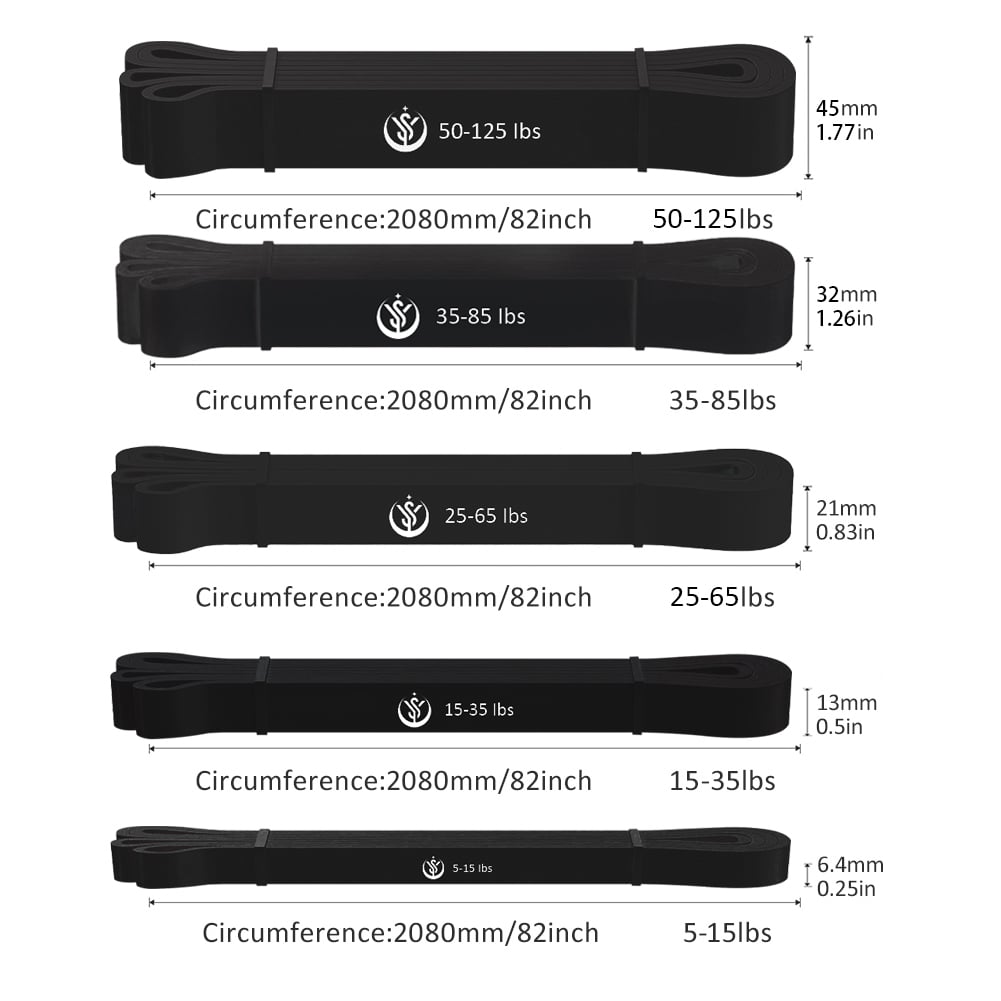
A pull up assist band is one of the most practical tools a trainer or gym-goer can use to build genuine, lasting strength. Whether you are just starting your fitness journey or working to increase your total volume and rep count, the pull up assist band provides the right level of support to help you progress safely. It reduces the effective load during each repetition, allowing your muscles to learn the correct movement pattern without compensation or injury risk.
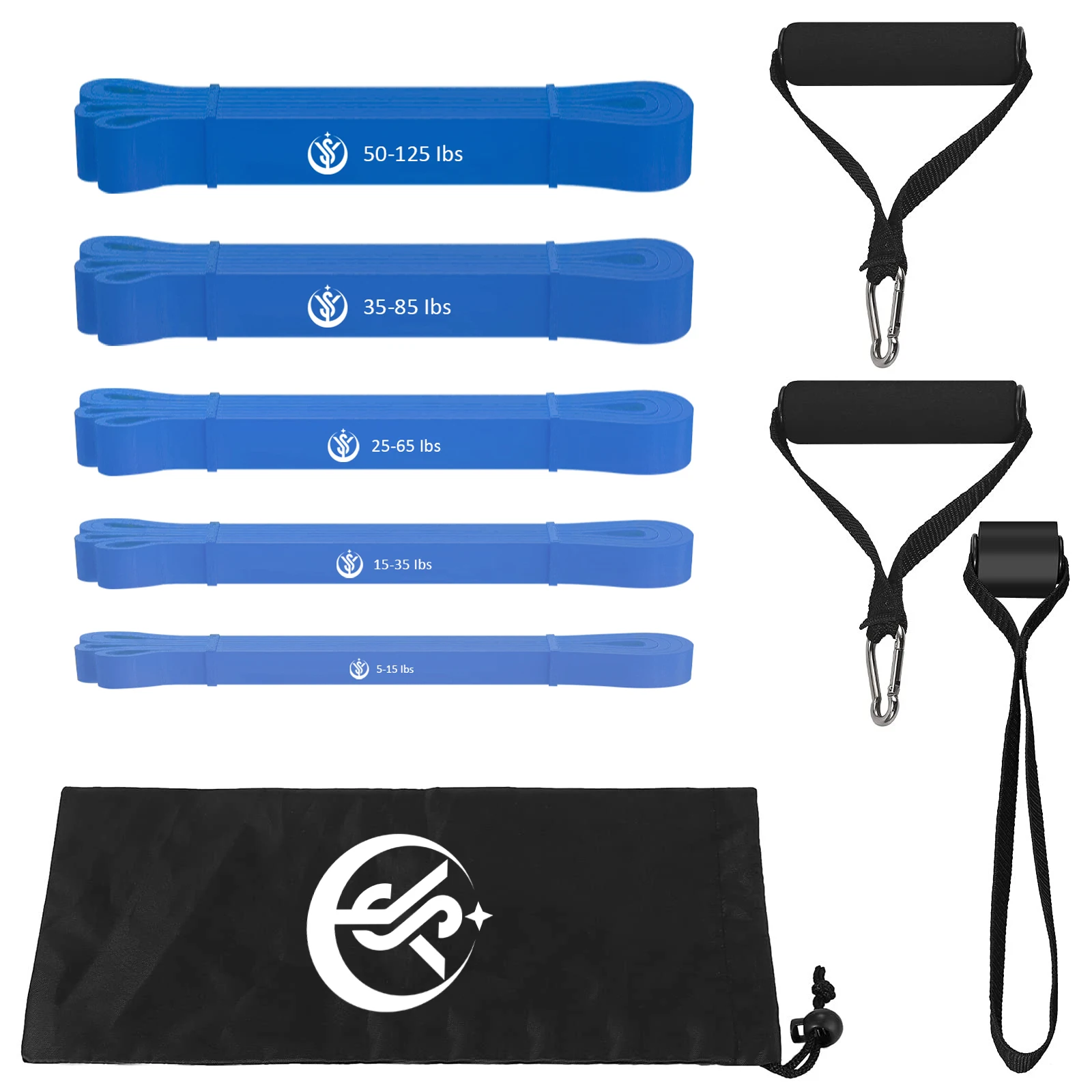
Fitness progression is never linear, and having tools that match your current ability level while still challenging you forward is essential. The pull up assist band serves exactly this purpose. Available in multiple resistance levels, a pull up assist band allows athletes to systematically reduce the amount of assistance over time, creating a structured and measurable path toward unassisted pull ups and advanced upper-body strength benchmarks. This article explores how pull up assist band workouts are designed to drive real, sustainable fitness progression.
How the Pull Up Assist Band Creates Progressive Resistance
The Mechanics Behind Band-Assisted Training
The pull up assist band functions by storing and releasing elastic energy as you move through the range of motion. When you step or loop your knee into the pull up assist band and lower into a dead hang, the band stretches and creates an upward force that partially offsets your body weight. This means you complete the full pull up movement while only lifting a fraction of your total weight. The pull up assist band offers the most help at the bottom of the movement where most beginners struggle, and gradually releases tension as you approach the bar, training your muscles through the entire arc.
This mechanical advantage is what makes the pull up assist band so valuable for progression. Rather than skipping the hardest phase of the movement, you are still exposed to it every single rep. Over weeks of consistent training with a pull up assist band, your muscles, tendons, and connective tissues adapt to the full pull up pattern.
Resistance Levels and Systematic Deloading
A pull up assist band set typically includes bands ranging from light to heavy resistance, often spanning from around five pounds to over one hundred pounds of assistance. Beginners typically start with a heavier pull up assist band to reduce load significantly and focus on form. As strength increases, the athlete transitions to a lighter pull up assist band, which provides less assistance and demands more muscular output. This process of systematic deloading is how the pull up assist band directly maps to fitness progression. Each band level represents a measurable milestone on the way to full bodyweight pull ups.
Pull Up Assist Band Workouts for Every Training Stage
Beginner Workouts with Heavy Band Support
At the beginner stage, the pull up assist band is used to build foundational pulling strength. A typical beginner pull up assist band workout might include three to four sets of five to eight repetitions with a heavy resistance band, focusing on scapular retraction, a straight body line, and controlled descent. The pull up assist band removes enough load to allow proper muscle recruitment from the start. Training with a pull up assist band at this stage also helps establish good habits, like avoiding kipping and maintaining shoulder stability, which carry forward as load increases.
Complementing pull up assist band sets with bodyweight rows and dead hangs accelerates strength development. The pull up assist band remains the centerpiece because it trains the exact movement pattern, but accessory work fills in any muscular gaps.
Intermediate and Advanced Progressions
At the intermediate level, athletes typically alternate between a medium-resistance pull up assist band and a light pull up assist band within the same training week. This approach develops strength at multiple load points and avoids strength plateaus. An intermediate pull up assist band workout may include five sets of six to ten reps with a medium band on heavier days, and three sets with a light pull up assist band on volume days. This dual-band strategy with a pull up assist band forces consistent adaptation without overreaching.
Advanced athletes can use the pull up assist band to increase total training volume without accumulating excessive fatigue. By performing additional sets with a light pull up assist band after completing unassisted pull ups, athletes drive muscular endurance and improve work capacity. The pull up assist band at this stage becomes a recovery and volume tool rather than a primary strength crutch. This shift in how the pull up assist band is used reflects the athlete's progress and keeps training varied and effective.
The Role of the Pull Up Assist Band in Long-Term Fitness Goals
Tracking and Measuring Band-Based Progress
One of the clearest advantages of training with a pull up assist band is that progress is directly trackable. Because each pull up assist band level corresponds to a specific resistance value, athletes can log which pull up assist band they used, how many reps they completed, and how the movement felt. Over time, this data reveals a clear pattern of improvement. Moving from a heavy pull up assist band to a medium pull up assist band, and then to a light pull up assist band, is a concrete and motivating measure of growing strength. This kind of tangible milestone is something a pull up assist band uniquely provides compared to machine-assisted alternatives.
Injury Prevention and Training Longevity
Jumping into full bodyweight pull ups too early is a common cause of shoulder and elbow injuries. The pull up assist band helps athletes build the supporting musculature around the shoulder joint before exposing it to full load. Training consistently with a pull up assist band strengthens the rotator cuff, the biceps tendon, and the surrounding stabilizer muscles in a gradual way. This means that by the time an athlete stops using the pull up assist band regularly, their joints are better prepared for the demands of unassisted work. The pull up assist band essentially extends an athlete's long-term training life by preventing setbacks that stem from premature load increases. Incorporating a pull up assist band into a long-term fitness plan is not a shortcut but a smart, evidence-aligned strategy.
FAQ
How often should I train with a pull up assist band to see progression?
Training with a pull up assist band two to three times per week provides enough frequency for muscular adaptation while allowing adequate recovery. Consistent pull up assist band sessions over six to twelve weeks typically yield noticeable strength gains and a reduction in the band resistance needed.
Can the pull up assist band be used for exercises other than pull ups?
Yes, the pull up assist band is versatile enough to support push-ups, dips, squats, and resistance stretching routines. The same elastic properties that assist a pull up assist band workout for upper-body training can be applied to lower-body and mobility work, making it a multi-purpose fitness tool.
When should I move from one pull up assist band level to the next?
When you can complete three to four sets of eight to ten clean repetitions with a given pull up assist band without significant form breakdown, it is generally time to move to the next lighter pull up assist band. This ensures progression is earned rather than rushed, and that each pull up assist band level genuinely prepares you for the one below it.