 EN
EN


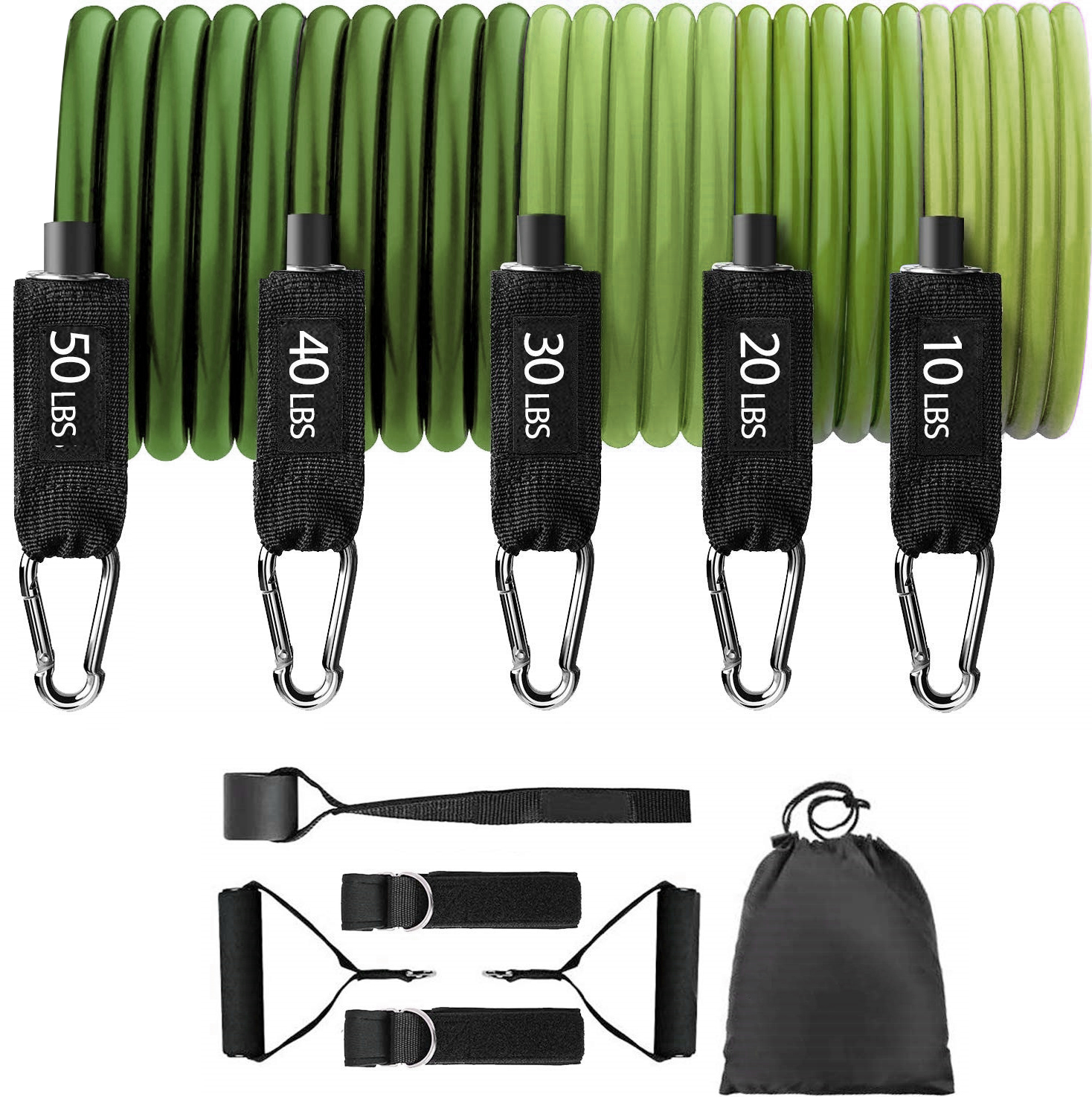
The private label fitness market has grown significantly over the past decade, and one product category sitting at the center of that growth is the resistance tube. Lightweight, versatile, and affordable to produce at scale, a resistance tube is one of the most practical items a fitness brand can add to its product line. Whether you are launching a new brand or expanding an existing one, understanding how a resistance tube fits into a private label strategy is essential for making informed sourcing decisions.
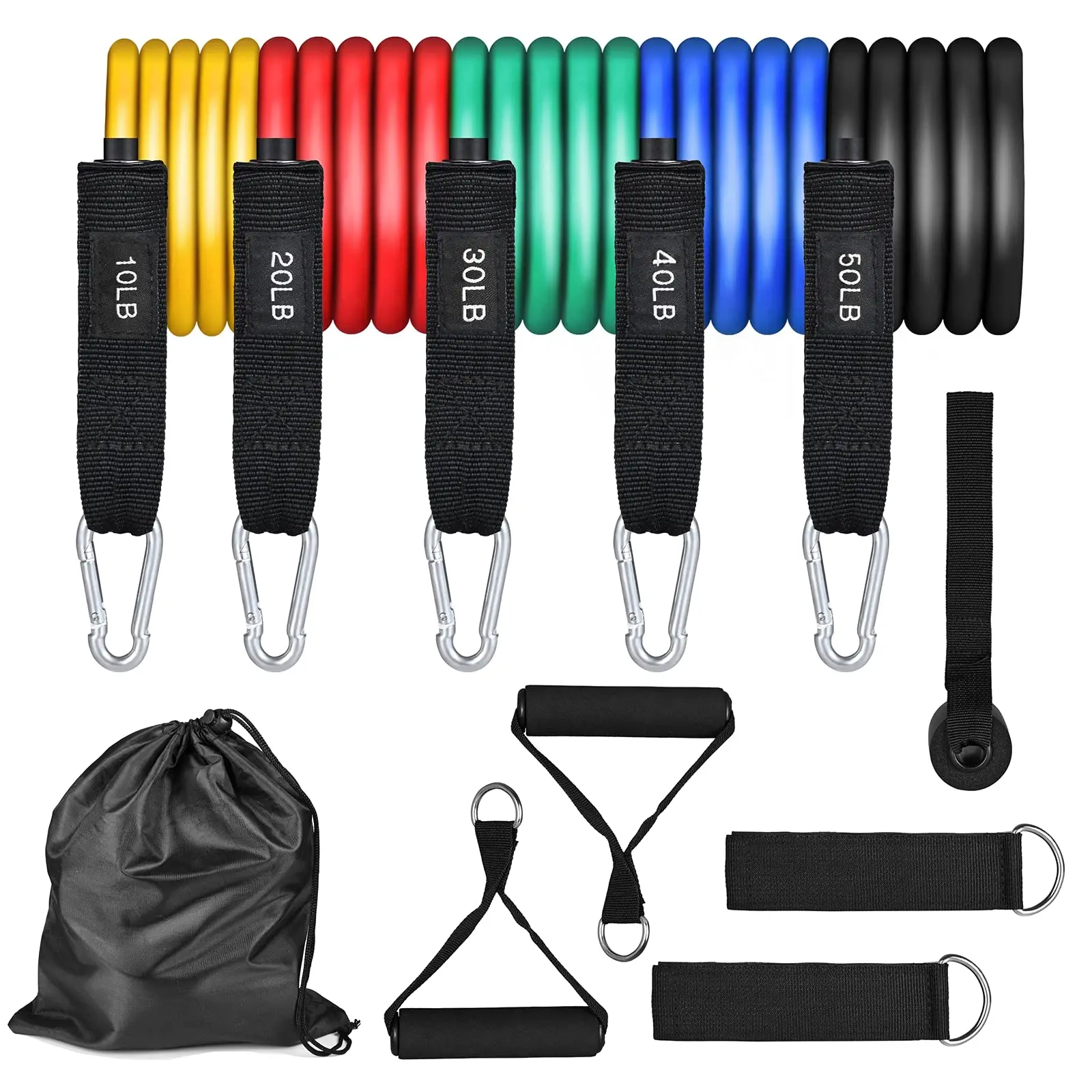
Private label businesses thrive when they can offer products that carry genuine perceived value while maintaining healthy margins. A resistance tube checks both boxes. The production cost of a resistance tube is relatively low, yet consumers associate resistance tube products with functional training, rehabilitation, and professional-grade home workouts. This combination of low overhead and strong market demand makes the resistance tube an ideal product for businesses building their own fitness brand identity.
Why the Resistance Tube Fits Private Label Models
Market Demand and Consumer Appeal
The demand for home fitness equipment surged in recent years, and the resistance tube remained one of the most searched and purchased items throughout that period. Consumers at all fitness levels use a resistance tube for strength training, mobility work, stretching, and rehabilitation. Because a resistance tube appeals to a broad demographic — from beginners to experienced athletes — private label businesses can position their branded resistance tube across multiple customer segments without needing entirely different product lines. This broad appeal reduces the marketing complexity for new brands and increases the potential sales volume per SKU.
Margin Potential and Scalability
When sourced through wholesale or OEM channels, a resistance tube offers one of the stronger margin structures in the fitness accessories category. The materials used in a standard resistance tube — primarily natural latex or TPE — are cost-effective at volume, and the manufacturing process is well-established. This means that as your private label order volumes grow, the per-unit cost of each resistance tube decreases, directly improving your margin. Scalability is a core requirement for any private label model, and the resistance tube supply chain supports that growth efficiently.
OEM and Custom Branding Options for Resistance Tube Products
Customization Scope for Private Label Buyers
A major advantage of sourcing a resistance tube through OEM suppliers is the level of customization available. Most professional resistance tube manufacturers can accommodate branded packaging, custom color schemes, logo printing, and resistance level labeling. A resistance tube set, for example, can be packaged in a branded carry bag with your company logo printed on both the resistance tube itself and the outer packaging. This level of branding consistency is what separates a private label resistance tube product from a generic resell, and it directly impacts how customers perceive your brand in a competitive market.
Beyond surface branding, many suppliers allow buyers to specify the resistance tube specifications — including diameter, length, resistance level range, and material composition. This means your private label resistance tube can be differentiated not only visually but also functionally. Offering a resistance tube in a wider resistance range or with ergonomic handles that are unique to your brand gives customers a reason to stay loyal rather than switching to a generic alternative. When every resistance tube in your line reflects a deliberate design choice, your brand equity grows accordingly.
Minimum Order Quantities and Production Flexibility
One concern many new private label businesses have is whether OEM suppliers require excessively large orders to produce a custom resistance tube. The good news is that the resistance tube category is one where many manufacturers offer relatively accessible minimum order quantities, especially for established product formats. A standard resistance tube set with five resistance levels is a proven format that manufacturers produce regularly, meaning tooling and material costs are already absorbed. This makes it easier for smaller private label brands to enter the market with a custom resistance tube line without committing to warehouse-filling inventory from the start.
Building a Fitness Brand Around Resistance Tube Products
Product Line Depth and Upsell Opportunities
A resistance tube is rarely purchased in isolation. Most serious buyers want a resistance tube set that covers multiple resistance levels, allowing them to progress their training over time. For private label businesses, this creates a natural upsell structure. You can position an entry-level resistance tube as your introductory product and offer a premium resistance tube set as your flagship offering. Accessories such as door anchors, ankle straps, and resistance tube bags can be bundled under your brand to increase average order value. This layered product strategy is one of the most effective ways to build long-term revenue from a resistance tube-based product line.
Positioning and Target Market Alignment
The resistance tube market includes multiple distinct buyer personas — physical therapy clients, gym members seeking portable equipment, travelers who need a compact resistance tube for workouts on the road, and older adults focused on low-impact strength training. A smart private label brand identifies which resistance tube buyer persona aligns with its overall brand positioning and creates messaging, packaging, and resistance tube specifications accordingly. A resistance tube marketed toward rehabilitation will emphasize safety and medical-grade materials, while a resistance tube marketed toward performance athletes will highlight heavy resistance levels and durability. Clarity of positioning is what turns a resistance tube product into a trusted brand asset.
FAQ
Can a small business start a private label line with just one resistance tube SKU?
Yes. Many suppliers support small private label entries with a single resistance tube SKU. Starting with a well-chosen resistance tube set format allows you to test branding and market response before expanding the line. A single resistance tube product with strong branding can establish brand recognition before you scale.
What certifications should a private label resistance tube meet?
For most markets, a resistance tube should meet relevant safety and material standards such as CE marking in Europe or ASTM compliance in North America. If your resistance tube is positioned for rehabilitation use, additional medical device guidance may apply. Always confirm the certification status of your resistance tube with your supplier before finalizing orders.
How long does it take to produce a custom resistance tube order?
Production lead time for a custom resistance tube order typically ranges from 30 to 60 days depending on customization complexity, order volume, and the supplier's current capacity. Packaging design approval is often the step that adds the most time to a resistance tube order, so having your branding assets ready early helps keep the resistance tube production timeline on track.