 EN
EN


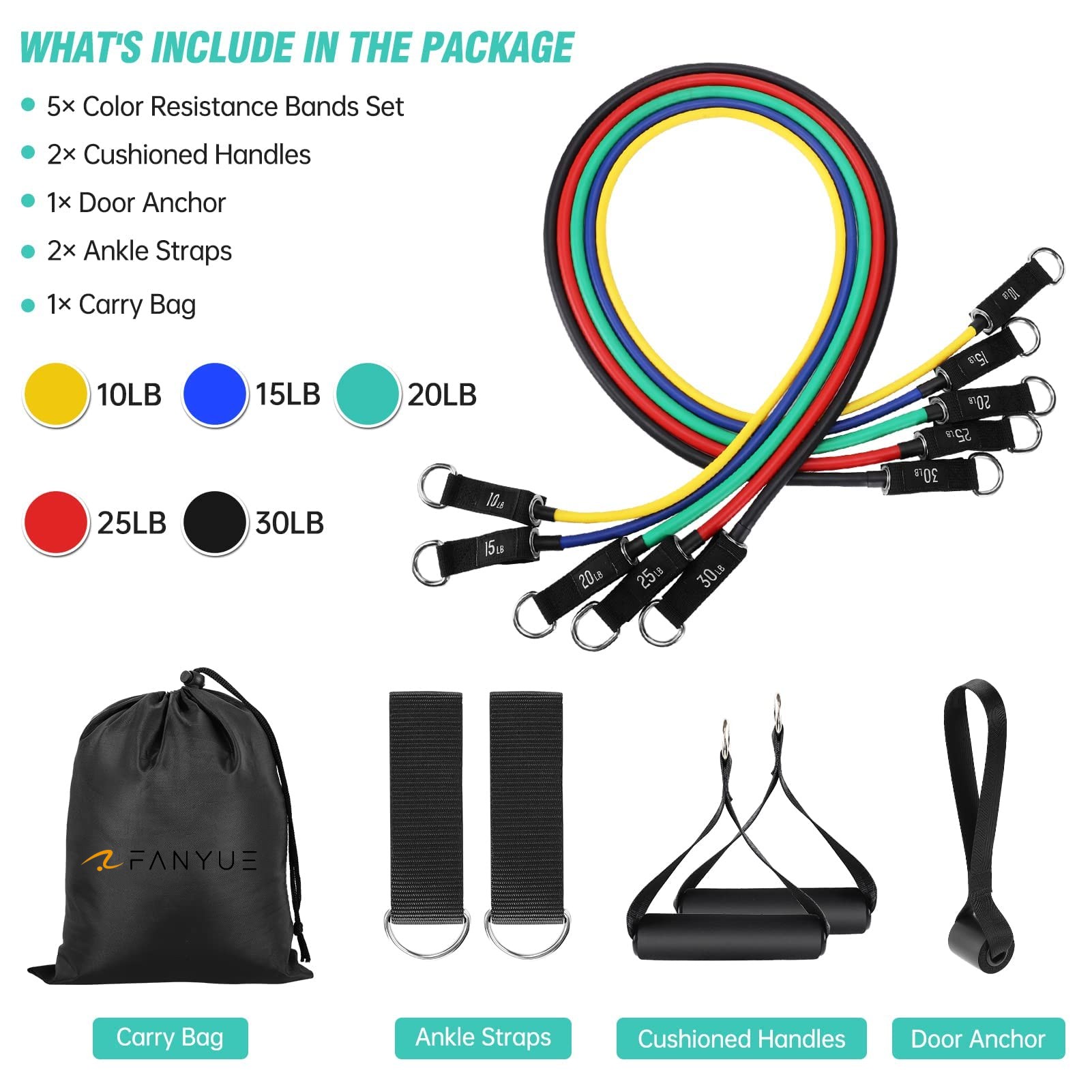
Physical therapists are highly selective about the tools they bring into clinical practice. Among the many rehabilitation aids available today, the resistance tube has earned a consistent place in treatment plans across orthopedic, neurological, and sports rehabilitation settings. Its versatility, safety profile, and clinical effectiveness make it one of the most trusted tools in a therapist's toolkit. Understanding why professionals choose the resistance tube reveals a great deal about how effective rehabilitation actually works.
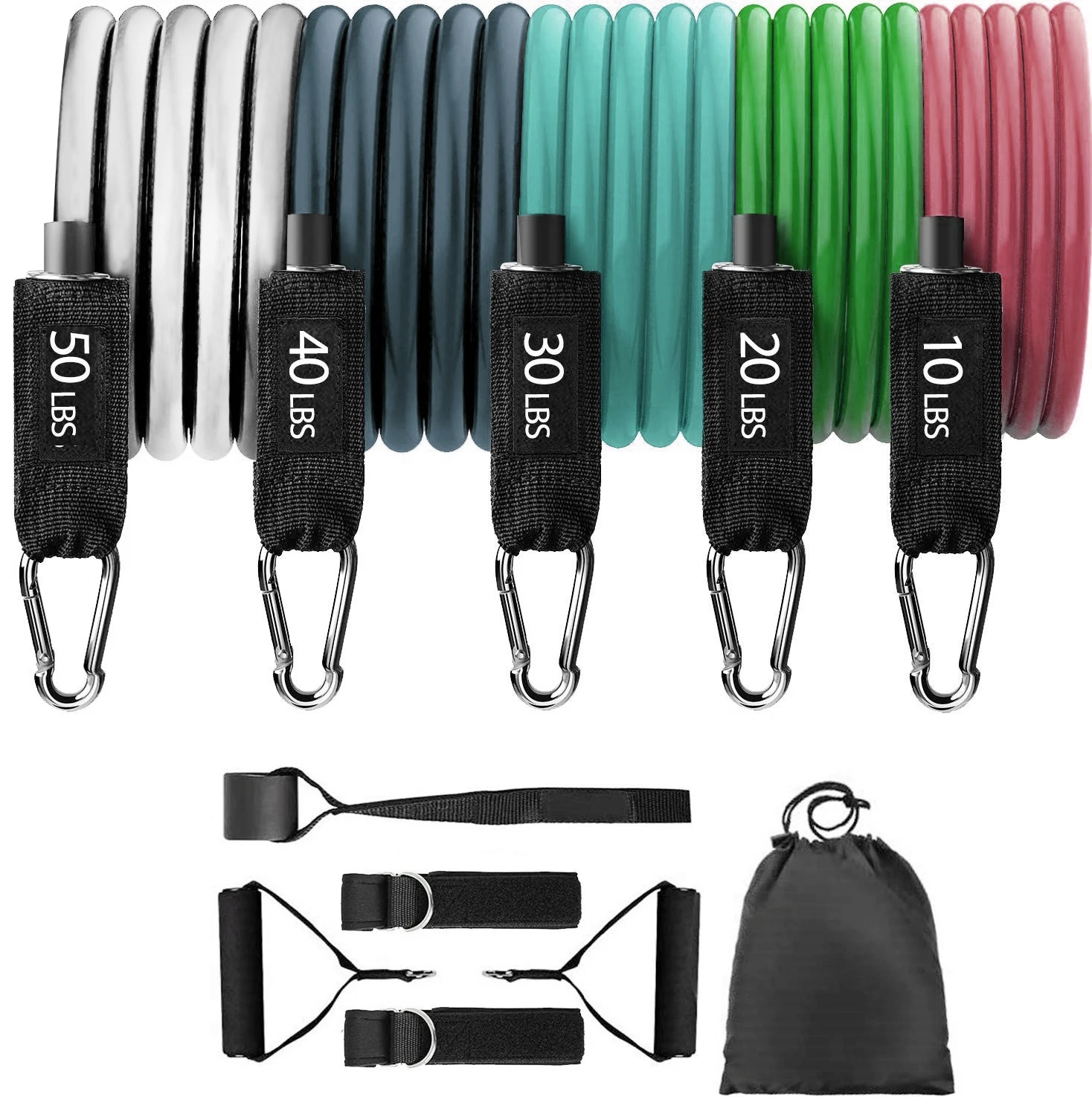
The recommendation of resistance tube exercises is not simply a trend. It is grounded in decades of clinical evidence, biomechanical research, and patient outcome data. When a physical therapist prescribes resistance tube work, they are applying a purposeful, science-backed approach to movement restoration and functional strength. This article explores the core reasons why physical therapists so consistently turn to the resistance tube as their tool of choice for patients across age groups and conditions.
The Clinical Value of Resistance Tube Training
Progressive Loading Without Joint Stress
One of the primary reasons physical therapists recommend the resistance tube is its ability to provide progressive resistance without placing excessive compressive force on joints. Unlike free weights or machines, the resistance tube offers elastic resistance that increases as the tube is stretched. This means resistance is highest at the end of the movement range, where muscle engagement peaks, making each exercise more efficient. For patients recovering from joint surgeries, tendon injuries, or arthritis flares, the resistance tube allows strengthening without the impact or shear forces associated with heavier equipment.
Physical therapists also value the resistance tube because resistance can be adjusted instantly by choosing a different tube tension or modifying the anchor point. This gives clinicians precise control over load progression, which is critical during early-stage recovery when tissues are still healing. A resistance tube session can be tailored to the exact capacity of each individual patient on any given day, making it far more adaptable than fixed-weight equipment.
Neuromuscular Activation and Stability Training
The resistance tube is particularly effective at activating stabilizer muscles that are often overlooked by machine-based training. Because a resistance tube does not move on a fixed track, the body must recruit surrounding stabilizer muscles to control movement quality. Physical therapists use the resistance tube to retrain neuromuscular control after injury, especially in cases involving shoulder instability, knee ligament repair, and ankle sprains. This makes resistance tube training highly functional and directly transferable to daily movement patterns.
Broad Application Across Patient Populations
Rehabilitation for Orthopedic and Post-Surgical Patients
Physical therapists treating post-surgical patients depend on the resistance tube for phased rehabilitation protocols. After procedures such as rotator cuff repair, ACL reconstruction, or hip replacement, patients must rebuild strength gradually. The resistance tube allows therapists to design multi-phase programs that begin with low-load, high-repetition resistance tube exercises and progress toward functional strength work over weeks. The low-risk profile of resistance tube training means patients can exercise more frequently without excessive recovery demands, accelerating their overall rehabilitation timeline.
Beyond surgery recovery, physical therapists also use the resistance tube with chronic pain populations, including patients managing lower back pain, fibromyalgia, and degenerative joint conditions. The gentle, controllable nature of resistance tube exercises helps these patients build strength and mobility without triggering pain flares, making consistent exercise more achievable.
Effectiveness With Older Adults and Pediatric Patients
Physical therapists who work with older adults regularly recommend resistance tube exercises because they are safe, easy to grip, and highly effective for improving functional strength and balance. Older patients often find resistance tube movements intuitive and less intimidating than gym equipment. The resistance tube can be used seated, standing, or lying down, making it suitable even for patients with limited mobility or balance impairments. Research consistently supports resistance tube training as an effective tool for fall prevention in aging populations, which is a major rehabilitation priority.
In pediatric rehabilitation, the resistance tube is valued for its versatility and the ability to make exercises feel engaging rather than clinical. Young patients recovering from sports injuries or developmental conditions often respond better to resistance tube exercises than to adult-style gym training, improving compliance and long-term outcomes.
Practical Advantages That Support Compliance and Home Exercise
Portability and Accessibility for Home Programs
A resistance tube is lightweight, compact, and easy to transport, which makes it the ideal tool for home exercise programs. Physical therapists depend on patient compliance between clinic sessions to achieve meaningful outcomes. When a therapist sends a patient home with a resistance tube and a structured program, the patient can perform multiple daily exercises without requiring any additional equipment or large training space. This dramatically increases the frequency of therapeutic movement, which directly supports faster recovery and stronger long-term functional gains.
The accessibility of a resistance tube also removes financial and logistical barriers. Patients do not need a gym membership or expensive equipment to maintain their program. A single resistance tube or a small set of tubes at varying tensions gives patients all the tools they need to follow a comprehensive home exercise routine prescribed by their physical therapist.
Versatility Across Movement Planes and Exercise Types
Physical therapists recommend the resistance tube because it can be used to target virtually every major muscle group across all planes of motion. A resistance tube can be anchored to a door, wrapped around a post, held underfoot, or used with a partner, enabling exercises that replicate pushing, pulling, rotating, and hip-hinging movements. This versatility means a physical therapist can build complete, full-body rehabilitation programs using a resistance tube alone, reducing the need for complex equipment setups and simplifying the patient experience.
FAQ
What makes a resistance tube different from a flat resistance band?
A resistance tube is a cylindrical elastic tool, typically with handles attached at each end, while a flat resistance band is a wide, flat strip of elastic material. Physical therapists often prefer the resistance tube for upper body and pulling exercises because the handles allow a firmer grip and more controlled movements. The resistance tube is also easier to anchor and use in standing positions, making it better suited for functional rehabilitation exercises.
How do physical therapists choose the right resistance tube tension for a patient?
Physical therapists select resistance tube tension based on the patient's current strength level, the target muscle group, and the phase of rehabilitation. They typically start patients at a tension where they can complete 12 to 15 repetitions with good form before fatigue sets in. As the patient progresses, the therapist advances to a heavier resistance tube or adjusts the exercise mechanics to increase load. Most resistance tube sets come in multiple color-coded tension levels to simplify this progression.
Can a resistance tube be used for full-body training outside of rehabilitation?
Yes, a resistance tube is highly effective for general fitness and full-body strength training beyond clinical rehabilitation. Many fitness professionals use the resistance tube for warm-up activation, strength circuits, and mobility work. Because a resistance tube can be used to mimic pressing, rowing, squatting, and rotation movements, it supports complete muscular development. A stackable resistance tube set allows users to combine multiple tubes for greater tension, making progressive overload possible even for more advanced trainees.