 EN
EN


Postnatal recovery is one of the most physically demanding transitions a person can experience, and choosing the right tools for rehabilitation matters enormously. A yoga ball is increasingly recognized by fitness professionals and physiotherapists as a safe, versatile, and highly effective aid during the postpartum period. Whether recovering from a vaginal birth or a caesarean section, new mothers can use a yoga ball to gently reintroduce movement, rebuild weakened muscles, and ease the physical discomforts that follow childbirth.
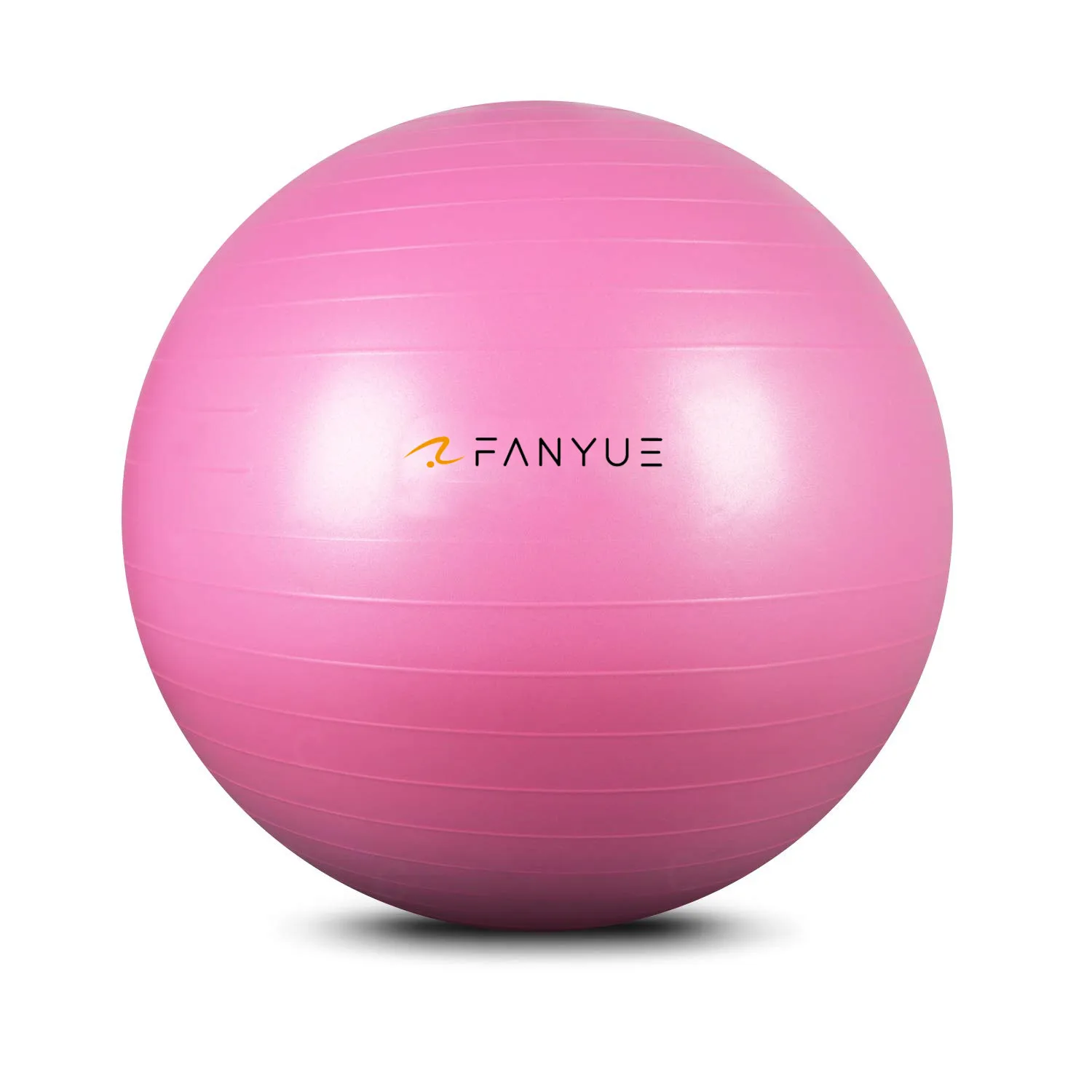
The short answer is yes — a yoga ball can absolutely support postnatal recovery programs when used correctly and with appropriate guidance. The yoga ball offers low-impact resistance, promotes gentle spinal decompression, and encourages the kind of mindful, controlled movement that recovering bodies need. This article explores how the yoga ball functions within postnatal rehabilitation, which muscle groups it targets, and how to integrate it safely and progressively into a structured recovery plan.
How a Yoga Ball Supports Postnatal Healing
Gentle Core Activation Without Overloading
After childbirth, the deep core muscles — including the transverse abdominis and pelvic floor — are significantly weakened. Traditional abdominal exercises like crunches can place excessive intra-abdominal pressure on these vulnerable structures too soon. A yoga ball allows a new mother to engage the core gently by simply sitting and maintaining balance. Every small stabilizing movement on a yoga ball activates deep postural muscles without the strain associated with conventional floor-based core exercises. This passive engagement is exactly what early-stage postnatal rehabilitation requires.
Seated bouncing on a yoga ball is another technique that experienced postnatal trainers frequently recommend. The rhythmic motion encourages pelvic floor awareness, promotes circulation in the lower body, and supports gentle muscle recruitment throughout the lumbar and abdominal regions. Using a yoga ball for even fifteen minutes of seated movement per day during the early recovery weeks can meaningfully accelerate functional restoration of the core.
Spinal Decompression and Back Pain Relief
Back pain is one of the most commonly reported complaints among postpartum women, partly due to the biomechanical shifts that occur during pregnancy and partly because of the physical demands of infant care. A yoga ball provides a dynamic seating surface that naturally encourages an upright, neutral spinal posture. Unlike rigid chairs that promote slouching and spinal compression, sitting on a yoga ball demands subtle postural adjustments that relieve pressure on the lumbar vertebrae. Many postnatal physiotherapy clinics include yoga ball sitting as a standard recommendation for back pain management during recovery. The yoga ball effectively turns passive rest time into low-grade therapeutic movement, delivering consistent benefit without requiring deliberate exercise sessions.
Yoga Ball Exercises That Are Safe Postnatally
Wall-Supported Squats and Hip Mobility Work
One of the most effective postnatal yoga ball exercises involves placing the yoga ball between the lower back and a wall, then performing slow, shallow squats. This exercise rebuilds gluteal strength, restores hip mobility, and re-engages the muscles of the inner thigh — all of which weaken considerably during pregnancy and delivery. The yoga ball acts as a stabilizing buffer that reduces joint loading and provides kinesthetic feedback, making the squat safe for even those in the early postnatal phase. The yoga ball also ensures that spinal alignment is maintained throughout the movement, preventing the compensatory patterns that often lead to secondary injury.
Hip circles and gentle rocking exercises on a yoga ball are equally valuable at this stage. Sitting on the yoga ball and rotating the hips slowly in circular patterns mobilizes the sacroiliac joint, eases residual pelvic tension, and promotes the restoration of normal gait mechanics. These movements are particularly beneficial for mothers who experienced pelvic girdle pain during pregnancy, as the yoga ball provides a supportive and controllable surface for movement exploration.
Pelvic Floor Integration with Yoga Ball Breathing
Deep breathing combined with yoga ball sitting is a powerful strategy for pelvic floor recovery. When a new mother sits on a yoga ball and performs diaphragmatic breathing, the downward movement of the diaphragm on inhalation naturally coordinates with a gentle lengthening of the pelvic floor. On exhalation, a deliberate lift and engagement of the pelvic floor muscles can be practiced in sync with the breath. This coordinated breathing and engagement pattern, performed consistently on a yoga ball, accelerates neuromuscular reconnection between the breath, diaphragm, and pelvic floor — a connection that is often disrupted by pregnancy and delivery. Postnatal yoga practitioners and women's health physiotherapists widely endorse the yoga ball as an ideal tool for this foundational breath-based recovery work.
Integrating the Yoga Ball Into a Postnatal Program
Progression and Safety Considerations
Introducing a yoga ball into a postnatal recovery program should follow a careful progression. During the first two to four weeks after delivery, a yoga ball is best used for passive seated movement, breathing exercises, and gentle rocking. Between weeks four and eight, light stability work such as the wall squat and hip circles can be added. After the six-week postpartum check, when clearance from a healthcare provider has been obtained, more dynamic yoga ball exercises such as bridges with the yoga ball under the feet, or prone back extensions over the yoga ball, can be incorporated. The yoga ball accommodates this phased progression naturally because it can be used at low intensity in the earliest stages and scaled up to provide meaningful resistance and instability challenge as strength returns.
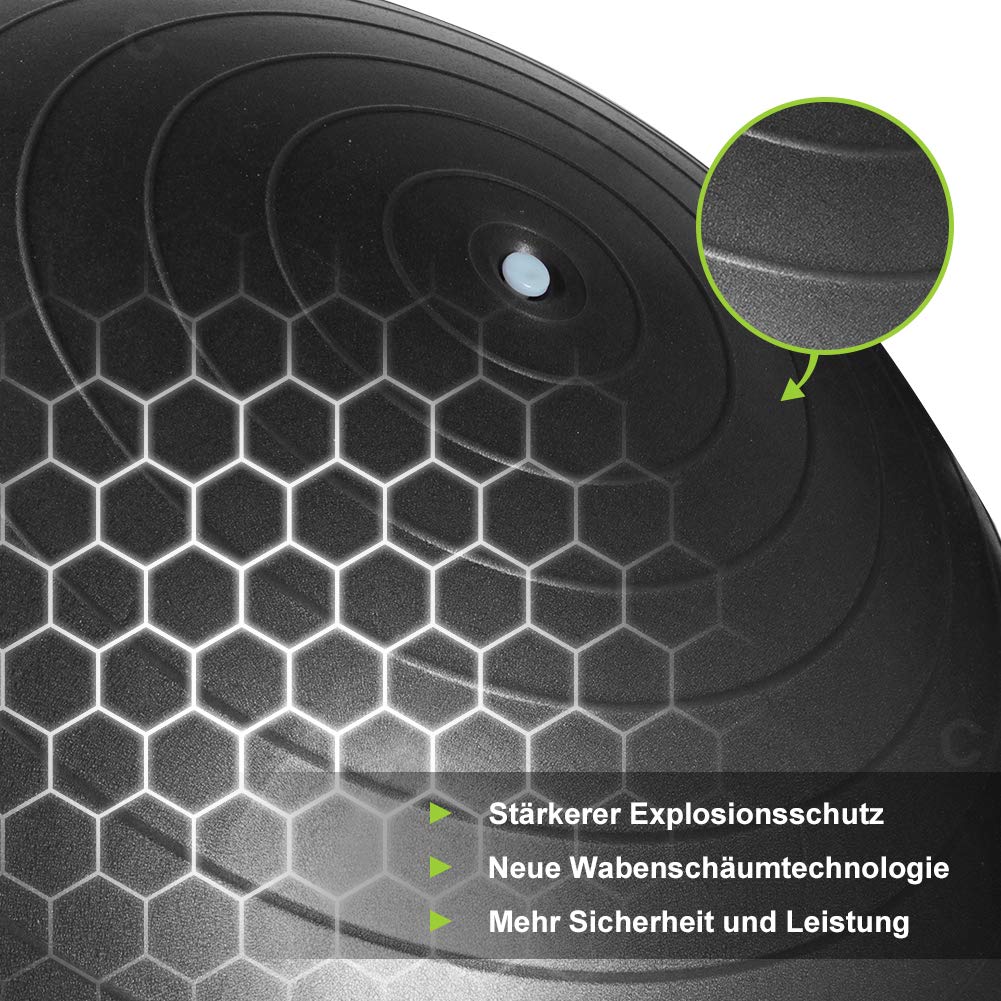
One practical consideration is choosing the correct yoga ball size. A 65 cm yoga ball is generally appropriate for individuals between 160 cm and 175 cm in height, and it ensures that hip and knee joints are at a ninety-degree angle when seated. An anti-burst yoga ball made from high-quality PVC is strongly recommended for postnatal use, as it provides the structural reliability and safety margin that this population requires. The yoga ball should be inflated to a firmness level that allows slight compression under body weight without feeling unstable, giving the user both support and the gentle proprioceptive challenge that drives rehabilitation progress.
Building Consistency for Long-Term Recovery
Consistency is more important than intensity in postnatal recovery, and a yoga ball makes consistency easier to achieve. Because a yoga ball can be used while feeding an infant, watching a child, or simply resting, it integrates into daily life without requiring dedicated exercise time. Replacing a standard chair with a yoga ball during parts of the day means that postural training and low-level core engagement are happening continuously. Over weeks and months, this cumulative effect translates into meaningful improvements in posture, core strength, pelvic stability, and overall functional fitness. The yoga ball is not just an exercise tool — it is a daily rehabilitation partner for postpartum recovery.
FAQ
When can I start using a yoga ball after giving birth?
Most new mothers can begin gentle seated yoga ball use — such as sitting, rocking, and breathing exercises — within the first week after a straightforward vaginal delivery. Those recovering from a caesarean section should wait until incision discomfort allows comfortable seated posture, typically around two to three weeks. Always consult your midwife, obstetrician, or physiotherapist before beginning any yoga ball exercise program postnatally.
Is a yoga ball safe after a C-section?
A yoga ball can be safe after a C-section when used appropriately and after receiving medical clearance. In the early weeks, using a yoga ball strictly for seated rest, gentle breathing, and very light movement is appropriate. Exercises that involve direct core loading or abdominal engagement should be delayed until the abdominal incision has healed adequately and a healthcare professional confirms readiness. The yoga ball remains a gentle and supportive tool even within these restrictions.
How long should I use a yoga ball for postnatal recovery?
The duration of yoga ball use in postnatal recovery depends on individual goals and progress. Many women find the yoga ball valuable throughout the entire first year postpartum, progressively increasing exercise complexity as strength improves. Even beyond active rehabilitation, the yoga ball continues to offer postural benefits, making it a worthwhile long-term fitness investment rather than a short-term recovery tool.