 EN
EN


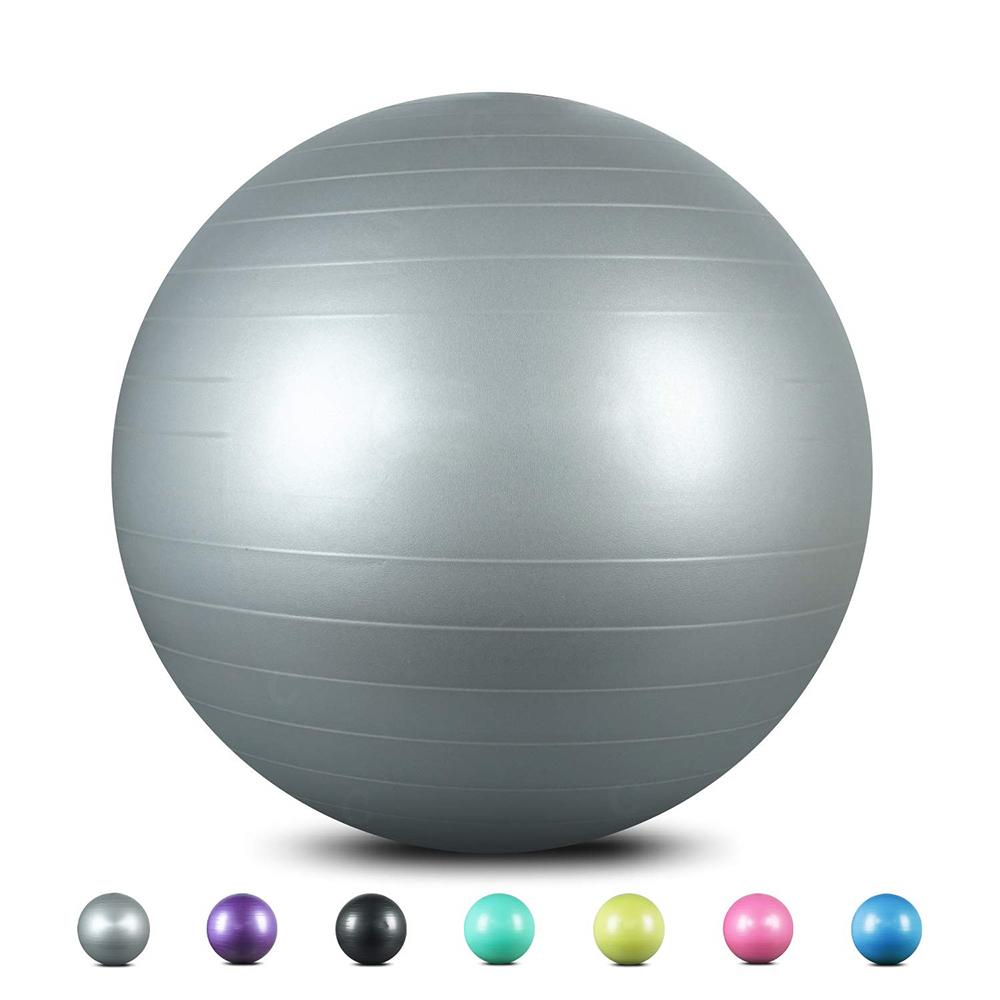
A yoga ball is one of the most versatile and effective tools available for improving overall body stability. Whether you are a beginner building foundational strength or an experienced athlete refining your movement quality, the yoga ball introduces an unstable surface that forces your body to recruit deep stabilizing muscles with every single exercise. This dynamic element is what sets yoga ball training apart from conventional floor-based workouts.
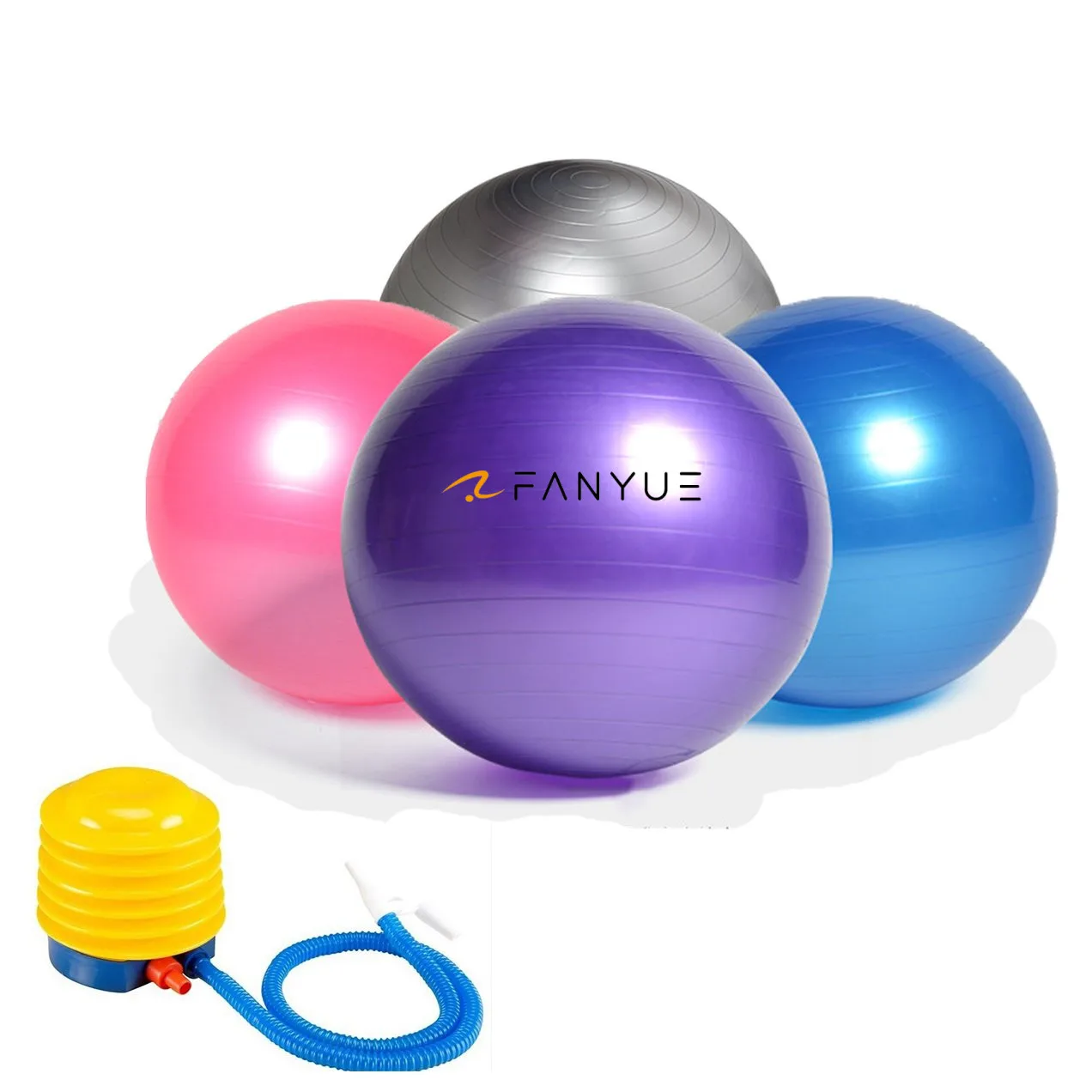
The yoga ball challenges your neuromuscular system in ways that flat surfaces simply cannot. When you sit, stand, or perform movements on a yoga ball, your body must continuously make micro-adjustments to maintain balance. Over time, these adjustments build functional stability that translates directly into better posture, injury prevention, and athletic performance. Understanding how the yoga ball achieves this can help you structure a more purposeful and effective training routine.
Core Activation Through Yoga Ball Training
Why the Unstable Surface Matters
The defining feature of the yoga ball is its round, inflatable surface. Unlike a weight bench or a flat mat, the yoga ball never stays perfectly still. Every time you place your body on or against a yoga ball, your core muscles must engage immediately to prevent you from rolling or falling. This constant demand for stabilization turns even basic movements into core-strengthening exercises.
Research in sports science consistently shows that performing exercises on unstable surfaces like the yoga ball significantly increases activation in the transverse abdominis, multifidus, and oblique muscles. These are the deep core muscles responsible for spinal stability. When trained regularly with a yoga ball, these muscles develop strength and endurance that protect your lower back and improve your posture throughout the day.
Functional Core Strength for Everyday Movement
Using a yoga ball for core training does not just build visible abdominal muscles. It builds functional strength, meaning the kind of stability your body needs during real-life activities like lifting, bending, and reaching. A yoga ball plank, for example, requires far greater core engagement than a standard floor plank because your forearms or feet rest on an unstable base. This forces your entire trunk to work continuously to hold the position steady.
Exercises such as yoga ball crunches, rollouts, and pike movements all emphasize core activation in a way that translates to better full-body control. Incorporating the yoga ball into your weekly routine accelerates core development and lays the foundation for improved stability across all movement patterns.
Balance and Proprioception Development
How the Yoga Ball Trains Your Balance System
Balance is not just a physical quality. It depends heavily on proprioception, which is your body's ability to sense its position in space. The yoga ball is uniquely effective at training proprioception because it provides constant sensory feedback. When you perform squats, hip bridges, or seated exercises on a yoga ball, the receptors in your muscles, tendons, and joints are continuously stimulated. This trains your nervous system to respond faster and more accurately to changes in body position.
Improved proprioception from yoga ball training leads to better joint stability in the ankles, knees, and hips. This is particularly valuable for athletes returning from injuries, older adults managing balance decline, and anyone who wants to move with greater confidence and control. The yoga ball essentially acts as a training tool for your nervous system, not just your muscles.
Progressive Balance Challenges with a Yoga Ball
One of the great strengths of the yoga ball is how easily it allows for progressive training. A beginner might start by simply sitting on the yoga ball and maintaining an upright posture, which alone challenges the stabilizers. As fitness improves, the same person can progress to single-leg sits, dynamic reaches, or complex movement combinations on the yoga ball. This progression ensures the balance system is continually challenged and never adapts to a plateau.
Adding resistance in the form of light dumbbells while using the yoga ball creates compound stability challenges that develop balance and strength simultaneously. This combination is especially effective for building whole-body coordination that static machines or flat-surface training simply cannot replicate.
Full-Body Muscle Coordination and Posture Alignment
Improving Muscle Coordination Across the Kinetic Chain
Stability is not the result of any single muscle working in isolation. It is the product of coordinated effort across the entire kinetic chain, from the feet all the way to the shoulders and neck. The yoga ball is exceptionally effective at promoting this kind of integrated muscle coordination. When you perform a yoga ball wall squat, for example, the exercise engages your glutes, hamstrings, quadriceps, core, and even upper back simultaneously. Every segment of the body must work in harmony to maintain proper alignment and control throughout the movement.
This full-body coordination training is what makes the yoga ball so valuable for general fitness and rehabilitation alike. Physical therapists frequently use the yoga ball to retrain movement patterns after injury because it gently forces the body to relearn how muscles should coordinate during functional activities. Regular yoga ball use builds this coordination systematically and safely.
Correcting Posture with Consistent Yoga Ball Practice
Poor posture is one of the leading contributors to chronic back pain, neck tension, and reduced athletic performance. The yoga ball addresses this directly by training the postural muscles to maintain proper spinal alignment under load. When you sit on a yoga ball, you cannot slump without rolling forward. This immediate feedback encourages the pelvis, lower back, and thoracic spine to stack correctly, reinforcing ideal posture habits over time.
Incorporating the yoga ball into your daily routine, even simply by replacing your office chair for short periods, creates consistent low-level activation in the postural muscles. Over weeks and months, this accumulative effect from yoga ball use produces measurable improvements in how you hold your body at rest and during movement. A yoga ball that is properly sized and inflated ensures you receive maximum postural benefit from every session.
FAQ
How often should I use a yoga ball to see stability improvements?
For noticeable improvements in body stability, incorporating yoga ball exercises three to four times per week is generally effective. Consistency matters more than duration. Even fifteen to twenty minutes of focused yoga ball training per session can produce meaningful gains in core strength, balance, and postural control within four to six weeks of regular practice.
What size yoga ball is best for stability training?
The ideal yoga ball size depends on your height. Generally, a 55 cm yoga ball suits individuals between 5 feet and 5 feet 5 inches tall, a 65 cm yoga ball fits those between 5 feet 6 inches and 6 feet, and a 75 cm yoga ball is recommended for those taller than 6 feet. When seated on the yoga ball, your hips should be level with or slightly above your knees for optimal alignment and stability training.
Can a yoga ball replace traditional core exercises?
A yoga ball can complement and often enhance traditional core exercises rather than fully replace them. Many classic movements such as crunches, planks, and hip bridges become significantly more challenging and effective when performed on a yoga ball. For those seeking to improve overall body stability, combining yoga ball exercises with conventional training often yields better results than either approach alone.