 EN
EN


The global fitness equipment market has grown significantly, and the yoga ball remains one of its most versatile and consistently demanded products. Whether used for core training, rehabilitation, prenatal exercise, or office ergonomics, the yoga ball serves a wide range of buyers. This broad appeal has naturally led many brands, gym chains, and wellness retailers to consider private-label or OEM sourcing strategies when working with a yoga ball manufacturer.
The short answer is yes — many yoga ball manufacturers do offer OEM customization services, and for B2B buyers, this opens up a powerful range of options. Understanding what those services include, how the customization process works, and what to realistically expect from a yoga ball supplier will help you make informed sourcing decisions. This article walks through the key dimensions of OEM yoga ball manufacturing so you can evaluate whether it aligns with your business model.
What OEM Customization Means for a Yoga Ball
Defining OEM in the Context of Yoga Ball Production
OEM stands for Original Equipment Manufacturer, and in the yoga ball industry, it refers to a manufacturer producing a yoga ball according to a buyer's specific requirements rather than selling a generic, off-the-shelf product. When you engage a yoga ball manufacturer under an OEM arrangement, you are essentially directing the design, branding, and specification of the yoga ball itself. The manufacturer provides the production infrastructure, materials, and quality control, while you control the product identity.
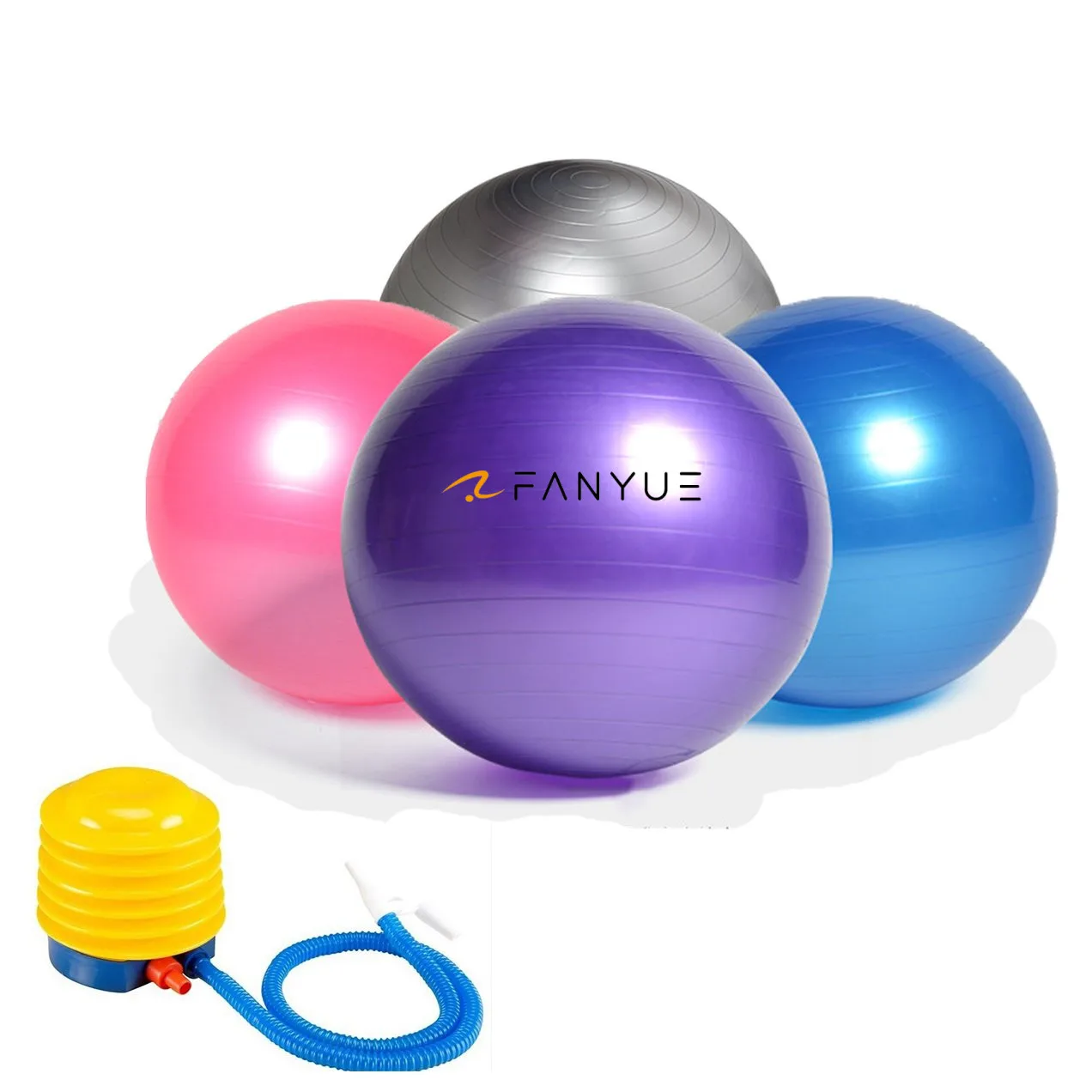
A yoga ball OEM service can cover several dimensions of customization. These typically include size options such as 45cm, 55cm, 65cm, or 75cm, color selection, surface texture, weight capacity ratings, and anti-burst material grades. Beyond the physical yoga ball itself, OEM services also extend to custom printing, logo placement, and branded packaging. The level of customization available will vary from one yoga ball factory to another, so it is important to verify capabilities during the supplier evaluation phase.
How a Yoga Ball OEM Order Differs from Standard Purchasing
Ordering a standard yoga ball from a manufacturer means selecting from existing SKUs with predetermined specs. An OEM yoga ball order works differently — it starts with a brief or specification document from the buyer, followed by a sampling process where the manufacturer produces a yoga ball prototype for approval. This stage is critical for ensuring that the yoga ball meets your brand standards in terms of material thickness, print quality, and inflation performance before mass production begins.
OEM yoga ball orders typically require higher minimum order quantities than standard purchases, reflecting the setup costs involved in custom tooling, color mixing, and packaging design. This is a standard trade-off in any OEM arrangement, and yoga ball production is no exception. Buyers entering an OEM agreement for a yoga ball should have a clear market demand forecast to justify the initial investment.
Core Areas of Yoga Ball Customization Services
Material, Size, and Performance Customization
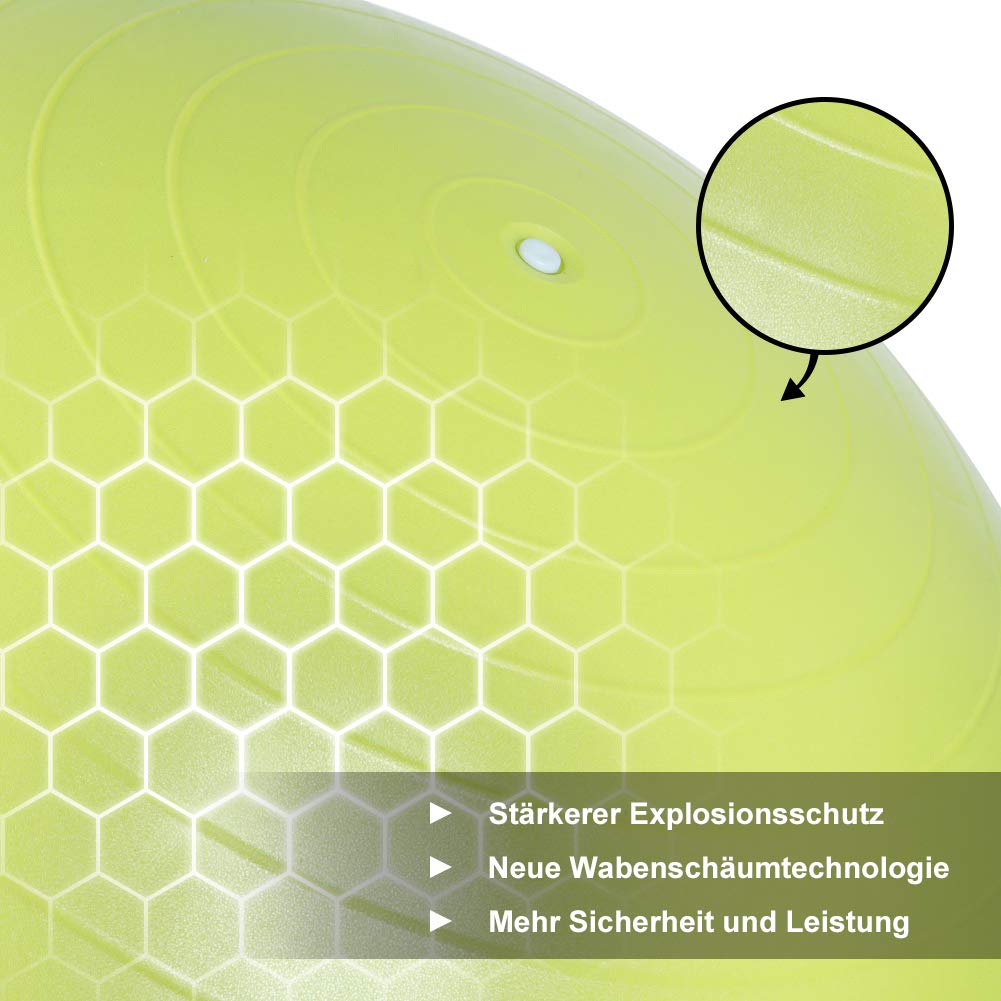
A reputable yoga ball manufacturer will offer flexibility across several functional dimensions. PVC material quality is one of the most critical variables — different grades of PVC affect the yoga ball's durability, anti-burst performance, and surface feel. High-quality yoga ball production uses thicker, more elastic PVC with anti-burst properties designed to deflate slowly rather than rupture suddenly under load. Buyers focused on safety and performance positioning should specify anti-burst PVC when placing a yoga ball OEM order.
Size and texture options for a yoga ball are usually standardized across the industry, but a flexible yoga ball manufacturer can often accommodate non-standard specifications given sufficient order volume. Weight load ratings, valve design, and surface grip patterns are also adjustable elements in a yoga ball OEM program. These functional details make a significant difference in how a yoga ball performs for specific user groups such as physical therapy patients or high-intensity training athletes.
Branding, Printing, and Packaging for Your Yoga Ball
From a branding perspective, OEM yoga ball services allow you to create a product that carries your company's visual identity from the surface print to the retail packaging. Most yoga ball manufacturers support screen printing or heat transfer printing directly onto the yoga ball surface, allowing logos, motivational graphics, and usage instructions to appear cleanly on the finished yoga ball. The print area, color count, and placement should all be confirmed during the sampling stage.
Packaging customization for a yoga ball OEM order can include custom box printing, branded poly bags, hang tags, or insertion cards. A well-packaged yoga ball makes a stronger retail impression and supports premium pricing. Some yoga ball suppliers also offer customized carry bags or pump accessories branded to match, providing a complete package solution for your yoga ball product line.
Evaluating a Yoga Ball Manufacturer for OEM Capability
Key Criteria for Selecting an OEM Yoga Ball Supplier
Not every yoga ball manufacturer is equipped to handle complex OEM programs. When evaluating a potential yoga ball supplier, start by reviewing their existing product range and sample quality. A manufacturer producing a wide variety of yoga ball sizes and styles with consistent quality standards is better positioned to execute custom orders reliably. Ask to see existing OEM yoga ball samples and inquire about their quality control procedures at each stage of yoga ball production.
Certifications are another important factor. A yoga ball intended for retail or commercial gym use should ideally be produced under ISO-certified quality management conditions and tested against relevant safety standards such as EN71 or ASTM. Confirm that your yoga ball manufacturer holds applicable certifications before committing to a large OEM program. This protects your brand and reduces compliance risk in your target markets.
Communication and Lead Time Expectations
Clear and responsive communication is essential in any OEM yoga ball project. From the initial specification discussion to sample approval and final production, the timeline for a custom yoga ball order typically ranges from four to ten weeks depending on complexity and order volume. Establish clear milestones with your yoga ball manufacturer at the start of the project, including sample approval deadlines, production start dates, and shipment schedules.
A good yoga ball manufacturer will assign a dedicated account contact and provide regular production updates. Delays in yoga ball OEM projects often arise from slow sample approvals on the buyer side, so internal decision-making speed matters just as much as supplier performance. Building a realistic timeline into your yoga ball sourcing plan from the outset will minimize stress and ensure stock arrives in time for your launch.
FAQ
What is the typical minimum order quantity for an OEM yoga ball?
Minimum order quantities for a custom yoga ball vary by manufacturer, but most OEM yoga ball programs require between 500 and 2,000 units per design. The exact threshold depends on the degree of customization involved and the production setup costs associated with your specific yoga ball specification. Some yoga ball factories may accept smaller runs for repeat clients or simpler customization requests.
Can I request custom colors not listed in a manufacturer's standard yoga ball range?
Yes, most experienced yoga ball manufacturers can produce custom PVC color formulations outside their standard range, though this usually requires a higher minimum order quantity to justify the color mixing process. Pantone color matching is commonly offered for yoga ball OEM orders. Confirm color accuracy during the yoga ball sample stage before approving mass production to avoid costly corrections later.
How do I verify the quality of a yoga ball before committing to a large OEM order?
Requesting a pre-production sample is the most reliable way to verify the quality of a yoga ball before placing a large OEM order. Evaluate the yoga ball for material thickness, surface finish, print quality, valve integrity, and inflation performance. Where possible, conduct or commission independent third-party testing for anti-burst compliance and load capacity. A transparent yoga ball manufacturer will welcome this verification process and support your testing requirements.