 EN
EN


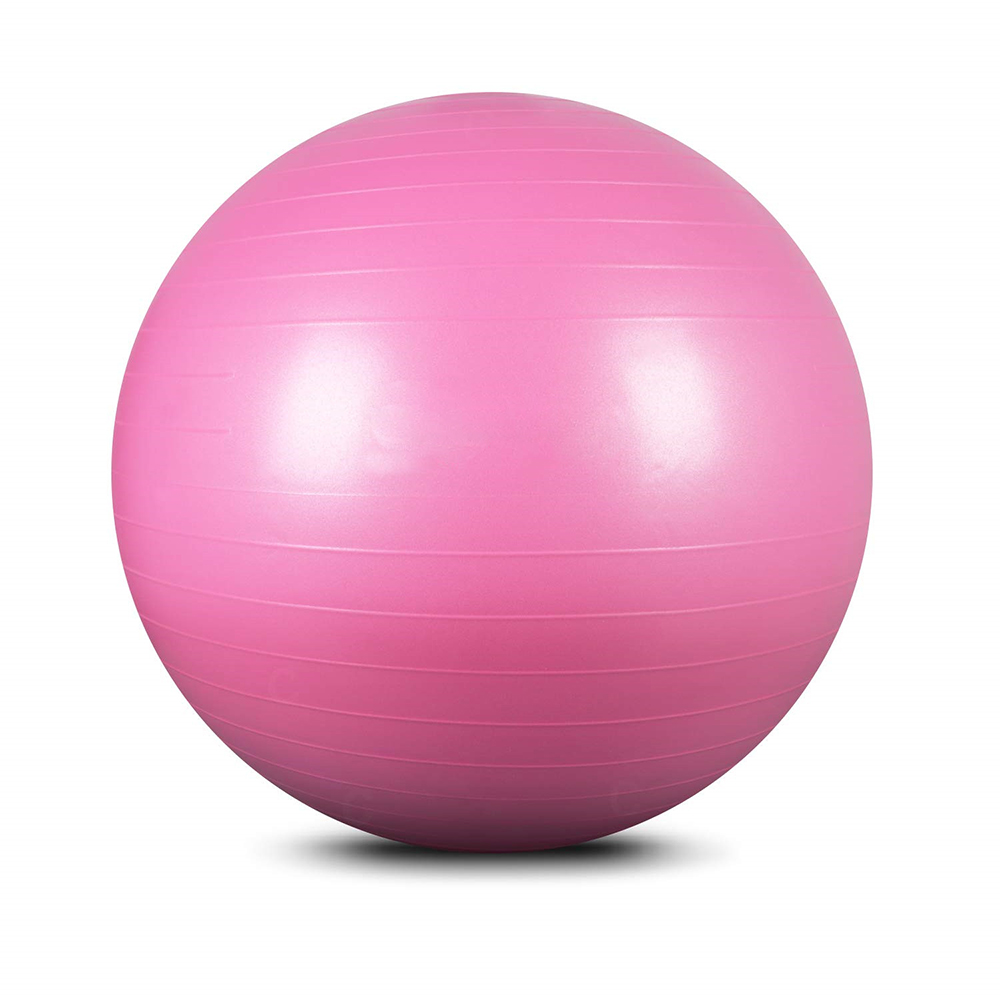
The yoga ball has earned a permanent place in rehabilitation centers around the world. Whether used for spinal recovery, post-surgical conditioning, or neurological retraining, the yoga ball delivers a unique combination of instability, support, and adaptability that rigid equipment simply cannot match. Therapists consistently turn to the yoga ball because it meets patients where they are — physically, functionally, and therapeutically.
Understanding why the yoga ball is so widely favored requires looking at its mechanical properties, its role in functional movement, and its practical value within a clinical setting. The yoga ball is not simply a piece of gym equipment that found its way into therapy rooms. It is a purpose-aligned tool that addresses core rehabilitation goals: restoring balance, rebuilding strength, retraining neuromuscular coordination, and reducing the risk of re-injury. This article explores the specific reasons rehabilitation professionals rely on the yoga ball as a cornerstone of patient care.
Therapeutic Properties of the Yoga Ball
Joint-Friendly Resistance and Load Management
One of the primary reasons rehabilitation centers favor the yoga ball is its ability to provide resistance and challenge without placing excessive stress on vulnerable joints. When a patient performs movements on or against a yoga ball, the soft, compliant surface distributes pressure broadly rather than concentrating it on a single joint. This is especially important in cases of knee rehabilitation, hip recovery, or lumbar spine treatment, where direct load can cause setbacks. The yoga ball allows therapists to introduce progressive resistance in a controlled, forgiving environment. By adjusting how much air is inside the yoga ball, practitioners can modulate firmness and therefore the intensity of any given exercise.
Post-surgical patients particularly benefit from the yoga ball because early-stage rehabilitation demands very gentle, low-impact activity. The yoga ball enables therapists to engage target muscle groups without triggering inflammation or pain responses. This controlled engagement accelerates recovery timelines while keeping patients motivated through movement they can tolerate and build upon.
Neuromuscular Activation Through Instability
The yoga ball introduces a controlled instability that flat or rigid surfaces cannot replicate. When a patient sits, lies, or balances on a yoga ball, the body's proprioceptive system activates continuously. Proprioception — the body's sense of its own position in space — is frequently impaired after injury, surgery, or neurological events. The yoga ball becomes a direct training tool for restoring this sensory-motor loop. Each small correction the body makes while on the yoga ball strengthens the deep stabilizing muscles and re-educates the nervous system. This process is central to preventing re-injury and restoring functional independence.
Versatility of the Yoga Ball Across Rehabilitation Disciplines
Applications in Spinal and Postural Rehabilitation
Spinal rehabilitation is one of the most common uses for the yoga ball in clinical settings. Patients recovering from herniated discs, lumbar strain, or postural dysfunction find the yoga ball invaluable for rebuilding the deep core muscles that support the spine. Because the yoga ball requires constant micro-adjustments to maintain balance, it naturally activates the transverse abdominis and multifidus — muscles that conventional floor exercises often fail to engage adequately. Therapists design yoga ball protocols that progress from simple seated balance to dynamic movements, ensuring the spine is supported at every stage. The yoga ball also allows patients to decompress the spine gently in supported extension positions, which provides relief while still being therapeutic.
Use in Neurological and Pediatric Rehabilitation
The yoga ball has proven equally effective in neurological and pediatric rehabilitation contexts. For stroke patients relearning motor control, the yoga ball offers sensory input and postural challenge that stimulates neural pathway reorganization. Occupational and physical therapists use the yoga ball to facilitate trunk control, weight shifting, and upper limb reach in patients with hemiplegia or coordination disorders. In pediatric settings, children with sensory processing disorders or developmental delays respond positively to the yoga ball because it provides rich proprioceptive and vestibular feedback in an engaging, non-threatening format. The yoga ball can be bounced on, rolled over, or leaned against, giving therapists a flexible tool that adapts to each child's therapeutic needs without causing anxiety or resistance.
Practical and Economic Advantages for Rehabilitation Centers
Cost-Effectiveness and Space Efficiency
Rehabilitation centers operate under strict budget constraints, making the cost-effectiveness of the yoga ball a significant advantage. A single yoga ball can replace or supplement multiple pieces of specialized equipment, offering a wide exercise variety at a fraction of the cost. The yoga ball requires no power, no maintenance, and minimal storage space, which makes it an ideal tool for both large clinical facilities and smaller outpatient therapy offices. Centers can purchase yoga ball sets in multiple sizes to accommodate patients of different heights and therapeutic needs. The yoga ball is also highly durable when manufactured to anti-burst standards, meaning it withstands the repeated, vigorous use that characterizes a busy rehabilitation department. Its longevity further improves the return on investment for clinic managers.
Patient Engagement and Compliance
Patient compliance is a critical factor in rehabilitation outcomes, and the yoga ball genuinely supports better engagement. Many patients find exercises performed with a yoga ball more dynamic, interesting, and less intimidating than machine-based or floor-based alternatives. The yoga ball introduces an element of play and challenge that keeps patients motivated throughout their sessions. Therapists report that patients are more likely to continue yoga ball exercises at home because the tool is affordable, widely available, and easy to use without professional supervision once the correct technique is established. This carry-over effect strengthens the rehabilitation process beyond the clinic, accelerating overall recovery.
FAQ
What size yoga ball is best for rehabilitation use?
The appropriate yoga ball size depends on the patient's height. A 55 cm yoga ball typically suits individuals under 5'4", a 65 cm yoga ball fits those between 5'4" and 5'11", and a 75 cm yoga ball is recommended for taller patients. Therapists should verify that when a patient sits on the yoga ball, their hips are level with or slightly above their knees to ensure correct posture and therapeutic benefit.
Is the yoga ball safe for patients with severe back injuries?
Yes, the yoga ball can be safely used for patients with severe back injuries when introduced under professional supervision. Therapists begin with supported, low-range yoga ball exercises and progress gradually based on patient tolerance and clinical assessment. The yoga ball's compliant surface reduces compressive loading on the spine, making it one of the gentler options available in back rehabilitation protocols.
How often should patients use a yoga ball during rehabilitation?
The frequency of yoga ball use depends on the individual rehabilitation program. Most therapists integrate the yoga ball into sessions two to four times per week, combining it with other therapeutic modalities. As the patient's strength and stability improve, yoga ball sessions can increase in frequency and complexity. Consistency with the yoga ball over several weeks typically produces measurable improvements in balance, core strength, and functional mobility.