 EN
EN


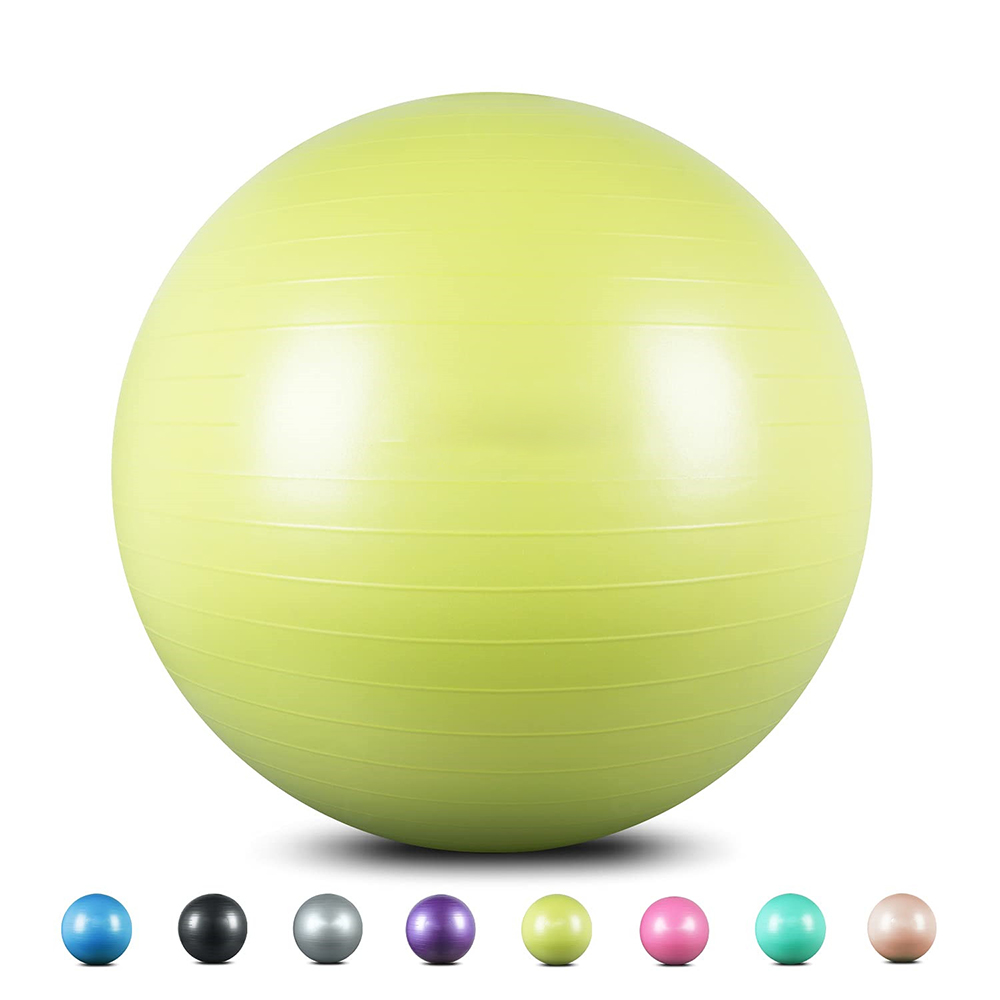
The fitness e-commerce market has grown rapidly, and product selection is one of the most critical decisions any online retailer must make. Among the many options available, the yoga ball stands out as a consistently high-demand product with broad consumer appeal. Whether you are building a new fitness store or expanding an existing catalog, understanding the commercial potential of the yoga ball is essential before committing to inventory.
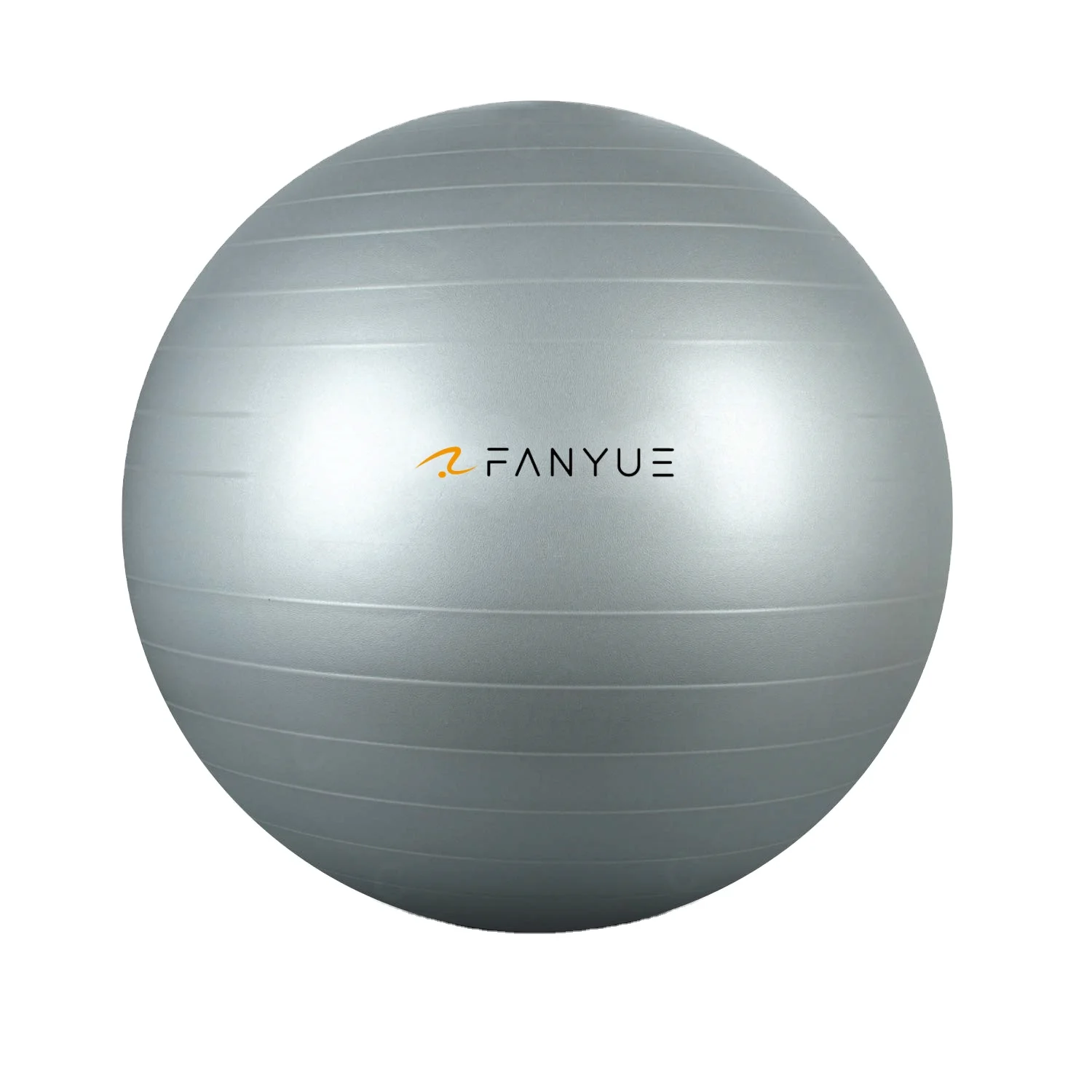
A yoga ball is not a niche or seasonal product. It serves multiple audiences simultaneously, including home gym users, physical therapy patients, office workers seeking posture support, and professional athletes. This cross-segment appeal gives the yoga ball an unusually wide addressable market for an e-commerce business. The question is not simply whether you can sell a yoga ball online, but whether this product category can actively support and grow a fitness-focused e-commerce operation over the long term.
Commercial Fit of the Yoga Ball in Fitness E-Commerce
Demand Stability and Search Volume
One of the first indicators of commercial viability is sustained consumer demand. The yoga ball benefits from a stable and growing search volume across major e-commerce platforms and search engines. Unlike trend-driven fitness products that spike and disappear, the yoga ball maintains consistent interest because it serves functional needs rather than fashion-driven ones. Consumers searching for a yoga ball are typically motivated by rehabilitation, fitness goals, or workplace wellness, all of which are durable motivations that generate repeat purchasing behavior.
For e-commerce businesses, this demand stability translates into predictable inventory planning and reduced risk of unsold stock. A yoga ball is not a product you need to liquidate after a trending cycle ends. This reliability is a meaningful advantage when evaluating which products deserve space in your catalog and fulfillment pipeline.
Margin Structure and Wholesale Accessibility
The yoga ball category offers favorable margin opportunities for online retailers. Wholesale pricing for a quality yoga ball is accessible even at moderate order volumes, which lowers the barrier to entry for smaller e-commerce operators. Anti-burst PVC construction, non-slip surfaces, and multi-size availability are features that justify retail price points above commodity levels without requiring expensive proprietary design work. When you source a yoga ball with clearly defined quality attributes, you can communicate product value effectively in your listings and support stronger pricing.
Bundling is another margin strategy that works naturally with the yoga ball. Pairing a yoga ball with a resistance band, pump, or exercise guide creates a higher average order value while differentiating your offering from single-unit competitors. This type of value bundle is easy to assemble and market, particularly on platforms where visual presentation drives conversion.
Operational Suitability of Yoga Ball Products
Logistics and Storage Considerations
The yoga ball presents some logistical characteristics that e-commerce operators should plan around. A yoga ball is typically sold deflated and packaged compactly, which means shipping weight and dimensional volume are manageable before inflation. This deflated packaging model makes the yoga ball more economical to warehouse and ship compared to other bulky fitness items. It also reduces damage risk during transit, which is a real concern with glass, metal, or rigid plastic fitness products.
Storage footprint is another consideration. Because a yoga ball ships flat, you can store significant inventory without consuming excessive warehouse space. For e-commerce businesses using third-party fulfillment or dropshipping arrangements, the yoga ball is a practical SKU that avoids the oversized-item surcharges common with larger gym equipment. Coordinating with a wholesale supplier who packages the yoga ball consistently and safely is important for maintaining product quality upon delivery.
Product Compliance and Safety Communication
Fitness equipment sold online must meet basic safety expectations, and the yoga ball is no exception. Anti-burst certification is a key quality marker that should be communicated clearly in every yoga ball listing. Buyers searching for a yoga ball for exercise, physical therapy, or children's use are sensitive to safety. Providing accurate weight capacity, burst resistance ratings, and material details builds trust and reduces return rates.
E-commerce platforms increasingly require product safety documentation for fitness categories. Having a yoga ball supplier who can provide test certificates and material safety data gives you a compliance foundation and reduces the risk of listing removal or buyer complaints. This due diligence also becomes a differentiator, as many resellers of a yoga ball neglect to communicate safety attributes clearly in their product copy.
Strategic Positioning of the Yoga Ball in Your Catalog
Audience Targeting and Use-Case Breadth
A yoga ball can be positioned effectively across multiple buyer personas, which makes it a versatile anchor product in a fitness catalog. For the home gym segment, a yoga ball functions as a core training tool for balance, strength, and flexibility work. For office wellness buyers, a yoga ball is an ergonomic seating alternative that supports posture during long work hours. For rehabilitation and mobility-focused buyers, a yoga ball is a recommended tool by physiotherapists and trainers worldwide. Each persona requires slightly different messaging, but the same yoga ball SKU can serve all three with appropriate listing customization.
This positioning flexibility allows an e-commerce fitness business to run targeted ad campaigns, create persona-specific landing pages, and optimize listings for different search intents, all centered around a single core product. A yoga ball that comes in multiple sizes amplifies this further, as size selection aligns naturally with different body types and intended uses.
Repeat Purchase and Cross-Sell Potential
While a yoga ball is not a consumable, it does generate natural repeat and cross-sell revenue. Customers who purchase a yoga ball often return for related products such as yoga mats, foam rollers, or balance boards. A yoga ball also wears over time, creating replacement purchase cycles especially among regular users. Building an email list or loyalty program around initial yoga ball buyers gives you a high-value audience for future fitness product launches.
FAQ
Is a yoga ball profitable for small e-commerce businesses?
Yes, a yoga ball can be profitable for small e-commerce businesses because the wholesale cost is accessible, the product ships efficiently in deflated packaging, and consumer demand is steady. Margin can be improved through bundling and multi-size listings that increase average order value.
What size yoga ball should an e-commerce store stock first?
A 65 cm yoga ball is generally the most versatile starting size because it suits the broadest range of adult users for fitness, office seating, and rehabilitation purposes. Stocking multiple sizes eventually allows better audience coverage, but a single mid-range yoga ball size reduces initial inventory risk.
How should a yoga ball be described in an online listing to improve conversion?
A yoga ball listing should highlight anti-burst construction, weight capacity, non-slip surface texture, included pump accessories, and specific use cases such as core training, prenatal fitness, or posture support. Clear safety specifications and size guidance help buyers select the correct yoga ball with confidence, which lowers return rates and improves review scores.