 EN
EN


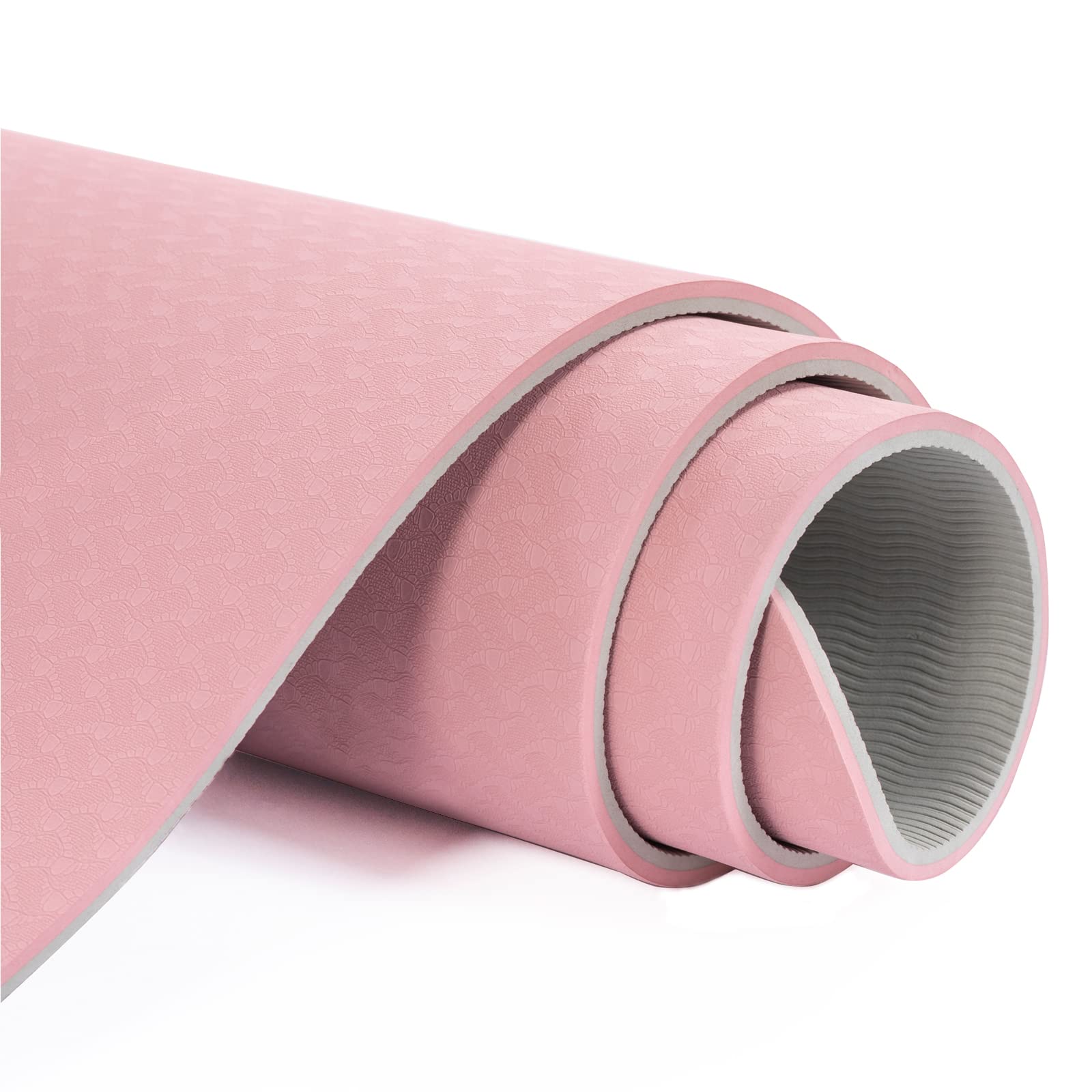
The global fitness industry has grown rapidly, and the yoga mat market sits at the center of that expansion. As more gyms, fitness studios, sporting goods retailers, and e-commerce platforms seek reliable inventory, the question of whether yoga mat products can genuinely support large-scale wholesale distribution has become critically important for procurement managers and business owners alike.
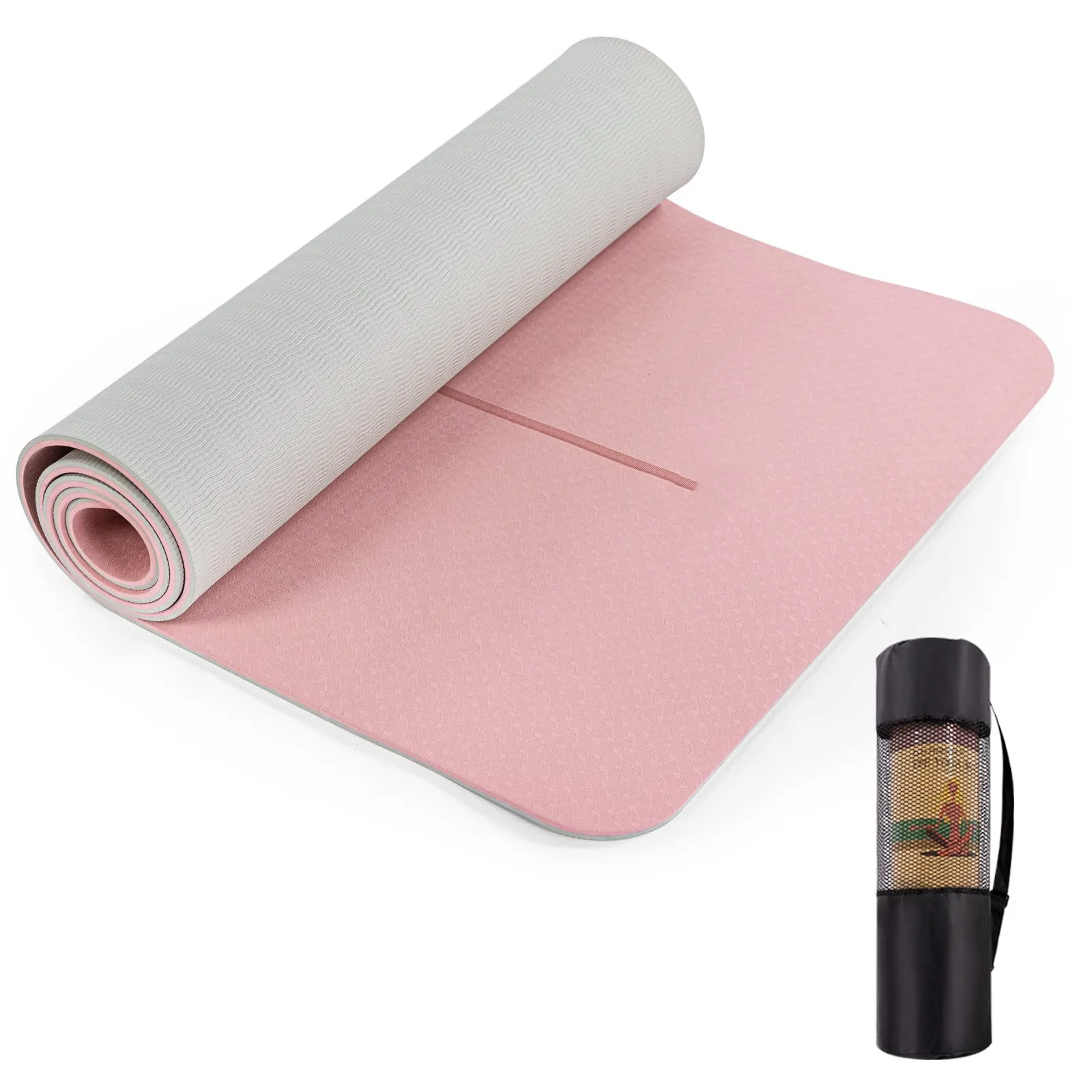
The short answer is yes — but not every yoga mat product is built with wholesale scalability in mind. Understanding what separates a yoga mat line that supports large-scale distribution from one that does not requires a closer look at product design, manufacturing capacity, customization options, and supply chain structure. This article explores the core dimensions that wholesale buyers must evaluate before committing to a yoga mat supplier.
Production Capacity and Consistent Supply
Manufacturing Scale Matters for Yoga Mat Wholesale
When evaluating a yoga mat for wholesale purposes, production volume capability is one of the first criteria to examine. A yoga mat manufacturer that can only produce limited monthly quantities will inevitably create bottlenecks for distributors managing large retail chains or online storefronts. Reliable wholesale distribution demands a yoga mat supplier that maintains high-output production lines with consistent quality control throughout.
For a yoga mat to move smoothly through wholesale channels, the production process must be repeatable and standardized. Each yoga mat in a bulk order must meet the same thickness tolerance, surface texture, and durability standard as the last. Inconsistency at scale is one of the most damaging problems a yoga mat distributor can face, as it leads to product returns, brand damage, and customer complaints.
Inventory and Lead Time Reliability
Beyond raw production capacity, a wholesale-ready yoga mat supplier must offer predictable lead times and sufficient inventory management. A yoga mat that takes unpredictable delivery windows creates planning difficulties for distributors who must coordinate with retail buyers on strict seasonal timelines. The best wholesale yoga mat partnerships are built on transparent production schedules and confirmed stock availability.
Distributors sourcing a yoga mat at volume should ask suppliers about minimum order quantities, production scheduling, and warehouse capabilities. A yoga mat supplier with organized logistics support — including bulk packaging options, pallet-ready formats, and documented quality inspections — signals readiness for serious wholesale collaboration.
Customization and Private Label Options
Why Custom Yoga Mat Products Drive Wholesale Value
One of the strongest indicators that a yoga mat product line can support wholesale distribution is the availability of customization. Wholesale buyers rarely want to distribute a generic yoga mat under no brand identity. Custom logo printing, branded packaging, and color variation options allow distributors to position the yoga mat as a premium product within their market segment.
A yoga mat that supports private label production gives wholesale buyers the ability to build brand equity while sourcing at competitive prices. For example, a TPE yoga mat set with a custom logo bag and adjustable strap — produced to exact buyer specifications — is far more commercially attractive than a standard yoga mat sold without differentiation. The ability to co-brand or fully private-label a yoga mat is a significant business advantage in competitive fitness retail markets.
Material and Specification Flexibility
Wholesale distribution also benefits when a yoga mat supplier offers multiple material and thickness configurations. Whether buyers need an 8mm yoga mat for cushioning-focused applications or a 10mm yoga mat for therapeutic use, having flexibility in specification means a single yoga mat product line can serve diverse customer segments. This range enables distributors to build broader product catalogs without sourcing from multiple vendors.
Eco-friendly material choices such as TPE also add market appeal, as many retail buyers are now sourcing a yoga mat that meets sustainability expectations. A yoga mat made from non-toxic, recyclable materials supports responsible purchasing decisions and aligns with the values of health-conscious consumers. This makes the yoga mat more competitive across retail and direct-to-consumer wholesale channels.
Pricing Structure and Margin Viability
Wholesale Pricing Must Support the Distribution Chain
For large-scale distribution to work, a yoga mat must be priced in a way that leaves viable margins at each level of the supply chain. Distributors, retailers, and end consumers all need a pricing structure that reflects the value of the yoga mat while remaining competitive in the marketplace. A yoga mat supplier that only offers thin margins at high MOQs may not be the right fit for scalable distribution.
Tiered pricing structures are a positive signal when evaluating a yoga mat for wholesale. When a yoga mat supplier offers better per-unit rates as order volumes increase, it incentivizes distributors to commit to larger and more frequent purchases. This creates a mutually beneficial relationship where the yoga mat supplier grows volume and the distributor improves unit economics over time.
Total Cost Considerations for Yoga Mat Bulk Buyers
Wholesale buyers must consider the total landed cost of a yoga mat, not just the factory price. Shipping weight, packaging dimensions, and customs classification all affect the final cost per yoga mat unit when importing at scale. A yoga mat supplier that provides clear export documentation, proper product labeling, and optimized carton dimensions reduces the logistical burden for international distributors.
The yoga mat accessories included in a set — such as a carrying strap or custom bag — also affect both the perceived value and the actual shipping cost. Understanding the full cost structure of a yoga mat bundle helps wholesale buyers make smarter sourcing decisions and price their offerings more accurately across distribution tiers.
FAQ
What minimum order quantity is typically required for yoga mat wholesale?
Minimum order quantities for a yoga mat wholesale purchase vary by supplier, but most manufacturers require at least 200 to 500 units per yoga mat style or color variant. Some suppliers offer lower MOQs for mixed yoga mat configurations, especially when buyers are placing their first test order before scaling up to larger distribution volumes.
Can a yoga mat be customized with a private label for wholesale orders?
Yes, many yoga mat manufacturers support private label customization, including custom logo printing on the mat surface, branded carry bags, and personalized packaging inserts. Wholesale buyers sourcing a yoga mat for retail distribution can work with suppliers to define color, thickness, material, and branding to align the yoga mat with their specific market positioning.
Is a TPE yoga mat suitable for large-scale wholesale distribution?
A TPE yoga mat is well-suited for wholesale distribution because it offers a strong balance of durability, eco-friendliness, and cost efficiency. TPE yoga mat materials are non-toxic, lightweight, and recyclable, which satisfies both consumer preferences and retail compliance requirements. The yoga mat's consistent physical properties across production batches also make it easier to maintain quality standards at high distribution volumes.