 EN
EN


Athletes at every level are always searching for smarter ways to improve strength, stability, and sport-specific performance. The yoga ball has emerged as a genuinely effective training tool that goes far beyond simple stretching routines. When used consistently and with purpose, the yoga ball can challenge the body in ways that flat surfaces and conventional gym equipment simply cannot replicate. The unstable surface of a yoga ball forces the neuromuscular system to engage deeply, making every movement more demanding and more functional.
The short answer is yes — yoga ball workouts can meaningfully improve athletic performance outcomes when integrated intelligently into a training program. A yoga ball introduces dynamic instability that activates stabilizer muscles, improves proprioception, and builds the kind of functional core strength that directly translates to sport performance. This article examines the specific mechanisms behind yoga ball training, the performance areas it most effectively targets, and how athletes can use a yoga ball to build measurable results.
How a Yoga Ball Challenges the Athletic Body
Instability and Neuromuscular Activation
When an athlete sits, lies, or balances on a yoga ball, the body cannot rely on passive support from a fixed surface. Every stabilizing muscle in the core, hips, and lower back must actively fire to maintain position. This constant low-level activation during yoga ball exercises builds neuromuscular coordination that carries over directly into sport movements. Over time, training with a yoga ball improves the body's ability to produce force efficiently while staying balanced and controlled.
The yoga ball also creates an environment where small postural errors become immediately apparent. Athletes learn to self-correct faster, which sharpens kinesthetic awareness. This heightened body awareness is a critical athletic asset in sports that demand rapid positional adjustments. A yoga ball essentially turns basic exercises into proprioceptive training sessions without requiring additional equipment or dedicated balance drills.
Core Strength as the Foundation of Athletic Output
Core strength is not simply about aesthetics — it is the foundation from which all athletic power is generated and transferred. A yoga ball places the spine in a variety of positions during exercises such as ball rollouts, yoga ball planks, and hip bridges, all of which demand sustained core engagement. These movements train the deep stabilizers of the lumbar spine more effectively than many traditional floor exercises. Athletes who use a yoga ball for core work consistently report improvements in rotational power, running efficiency, and overhead stability.
What makes the yoga ball especially valuable is that it develops core endurance alongside core strength. Many sports require muscles to sustain tension over extended periods rather than produce single maximal contractions. A yoga ball naturally trains this quality because maintaining position on the ball requires prolonged co-contraction of opposing muscle groups. This endurance-based core strength reduces fatigue during competition and helps athletes maintain technique under pressure.
Performance Areas Most Improved by Yoga Ball Training
Balance, Coordination, and Agility
Balance and coordination are measurable components of athletic performance, and both respond well to yoga ball training. When athletes perform movements on a yoga ball, the vestibular and proprioceptive systems are simultaneously challenged, accelerating the development of dynamic balance. This has direct applications for sports such as tennis, basketball, martial arts, and soccer, where maintaining control during rapid direction changes is essential. A yoga ball can be used for single-leg movements, lateral shifts, and dynamic pressing patterns that mimic the balance demands of real competition.
Agility is partly a neurological skill, and the yoga ball provides regular stimulation that sharpens neural pathways associated with movement control. Athletes who regularly incorporate a yoga ball into training tend to demonstrate improved reactive stability — the ability to quickly regain balance after unexpected contact or positional disruption. This is a subtle but significant performance advantage that standard strength training alone rarely develops.
Injury Prevention and Long-Term Athletic Longevity
A yoga ball is not only a performance tool but also a protective one. Many overuse injuries in sport stem from muscle imbalances or weaknesses in stabilizing structures. A yoga ball targets precisely these overlooked areas, including the rotator cuff, hip abductors, and lumbar multifidus. By systematically strengthening these tissues through yoga ball exercises, athletes reduce injury risk without adding significant training load. This makes the yoga ball an excellent addition to both pre-season conditioning and in-season maintenance programs.
Rehabilitation professionals have long used the yoga ball to help athletes return from injury by reintroducing movement with controlled instability. This same principle applies in prevention — the yoga ball teaches the body to respond appropriately to unexpected forces before they lead to injury. Coaches and trainers who prioritize longevity find the yoga ball to be one of the most versatile and low-risk tools available for building durable athletes.
Integrating a Yoga Ball Into Athletic Training Programs
Programming Principles for Best Results
To maximize the athletic benefits of a yoga ball, it should be incorporated as a complement to sport-specific and strength training rather than a replacement. A yoga ball works best in warm-up mobility sequences, accessory core work, and active recovery sessions. Athletes can use a yoga ball for dynamic warm-ups that activate the hips and core before heavier loading, or for cooling down with yoga ball-assisted stretching that targets the thoracic spine and hip flexors. Using a yoga ball two to four times per week in these roles is typically sufficient to drive meaningful adaptations.
Progressive overload still applies when training with a yoga ball. Beginners should start with basic yoga ball seated exercises and stationary holds before advancing to dynamic movements such as yoga ball pike rollouts or single-arm pressing patterns. As stability improves, athletes can increase the difficulty of yoga ball exercises by reducing contact points, increasing range of motion, or combining upper and lower body movements. This progressive approach ensures continuous adaptation and prevents the training stimulus from becoming stale.
Choosing the Right Yoga Ball for Athletic Use
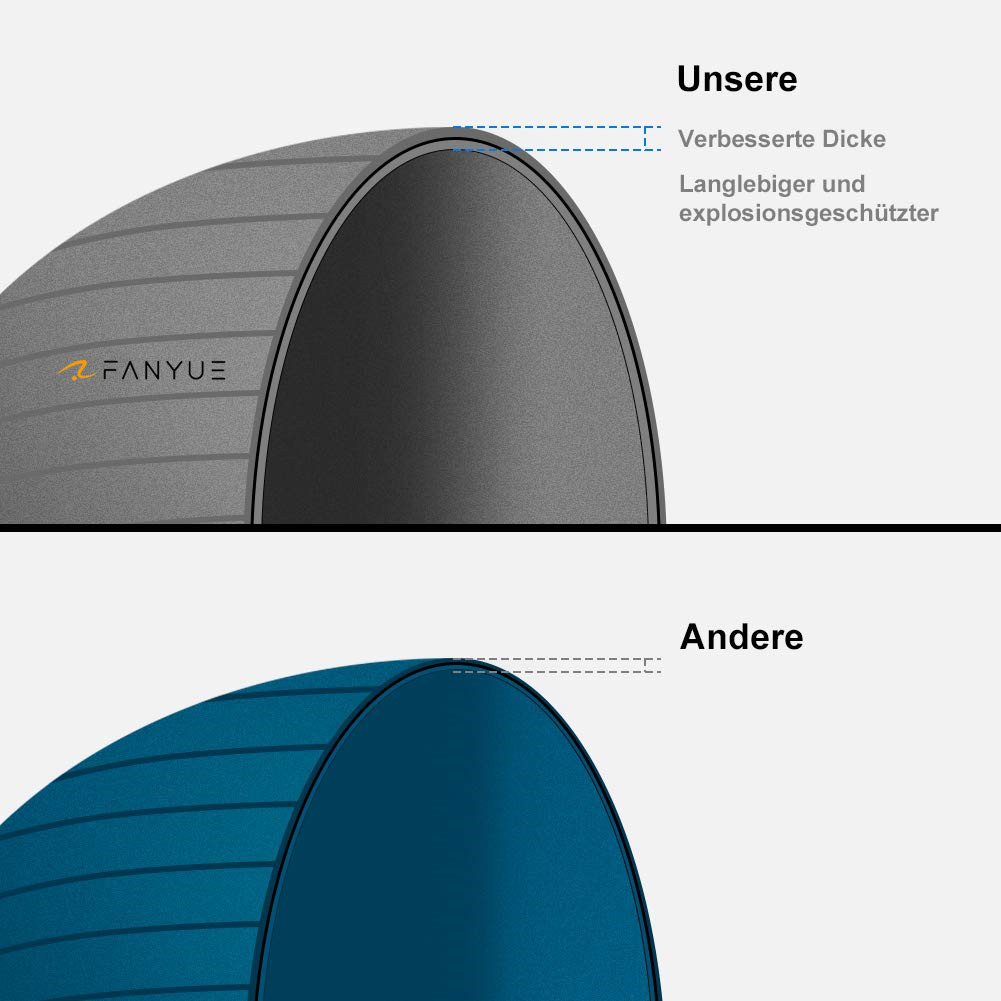
Selecting the correct size and quality of yoga ball matters for both safety and training effectiveness. Athletes should choose a yoga ball that allows the hips and knees to form roughly a 90-degree angle when seated. An anti-burst yoga ball made from durable PVC is strongly recommended for athletic use, as it handles dynamic loads without sudden deflation. A non-slip surface on the yoga ball also adds an important layer of safety during demanding exercises. Investing in a quality yoga ball ensures the training experience is safe, consistent, and suitable for intensive athletic use.
FAQ
How often should athletes use a yoga ball for performance training?
Most athletes benefit from using a yoga ball two to four times per week as part of a broader training program. This frequency allows sufficient stimulus for neuromuscular adaptation while leaving recovery time for other training demands. A yoga ball can be used in warm-ups, core accessory work, or recovery sessions without adding significant fatigue to the overall program.
Can a yoga ball replace traditional strength training for athletes?
A yoga ball is best used as a complement to traditional strength training rather than a replacement. While a yoga ball is highly effective for building stability, core endurance, and proprioception, it does not provide the same progressive overload stimulus as barbell or dumbbell training. Athletes achieve the best performance outcomes by combining yoga ball exercises with conventional strength and conditioning work.
What size yoga ball is appropriate for athletic training?
The correct yoga ball size depends on the athlete's height. As a general guide, athletes under 5'4 typically use a 55 cm yoga ball, those between 5'4 and 5'11 use a 65 cm yoga ball, and taller athletes use a 75 cm yoga ball. When seated on the yoga ball, the hips should be level with or slightly above the knees for proper alignment and effective training posture.