 EN
EN


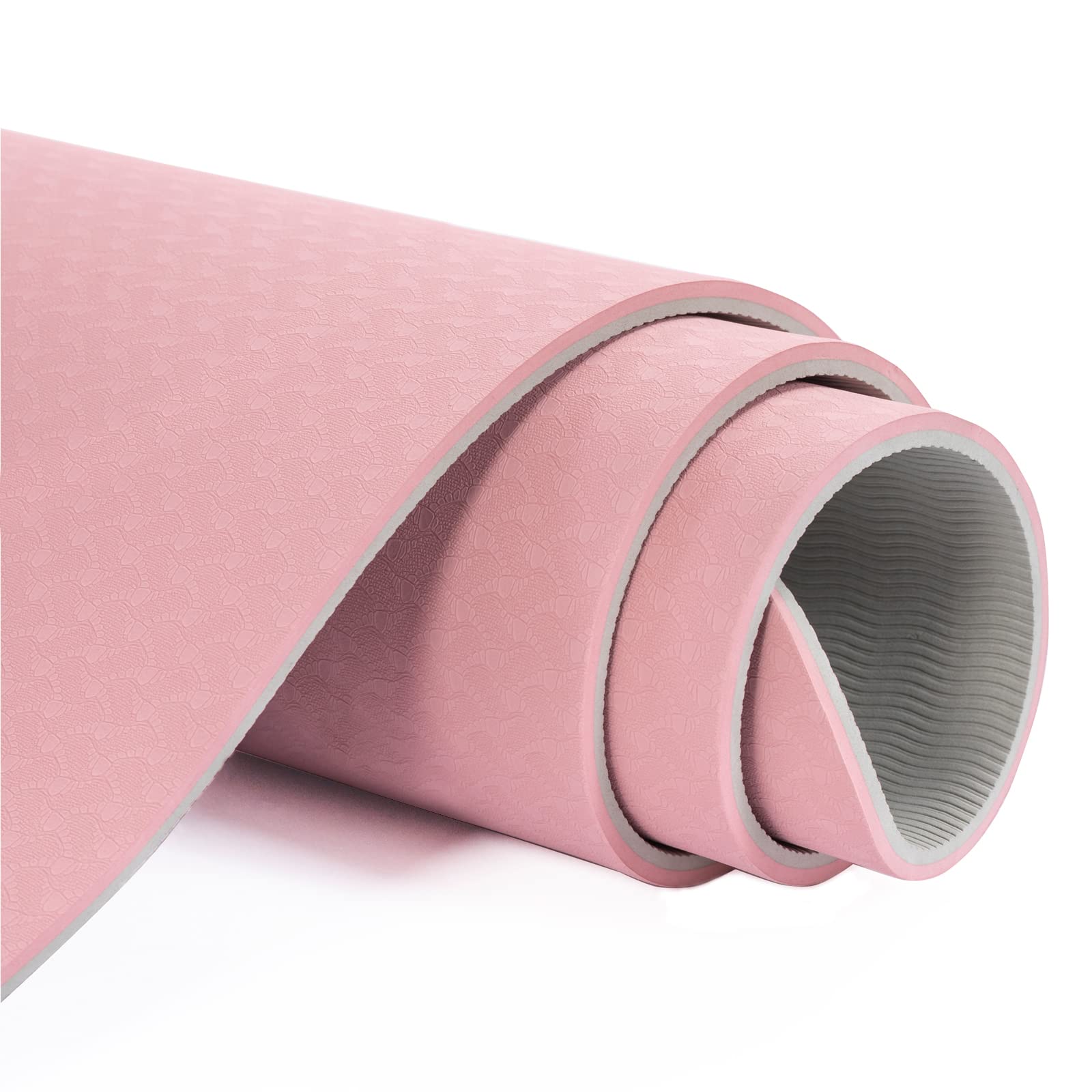
If you exercise daily, the surface you train on matters far more than most people realize. A quality yoga mat is one of the most practical investments you can make to improve how your body feels before, during, and after every session. Whether you are stretching in the morning, running through a home workout, or winding down with a cool-down routine, the right yoga mat directly shapes your comfort and performance. Understanding exactly how a yoga mat delivers these benefits helps you make smarter choices about your daily fitness practice.
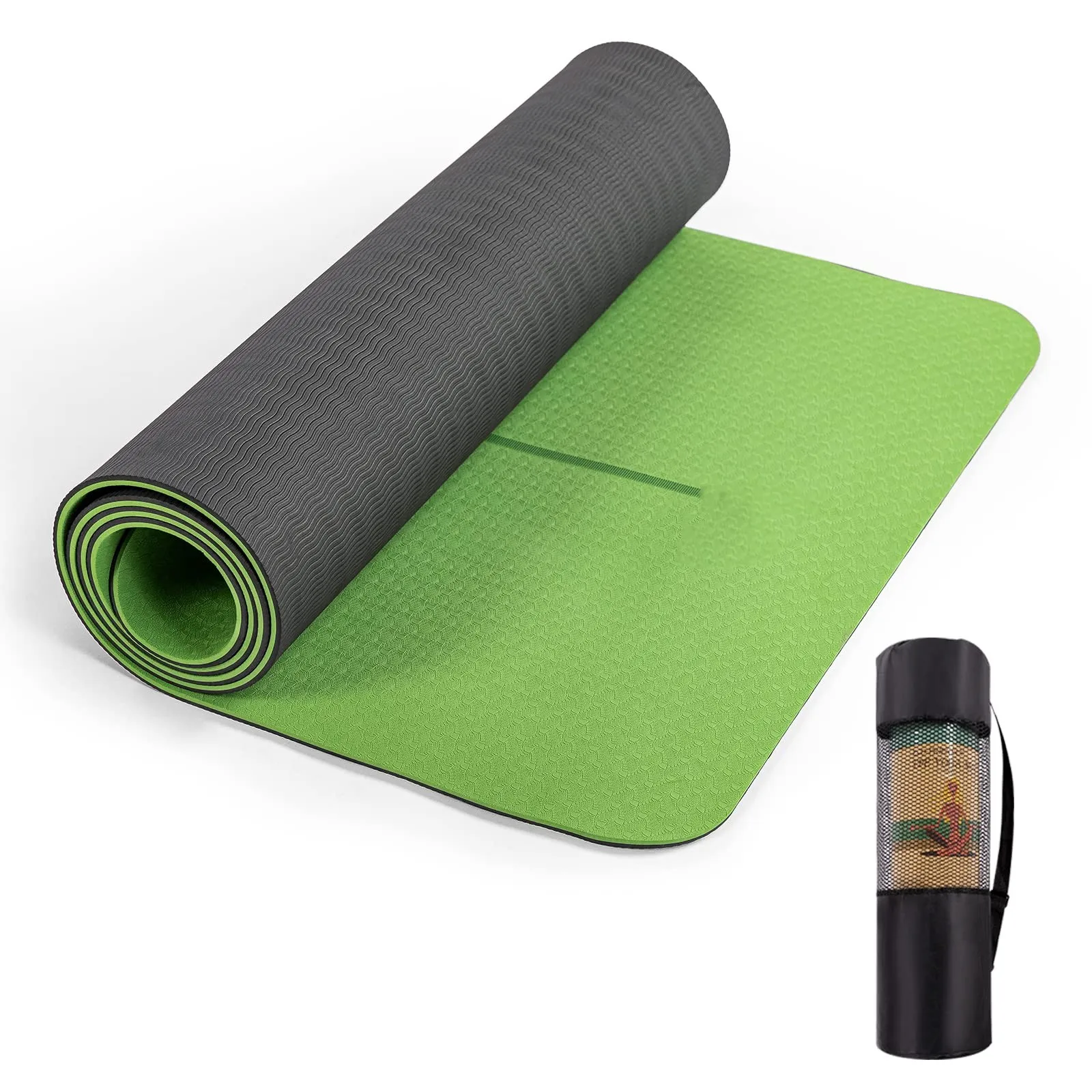
A yoga mat is not just a piece of foam on the floor. It is a carefully engineered surface designed to support your joints, stabilize your movements, and protect your body from hard or uneven flooring. Every time you place a yoga mat beneath you, you are creating a personal training zone that adapts to your needs. This article explores the specific ways a yoga mat can improve comfort during daily exercise routines, covering cushioning, grip, hygiene, and long-term joint health.
How a Yoga Mat Cushions and Protects Your Body
The Role of Thickness in Joint Comfort
One of the most immediate ways a yoga mat improves comfort is through cushioning. Hard floors, whether concrete, hardwood, or tile, transfer impact directly to your knees, wrists, hips, and spine. A yoga mat absorbs a meaningful portion of that impact, reducing stress on your joints during floor-based exercises. For daily training, this benefit compounds significantly over time. A yoga mat with appropriate thickness, typically between four and eight millimeters, provides the sweet spot between cushioning support and stable footing. Thicker yoga mat options are especially valuable for users with sensitive joints or those recovering from minor injuries.
Material Quality and Pressure Distribution
The material of a yoga mat determines how effectively it distributes pressure across your body. TPE, or thermoplastic elastomer, is a popular modern material used in high-quality yoga mat products because it combines density with flexibility. When you press your knees or palms into a yoga mat made from TPE, the surface compresses evenly rather than creating hard pressure points. This even distribution means your body can hold positions longer and with greater comfort. A yoga mat made from lower-quality foam may compress unevenly, reducing its cushioning effectiveness over repeated sessions. Choosing a yoga mat built with durable, responsive material ensures consistent comfort throughout your entire routine.
How a Yoga Mat Improves Stability and Movement Control
Non-Slip Surfaces and Physical Confidence
Slipping during exercise is not just uncomfortable — it is a genuine safety concern. A yoga mat with a non-slip surface gives you the traction needed to hold poses, execute transitions, and perform dynamic movements with confidence. The textured surface of a quality yoga mat grips the floor beneath it while also providing grip for your hands and feet above. This dual-sided stability is especially important during exercises like planks, lunges, downward dog, or burpees, where your limbs are placed under directional pressure. When your yoga mat stays firmly in place, your muscles can focus entirely on the movement rather than compensating for a shifting base.
Alignment and Body Awareness
Many yoga mat designs include alignment guides or subtle markings to help users position their hands, feet, and hips correctly. Even without printed guides, the defined boundaries of a yoga mat naturally encourage better body awareness. Knowing exactly where your yoga mat begins and ends trains you to be more deliberate about how you place your limbs. This heightened awareness reduces the risk of accidental overextension and promotes proper form. For daily practitioners, using a yoga mat consistently reinforces movement patterns that protect the body and make each session more effective.
How a Yoga Mat Supports Long-Term Exercise Consistency
Creating a Dedicated Practice Space
A yoga mat does more than serve a physical function. It also plays a psychological role in supporting a consistent daily exercise habit. Rolling out your yoga mat signals to your brain that it is time to focus, stretch, and move. This ritual association between your yoga mat and exercise time is a recognized behavioral technique for building discipline. When your workout space is defined by a yoga mat, you are less likely to skip sessions or cut them short. The presence of a yoga mat makes even a small corner of a room feel like a legitimate training space, reducing barriers to daily practice.
Hygiene and Maintenance Benefits
Exercising directly on a floor surface exposes your skin to dust, bacteria, and allergens. A yoga mat creates a clean, personal barrier between your body and the ground. High-quality yoga mat materials like TPE are naturally resistant to moisture and easy to wipe down after each session. Maintaining a clean yoga mat is straightforward — a damp cloth and a mild cleaner are usually sufficient. This ease of maintenance means your yoga mat remains hygienic even with daily use, which is particularly important for anyone who exercises in shared spaces or rents out studio time. A clean yoga mat directly contributes to a healthier and more comfortable exercise experience over the long term.
FAQ
What thickness of yoga mat is best for daily exercise?
For most daily exercise routines, a yoga mat between five and six millimeters thick offers the best balance of cushioning and stability. Thinner yoga mat options around three millimeters suit balance-focused practices, while thicker yoga mat choices around eight millimeters provide extra joint support for floor-heavy or restorative routines.
How often should I replace my yoga mat?
A good-quality yoga mat used daily typically lasts between one and three years, depending on the material and care routine. Signs that your yoga mat needs replacing include visible surface flaking, loss of grip, uneven compression, or persistent odors that cleaning cannot remove. Replacing a worn yoga mat promptly ensures your comfort and safety are not compromised.
Can I use a yoga mat for exercises other than yoga?
Absolutely. A yoga mat is highly versatile and works well for a wide range of daily exercises including pilates, stretching, bodyweight training, core workouts, and HIIT sessions. The cushioning and non-slip properties of a yoga mat make it a practical training surface for virtually any floor-based fitness routine, not just traditional yoga practice.