 EN
EN


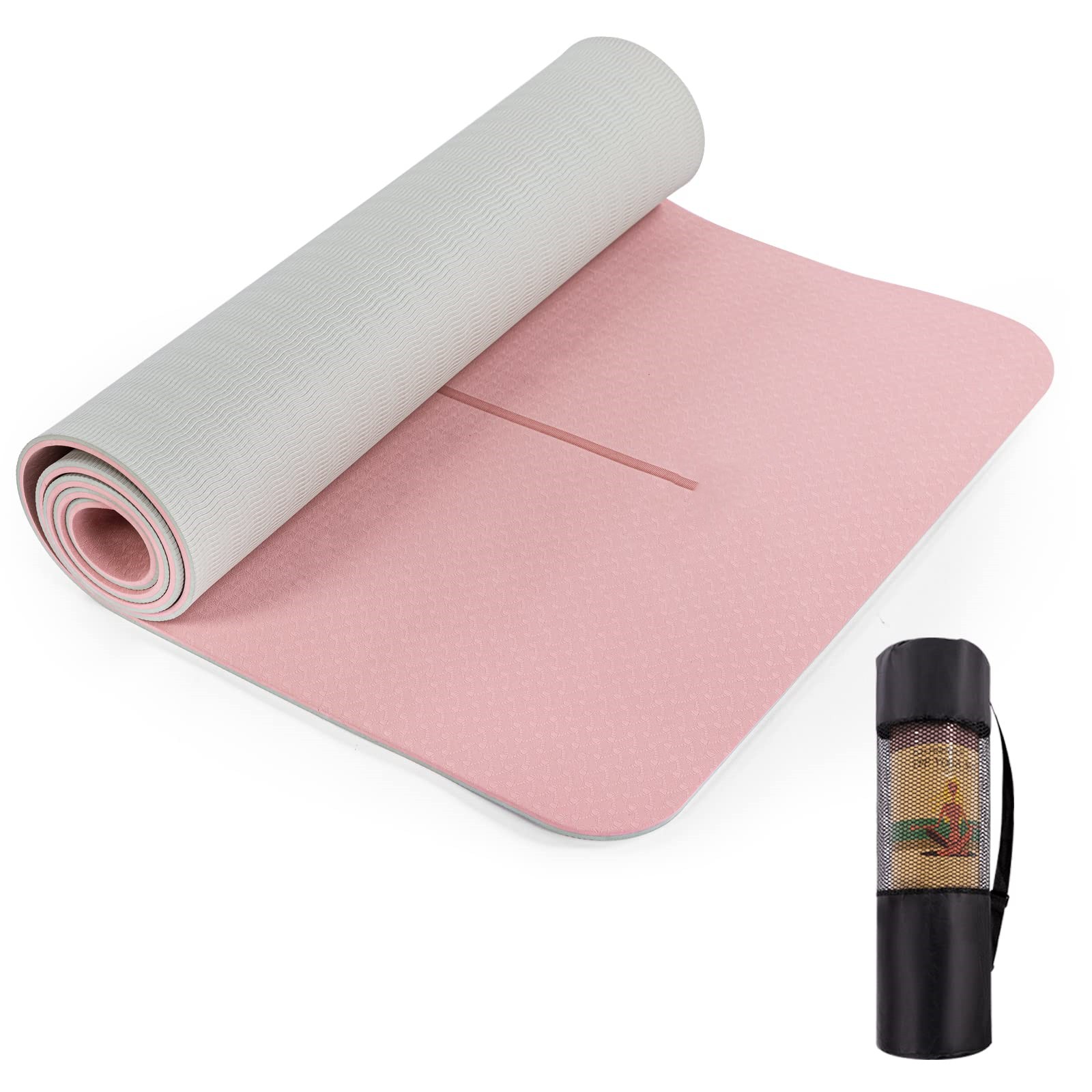
The question of whether a single yoga mat can genuinely serve both a first-time practitioner and a seasoned professional is one that many buyers, retailers, and fitness brand managers ask. It is not a trivial question, because the needs of these two groups appear, on the surface, to be quite different. A beginner needs comfort, forgiveness, and stability, while a professional demands precision, grip consistency, and durability under intense daily use. Yet the modern yoga mat has evolved significantly, and today many well-designed options do bridge that gap with remarkable success.
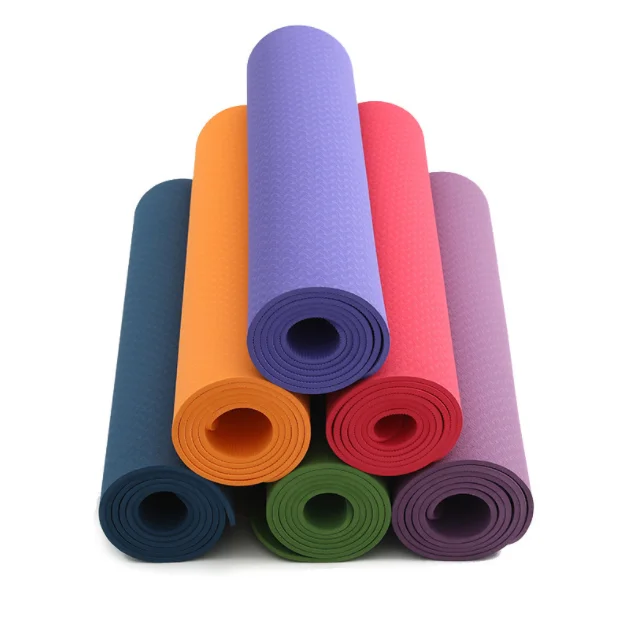
Understanding exactly what makes a yoga mat universally appealing requires looking at material science, surface design, thickness options, and customization possibilities. A yoga mat that performs well across skill levels is not an accident of design — it is the result of deliberate engineering choices that balance multiple performance criteria simultaneously. This article explores those factors in depth so that buyers and brand partners can make informed decisions when sourcing or recommending a yoga mat for diverse customer segments.
Material and Construction Fundamentals
Why TPE Material Stands Out
The material of a yoga mat is the single most important factor in determining its cross-level appeal. Thermoplastic elastomer, commonly known as TPE, has become one of the most respected materials in yoga mat manufacturing. A TPE yoga mat offers a balanced combination of cushioning, flexibility, and surface grip that suits both entry-level and advanced practitioners. Unlike PVC, which can feel rigid and is harder to recycle, a TPE yoga mat is eco-friendly, lightweight, and free from harmful chemicals, making it attractive to health-conscious consumers at every experience level.
For beginners, the softness of a TPE yoga mat provides joint protection during foundational poses that require sustained floor contact. For professionals, the same material delivers a firm, responsive surface that does not compress excessively during dynamic flows or advanced balancing sequences. This dual-function quality is why TPE has become a preferred substrate for a yoga mat designed to appeal across skill levels. When sourcing a yoga mat for a broad customer base, material selection should always be the starting point.
Thickness, Density, and Structural Balance
A yoga mat that is too thin will feel punishing for beginners whose joints are not yet conditioned, while one that is too thick will feel unstable for professionals performing precision balance work. The optimal yoga mat thickness for cross-level use typically falls between four and six millimeters. At this range, a yoga mat provides enough cushioning for comfort without sacrificing the ground-feel that experienced practitioners rely on. Dual-layer construction, where a denser base layer supports a softer surface layer, is one engineering solution that allows a single yoga mat to satisfy both comfort and stability requirements at once.
Surface Design and Anti-Slip Performance
Grip That Works for Every Practice Style
Anti-slip performance is a non-negotiable feature of any yoga mat intended for multi-level use. A beginner benefits from a non-slip yoga mat surface because it reduces the risk of injury during basic poses when body alignment is still being learned. A professional relies on consistent grip during fast-paced vinyasa sequences or when practicing in warm, humid environments where sweat increases surface tension. A well-engineered yoga mat uses a textured surface pattern — often a raised grid or dot structure — that maintains reliable traction regardless of moisture level or pressure intensity.
The anti-slip quality of a yoga mat is not purely about surface texture. Material density and surface coating also play roles. A yoga mat with a closed-cell surface resists moisture absorption, which keeps the grip consistent even during long sessions. This feature matters to professionals who practice daily and to beginners who may grip the yoga mat surface with more force out of uncertainty. When both groups can trust the yoga mat beneath them, their confidence in the practice grows, which is a direct value driver for any yoga mat brand or retailer.
Alignment Markers and Visual Guidance
Printed alignment lines on a yoga mat serve an educational function for beginners while also providing a positioning reference for professionals during precise sequencing. A yoga mat that includes subtle alignment markers does not feel remedial to experienced practitioners — it simply adds a functional layer of guidance that any level of user can choose to use or ignore. This kind of thoughtful surface design detail makes a yoga mat more versatile without adding cost or complexity to the product itself. For B2B buyers sourcing a yoga mat for yoga studios, gyms, or wellness programs, alignment-printed options reduce the need to stock separate beginner and advanced products.
Customization and Brand Positioning
Custom Logo and Color Options
One of the most commercially significant aspects of a modern yoga mat is the ability to customize it with logos, color palettes, and brand messaging. A yoga mat with a customized logo allows fitness brands, studio operators, and corporate wellness programs to deliver a unified brand experience regardless of whether the end user is a beginner or a professional. Customization does not change the functional performance of a yoga mat, but it dramatically increases its perceived value and brand alignment. For bulk buyers, this means a single yoga mat SKU can serve as both a retail product and a promotional item across a wide audience segment.
The yoga mat available through professional fitness equipment suppliers often supports full-surface custom printing, allowing brands to differentiate their offering in a competitive market. Whether targeting a beginner-friendly wellness app or a professional training studio, the ability to brand a yoga mat consistently is a meaningful commercial advantage. A well-customized yoga mat also signals quality and intention to the buyer, which builds trust across customer segments.
Durability as a Universal Selling Point
A durable yoga mat appeals to beginners and professionals for different but equally valid reasons. A beginner purchasing their first yoga mat wants reassurance that it will not degrade quickly before they have had a chance to develop a consistent practice. A professional who uses a yoga mat daily needs a product that holds its shape, grip, and surface integrity under hundreds of sessions. Durability is therefore a universal selling point that bridges both audiences. High-quality TPE construction, reinforced edge binding, and UV-resistant surface printing all contribute to a yoga mat that maintains performance over time and justifies its price point across buyer demographics.
FAQ
What thickness is best for a yoga mat used by both beginners and professionals?
A yoga mat thickness of four to six millimeters is generally ideal for multi-level use. This range provides enough cushioning for beginner comfort while maintaining the floor-feel that professionals need for balance and precision. Dual-layer yoga mat constructions offer the best of both properties within this thickness range.
Is a TPE yoga mat suitable for hot yoga or intense daily practice?
Yes, a TPE yoga mat is well-suited for high-intensity and hot yoga environments. Its closed-cell surface structure resists moisture absorption, helping maintain consistent grip even during sweaty sessions. The material also recovers its shape well after compression, making a TPE yoga mat a reliable choice for professionals who practice daily under demanding conditions.
Can a yoga mat be customized for both retail and studio use?
Absolutely. A yoga mat with custom logo printing and color options can be used effectively in both retail and studio environments. Brands can position the same yoga mat product for beginner kits, professional studio equipment, or corporate wellness packages by adjusting branding elements without altering the core functional specifications of the yoga mat itself.