 EN
EN


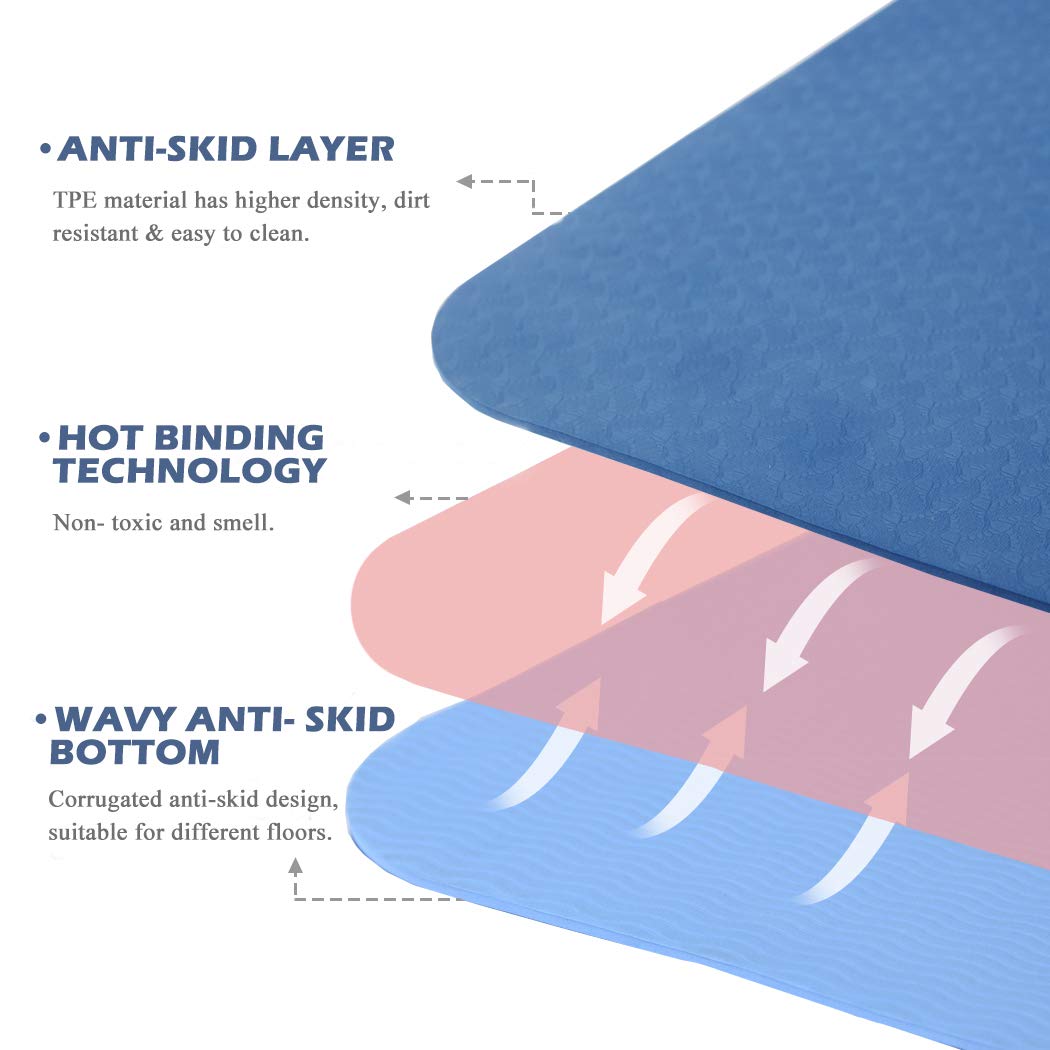
The yoga mat has become one of the most recognizable symbols of the modern wellness movement. As global health awareness continues to rise, the yoga mat sits at the intersection of fitness, mindfulness, and everyday self-care routines. For businesses operating in the wellness industry, understanding why this product holds such strategic importance is essential to making smarter sourcing and sales decisions.
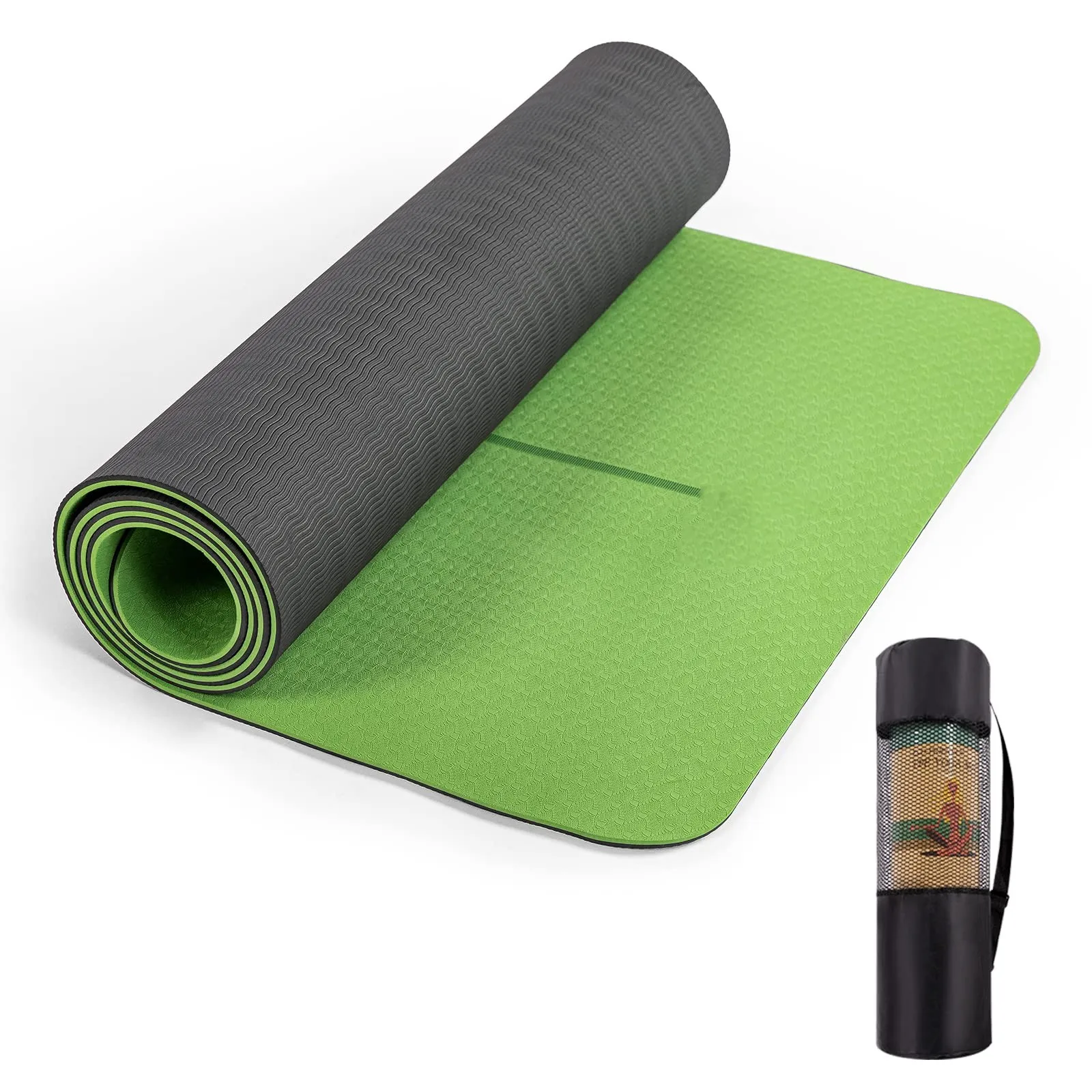
Whether sold through fitness studios, e-commerce platforms, or corporate wellness programs, the yoga mat drives consistent consumer demand across diverse channels. It is not simply a piece of exercise equipment. The yoga mat represents a commitment to personal health, and that emotional and practical value is exactly what makes it indispensable in today's wellness marketplace. This article explores the core reasons why the yoga mat continues to grow in relevance and commercial importance.
The Expanding Role of the Yoga Mat in Wellness Culture
From Niche Practice to Mainstream Demand
Decades ago, the yoga mat was a niche accessory used primarily by dedicated practitioners in specialized studios. Today, it is a mainstream wellness product found in homes, gyms, corporate wellness centers, schools, and rehabilitation facilities. This shift reflects a broader cultural transition toward preventive health practices and holistic well-being. The yoga mat has grown alongside this movement, becoming one of the first products consumers purchase when they begin any form of physical wellness routine.
The appeal of the yoga mat extends well beyond yoga itself. Pilates practitioners, stretching enthusiasts, meditation practitioners, and general fitness users all rely on the yoga mat daily. This cross-disciplinary usage dramatically expands the addressable market for B2B buyers, retailers, and fitness product distributors. A single yoga mat SKU can serve multiple customer segments simultaneously, which is a rare and valuable quality in any product category.
Consumer Psychology and the Yoga Mat Purchase Decision
Consumers do not purchase a yoga mat purely for functional reasons. The yoga mat is often the first physical investment someone makes in a new wellness habit, carrying symbolic weight alongside practical utility. When a customer buys a yoga mat, they are making a statement about their lifestyle values and personal health priorities. This emotional dimension of the yoga mat purchase creates strong brand loyalty and repeat buying behavior over time.
For wellness brands and fitness retailers, this psychology translates directly into sales strategy. A well-positioned yoga mat offering can serve as a gateway product that opens the door to upselling accessories, apparel, and training programs. The yoga mat is rarely a one-time purchase. Consumers replace their yoga mat regularly due to wear, upgrade preferences, or changes in fitness focus, creating a sustainable demand cycle for sellers.
Why the Yoga Mat Is a High-Value B2B Product
Consistent Demand Across Multiple Sales Channels
From a business perspective, the yoga mat offers remarkable channel versatility. It sells effectively through direct-to-consumer e-commerce, wholesale distribution to fitness studios, bulk supply to hotels and resorts, and corporate wellness procurement. This multi-channel suitability reduces commercial risk for distributors and wholesalers who carry the yoga mat as a core product line. The yoga mat does not depend on a single retail format to perform well in the market.
Fitness studios, in particular, represent a consistent B2B buyer segment for the yoga mat. Studios regularly restock their yoga mat inventory to maintain hygiene standards and replace worn equipment. This creates predictable reorder cycles that benefit suppliers. Hotels and wellness retreat centers have similarly increased their yoga mat procurement as guest wellness amenities have become a competitive differentiator in the hospitality sector.
Material and Design Innovation Driving Premium Pricing
The yoga mat category has evolved significantly in terms of materials, design, and functionality. Eco-friendly options made from TPE, natural rubber, or cork have elevated the perceived value of the yoga mat in premium wellness segments. Consumers and institutional buyers increasingly seek a yoga mat that aligns with sustainability values, which has created new pricing tiers and margin opportunities for sellers. A high-quality yoga mat with certified materials commands considerably stronger pricing than a basic PVC version.
Non-slip surface technology, alignment guides, thickness variation, and antimicrobial treatments are just a few of the design features that have enhanced the commercial appeal of the yoga mat. Each innovation gives sellers a new angle for product differentiation. For B2B buyers sourcing the yoga mat at scale, these features also translate into customer satisfaction, fewer returns, and stronger brand reputation in the wellness space.
Strategic Importance of the Yoga Mat in Wellness Market Growth
Alignment With Long-Term Wellness Trends
The global wellness industry continues to expand, driven by aging populations, increasing stress-related health concerns, and rising disposable incomes in developing markets. The yoga mat benefits directly from each of these macro trends. As more consumers prioritize physical and mental well-being, the yoga mat naturally becomes one of the first tangible products they seek. This structural alignment with long-term wellness trends makes the yoga mat a strategically sound product to carry for any fitness-oriented business.
Digital fitness platforms, online yoga classes, and wellness apps have also fueled yoga mat demand significantly. As home workout culture expanded, millions of new users required a yoga mat to participate in digital wellness programs. This shift created a surge in yoga mat demand that has largely sustained itself even as physical studios reopened. The yoga mat has become a permanent fixture in home fitness setups globally.
The Yoga Mat as a Brand-Building Tool
For wellness brands, the yoga mat is also a powerful branding asset. Custom-printed yoga mat products carry company logos, motivational messaging, or brand color schemes that reinforce identity every time a consumer practices. Corporate wellness programs frequently gift a branded yoga mat to employees as part of health initiatives, extending brand visibility into personal spaces. This dual function as both a utility product and a brand communication tool elevates the strategic value of the yoga mat beyond ordinary fitness equipment.
Wellness market buyers who understand this branding dimension of the yoga mat can develop stronger product propositions and capture higher-value contracts. The yoga mat is not simply a commodity. It is a platform for wellness messaging, and that makes it a uniquely powerful product within the broader fitness and health landscape.
FAQ
What makes the yoga mat different from other fitness products in wellness markets?
The yoga mat stands out because it serves both functional and emotional roles. It is used across multiple disciplines including yoga, pilates, and stretching, and it often represents a consumer's first commitment to a wellness lifestyle. This broad utility and emotional significance create stronger and more durable demand compared to many other single-purpose fitness products.
How should B2B buyers evaluate yoga mat quality when sourcing at scale?
B2B buyers should assess yoga mat quality by examining material certifications, surface grip performance, thickness consistency, and durability under repeated use. Eco-friendly materials such as TPE with ISO certification indicate production standards that align with premium wellness market expectations. Reliable non-slip properties and dimensional stability are especially critical for studio and hospitality applications.
Why is the yoga mat considered a gateway product in wellness retail?
The yoga mat is typically one of the first purchases a new wellness consumer makes, which positions it as a natural entry point into broader fitness spending. Once a customer owns a yoga mat, they are far more likely to invest in related accessories, apparel, digital subscriptions, and studio memberships. Retailers who offer a strong yoga mat selection can leverage this purchase behavior to drive higher average customer lifetime value.