 EN
EN


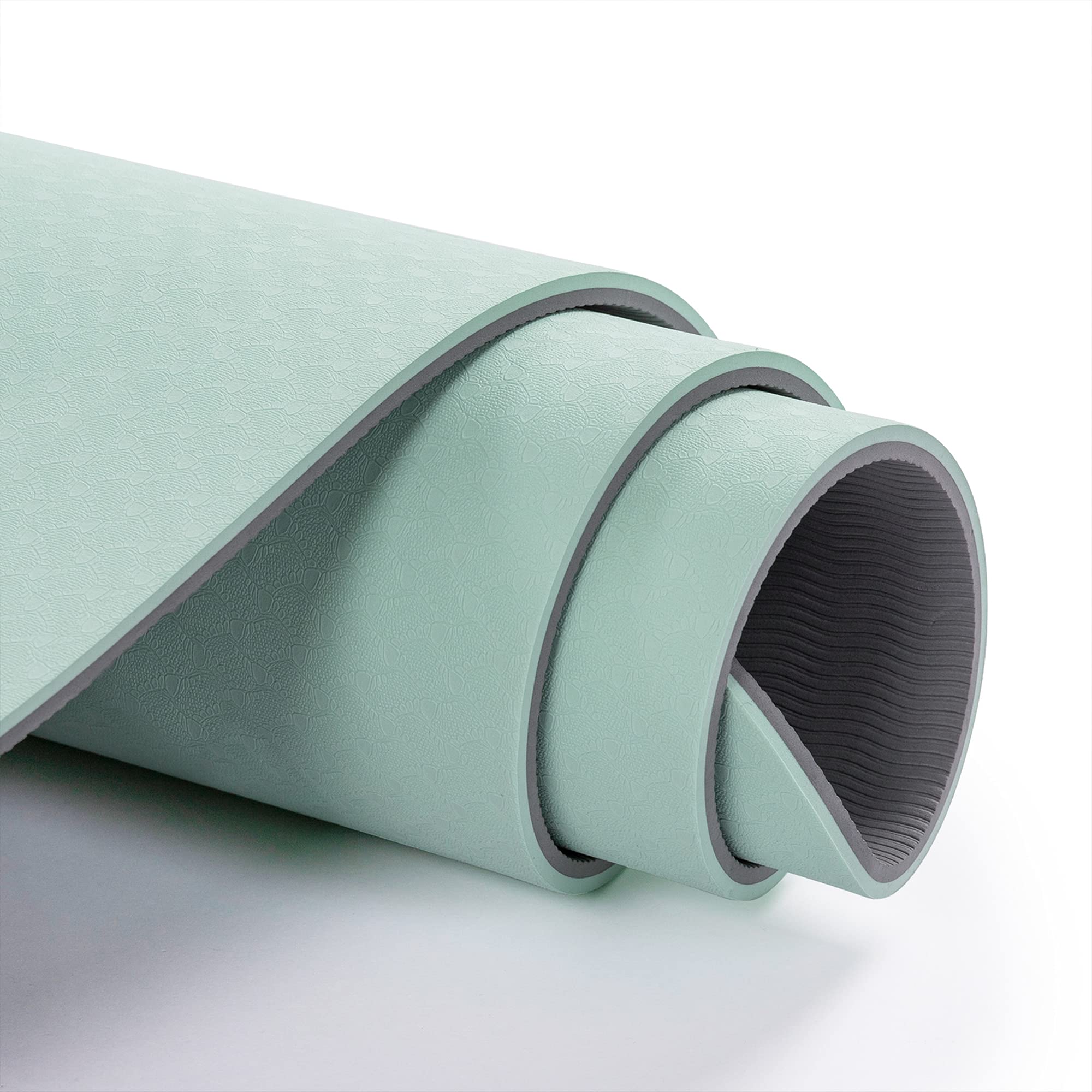
For fitness brands, gyms, and wellness retailers looking to stand out in a competitive market, the question of whether a yoga mat supplier can support OEM and private label projects is one that deserves a clear and practical answer. The short answer is yes — many established yoga mat manufacturers today offer both OEM and private label services, giving brands the flexibility to develop products that carry their own identity. Understanding how this works, and what conditions make it successful, is essential for any business planning to launch or expand a yoga mat product line.
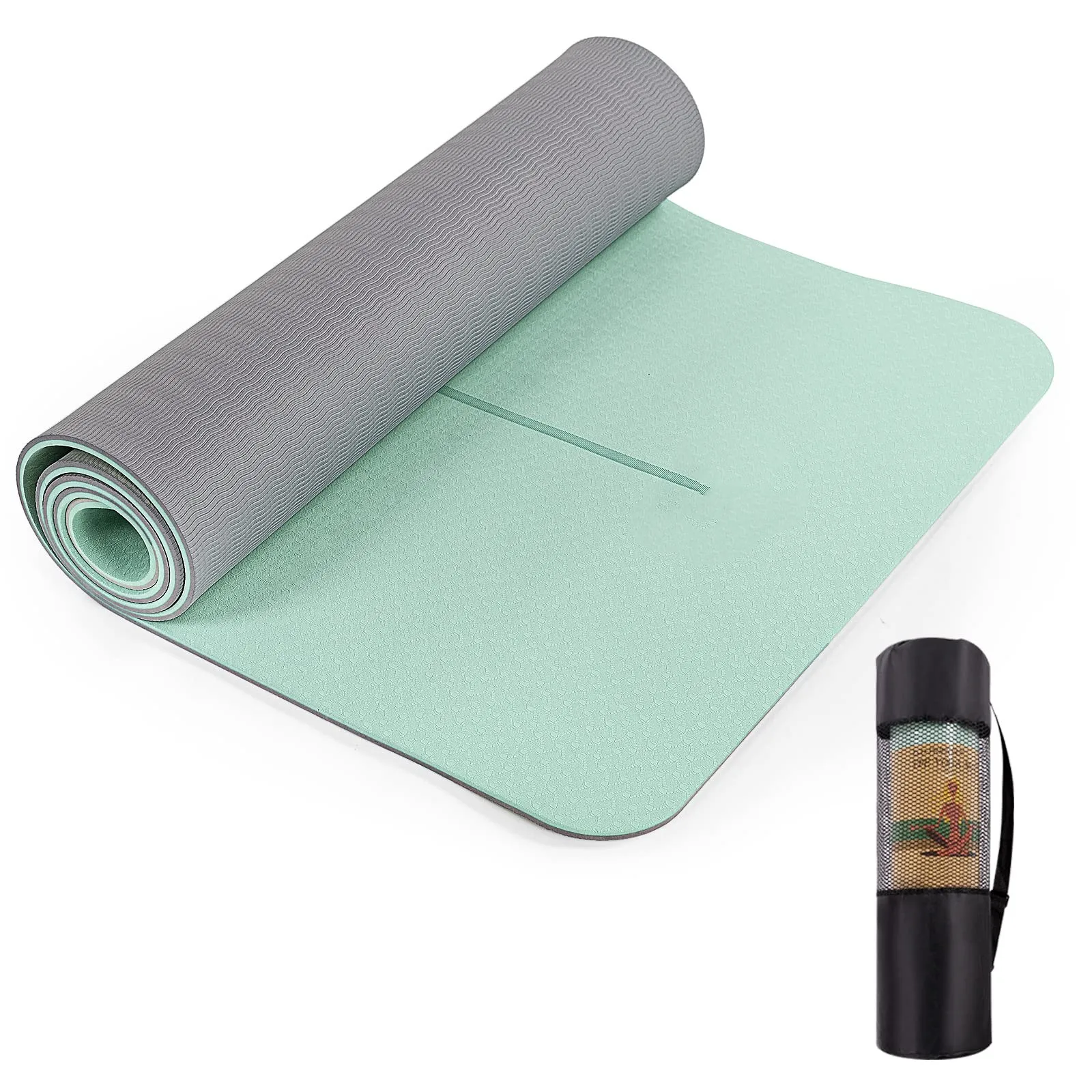
Whether you are a startup building your first yoga mat collection or an established fitness brand seeking to differentiate through exclusive products, supplier-led customization programs have become a reliable pathway. Suppliers with dedicated OEM and private label capabilities handle everything from yoga mat material selection and thickness to branding, logo printing, and custom packaging. This article walks through the key dimensions of how yoga mat suppliers support these projects, what the process typically involves, and what buyers should evaluate when choosing a manufacturing partner.
OEM vs. Private Label for Yoga Mat Products
Understanding the Difference in Yoga Mat Customization
OEM, or Original Equipment Manufacturing, means the buyer works with a supplier to develop a yoga mat to their own specifications. This includes defining the yoga mat material — such as TPE, natural rubber, or PVC — the thickness, surface texture, size, color scheme, and printed design. The supplier manufactures the yoga mat based on those specifications, and the finished product carries the buyer's brand. Private label, by contrast, typically involves selecting from a supplier's existing yoga mat designs or molds and applying the buyer's branding to those ready-made products. Both paths give brands ownership over how their yoga mat appears in the market, but they differ in the depth of product development involvement.
For many B2B buyers, the choice between OEM and private label depends on budget, timeline, and how unique the yoga mat needs to be. A brand launching its first yoga mat product often finds private label to be a faster and lower-risk entry point, while brands with specific performance or aesthetic requirements typically pursue full OEM development. Suppliers who support both models offer more flexibility, making them particularly valuable partners for growing businesses.
Yoga Mat Material and Spec Flexibility
A yoga mat supplier with genuine OEM capability should be able to accommodate a meaningful range of material choices. TPE yoga mat products are among the most commonly requested for OEM projects because the material is eco-friendly, lightweight, and printable with detailed surface graphics. Natural rubber yoga mat options are also in demand for premium wellness brands. Suppliers with in-house production lines can adjust yoga mat thickness, density, and grip texture to meet buyer requirements. This level of yoga mat specification control is what separates a capable OEM partner from a simple reseller.
The OEM and Private Label Process for Yoga Mat Orders
From Yoga Mat Brief to Production
The typical OEM yoga mat project begins with a buyer brief that outlines product requirements, intended use, and brand direction. The supplier reviews those requirements and provides a technical assessment, including yoga mat material recommendations, feasible dimensions, and printing method options. From there, a sample yoga mat is produced so the buyer can evaluate quality, feel, and print accuracy before committing to a full production run. This sampling phase is critical — it gives buyers a tangible reference for the yoga mat they will be bringing to market and ensures alignment before large volumes are produced.
Once the sample yoga mat is approved, the supplier moves into bulk production. Lead times for a custom yoga mat order vary depending on order volume, material availability, and printing complexity. Reliable suppliers will communicate realistic timelines and provide production updates throughout the process. For private label yoga mat orders, the timeline is typically shorter since the base yoga mat design already exists and only branding elements need to be applied.
Minimum Order Quantities and Yoga Mat Pricing
One practical consideration for any yoga mat OEM project is the minimum order quantity, often referred to as MOQ. Suppliers set yoga mat MOQs based on the economics of custom production — lower MOQs are possible for private label yoga mat programs where tooling costs are already absorbed, while full OEM yoga mat development with custom molds or unique materials typically requires higher minimum commitments. Buyers should request clear MOQ terms early in the conversation to ensure the project is financially viable at their intended scale. Pricing for a custom yoga mat order depends on material type, yoga mat thickness, print complexity, and volume, so getting a detailed quotation based on actual specifications is essential.
Evaluating a Yoga Mat Supplier for OEM Capability
Key Indicators of a Capable Yoga Mat Manufacturing Partner
Not every yoga mat supplier that claims OEM capability has the infrastructure to deliver consistently. Buyers should look for suppliers with in-house yoga mat production lines, dedicated quality control processes, and experience producing branded yoga mat products for international clients. Certifications relevant to yoga mat materials — such as eco-material certifications or safety testing compliance — are also meaningful indicators of a supplier's reliability. A yoga mat supplier that can provide documentation, test reports, and sample portfolios is better positioned to deliver a product that meets both brand standards and regulatory requirements in the buyer's target market.
Communication and Development Support for Yoga Mat Projects
Effective communication is one of the most underestimated factors in a successful yoga mat OEM or private label project. Buyers benefit greatly from suppliers who assign dedicated project managers or account contacts who understand the yoga mat development process. Clear communication around yoga mat sample revision cycles, production milestones, and packaging options prevents costly delays and misunderstandings. A supplier who proactively shares updates on the yoga mat order status and responds quickly to technical questions is a partner who adds real value beyond just manufacturing the product.
FAQ
What is the typical MOQ for a custom yoga mat OEM order?
MOQs for a custom yoga mat order vary by supplier and project type. Private label yoga mat programs with existing molds often have lower MOQs, sometimes starting from a few hundred units. Full OEM yoga mat development with custom specifications may require higher minimums to cover tooling and setup costs. Always confirm MOQ terms with your yoga mat supplier before starting the design phase.
Can a yoga mat supplier print a custom logo or pattern on the surface?
Yes, most yoga mat suppliers offering OEM services support surface printing for logos, patterns, and brand graphics. TPE yoga mat products are particularly well-suited to detailed custom printing. The printing method, color accuracy, and durability of the yoga mat print should be confirmed through a sample before placing a bulk order. Requesting a physical sample of the printed yoga mat is always recommended.
How long does it take to complete a yoga mat OEM project from brief to delivery?
A full OEM yoga mat project — from initial brief to bulk delivery — typically takes between 45 and 90 days depending on the complexity of the yoga mat design, material sourcing lead times, and sample approval rounds. Private label yoga mat orders are generally faster since the base product is already established. Your yoga mat supplier should provide a clear production schedule once the sample is approved and the order is confirmed.