 EN
EN


A yoga mat is one of the most essential tools for anyone who practices stretching exercises regularly. Whether you are warming up before a workout, cooling down after a run, or following a dedicated flexibility routine, the surface you stretch on directly affects how comfortable, safe, and effective each movement feels. A yoga mat provides the foundational support your body needs to move freely and confidently through a full range of motion.
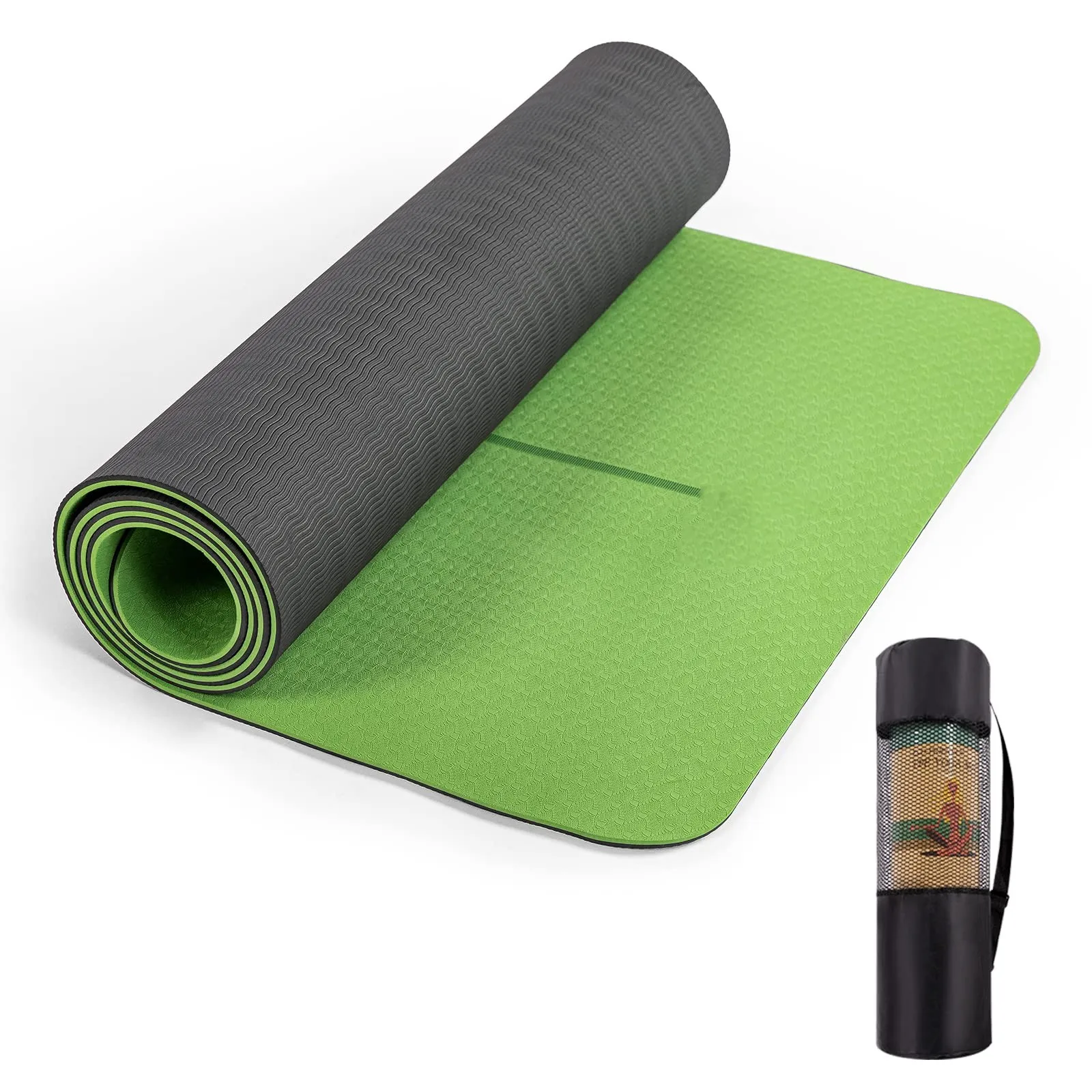
Understanding how a yoga mat improves comfort during stretching helps you make better decisions about your fitness setup. A yoga mat is not simply a decorative accessory or a floor covering. It is a functional piece of equipment designed to cushion pressure points, stabilize your posture, and create a reliable surface for controlled movement. The right yoga mat transforms stretching from an uncomfortable floor routine into a focused, body-friendly practice that you can sustain over time.
Cushioning and Joint Protection During Stretching
How a Yoga Mat Absorbs Pressure on Hard Surfaces
When you stretch on a bare floor, the hard surface transfers direct pressure onto your knees, hips, elbows, and spine. A yoga mat creates a cushioned layer between your body and the ground, distributing that pressure more evenly across a wider surface area. This reduction in pressure concentration is what makes stretching on a yoga mat noticeably more comfortable than stretching without one.
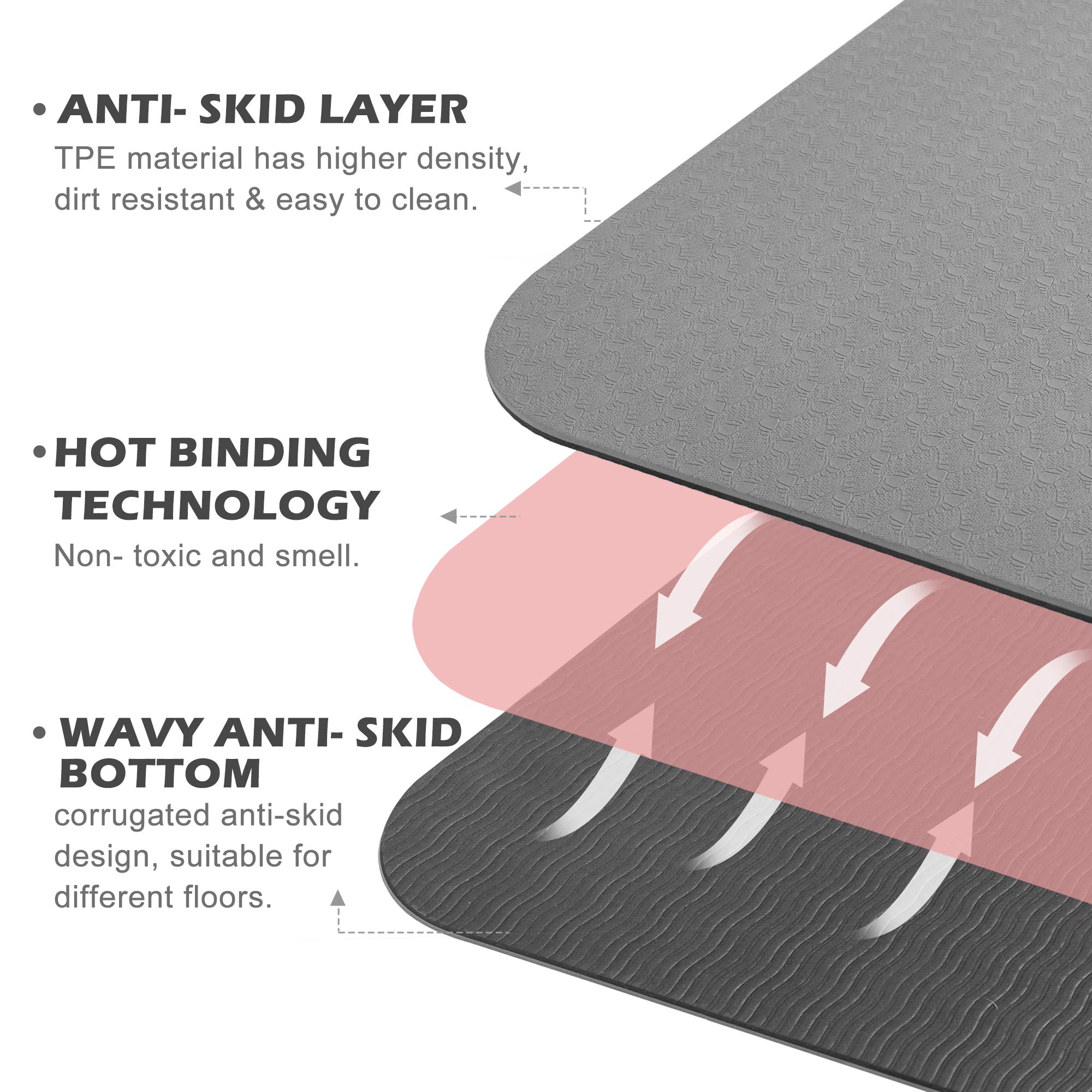
A quality yoga mat with sufficient thickness, such as a 6mm TPE yoga mat, provides enough foam-like resilience to soften contact points without sacrificing stability. This is especially valuable during floor-based stretches like pigeon pose, seated forward folds, or supine spinal twists, where bony areas make prolonged contact with the ground. A yoga mat absorbs this impact and allows you to hold stretches longer without discomfort cutting your session short.
Spinal Support and Alignment in Reclined Positions
Reclined stretches place the entire length of your spine in contact with the floor. A yoga mat provides a gentle but firm base that supports spinal alignment during these positions. Without a yoga mat, the natural curves of your lower back lose their support, creating tension that can lead to discomfort and reduced stretch effectiveness. With a yoga mat beneath you, your spine maintains its natural position and you can relax more deeply into each reclined stretch.
Non-Slip Grip and Postural Stability
Why Grip Matters in Stretching Exercises
Slipping during a stretch is not only uncomfortable, it can lead to muscle strain or joint injury. A yoga mat with a textured, non-slip surface gives your hands, feet, and knees firm traction during dynamic and static stretches alike. This grip allows you to push deeper into a stretch with confidence, knowing your limbs will stay exactly where you place them throughout the movement.
The non-slip quality of a yoga mat is especially important during active stretching routines that involve transitions between positions. Downward-facing dog, low lunge, and lateral side stretches all require your hands and feet to maintain firm contact with the surface. A yoga mat engineered with a high-friction layer ensures these contact points remain stable so you can focus entirely on the stretch rather than managing your footing.
Core Stability and Balanced Body Mechanics
A yoga mat also contributes to better body mechanics by giving you a defined, consistent surface to work within. When your yoga mat has clear boundaries and a stable texture, your body unconsciously organizes itself more symmetrically. This symmetry is important during stretching because asymmetrical tension often leads to compensatory movements that reduce the quality of the stretch and increase injury risk. A yoga mat encourages the kind of balanced, centered body mechanics that make each stretching exercise more effective.
Thermal Comfort and Psychological Focus
Insulation from Cold Floors
Cold floors are a frequently overlooked source of discomfort during stretching. When your body makes prolonged contact with a cold surface, muscles naturally tighten, which is the opposite of what you need during a stretch. A yoga mat acts as a thermal barrier, insulating your body from the cold floor beneath. This insulation keeps your muscles warmer and more pliable throughout your stretching session, allowing for greater range of motion and more productive flexibility work.
This thermal benefit is particularly noticeable in home gym settings or unheated spaces where floor temperatures drop significantly in cooler months. A yoga mat made from TPE material is known for its insulating properties alongside its eco-friendly composition, making it a practical choice for year-round stretching comfort.
Creating a Dedicated Mental Space for Stretching
A yoga mat also plays a psychological role in improving your stretching practice. Rolling out your yoga mat signals to your brain that it is time to slow down, focus, and commit to movement. This mental boundary created by your yoga mat helps reduce distraction and increases mindfulness during your routine. Research in sports psychology consistently shows that dedicated physical environments improve consistency and performance, and your yoga mat is precisely that kind of dedicated environment at a personal scale.
When you associate your yoga mat with intentional stretching practice, stepping onto it naturally shifts your mental state toward focus and relaxation. Over time, this association deepens, making your yoga mat not just a physical support tool but also a mental cue that prepares your body to stretch more openly and effectively.
FAQ
What thickness of yoga mat is best for stretching comfort?
A yoga mat with a thickness of 6mm is generally considered ideal for stretching comfort. This thickness provides sufficient cushioning for pressure points like knees and hips while still offering a stable surface that supports balance and body alignment during various stretching positions.
Can I use a yoga mat on any floor surface for stretching?
Yes, a yoga mat is designed to work on most common floor surfaces, including hardwood, tile, laminate, and carpet. A yoga mat with a high-grip bottom layer performs best on smooth surfaces, while on carpet, a yoga mat with moderate grip is typically sufficient to prevent sliding during stretching exercises.
How does a yoga mat differ from a regular exercise mat for stretching?
A yoga mat is specifically designed with a balance of cushioning, grip, and surface texture that suits stretching and bodyweight movements. A regular exercise mat is often thicker and more padded, which can reduce the stability needed for precise stretching positions. For flexibility work and stretching routines, a yoga mat typically offers better performance because it keeps you closer to the ground while still protecting your joints.