 EN
EN


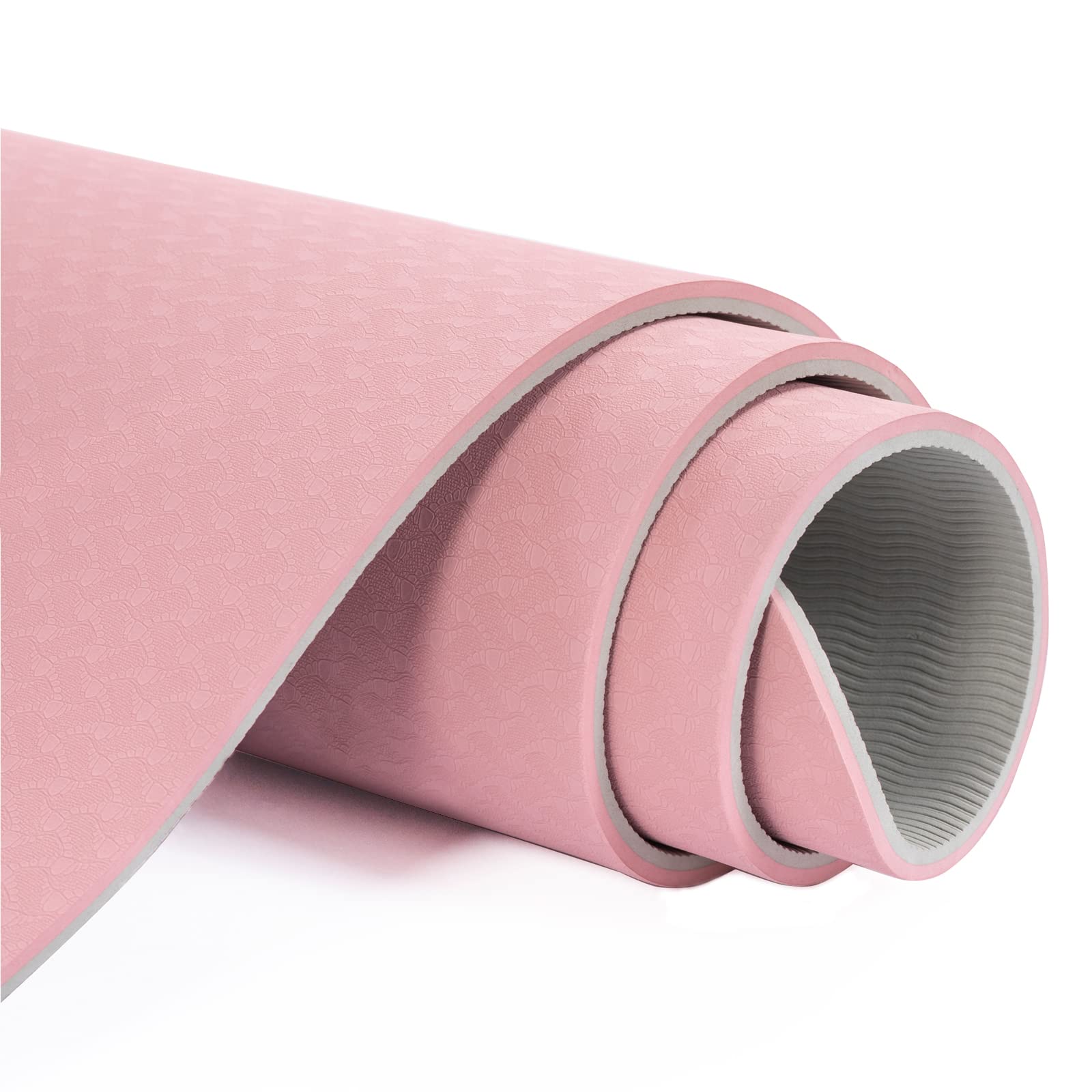
Every detail inside a fitness studio communicates a message to clients, and the yoga mat is one of the most visible and tactile touchpoints in the entire space. When a client steps onto a yoga mat, they immediately form an impression about the studio's standards, values, and commitment to their experience. A worn, slippery, or poorly constructed yoga mat sends a negative signal, while a firm, clean, and durable yoga mat reinforces trust and professionalism.
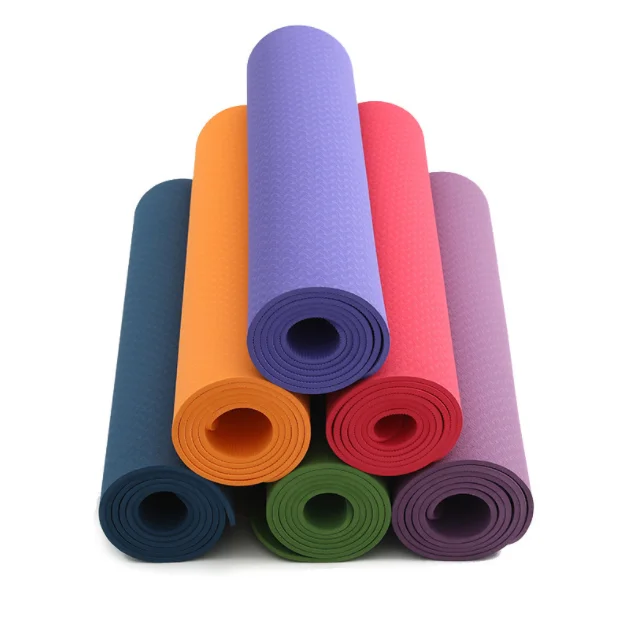
Fitness studios that invest in a high-quality yoga mat understand that equipment is not just a functional purchase — it is a strategic business decision. The right yoga mat supports consistent class delivery, reduces liability risk, and strengthens the studio's brand identity. This article explores the core reasons why serious fitness studios prioritize quality when sourcing every yoga mat for their space.
Safety and Performance Drive Yoga Mat Selection
Anti-Slip Properties Protect Every Practitioner
One of the most critical reasons a fitness studio invests in a premium yoga mat is safety. During dynamic flows, heated sessions, or intensive strength-based yoga classes, practitioners sweat significantly. A yoga mat with inadequate grip becomes a hazard, increasing the risk of slips, falls, and injuries. Studios that equip their floors with a high-traction yoga mat actively reduce liability exposure while demonstrating genuine care for client wellbeing. Anti-slip surface technology on a quality yoga mat maintains grip even under heavy moisture, making it suitable for a wider range of class formats.
Cushioning and Joint Support in Every Yoga Mat
Beyond grip, cushioning is another reason studios choose a superior yoga mat over a budget alternative. Practitioners spend long periods in poses that load the knees, wrists, spine, and hips. A yoga mat that lacks adequate density fails to absorb impact and contributes to joint discomfort. A well-constructed yoga mat made from materials such as TPE provides consistent cushioning that protects practitioners across multiple sessions. When clients feel physically supported by their yoga mat, they associate that comfort with the studio itself, building long-term loyalty.
Brand Value and Client Retention Through Yoga Mat Quality
A Yoga Mat Reflects Studio Standards
Fitness studios operate in a competitive market where client experience determines retention rates. The yoga mat is not just equipment — it is part of the studio's visual and tactile brand identity. When every yoga mat on the studio floor is uniform, clean, and well-maintained, it projects an image of organization and professionalism. Studios that customize their yoga mat with a logo or branded color scheme take this further, turning every session into a brand impression. A customized yoga mat creates a cohesive studio environment that clients associate with quality and consistency.
Client Perception Begins With the Yoga Mat
New clients form strong first impressions within the first few minutes of arriving at a studio. The moment they pick up a yoga mat and feel its weight, texture, and resilience, they make a judgment about the studio's investment in their experience. A thick, odor-free, and visually appealing yoga mat signals that the studio takes its service seriously. Repeat clients also notice the quality of their yoga mat session after session, and a yoga mat that degrades quickly — losing grip, peeling, or developing odors — becomes a source of dissatisfaction. Investing in a durable yoga mat therefore directly supports higher client retention.
Operational Efficiency and Long-Term Cost Value of Yoga Mats
Durability Reduces Yoga Mat Replacement Frequency
From a business operations perspective, purchasing a cheaper yoga mat seems like a cost-saving measure, but it often leads to higher long-term expenses. A low-quality yoga mat deteriorates faster, requiring frequent replacement. In contrast, a durable yoga mat made from high-density TPE or similar materials maintains its structure and surface integrity through hundreds of sessions. A studio that selects a long-lasting yoga mat reduces its procurement frequency, minimizes waste, and lowers the total cost of ownership over time. The investment in a quality yoga mat pays for itself through extended product lifespan.
Eco-Friendly Yoga Mat Options Align With Studio Values
Many modern fitness studios are built around wellness philosophies that extend beyond the physical practice. Clients who attend yoga sessions are often environmentally conscious and respond positively to studios that reflect similar values. A yoga mat produced from eco-friendly and non-toxic materials, such as TPE, demonstrates that the studio's values align with those of its clientele. Offering a sustainably manufactured yoga mat can become a meaningful differentiator in the market. It is not just about having a yoga mat on the floor — it is about choosing a yoga mat that reflects the studio's holistic approach to health and responsibility.
FAQ
What material should a fitness studio look for in a yoga mat?
Fitness studios should prioritize a yoga mat made from high-density, non-toxic materials such as TPE. A TPE yoga mat offers excellent cushioning, anti-slip performance, and resistance to wear across high-use environments. It is also more eco-friendly than PVC alternatives, making it a strong choice for studios that value sustainability. The ideal yoga mat balances durability, grip, and material safety to support diverse practitioners and class types.
How often should a fitness studio replace its yoga mat inventory?
The replacement timeline for a yoga mat depends largely on usage intensity and material quality. A high-quality yoga mat used in daily group classes can last significantly longer than a budget yoga mat under the same conditions. Studios should inspect each yoga mat regularly for surface degradation, loss of grip, or structural compression. Replacing a yoga mat before it becomes a safety issue protects both clients and the studio's reputation.
Can a studio order a customized yoga mat with its own logo?
Yes, many yoga mat manufacturers offer customized logo options for fitness studios. A branded yoga mat allows studios to reinforce their identity during every class and can also be sold as retail merchandise to clients. Customization options typically include surface printing, color selection, and thickness specifications. Ordering a customized yoga mat in bulk often reduces the per-unit cost, making it both a branding and cost-efficient decision for growing fitness studios.