 EN
EN


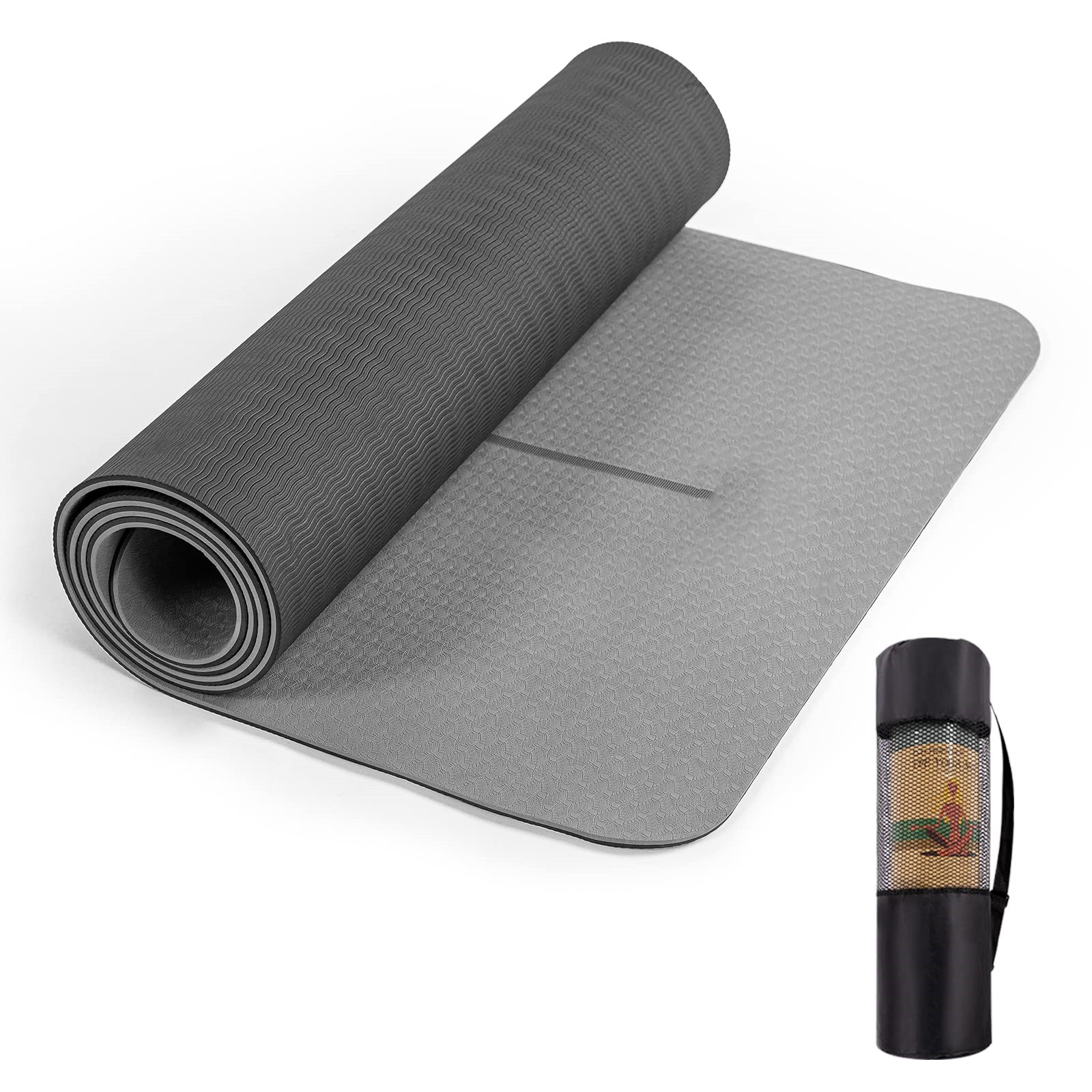
Pregnancy and postpartum recovery are two of the most physically demanding phases of a person's life. Many expectant and new mothers seek low-impact exercise options that keep the body strong without placing undue stress on joints, muscles, or the growing baby. One of the most accessible tools for this purpose is a yoga mat. But can a yoga mat truly support both prenatal and postnatal fitness in a meaningful, safe way? The short answer is yes — provided you choose the right yoga mat and use it with intention and proper guidance.
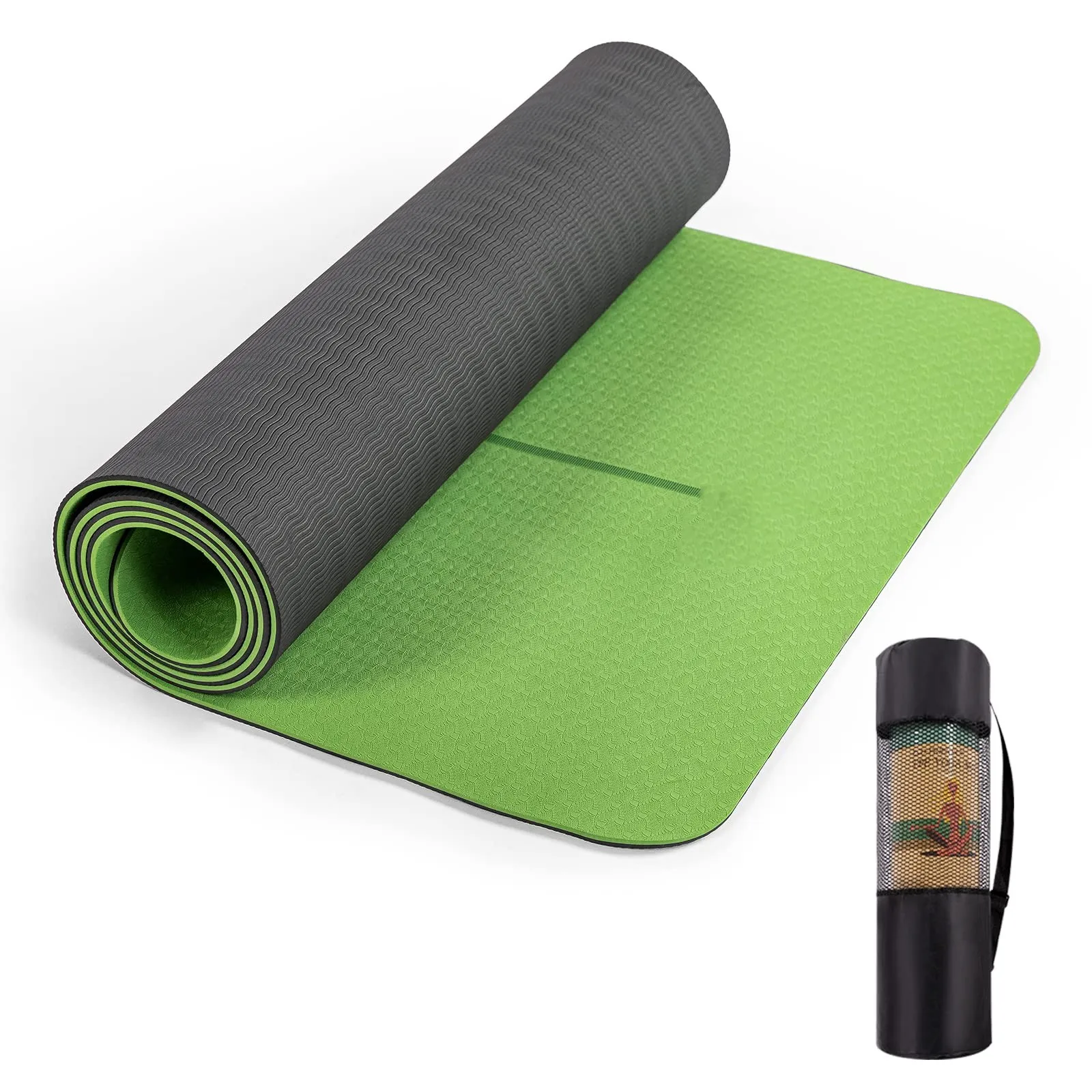
A yoga mat is far more than a simple floor covering. For prenatal and postnatal exercisers, a yoga mat becomes a dedicated space for breathing, stretching, strengthening, and recovery. The properties of your yoga mat — including its thickness, grip level, material safety, and surface texture — all directly influence how effective and comfortable your workout experience will be during pregnancy and the months that follow. This article explores exactly how a yoga mat can serve both stages of motherhood fitness, what features matter most, and how to integrate it into your daily routine.
How a Yoga Mat Supports Prenatal Exercise
Joint Cushioning and Postural Support During Pregnancy
As pregnancy progresses, the body undergoes significant changes in weight distribution, balance, and joint flexibility. A high-quality yoga mat with adequate thickness provides essential cushioning for the knees, hips, wrists, and spine during floor-based exercises. Without a proper yoga mat, hard surfaces can cause discomfort during poses that require kneeling or prone positioning. A yoga mat rated at 6mm or more in thickness is generally recommended during the second and third trimesters, as it reduces pressure on sensitive joints and provides a more stable base for modified standing poses.
Balance also becomes a genuine concern as the center of gravity shifts during pregnancy. A non-slip yoga mat with strong surface grip helps prevent dangerous slips during standing yoga flows, gentle warrior sequences, or supported stretches. Choosing a yoga mat made from eco-friendly TPE or natural rubber also reduces exposure to potentially harmful chemical off-gassing, which is an important consideration when exercising during pregnancy. Every session on a safe yoga mat contributes to maintaining core strength, pelvic floor awareness, and body confidence.
Breathwork and Relaxation on the Yoga Mat
Prenatal fitness is not only about physical movement. Breath control, meditation, and stress reduction are integral components of a healthy pregnancy routine. A yoga mat provides a clean, designated surface for diaphragmatic breathing exercises, seated meditation, and restorative poses such as supported child's pose and reclined butterfly. When a mother-to-be rolls out her yoga mat each day, it creates a psychological signal of calm and intention, which is itself beneficial for cortisol management and overall mental wellbeing. The yoga mat becomes a sanctuary — a space where both body and mind can prepare for the demands of labor and early parenthood.
How a Yoga Mat Supports Postnatal Recovery
Rebuilding Core Strength and Pelvic Floor Function
After childbirth, the body needs gradual, low-impact rehabilitation. The yoga mat is the ideal platform for postnatal recovery exercises because it supports floor work safely and comfortably. Exercises such as bridge pose, gentle cat-cow stretches, and modified planks performed on a yoga mat allow new mothers to reactivate deep core muscles and begin pelvic floor rehabilitation without the risks associated with high-impact activities. Medical professionals and postpartum specialists frequently recommend yoga mat exercises as part of structured postnatal recovery programs precisely because the yoga mat supports movement without imposing excessive load on a healing body.
A thick yoga mat also reduces joint fatigue during sessions, which is especially valuable when sleep deprivation is a factor for new mothers. The cushioning of a quality yoga mat allows longer, more productive sessions on the floor without discomfort in the knees or lower back. Selecting a yoga mat with a closed-cell surface is also practical for postnatal use, as it resists moisture absorption, making the yoga mat easier to wipe clean between uses — a real advantage for busy new parents managing hygiene alongside infant care.
Progressive Strength Training on the Yoga Mat
As postnatal recovery advances, many mothers use their yoga mat as a base for progressive bodyweight strength training. Movements such as glute bridges, modified push-ups, seated twists, and side-lying hip raises can all be performed effectively on a yoga mat. A yoga mat with strong grip ensures that the hands and feet do not slip during these dynamic movements. Over time, a yoga mat workout can expand to include flowing vinyasa sequences, light resistance band work anchored to the body on the yoga mat, and standing balance challenges that rebuild proprioception after the physical changes of pregnancy. The yoga mat grows with the user's fitness level.
Choosing the Right Yoga Mat for Prenatal and Postnatal Fitness
Material, Thickness, and Non-Slip Performance
Not every yoga mat is equally suited for prenatal and postnatal use. The most important features to evaluate are material safety, thickness, and non-slip performance. A yoga mat made from TPE (thermoplastic elastomer) is a popular choice because it is free from harmful plasticizers, lightweight, and offers reliable grip on both sides. For prenatal and postnatal use, a yoga mat should be at least 6mm thick to ensure adequate joint protection. A yoga mat that is too thin — such as a standard 3mm travel mat — may not provide sufficient cushioning for sensitive postnatal tissue or the heavier frame of a third-trimester body.
Non-slip performance of the yoga mat is equally critical. A yoga mat that shifts underfoot during a balance pose or slides across a smooth floor creates unnecessary fall risk, which is particularly serious during pregnancy. Look for a yoga mat with textured top and bottom surfaces to maximize grip on both the body-contact side and the floor side. Size also matters — a wider, longer yoga mat gives more freedom of movement for the modified and supported poses commonly used in prenatal and postnatal routines. Investing in a well-constructed yoga mat designed for functional fitness will serve mothers across both stages and well beyond.
Ease of Maintenance and Daily Use
A yoga mat used during pregnancy and postpartum will require frequent cleaning. Sweat, oils, and general use accumulate on any yoga mat surface over time. Choosing a yoga mat that can be easily wiped down with a mild natural cleaner ensures hygienic practice sessions. A lightweight yoga mat is also practical for mothers who may want to move their yoga mat between rooms or roll it out quickly during a baby's nap window. The portability of a quality yoga mat is an underappreciated feature that directly supports consistency in prenatal and postnatal exercise routines.
FAQ
Is a yoga mat safe to use throughout all trimesters of pregnancy?
Yes, using a yoga mat throughout pregnancy is generally considered safe when exercises are appropriately modified for each trimester. A yoga mat provides the cushioning, grip, and stability needed for low-impact prenatal movements. Always consult your healthcare provider before beginning or continuing any yoga mat exercise program during pregnancy, particularly in the second and third trimesters when postural changes are most significant.
How soon after childbirth can I start using a yoga mat for postnatal exercise?
Most postnatal practitioners recommend beginning gentle yoga mat exercises — such as diaphragmatic breathing and pelvic floor contractions — within the first few days of uncomplicated vaginal delivery, with physician approval. More active yoga mat movements such as bridge poses and modified core work are typically introduced after the six-week postnatal check-up. Recovery timelines vary by individual and birth type, so always seek medical clearance before progressing your yoga mat routine.
What thickness of yoga mat is best for prenatal and postnatal workouts?
A yoga mat with a thickness of 6mm is widely recommended for prenatal and postnatal fitness because it provides the optimal balance between joint cushioning and surface stability. A thinner yoga mat may not adequately protect sensitive joints, while an excessively thick yoga mat can reduce proprioceptive feedback during balance exercises. A 6mm TPE yoga mat offers the durability, grip, and comfort that support the varied demands of prenatal and postnatal movement practice.