 EN
EN


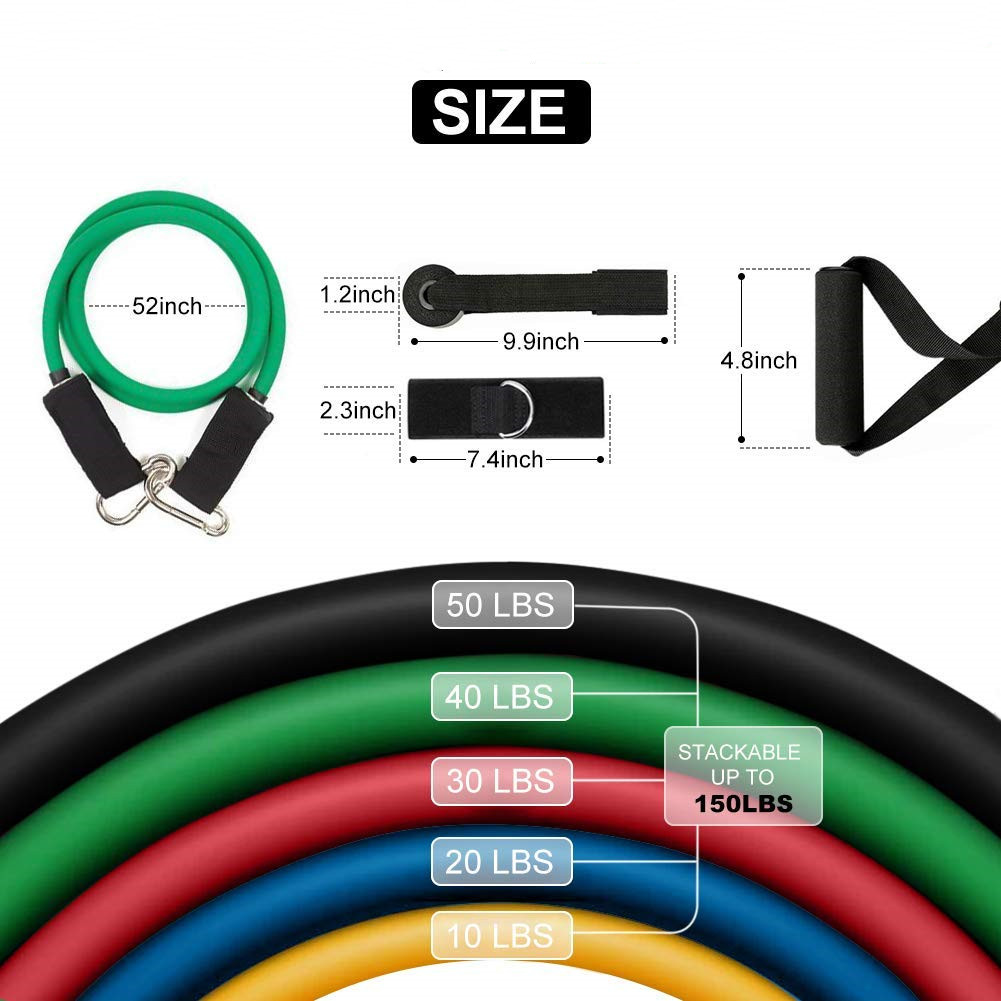
For athletes focused on improving their range of motion, a resistance tube offers a highly practical and effective training tool. Unlike rigid weights or static stretching alone, a resistance tube creates progressive tension that mirrors how muscles and connective tissues naturally lengthen and contract. This dynamic quality makes the resistance tube especially valuable when the goal is sustainable, performance-driven flexibility.
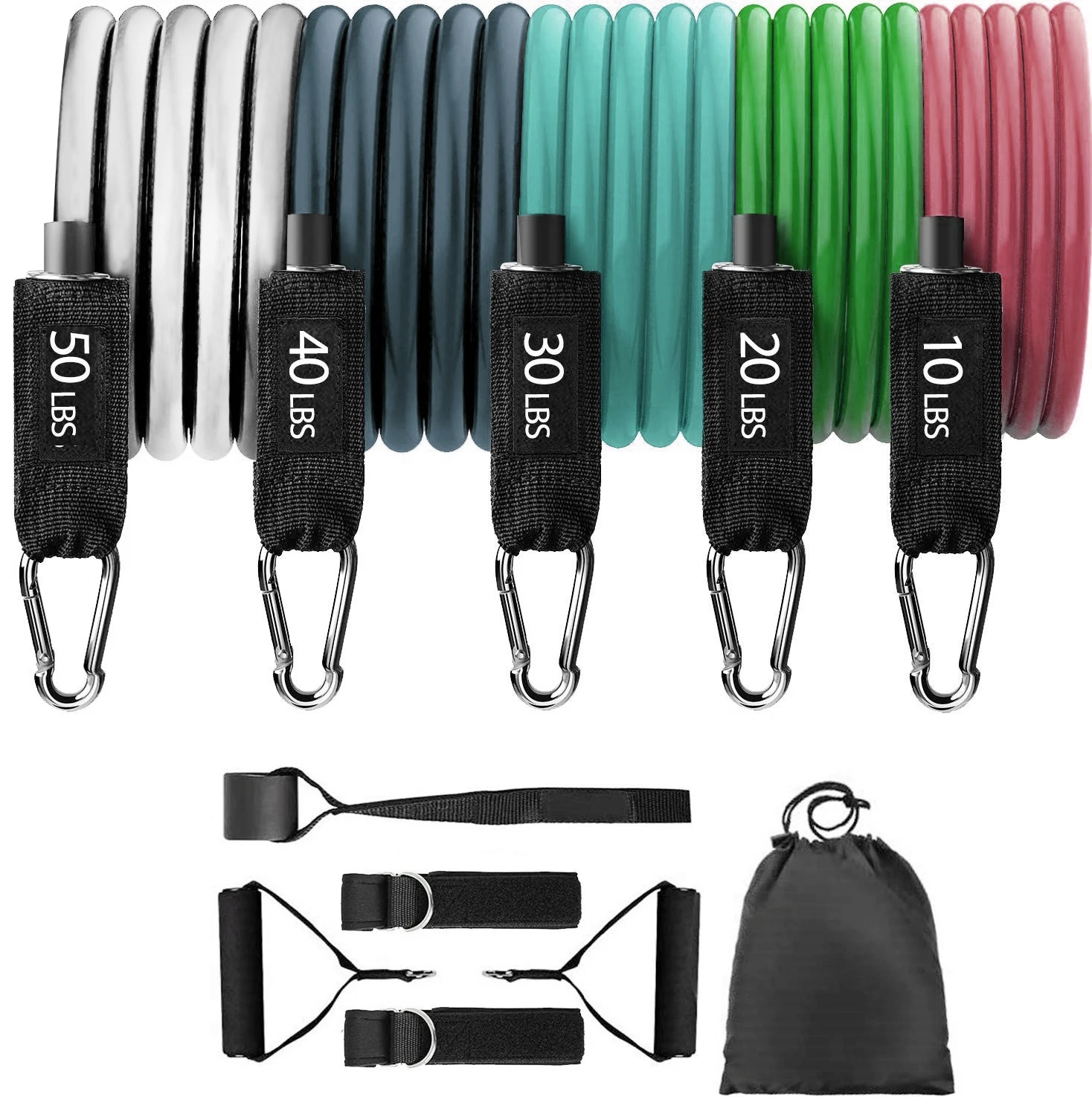
Athletes across disciplines — from sprinters to swimmers, basketball players to martial artists — rely on flexibility as a core physical asset. A resistance tube enables athletes to train flexibility actively, meaning muscles work through a full range while under controlled load. This active approach accelerates mobility gains faster than passive stretching, making the resistance tube a staple in modern athletic conditioning programs.
How a Resistance Tube Builds Flexibility Differently
Active Stretching Under Load
Traditional static stretching relaxes muscles into a lengthened position. A resistance tube changes this equation by asking muscles to stay engaged while they extend. When an athlete uses a resistance tube for a hip flexor stretch or a shoulder opener, the muscle group must actively control the movement against band tension. This teaches the nervous system that deep ranges of motion are safe to enter during athletic activity, not just during cool-down.
Using a resistance tube in this way improves what coaches call 'functional flexibility' — the ability to use full range of motion when speed, power, or coordination is also required. A gymnast who can only reach full hip extension during a static stretch gains little benefit during competition. A resistance tube trains that same range under realistic muscular demand, bridging the gap between passive mobility and athletic movement.
Joint Stability and Flexibility Together
One underrated benefit of resistance tube training is that it builds joint stability and flexibility simultaneously. When an athlete uses a resistance tube around the ankle during a leg swing drill, the stabilizing muscles around the ankle joint must fire continuously while the hip flexor lengthens. This dual demand strengthens the structural support around joints, reducing injury risk as flexibility increases. Many athletes find that resistance tube work helps them maintain the flexibility gains they develop, because the surrounding musculature is strong enough to support new ranges of motion reliably.
Key Resistance Tube Exercises for Flexibility Gains
Lower Body Flexibility Routines
The hamstrings, hip flexors, and hip rotators are critical flexibility zones for most athletes. A resistance tube can be anchored to a fixed point or looped around the foot to create targeted tension through these muscle groups. For hamstring flexibility, an athlete lies on their back, loops the resistance tube around one foot, and slowly draws the leg upward while maintaining tension. The resistance tube provides gentle but consistent feedback, allowing the athlete to find the edge of their range and breathe through it with control.
For hip flexors, attaching the resistance tube at a low anchor and stepping into a deep lunge while the band pulls the hip slightly backward creates an enhanced stretch with active stabilization. Athletes who include resistance tube hip work in their warm-up routines report noticeably improved stride length and comfort during high-intensity movement. A resistance tube is compact enough to bring to any training environment, making consistent lower-body flexibility work far easier to sustain.
Upper Body and Spinal Mobility Work
Shoulder mobility and thoracic spine rotation are often neglected flexibility targets, yet they significantly impact athletic performance in sports like tennis, swimming, baseball, and weightlifting. A resistance tube used for shoulder circles, cross-body pulls, and overhead reach drills actively opens the chest, rotator cuff, and upper back. Because the resistance tube adds load progressively, athletes can move safely into ranges they might rush through in unloaded stretching.
Thoracic rotation drills with a resistance tube are particularly effective. By holding the resistance tube at shoulder height and rotating through the spine while resisting band pull, athletes stimulate deep spinal extensors alongside surface rotators. This combination builds the kind of controlled thoracic mobility that reduces back strain and improves rotational sport performance. Adding a resistance tube to upper body mobility routines creates more lasting changes than stretching alone.
Integrating Resistance Tube Work into Athletic Training
Warm-Up and Pre-Competition Use
A resistance tube is an excellent warm-up tool because it activates muscles while simultaneously increasing tissue temperature and range of motion. Athletes who use the resistance tube for five to ten minutes before training prime their nervous systems for dynamic movement. This contrasts with static stretching before exercise, which can temporarily reduce power output. A resistance tube warm-up threads flexibility work into athletic activation naturally, so athletes arrive at peak readiness faster.
Pre-competition resistance tube routines have become common among track athletes, combat sports practitioners, and team sport players. The portable nature of the resistance tube makes it easy to use in locker rooms, on sidelines, or during travel. Athletes simply loop the resistance tube around a post, a door anchor, or a partner to access a full mobility routine without needing extra equipment.
Recovery and Long-Term Flexibility Development
After intense training sessions, using a resistance tube during cool-down helps muscles return to resting length while maintaining neuromuscular awareness. A light resistance tube cool-down stretch allows the body to lengthen fatigued fibers without overstressing them. Over weeks of consistent use, the resistance tube helps athletes build a cumulative flexibility base that supports both injury prevention and performance advancement. Incorporating a resistance tube into weekly programming — not just occasional sessions — is the key to long-term gains in functional range of motion.
FAQ
How often should athletes use a resistance tube for flexibility training?
Athletes benefit most from using a resistance tube for flexibility work four to six times per week, either as part of a warm-up, cool-down, or dedicated mobility session. Consistency is more important than session length when building lasting flexibility improvements with a resistance tube.
Can beginners use a resistance tube safely for flexibility exercises?
Yes, beginners can use a resistance tube safely by starting with a lower resistance level and focusing on controlled movement. A light resistance tube allows new athletes to explore their range of motion without risk of overstretching. As comfort and strength develop, athletes can progress to higher tension resistance tube options.
What resistance tube tension level is best for flexibility training?
For flexibility-focused exercises, a light to medium resistance tube is generally most effective. Heavy resistance tube tension can limit range of motion rather than enhance it. The goal is to use a resistance tube level that challenges control without preventing the athlete from reaching full extension through their target movement patterns.