 EN
EN


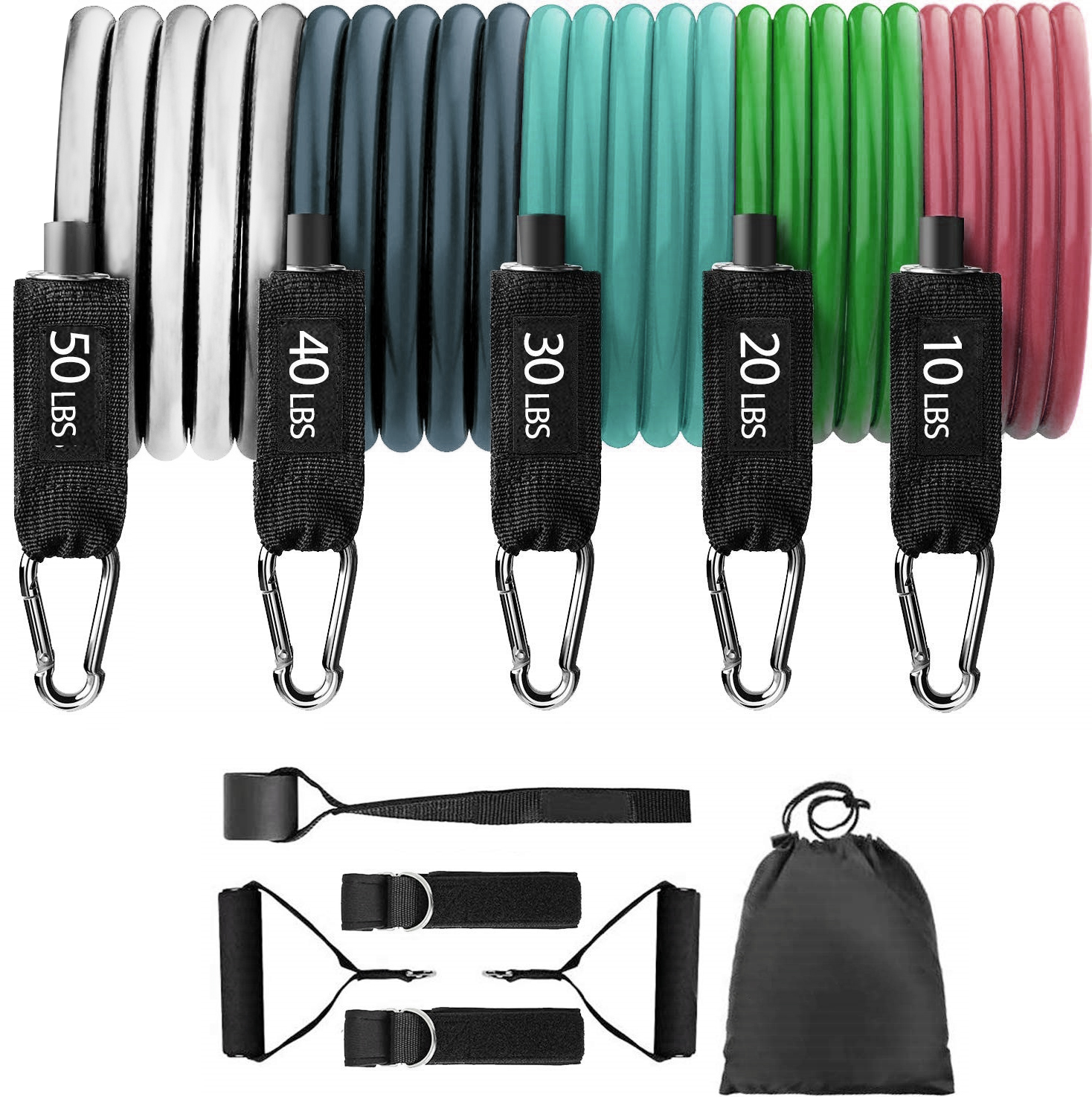
The resistance tube has quietly become one of the most sought-after training tools in modern wellness markets. From home gym enthusiasts to physical therapy clinics, buyers across many segments are choosing this compact, flexible tool over heavier and more expensive alternatives. Understanding why this shift is happening helps both consumers and business buyers make smarter decisions about fitness investments.
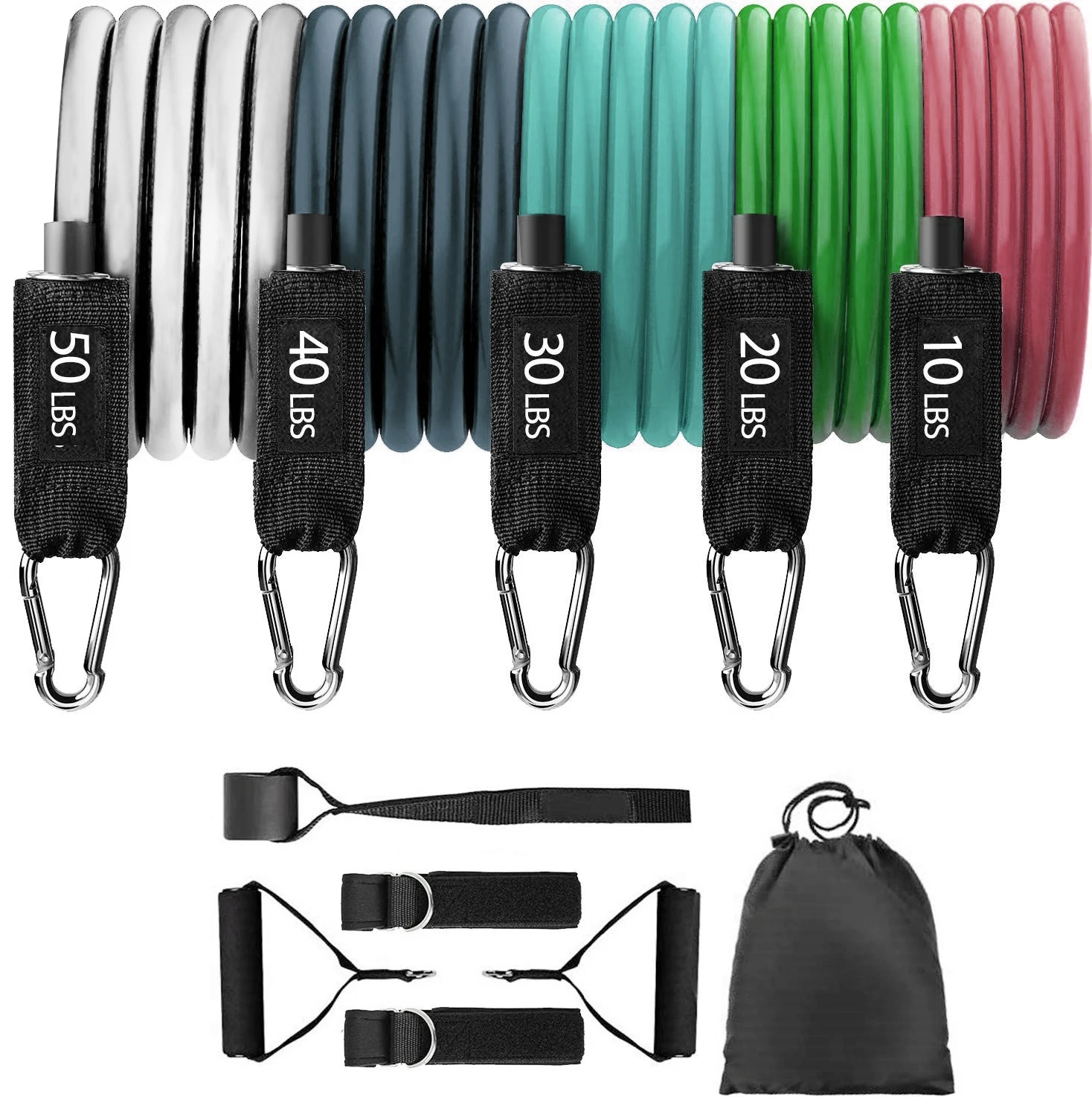
The popularity of the resistance tube is not accidental. It reflects a broader transformation in how people think about fitness — one that prioritizes accessibility, convenience, and adaptability. Whether a product is used for strength training, mobility work, or rehabilitation, the resistance tube consistently meets the diverse demands that modern wellness consumers place on their equipment. This article explores the key drivers behind that growing appeal.
Versatility That Matches Modern Fitness Needs
Full-Body Training With a Single Tool
One of the most compelling reasons the resistance tube dominates wellness shelves is its ability to target multiple muscle groups without requiring separate equipment for each exercise. A single resistance tube can be used for upper body pulls, lower body squats, core stabilization, and shoulder mobility work. This versatility means that users can build complete workout routines around just one or two tools, reducing both cost and clutter.
For wellness businesses such as boutique studios, corporate wellness programs, and online fitness coaches, the resistance tube offers enormous value. It enables trainers to design varied sessions without sourcing large inventories of specialized gear. The resistance tube adapts to the user rather than forcing the user to adapt to the equipment, which is a key reason it resonates so strongly with a wide wellness audience.
Scalable Resistance for All Fitness Levels
The resistance tube comes in multiple tension levels, typically color-coded from light to heavy resistance. This scalability makes the resistance tube genuinely inclusive. Beginners can start with lighter bands and progressively move to higher resistance as their strength improves. Advanced athletes can stack multiple tubes to increase load significantly. A stackable resistance tube set rated up to 150 lbs, for example, gives experienced users a serious training stimulus comparable to free weights.
This adjustability is a key reason wellness brands favor the resistance tube over fixed-weight tools. A single product line can serve customers across an enormous fitness range, improving inventory efficiency and broadening market reach. The resistance tube therefore functions as a complete system rather than a single-use product.
Accessibility, Portability, and Cost Advantage
A Training Tool That Goes Anywhere
The resistance tube is lightweight, compact, and easy to carry, making it the ideal training companion for people with mobile or unpredictable schedules. Travelers, remote workers, and outdoor fitness enthusiasts all benefit from a resistance tube that fits inside a small carry bag. This portability removes one of the biggest barriers to consistent exercise: the inability to access a gym. When a resistance tube travels with its user, workout continuity improves dramatically.
Wellness market growth is partly driven by consumer demand for tools that fit into real life rather than demanding lifestyle changes. The resistance tube meets people where they are — at home, in a hotel room, at a park, or in a small office space. This alignment with modern lifestyle patterns gives the resistance tube a structural advantage over bulkier fitness equipment.
Strong Value Relative to Performance
Price sensitivity remains high across wellness consumer segments, and the resistance tube offers exceptional performance per dollar spent. Compared to dumbbells, cable machines, or weight benches, a quality resistance tube set delivers a comparable training experience at a fraction of the cost. For wellness businesses purchasing in bulk, the resistance tube represents an efficient use of procurement budgets, especially when equipping group classes or employee wellness kits.
The latex-based resistance tube is particularly valued for its durability and smooth tension feel. High-quality latex resists snapping, maintains elasticity over time, and provides consistent resistance throughout the full range of motion. When B2B buyers evaluate fitness product lines, these quality indicators make the resistance tube a reliable long-term investment with strong repeat purchase potential.
Wellness Market Alignment and Demand Drivers
Growing Consumer Focus on Preventive Health
The wellness industry has shifted significantly toward preventive health, rehabilitation, and functional movement. The resistance tube fits naturally into all three categories. Physical therapists use the resistance tube for joint rehabilitation and muscle activation work. Older adults use it for low-impact strength training that reduces injury risk. Athletes use the resistance tube for warm-up routines and corrective exercise programs. This cross-segment applicability is a major commercial advantage.
As more consumers invest in managing their long-term health rather than simply reacting to illness or injury, demand for practical, evidence-supported tools like the resistance tube continues to climb. The resistance tube aligns perfectly with the preventive mindset because it supports controlled, progressive movement that builds strength safely over time.
Digital Fitness and the Home Gym Boom
The explosion of digital fitness content — from streaming workout platforms to social media fitness communities — has dramatically increased demand for the resistance tube. Online trainers frequently recommend the resistance tube because it is camera-friendly, easy to demonstrate, and accessible to their entire global audience regardless of equipment availability. This organic digital promotion has accelerated resistance tube adoption at a pace that traditional marketing could not achieve alone.
Home gym construction reached new heights in recent years, and the resistance tube became a foundational item in many setups. Its low cost, small footprint, and wide exercise library made it a natural first purchase for new home gym builders. For brands and distributors, this trend created sustained demand that continues to grow as home fitness becomes a normalized part of daily life rather than a temporary workaround.
FAQ
What makes a latex resistance tube better than fabric bands?
A latex resistance tube provides smooth, consistent tension throughout the full range of motion, which is particularly important for strength and rehabilitation exercises. Latex also offers strong durability and elasticity recovery, meaning the resistance tube maintains its performance characteristics over extended use. Fabric bands serve different applications but cannot replicate the dynamic stretch feel of a quality latex resistance tube.
How should a B2B buyer evaluate resistance tube quality?
When sourcing a resistance tube for wholesale or commercial use, buyers should assess latex thickness, resistance accuracy across color-coded levels, and the quality of included accessories such as handles, ankle straps, and door anchors. A complete resistance tube set that is stackable and clearly rated by total load capacity provides better end-user value and reduces post-sale complaints. Consistent tension and smooth surface finish are reliable quality markers for any resistance tube product line.
Which wellness segments purchase resistance tube products most actively?
The strongest purchasing segments for the resistance tube include home fitness consumers, physical therapy and rehabilitation clinics, corporate wellness programs, boutique fitness studios, and digital fitness content creators. Each of these groups values the resistance tube for slightly different reasons — portability, therapeutic application, group training scalability, or visual content value — but all consistently return to the resistance tube as a core equipment choice.