 EN
EN


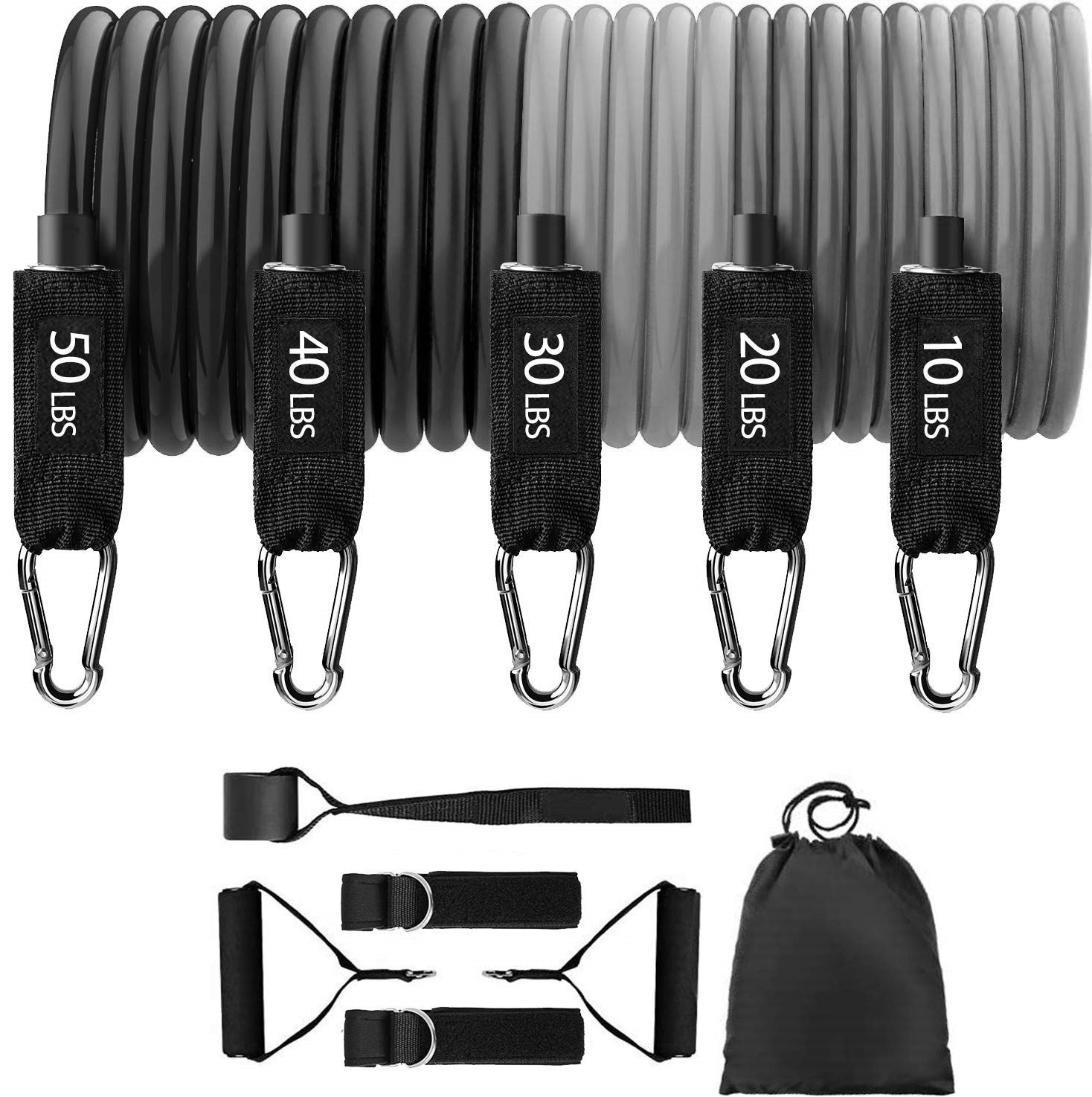
When serious athletes and everyday fitness enthusiasts debate equipment choices for strength progression, the resistance tube often sits at the center of the conversation. Some coaches swear by it, while others dismiss it as a tool only for rehabilitation or warm-ups. The truth, however, is far more nuanced and practical than either extreme suggests. Understanding where a resistance tube genuinely fits within a structured strength program requires looking beyond surface-level assumptions.
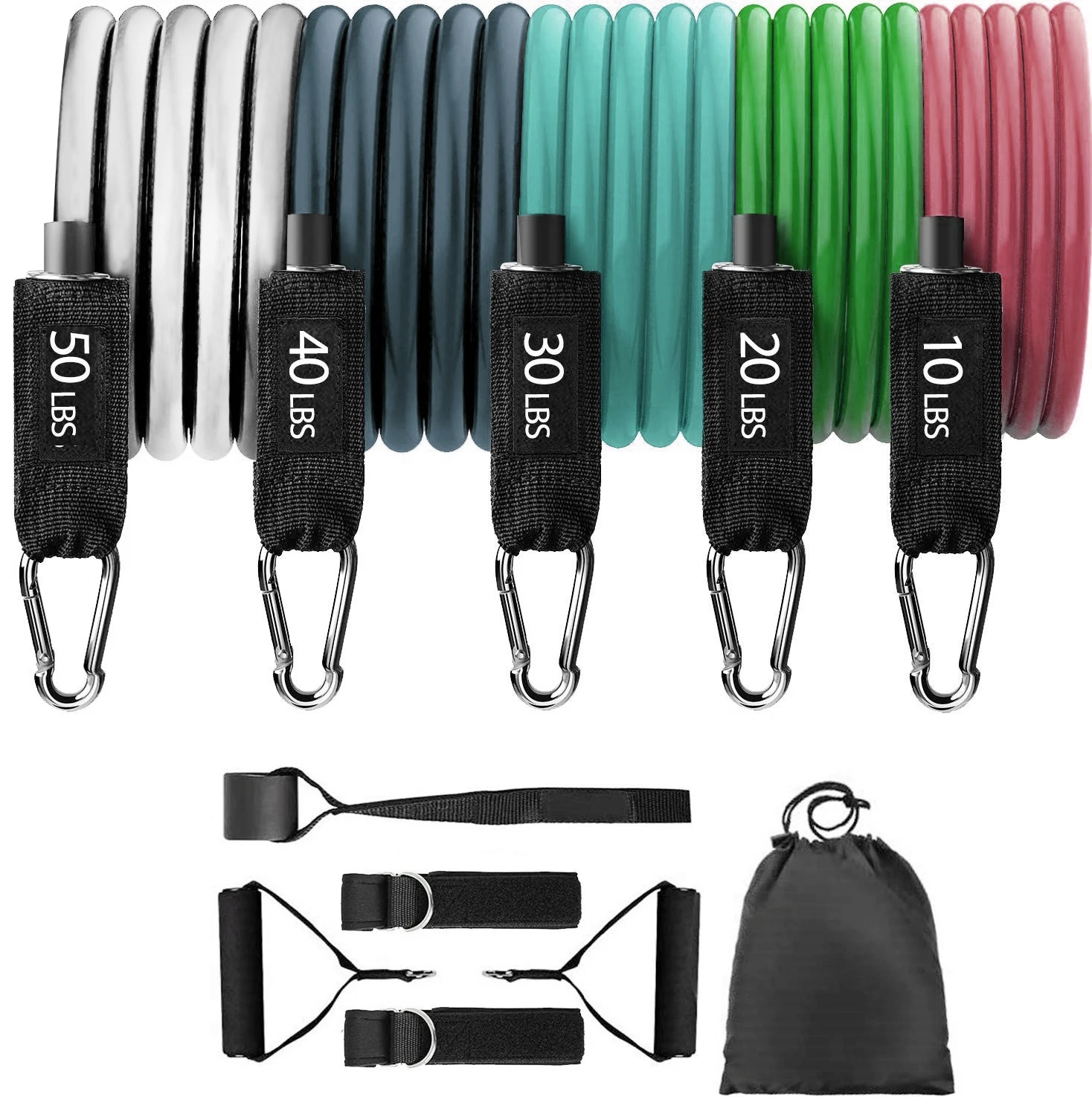
A resistance tube delivers variable resistance, meaning the tension increases as the tube stretches further. This mechanical property distinguishes a resistance tube from free weights and machines, creating a unique training stimulus that can complement or even challenge traditional loading methods. For anyone building a long-term strength progression plan, knowing how to use a resistance tube strategically can unlock benefits that standard equipment simply cannot replicate.
How a Resistance Tube Creates Progressive Overload
Variable Resistance and Muscle Activation
Progressive overload is the cornerstone of any effective strength program, and a resistance tube supports this principle through its elastic properties. As you extend a resistance tube further during a movement, the elastic tension climbs, forcing the muscle to work harder at the peak contraction point. This ascending resistance curve closely matches how muscles generate force during many compound movements, making each resistance tube repetition highly efficient for stimulating muscle fibers.
With a stackable resistance tube system rated up to 150 lbs of combined resistance, you can layer multiple tubes to progressively increase load over weeks and months. This scalability is essential for genuine strength progression. A resistance tube set that allows incremental resistance additions functions similarly to adding plates to a barbell, supporting the gradual overload that forces muscles to adapt and grow stronger over time.
Consistent Tension Throughout the Range of Motion
One of the most underappreciated advantages of a resistance tube is how it maintains tension throughout the entire range of motion. Unlike free weights, where gravity reduces effective load in certain positions, a resistance tube keeps the target muscle under continuous stress. This sustained tension during both the concentric and eccentric phases of a movement significantly increases time under tension, a key driver of muscle hypertrophy and strength development.
For movements like bicep curls, rows, or chest presses, training with a resistance tube means the muscle never fully 'rests' within the repetition. This characteristic makes each set with a resistance tube more demanding per repetition compared to equivalent free-weight exercises, which directly contributes to strength adaptations when programmed consistently.
Practical Advantages of Resistance Tube Training in a Program
Full-Body Training Flexibility
A resistance tube is remarkably versatile, supporting full-body training across push, pull, hinge, squat, and isolation patterns. Whether anchored to a door, looped around a fixed post, or held underfoot, a resistance tube can replicate dozens of gym machine movements. This versatility allows a well-structured resistance tube program to address every major muscle group within a single compact toolkit, making it ideal for home gyms, travel training, or facilities with limited equipment.
A complete resistance tube set typically includes tubes of varying resistance levels alongside handles, ankle straps, and door anchors. This configuration lets you execute exercises as diverse as lat pulldowns, chest flyes, shoulder presses, squats, deadlifts, and core rotations, all with a single resistance tube collection. The breadth of exercise options ensures that strength progression programs remain varied and comprehensive rather than limited by equipment constraints.
Joint-Friendly Loading for Sustainable Training
One significant advantage that makes a resistance tube ideal for long-term strength progression is its joint-friendly loading profile. Because a resistance tube generates elastic tension rather than compressive gravity-based force, the shear forces on joints like the knees, shoulders, and elbows are considerably lower than those produced by heavy free weights. Athletes managing joint discomfort or training through minor injuries can often continue progressing with a resistance tube when other loading methods would require complete rest.
Sustainable training volume is a critical factor in long-term strength development. If an athlete must repeatedly pause programs due to joint stress, overall progression suffers. Incorporating a resistance tube into weekly programming reduces cumulative joint load while still delivering sufficient mechanical stimulus to maintain and build strength, making it an intelligent component of any periodized training plan.
Limitations to Understand Before Committing Fully
Maximum Load Ceiling and Specificity
While a resistance tube offers substantial load potential, advanced strength athletes training at very high absolute loads may find that even a 150 lb stackable resistance tube system cannot fully replace maximal barbell lifts for exercises like back squats or deadlifts. A resistance tube is most effective when used alongside free weights rather than as a sole replacement. Hybrid programming that combines a resistance tube with barbell or dumbbell work delivers the best of both loading profiles and supports superior strength outcomes.
Additionally, because a resistance tube produces an ascending resistance curve, the lightest point of a movement receives less challenge. For certain strength goals requiring maximal force production through the weakest range of a lift, supplementary free-weight training alongside a resistance tube program remains beneficial. Understanding this limitation allows coaches and athletes to program a resistance tube intelligently without expecting it to do everything.
Consistency in Resistance Measurement
Unlike a barbell where load is fixed and measurable to the pound, a resistance tube produces a range of tension depending on starting length and stretch distance. This variability makes it slightly harder to track exact load progression compared to traditional weights. Diligent athletes using a resistance tube for strength progression should standardize their setup, such as anchoring position and body distance from the anchor, to ensure consistent resistance from session to session and enable meaningful progress tracking.
FAQ
Can a resistance tube replace free weights entirely in a strength program?
A resistance tube can replace free weights for many training goals, especially for beginners to intermediate athletes and those prioritizing joint health. However, for advanced athletes targeting maximal strength, combining a resistance tube with free weights typically produces better outcomes than relying on a resistance tube alone.
How many resistance tube sessions per week support strength progression?
Most strength-focused resistance tube programs recommend three to five sessions per week, depending on training volume and recovery. Each resistance tube session should target specific muscle groups with adequate rest between sessions for the same muscle group to allow proper recovery and adaptation.
What resistance tube resistance level is best for building strength?
The appropriate resistance tube level depends on your current strength and the specific exercise. A good practice is to select a resistance tube weight that challenges you significantly within the eight to fifteen repetition range. As strength improves, stack additional resistance tube levels or switch to a heavier resistance tube to maintain progressive overload.