 EN
EN


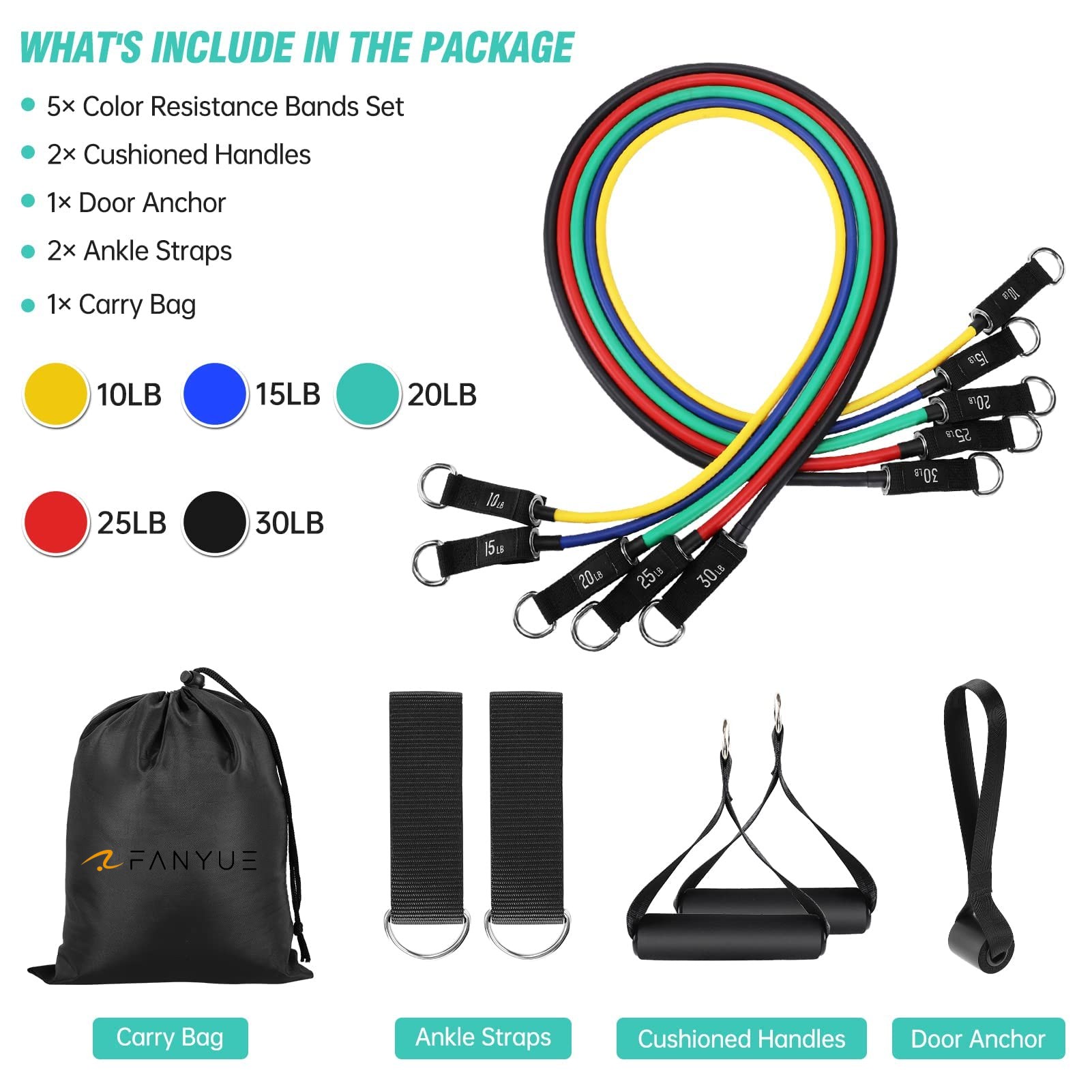
Building full-body strength does not always require heavy barbells or a commercial gym membership. A resistance tube is one of the most versatile and accessible training tools available today. Whether you are a beginner establishing a fitness foundation or an experienced athlete adding variety to your program, a resistance tube delivers consistent tension throughout every movement, challenging your muscles in ways that free weights alone cannot replicate. The portability and adaptability of a resistance tube make it a serious choice for anyone committed to functional, progressive strength training.
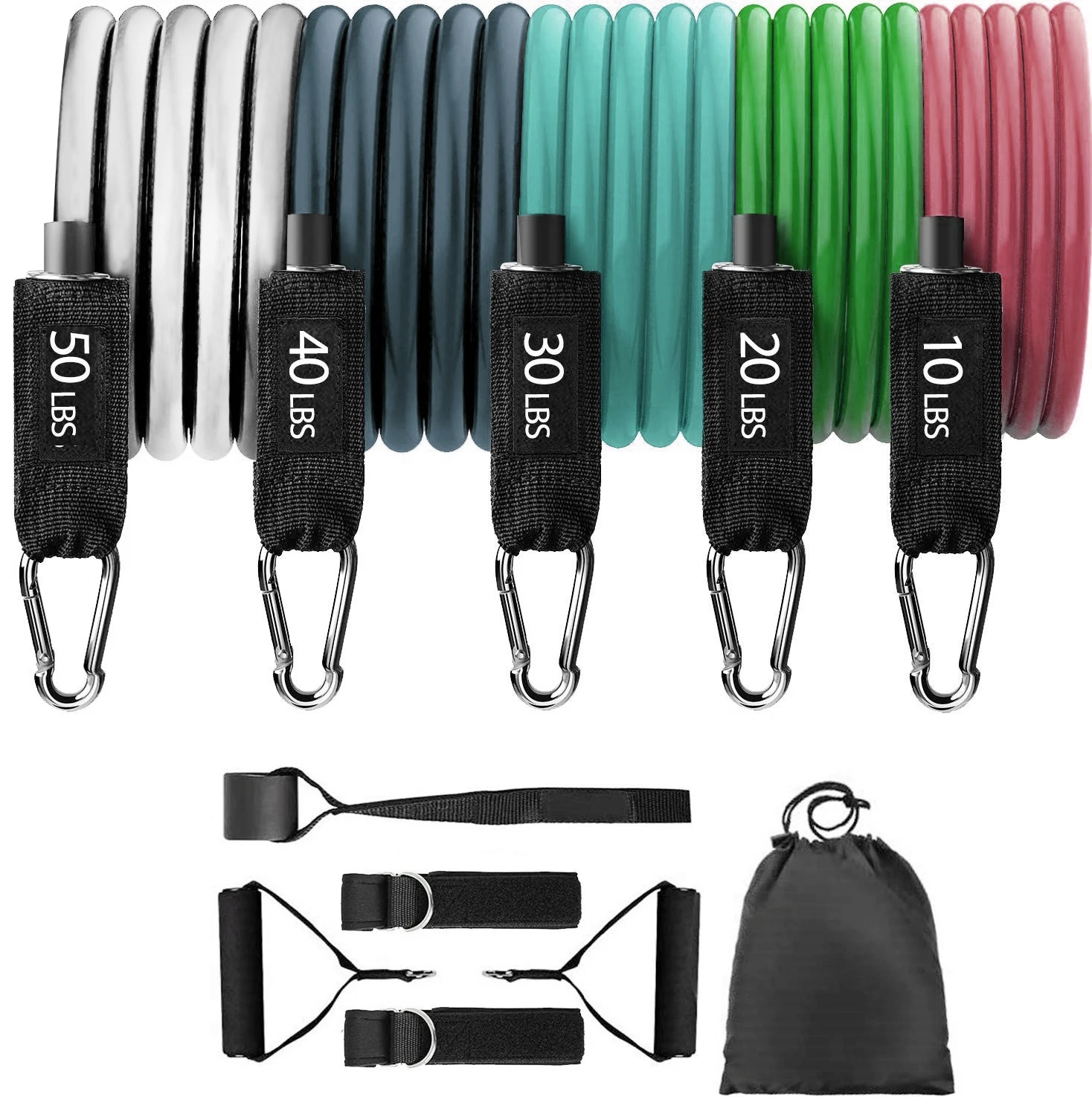
The key question many fitness enthusiasts ask is how a resistance tube can genuinely improve full-body strength training rather than simply supplement it. The answer lies in the unique mechanical properties of a resistance tube, its broad range of exercise applications, and its ability to match progressive overload principles. When used correctly, a resistance tube targets every major muscle group, improves movement quality, and supports both hypertrophy and endurance goals. This article explores how to use a resistance tube effectively across the entire body, from upper-body pulling movements to lower-body compound patterns and core stabilization work.
The Mechanical Advantage of a Resistance Tube
How Elastic Tension Differs from Free Weights
A resistance tube creates what strength coaches call 'accommodating resistance.' Unlike a dumbbell or barbell, which delivers constant gravitational load, a resistance tube increases tension as it stretches. This means your muscles face greater resistance at the peak of a contraction, which is precisely the point where your muscles are typically strongest. This mechanical characteristic forces your muscles to remain active and engaged throughout the entire range of motion rather than coasting through the easiest portion of the lift.
This property makes the resistance tube particularly effective for exercises like bicep curls, chest presses, and squats, where the top portion of the movement often becomes too easy with standard weights. The resistance tube eliminates that slack, keeping muscles under sustained tension and driving greater muscular adaptation over time. For anyone aiming to build real functional strength, understanding this principle is the first step toward getting maximum value from a resistance tube session.
Stackable Resistance for Progressive Overload
A quality resistance tube set offers multiple resistance levels, often ranging from light to heavy, and allows you to stack tubes together to increase total load. This stackable design mirrors the progressive overload principle that underpins every effective strength program. When a single resistance tube no longer challenges a given movement, you simply add another resistance tube to the anchor point or handle system. This straightforward method ensures continuous strength progression without the need to buy new equipment constantly.
Progressive overload with a resistance tube is also safer for joints than loading a barbell with additional plates. The elastic nature of a resistance tube reduces shear forces on tendons and ligaments, which is especially important for training through mild injuries or for older athletes maintaining joint health during strength training.
Full-Body Exercises With a Resistance Tube
Upper-Body Strength Movements
The resistance tube supports a complete upper-body training menu. For chest development, anchor the resistance tube behind you at shoulder height and perform a standing chest press or crossover fly. Both exercises replicate cable machine patterns while demanding greater core stability because you are not braced against a machine pad. For back training, step on the resistance tube and perform bent-over rows, engaging the lats, rhomboids, and rear deltoids through a full pulling arc.
Shoulder pressing with a resistance tube involves standing on the midpoint and pressing the handles overhead. This movement trains the deltoids and triceps while also forcing the core to resist the lateral pull of the resistance tube if anchored off-center. Bicep curls and tricep overhead extensions are both highly effective with a resistance tube because the elastic tension peaks at the point of maximum muscle contraction, delivering a stronger stimulus per repetition compared to standard dumbbell alternatives.
Lower-Body and Core Patterns
Lower-body training with a resistance tube is equally effective. Loop a resistance tube around your thighs just above the knees during squats to activate the hip abductors and glutes more aggressively. This cue is commonly used in athletic performance programs to improve knee tracking and build hip stability. For lunges, stand on the resistance tube and hold the handles at your shoulders as you step forward, adding vertical load that challenges the quadriceps and glutes through a deep range of motion.
Deadlift patterns using a resistance tube placed under your feet train the posterior chain, including the hamstrings, glutes, and lower back, with a smooth force curve that is gentler on the spine than heavy barbell deadlifts. Core training with a resistance tube includes pallof press variations, which build anti-rotation stability, and cable crunch substitutes, which target the rectus abdominis under constant tension. A full resistance tube session can address every major muscle group across the lower body and core within a compact training block.
Programming a Resistance Tube Into Your Strength Routine
Structuring Sets, Reps, and Intensity
Integrating a resistance tube into a structured strength program requires applying the same set and rep logic used with free weights. For strength-focused sessions, aim for three to five sets of six to ten repetitions per exercise using a heavier resistance tube or stacked combination. For hypertrophy and muscular endurance, three sets of twelve to twenty repetitions with a moderate resistance tube tension produce reliable results. The key is selecting a resistance tube level that makes the final two to three reps of each set genuinely difficult without compromising form.
A resistance tube can be programmed as a primary training tool on travel days or home workout sessions, or used as an accessory tool following compound barbell or dumbbell work. Many coaches now include resistance tube finisher circuits at the end of strength sessions to drive blood flow into the muscles without adding significant joint fatigue. This dual role makes a resistance tube exceptionally practical across different training phases and goals.
Combining Resistance Tube Training with Other Methods
A resistance tube pairs naturally with bodyweight training, free weights, and even mobility work. Wrapping a resistance tube around a pull-up bar to assist with pull-ups or dips helps athletes build toward unassisted bodyweight movements. Using a resistance tube for banded hip activation before heavy squats or deadlifts is a widely adopted warm-up strategy among strength athletes. When you treat the resistance tube as an integrated part of your overall strength system rather than an isolated novelty, it consistently adds measurable value to training outcomes.
FAQ
Can a resistance tube replace free weights for strength training?
A resistance tube can serve as a primary training tool for general strength and muscular development, especially when free weights are unavailable. However, for maximum absolute strength gains, combining a resistance tube with free weights typically produces better results. The two tools complement each other well, and many strength programs use a resistance tube to enhance joint stability and muscular endurance alongside heavier loaded movements.
How do I choose the right resistance tube weight level?
Choose a resistance tube level that allows you to complete your target reps with proper form while making the last few reps challenging. Most resistance tube sets include multiple tension levels, so start lighter and increase resistance as your strength improves. For compound lower-body movements, you will likely need a heavier resistance tube or stacked combination compared to isolation exercises like curls or tricep work.
How often should I train with a resistance tube each week?
Training with a resistance tube three to five times per week is appropriate for most fitness goals, depending on whether you are using it as your sole training method or as part of a broader program. Because a resistance tube places less absolute load on the joints compared to heavy barbells, recovery time is generally shorter. Still, allow at least one rest day between sessions targeting the same muscle groups to support proper recovery and strength adaptation.