 EN
EN


If you have ever struggled to truly feel your glutes working during squats or lunges, a hip band may be exactly the training tool you need. The hip band is a looped resistance band worn around the thighs or knees during lower-body movements, and it creates constant lateral tension that forces the glute muscles to activate more fully throughout each repetition. Whether you are a beginner building a foundation or an experienced athlete refining movement patterns, using a hip band consistently can transform how your glutes respond during exercise.
Understanding why the hip band improves glute engagement requires a closer look at muscle mechanics, movement patterns, and the role of resistance direction. The hip band does not simply add load — it changes the direction of resistance, which directly challenges the abductors and external rotators of the hip. This distinction makes the hip band uniquely effective compared to standard weighted exercises, and it explains why so many coaches and physical therapists incorporate it into warm-up and strength protocols.
How the Hip Band Activates the Glute Muscles
The Role of Lateral Resistance in Muscle Recruitment
When you place a hip band around your thighs and perform a squat, the band pulls your knees inward. To resist this inward pull, your gluteus medius and gluteus maximus must contract more forcefully than they would without the hip band in place. This constant tension across the lateral chain means your glutes cannot stay passive during the movement. The hip band essentially removes the option of compensation, requiring the target muscles to do the work they are designed to do.
Research in sports science consistently shows that adding a hip band to bodyweight squats and bridges significantly increases electromyographic activity in the gluteus medius compared to unassisted versions. For individuals who have developed a habit of knee valgus — allowing the knees to cave inward — the hip band provides both a corrective cue and a strengthening stimulus in the same movement. This dual function makes the hip band especially valuable for rehabilitation and performance training alike.
Neural Activation and the Mind-Muscle Connection
Beyond mechanical resistance, the hip band enhances the mind-muscle connection by giving you tactile feedback during each exercise. When you feel the hip band pressing against your thighs, your nervous system becomes more attuned to the muscles that control hip abduction and external rotation. This heightened awareness often translates directly into better glute recruitment even in exercises where the hip band is not worn. Athletes who train regularly with a hip band often report that their glute activation improves across all lower-body movements over time.
Key Hip Band Exercises That Maximize Glute Engagement
Glute Bridges and Hip Thrusts with a Hip Band
The glute bridge is one of the most effective exercises for isolating the gluteus maximus, and adding a hip band around the knees elevates its effectiveness considerably. As you push your hips upward, the hip band creates outward pressure that you must resist by actively driving your knees apart. This engages the gluteus medius simultaneously, producing a more complete glute training stimulus. For those progressing to barbell hip thrusts, starting with a hip band allows the glutes to be pre-activated before adding external load, reducing the risk of the lower back compensating.
Performing walking lunges or lateral band walks with a hip band further isolates the gluteus medius in a way that vertical loading alone cannot replicate. The hip band forces the hip stabilizers to remain active throughout the entire range of motion, which builds endurance and control in the supporting muscles. These qualities are especially important for athletes in running and cutting sports, where single-leg glute stability directly influences performance and injury prevention.
Squats and Deadlifts with Hip Band Reinforcement
Adding a hip band to your squat warm-up set is a widely recommended strategy among strength coaches. By performing two or three sets of bodyweight squats with the hip band before loading the barbell, you pre-activate the glutes and teach the hips to maintain proper alignment under fatigue. When you then remove the hip band and add weight, your nervous system retains the activation pattern, resulting in better glute drive throughout each rep. The hip band essentially programs better movement before demanding more from the body.
Even in deadlift preparation, using a hip band for glute bridges primes the posterior chain effectively. A well-activated glute from hip band work means the lower back is less likely to take over as the primary mover in the hip hinge. This protective effect reduces injury risk and improves long-term training sustainability. The hip band becomes a bridge between warm-up and performance, ensuring muscle readiness across the entire workout session.
Choosing and Using a Hip Band Effectively
Selecting the Right Resistance Level
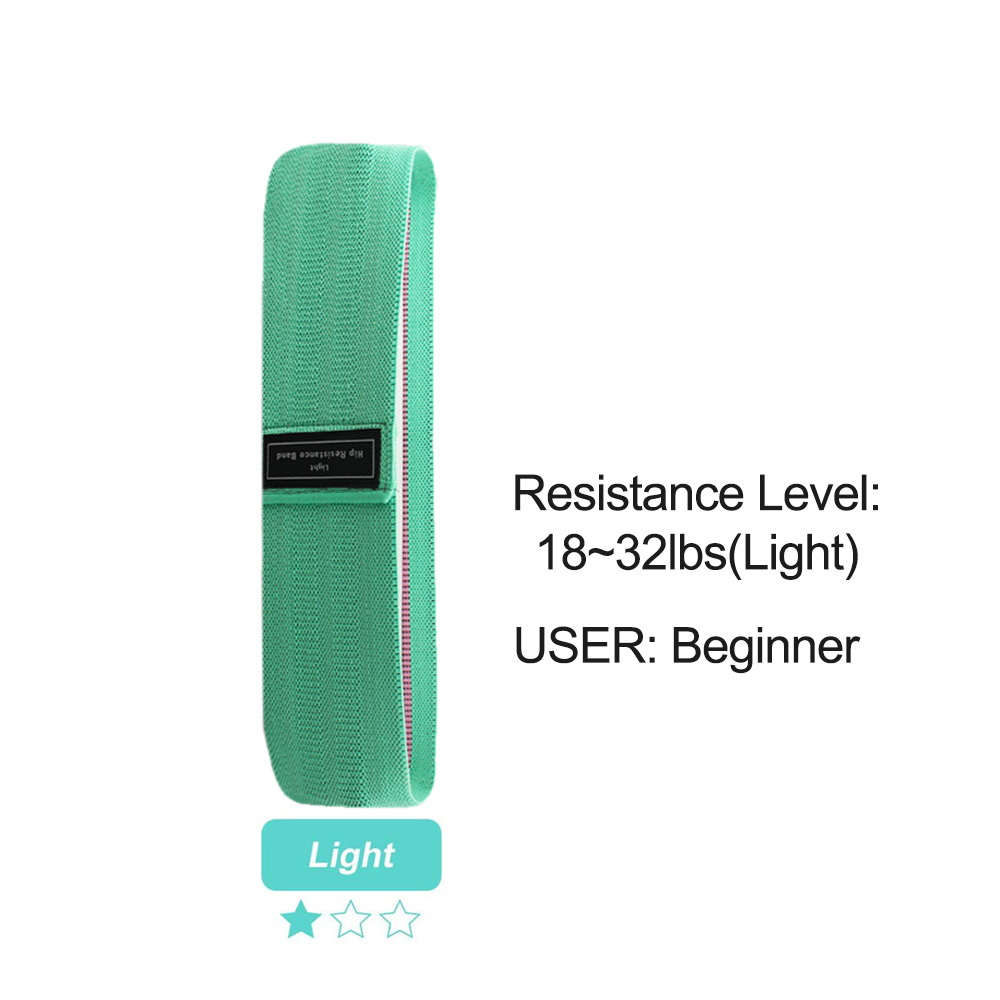
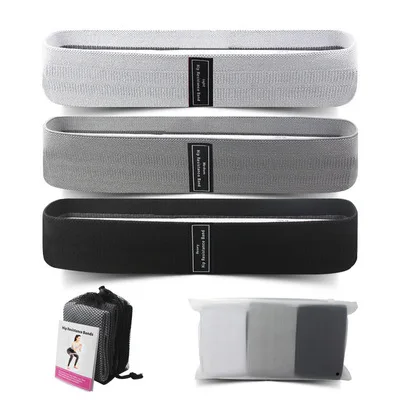
Hip band sets typically come in multiple resistance levels, ranging from light to heavy tension. Beginners should start with a lighter hip band to master form and establish muscle activation without overloading the joints. Intermediate and advanced users often benefit from a medium or heavy hip band during compound movements like squats and hip thrusts. Choosing a fabric hip band over a thin latex version is generally preferred because the fabric hip band stays in place on the thighs without rolling or digging into the skin during movement.
A non-slip fabric hip band is particularly important when performing high-repetition sets or dynamic movements like clamshells and donkey kicks. If the hip band slips during a set, it disrupts the tension needed for optimal glute activation and can alter your mechanics mid-exercise. Investing in a quality hip band with a textured inner surface ensures consistent resistance placement throughout every set and every session.
Programming Hip Band Work for Consistent Progress
For best results, incorporate the hip band into both your warm-up and your main training blocks. Begin each lower-body session with two or three hip band activation exercises such as clamshells, lateral walks, and glute bridges. Then keep the hip band on during your first few working sets of squats or lunges. Over four to six weeks of consistent hip band training, most users notice measurable improvements in glute engagement, postural stability, and overall lower-body strength output. Tracking these changes reinforces motivation and ensures progressive overload is applied appropriately.
FAQ
How often should I use a hip band in my training?
Using a hip band two to four times per week is sufficient for most people to see meaningful improvements in glute activation. Consistency matters more than frequency, so incorporating the hip band into every lower-body training session as a warm-up tool is a practical and effective approach.
Can a hip band help with knee pain during squats?
Yes, a hip band can help reduce knee pain caused by valgus collapse during squats. By training the gluteus medius to resist inward knee movement, the hip band improves alignment and reduces stress on the knee joint over time. Always consult a physiotherapist if pain is persistent before relying solely on a hip band for correction.
Is a fabric hip band better than a latex one?
A fabric hip band generally offers greater durability, comfort, and grip compared to a thin latex version. The non-slip inner lining of a fabric hip band prevents rolling during dynamic exercises, making it more reliable for consistent resistance delivery. For regular gym or home training, a fabric hip band is the preferred choice among most coaches and fitness professionals.