 EN
EN


If you have ever worked with a personal trainer, you have likely heard the same recommendation repeated with conviction: use a yoga mat every single day. This is not simply a matter of preference or habit. Trainers across disciplines — from strength coaches to mobility specialists — point to the yoga mat as one of the most practical and impactful tools a fitness-focused individual can own. The reasons behind this recommendation go far deeper than convenience, touching on performance, safety, recovery, and the psychology of building lasting habits.
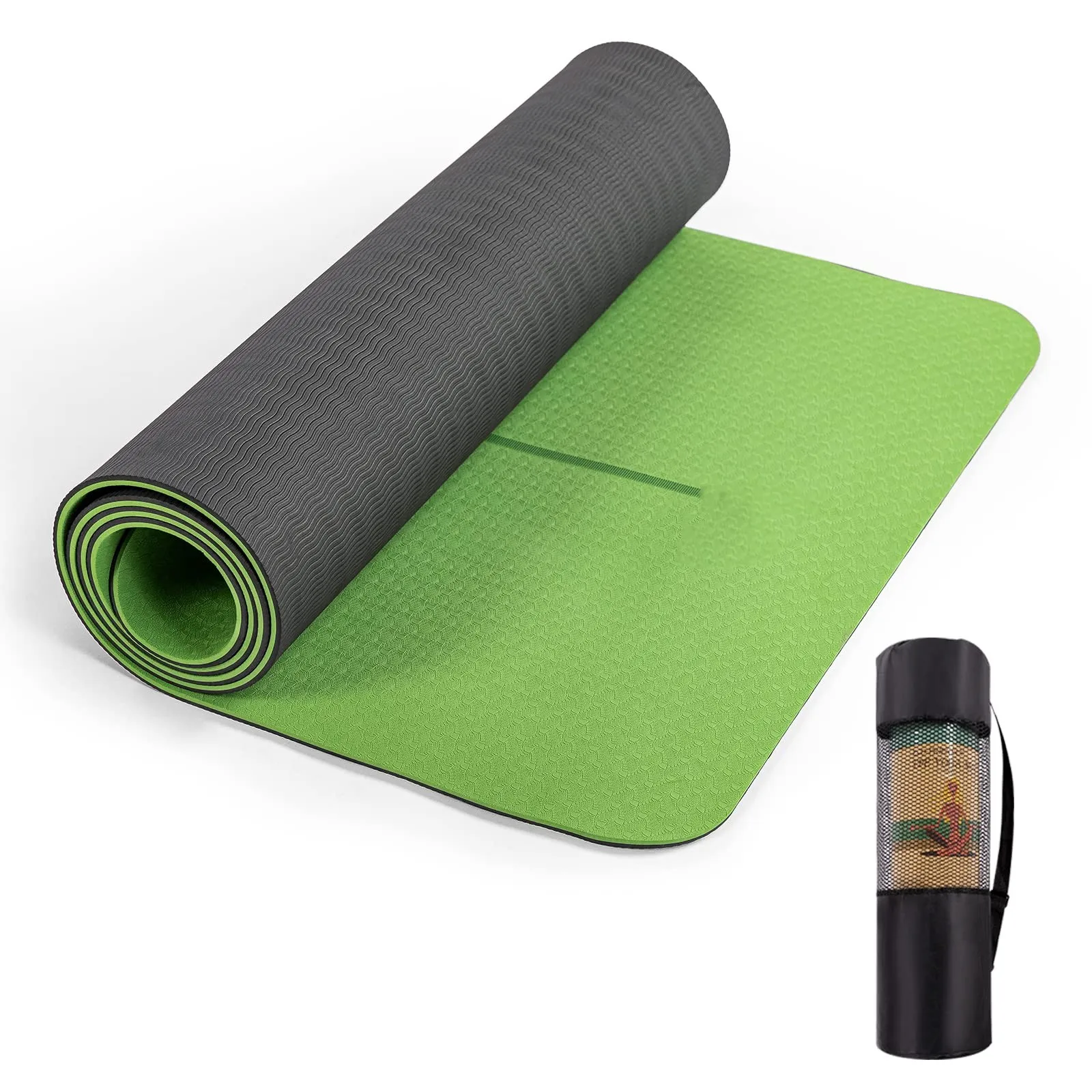
The yoga mat has evolved well beyond its original association with yoga classes. Today, it serves as a foundational surface for stretching, core training, bodyweight workouts, breathwork, and post-exercise recovery routines. Personal trainers recognize that daily use of a yoga mat creates a consistent physical and mental environment for movement, which matters enormously when building sustainable fitness behaviors. Understanding exactly why trainers make this recommendation helps clients commit to the practice with genuine purpose rather than blind compliance.
The Protective Role of a Yoga Mat in Daily Training
Joint Cushioning and Impact Absorption
One of the primary reasons personal trainers advocate for daily yoga mat use is the protection it provides to joints and soft tissue. When performing floor-based exercises on a hard surface — such as tile, hardwood, or concrete — the knees, wrists, elbows, and spine are exposed to direct pressure that compounds over time. A quality yoga mat creates a cushioning layer that distributes force more evenly, reducing the risk of bruising, inflammation, and overuse injuries. Trainers understand that injury prevention is the cornerstone of long-term athletic progress, and using a yoga mat daily is one of the simplest ways to protect the body.
For clients who perform high-repetition movements such as push-ups, planks, or burpees, the yoga mat makes a measurable difference in how the body feels during and after training. Reduced joint stress translates directly into better recovery and a greater ability to train consistently. The yoga mat, in this sense, is not just a comfort tool — it is a performance-enabling surface that keeps the body capable of showing up day after day.
Grip, Stability, and Movement Safety
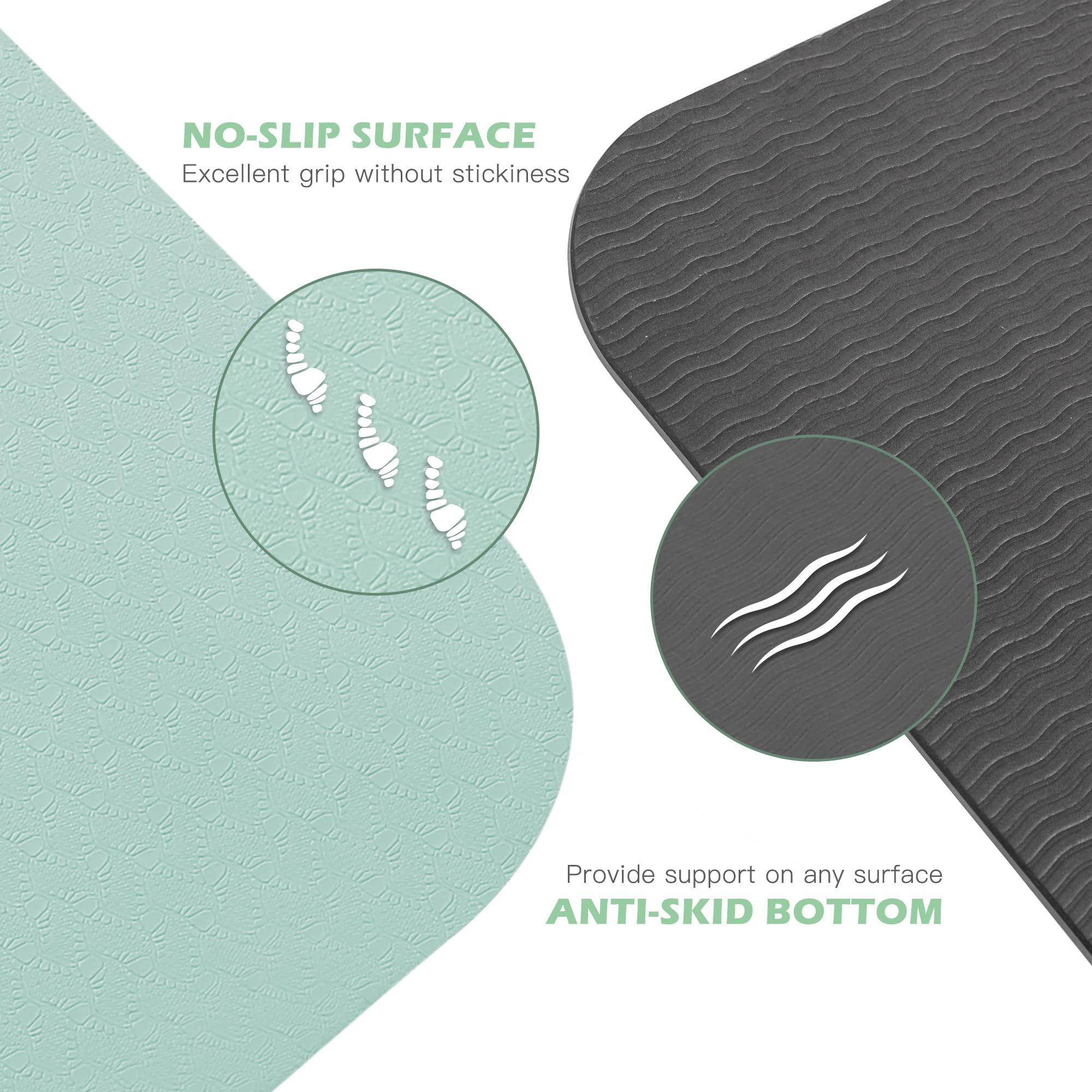
A non-slip yoga mat provides a controlled surface that prevents unintended sliding during dynamic or static movements. Whether a client is holding a plank position, transitioning between poses, or performing core stabilization exercises, surface grip directly influences movement quality and injury risk. Trainers emphasize that when the yoga mat stays in place, the client can focus entirely on muscle engagement and form rather than worrying about losing balance. This focus dramatically improves the effectiveness of each session. A stable yoga mat also supports proper alignment, which is essential for avoiding compensatory movement patterns that lead to chronic discomfort.
Behavioral and Psychological Benefits Trainers Value
The Yoga Mat as a Daily Ritual Anchor
Personal trainers are acutely aware that consistency — not intensity — is the true driver of fitness results. Rolling out a yoga mat each day functions as a powerful behavioral cue, signaling to the brain that it is time to move. This kind of environmental anchoring is well-supported in habit formation research. When clients associate the physical act of placing a yoga mat on the floor with the mental state of focused exercise, the barrier to starting a session drops significantly. The yoga mat becomes a trigger that reduces procrastination and mental resistance, making it easier to stay committed even on low-motivation days.
Trainers who work with clients in home gym settings particularly value this function of the yoga mat. Without the social environment of a gym, home exercisers rely more heavily on personal rituals and environmental cues to initiate workouts. Having a dedicated yoga mat ready to unroll creates a sense of structure and intention. Over weeks and months, this daily repetition builds a deeply ingrained habit that clients maintain far more reliably than those who treat their yoga mat as an occasional-use accessory.
Mental Focus and Space for Recovery
Beyond physical training, the yoga mat plays a meaningful role in mental recovery and mindfulness practices that trainers increasingly incorporate into holistic fitness programs. Breathwork, stretching, and guided relaxation performed on a yoga mat help the nervous system downregulate after intense effort. Trainers recommend using a yoga mat daily for these recovery protocols because the body-mind connection is reinforced when the same surface is used consistently for both effort and rest. The yoga mat becomes associated not only with exertion but also with calm, making it a dual-purpose tool for comprehensive wellbeing.
Practical Reasons Trainers Recommend a Quality Yoga Mat
Hygiene and Personal Training Space Ownership
Professional trainers consistently advise clients to use their own yoga mat rather than shared equipment, particularly in gym environments. A personal yoga mat eliminates direct contact with surfaces used by dozens of other individuals, reducing exposure to bacteria and skin irritants. This hygiene factor becomes especially relevant for daily users who spend significant time in contact with the surface during floor work. Owning a dedicated yoga mat also cultivates a sense of personal space and ownership over one's training environment, which contributes positively to motivation and self-efficacy. When clients feel that their yoga mat is theirs — chosen for their needs and maintained by them — they engage more meaningfully with every session.
Versatility Across Every Type of Daily Movement
The yoga mat is uniquely versatile, supporting an enormous range of daily movement practices without requiring additional equipment. Trainers value this because it removes logistical barriers to daily activity. Morning mobility routines, midday stretching breaks, evening yoga flows, core strengthening circuits, and pre-sleep breathing exercises can all take place on the same yoga mat. This versatility makes the yoga mat an exceptional value investment for any fitness-oriented person. Trainers frequently observe that clients who own a high-quality yoga mat exercise more varied movement patterns throughout the day, contributing to better overall mobility, posture, and physical resilience over time.
FAQ
Is a yoga mat necessary if I already exercise on carpet?
Carpet does provide some cushioning, but it lacks the defined grip and hygienic surface of a yoga mat. A yoga mat offers consistent traction, is easier to clean, and provides more reliable joint support during exercises that require stable hand and foot placement. Trainers recommend using a yoga mat even over carpet for these reasons.
How thick should a yoga mat be for daily home gym use?
For daily home gym use, a yoga mat in the range of 6mm thickness is widely recommended by trainers. This thickness balances cushioning for joint protection with enough firmness to maintain stability during strength and balance exercises. Thinner yoga mat options suit portability, while thicker versions favor comfort during longer floor-based sessions.
Can I use a yoga mat for strength training exercises, not just yoga?
Absolutely. A yoga mat is highly suitable for bodyweight strength training, core work, resistance band exercises, and dynamic mobility drills. Personal trainers regularly program floor-based strength sessions on a yoga mat because the surface supports proper form and protects joints throughout high-repetition movements. The yoga mat is not limited to yoga practice — it is a universal training surface.