 EN
EN


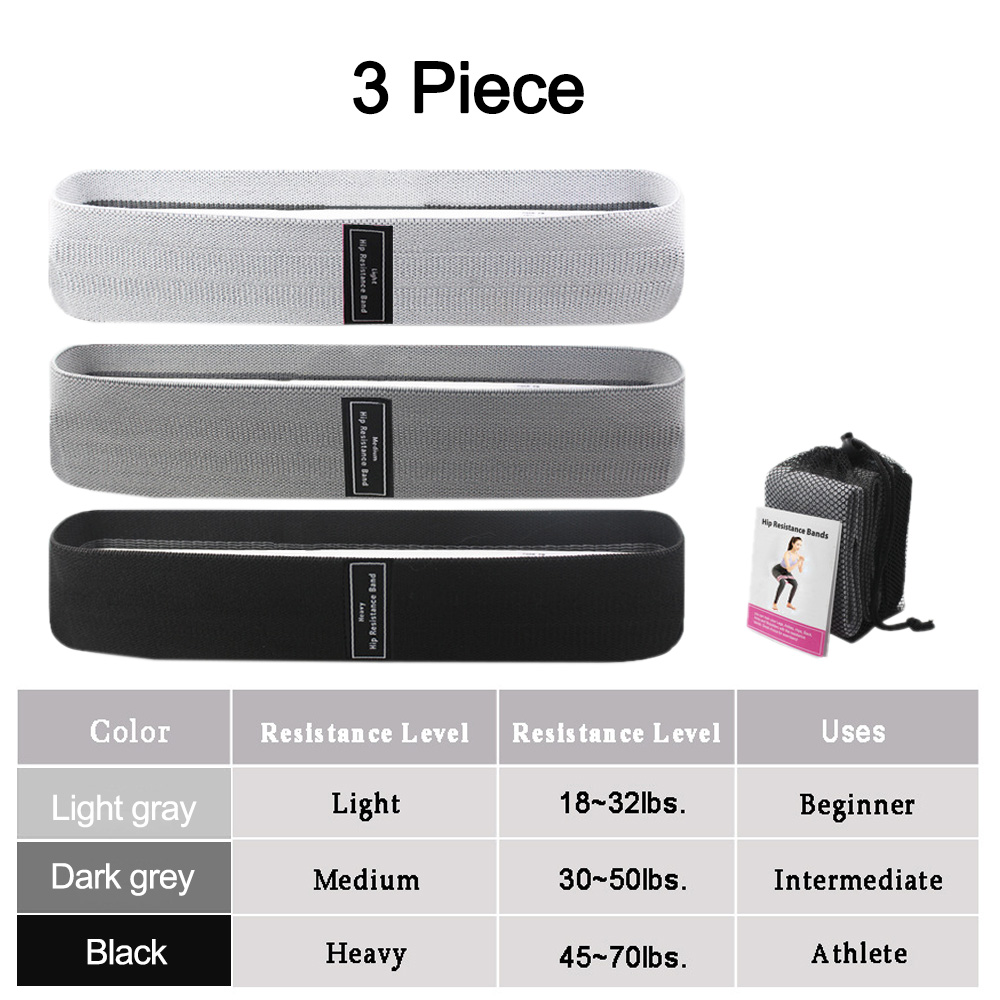
The hip band has become one of the most practical and effective tools in modern strength and mobility training. Unlike heavy machines or free weights, a hip band creates targeted resistance that forces smaller, often-neglected stabilizer muscles to activate during every movement. These stabilizer muscles are responsible for joint alignment, balance, and functional movement quality, yet they are frequently overlooked in conventional training programs. Using a hip band consistently builds the muscular foundation that supports stronger, more controlled performance across all types of physical activity.
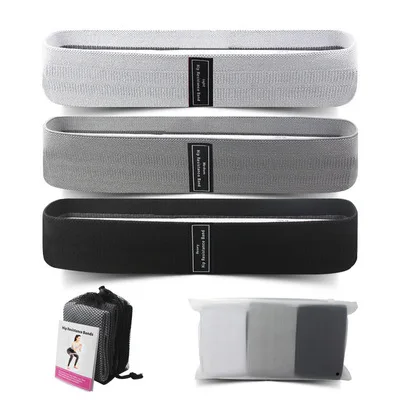
Understanding how a hip band strengthens stabilizer muscle groups requires looking at both the biomechanics of resistance training and the anatomy of the hip complex. When resistance is applied laterally or circumferentially around the thighs using a hip band, the nervous system is forced to recruit deep stabilizing muscles that maintain alignment under load. This recruitment pattern differs significantly from exercises that rely solely on prime movers like the quadriceps or hamstrings. A hip band shifts the training stimulus toward muscles that control rotation, abduction, and pelvis stability, making it an essential tool for athletes, rehabilitation patients, and general fitness users alike.
How a Hip Band Activates Deep Stabilizer Muscles
The Role of Resistance in Neuromuscular Recruitment
When you place a hip band around your thighs or just above the knees, the resistance immediately challenges the hip abductors and external rotators to prevent your knees from collapsing inward. This inward collapse, known as valgus movement, is one of the leading causes of knee and hip injuries. The hip band creates a constant cue for the body to push outward against the resistance, which activates the gluteus medius, gluteus minimus, and the deep external rotators known as the hip stabilizer group. These muscles rarely receive direct loading in standard exercises, but with a hip band in place, they are engaged throughout the full range of movement.
The neuromuscular demand placed on stabilizers by a hip band is especially significant during compound movements. Squats, lunges, lateral walks, and hinges all require the stabilizer muscles to work continuously when a hip band is added. The brain must coordinate more muscle fibers simultaneously, which improves motor control and inter-muscular coordination over time. Regular hip band training essentially teaches the nervous system to activate stabilizers automatically, which carries over into daily movement and sport performance.
Gluteus Medius and Hip Abductor Engagement
The gluteus medius is often called the 'forgotten glute' because it is overshadowed by the larger gluteus maximus in most training discussions. However, the gluteus medius is a primary stabilizer of the pelvis during single-leg activities such as walking, running, and climbing stairs. A hip band placed above the knee during exercises like clamshells, side-lying abductions, and banded squats specifically isolates and strengthens this muscle. Research in physical therapy consistently identifies the hip band as a preferred tool for activating the gluteus medius because it provides resistance in the exact plane of movement the muscle controls. Strengthening this muscle with a hip band reduces lateral pelvic drop, which is a key contributor to IT band syndrome, patellofemoral pain, and lower back discomfort.
Key Hip Band Exercises That Build Stabilizer Strength
Lateral Band Walks and Clamshells
Lateral band walks with a hip band are among the most direct methods for loading the hip abductors and stabilizers. Standing with a hip band around the thighs, you step side to side in a controlled, low squat position. The hip band creates continuous resistance against hip adduction, forcing the abductors to stay active throughout the entire movement. This builds muscular endurance in the stabilizers, which is critical for maintaining form during longer training sessions or competitive events. Even a short set of lateral walks using a hip band produces measurable activation in the gluteus medius and tensor fasciae latae, both of which contribute directly to pelvis and knee stability.
Clamshells are another foundational hip band exercise that targets the deep external rotators of the hip. Lying on your side with a hip band just above the knees, you open and close the top knee like a clamshell while keeping your feet together. The hip band adds resistance to the opening motion, which forces the piriformis, obturator externus, and short external rotators to work against load. These small but important muscles stabilize the femoral head within the hip socket, protecting the joint during high-impact activities. Including clamshells with a hip band in warm-up routines is a recognized strategy among physiotherapists and performance coaches for reducing hip and knee injury rates.
Banded Squats and Glute Bridges
Adding a hip band to squats transforms the movement from a simple quad-dominant exercise into a full stabilizer training event. The hip band forces the knees to track outward, which activates the gluteus medius, hip external rotators, and adductors simultaneously. This creates a more balanced loading pattern and corrects movement faults that often develop when training without resistance around the hips. Glute bridges with a hip band placed just above the knees provide similar benefits in a lying position. As the hips extend upward, the hip band challenges the abductors to prevent knee cave, which increases glute activation and reinforces proper hip alignment.
Practical Benefits of Hip Band Training for Stabilizer Development
Injury Prevention and Movement Quality
The most widely recognized benefit of consistent hip band training is a meaningful reduction in lower-body injury risk. By strengthening the stabilizers that control hip rotation and abduction, a hip band helps athletes and active individuals maintain proper joint alignment under fatigue. Poorly conditioned stabilizers often lead to compensatory movement patterns that overload the knees, ankles, and lower spine. Incorporating a hip band into regular training corrects these patterns at the source by building the muscular strength necessary for sustainable movement mechanics. Physical therapists frequently include hip band protocols in rehabilitation programs for ACL injuries, hip impingement, and chronic knee pain precisely because of this stabilizer-strengthening effect.
Versatility and Progressive Resistance
A hip band offers exceptional training versatility because it can be used at any fitness level and in almost any setting. Fabric hip band sets with multiple resistance levels allow progressive loading, meaning users can begin with a lighter hip band and advance to heavier resistance as their stabilizers grow stronger. This progressive approach mirrors the principles of strength training and ensures continued adaptation over time. A hip band is also lightweight and portable, making it equally effective for gym sessions, home workouts, warm-up circuits, and travel training. The combination of targeted stabilizer activation and progressive resistance makes a hip band a high-value tool relative to its simplicity and low cost.
FAQ
How often should I use a hip band to see stabilizer strength improvements?
Using a hip band three to four times per week is sufficient to produce measurable stabilizer strength gains within four to six weeks. Consistency matters more than session length. Including hip band exercises as part of a warm-up or dedicated activation block before heavier training sessions is an effective strategy for building stabilizer endurance and neuromuscular coordination progressively.
What resistance level hip band is best for beginners?
Beginners should start with a light to medium resistance hip band that allows full range of motion without compensating form. If the knees collapse inward or the movement becomes choppy, the hip band resistance is too high. Starting lighter ensures proper muscle recruitment patterns are established before progressing to heavier hip band resistance levels.
Can a hip band replace other stabilizer training equipment?
A hip band is highly effective as a primary stabilizer training tool and can replace many cable machine or machine-based exercises for hip abduction and rotation. For general fitness, rehabilitation, and sports conditioning, a hip band provides sufficient loading to develop the stabilizer muscles that matter most. It works best when combined with bodyweight and free weight movements rather than as a standalone program.