 EN
EN


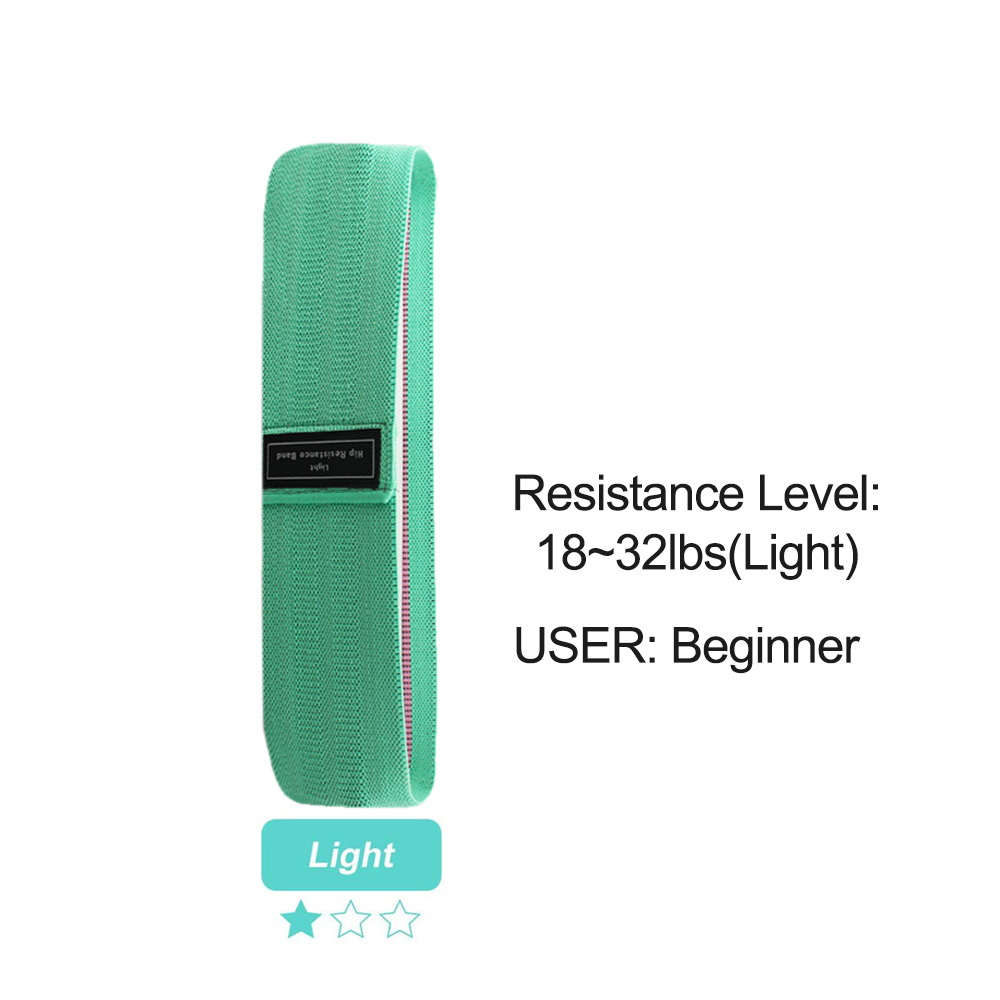
If you have been searching for a straightforward way to get more out of your lower-body training, the hip band is one of the most effective tools you can add to your routine. Whether you are training at home or in a commercial gym, a hip band places targeted resistance around the thighs to activate muscles that are often underused during compound movements. This simple addition changes how your body recruits muscle during every rep, leading to better technique and stronger results over time.
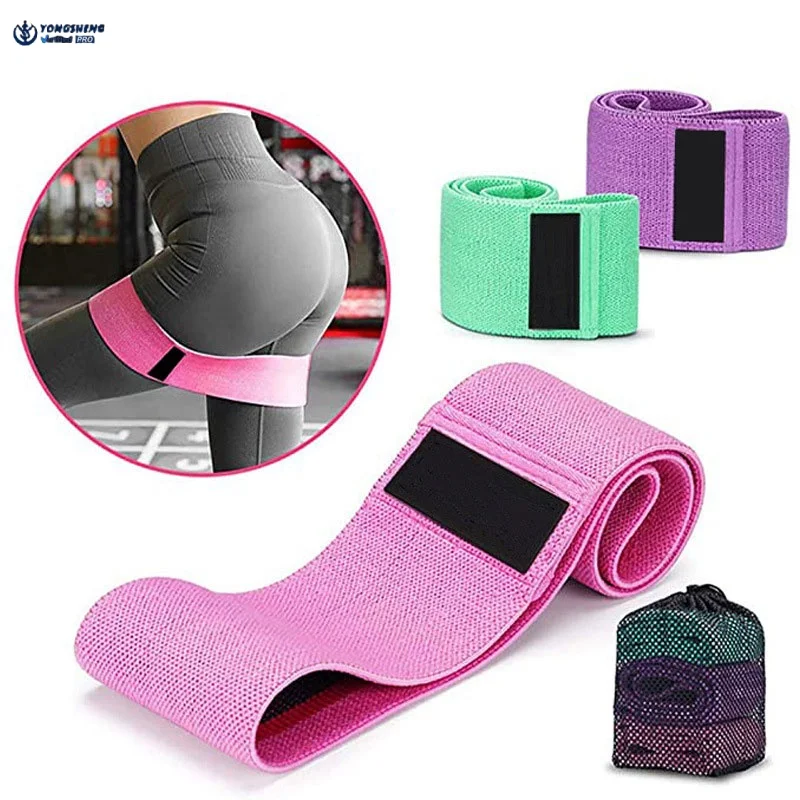
The hip band works by creating constant lateral tension throughout a movement pattern. When you place a hip band just above your knees and perform a squat or lunge, the resistance challenges your abductors and glutes to fire continuously. This ongoing engagement improves movement quality, joint stability, and muscular development in ways that bodyweight training alone cannot replicate. Understanding exactly how the hip band enhances these key exercises will help you use it with greater intention and precision.
How the Hip Band Activates Key Muscle Groups
Glute and Abductor Engagement During Squats
One of the most common challenges in squat training is getting the glutes to engage properly from the very start of the movement. A hip band addresses this directly by applying outward resistance that forces your hips to actively push against the band throughout the entire squat. This means your gluteus medius and gluteus maximus are recruited earlier and work harder than they would without the hip band in place. The result is a deeper, more controlled squat that builds genuine posterior chain strength rather than relying on compensatory muscle patterns.
Using a hip band during squats also trains the body to resist knee cave, which is one of the most damaging alignment faults in loaded lower-body training. When the hip band is looped above the knees, any tendency for the knees to drift inward is immediately met with resistance, giving you real-time corrective feedback. Over sessions, this trains the neuromuscular system to maintain proper knee tracking automatically, even when the hip band is removed. Athletes and general fitness enthusiasts alike benefit from this correction because it reduces injury risk while increasing the effectiveness of each squat rep.
Hip Band Mechanics in Lunge Variations
The hip band is equally powerful when applied to lunge patterns. In a forward lunge, reverse lunge, or lateral lunge, the hip band creates a continuous challenge for the stabilizing muscles of the standing and stepping leg. This forces the hips to remain level and the knee of the working leg to track correctly over the toes. Without a hip band, many people allow the hip to drop or the knee to collapse during the lunge descent, which reduces glute involvement and stresses the knee joint unnecessarily.
When a hip band is used during lateral lunges specifically, the resistance pattern shifts to challenge hip abduction through a loaded range of motion. This combination of lateral tension and bodyweight loading is highly effective for developing the outer glutes and inner thighs simultaneously. The hip band makes the lateral lunge a far more complete movement by ensuring that both the working and non-working sides remain actively engaged throughout each repetition.
Improving Alignment and Movement Quality
Knee Tracking and Joint Stability
Joint alignment is a critical factor in the safety and effectiveness of squats and lunges. The hip band provides an external cue that helps you maintain proper knee tracking without requiring constant coaching. As soon as the knees begin to collapse inward, the hip band's tension becomes noticeably stronger, prompting you to correct the position in real time. This feedback loop is especially valuable for beginners who are still developing body awareness and for experienced athletes who want to reinforce sound mechanics under fatigue.
Consistent use of the hip band during training sessions builds the stabilizer strength needed to maintain alignment even in challenging conditions. Hip abductor weakness is a leading contributor to knee pain and lower-body overuse injuries in active individuals. By regularly training with a hip band, you progressively strengthen these muscles in a functional context, meaning the strength transfers directly into your squats, lunges, and athletic movements beyond the gym.
Postural Benefits and Hip Mobility
The hip band also has a measurable impact on postural control during lower-body movements. When your hips are forced to remain stable and your glutes are fully activated, your torso naturally stays more upright throughout the squat and lunge. This upright posture reduces unnecessary stress on the lower back and allows for a more powerful drive through the hips during the ascent phase. Athletes who incorporate the hip band into their warm-up and working sets often report feeling more centered and controlled during heavier lifts.
In addition to postural benefits, the hip band gently encourages greater hip mobility over time. As your glutes and abductors become stronger and more responsive, your hips move more freely and with greater range. This is a significant advantage for squats in particular, where hip mobility directly determines squat depth and overall movement quality. Incorporating the hip band into both warm-up drills and working sets accelerates these mobility gains in a safe and progressive manner.
Practical Application in Squat and Lunge Programming
Incorporating the Hip Band Into Your Training Sessions
Adding the hip band to your training does not require a complete overhaul of your current program. The most effective approach is to begin each lower-body session with two to three activation exercises using the hip band, such as banded glute bridges, clamshells, and side-step walks. These movements prime the glutes and abductors before you transition into squats and lunges, ensuring the muscles are fully switched on before loading begins. Using the hip band during warm-up sets of squats and lunges also allows you to rehearse correct movement patterns before adding significant resistance.
For intermediate and advanced trainees, the hip band can be kept in place during working sets of bodyweight squats, goblet squats, and walking lunges to maintain continuous activation. Choosing the right resistance level for the hip band matters greatly. A band that is too light will not provide enough stimulus, while one that is too heavy may restrict movement or cause compensations. Most athletes benefit from starting with a light to medium hip band and progressing to higher resistance as strength and coordination improve.
Selecting the Right Hip Band for Your Goals
Not all hip band options offer the same performance. Fabric hip band designs are generally preferred for squat and lunge training because they stay in place without rolling or digging into the skin. A non-slip hip band with a structured waistband provides secure positioning through dynamic movements, which is especially important during lunges where the band is subject to shifting forces. Investing in a quality hip band set with multiple resistance levels allows you to scale your training appropriately and progress steadily over weeks and months.
FAQ
Where should I position the hip band for squats and lunges?
For squats and lunges, position the hip band just above the knees on the lower thighs. This placement applies direct outward resistance to the knee joint and activates the glutes and hip abductors most effectively. Avoid placing the hip band too low near the ankles, as this changes the resistance angle and reduces its effectiveness for hip activation during these movements.
Can beginners use a hip band for squat training?
Yes, beginners can and should use a hip band during squat training. A light-resistance hip band provides gentle corrective feedback for knee alignment and helps beginners develop proper glute activation patterns from the very beginning of their training journey. Starting with a low-resistance hip band and progressing gradually ensures the movements remain controlled and technically sound.
How often should I train with a hip band to see results?
Using a hip band consistently across three to four lower-body sessions per week is sufficient to see meaningful improvements in glute activation, knee alignment, and squat depth within four to six weeks. The hip band is most effective when used as a regular training tool rather than an occasional accessory, so integrate it into both warm-up and working-set protocols for the best outcomes.