 EN
EN


When planning a group fitness class, instructors and gym managers often face a critical question: which tools deliver consistent results across participants with different fitness levels? The hip band has become one of the most discussed pieces of resistance equipment in commercial fitness settings. Its compact design, low barrier to entry, and targeted muscle activation make it a compelling candidate for group exercise formats.
The short answer is yes — a hip band is genuinely suitable for group fitness classes, but suitability depends on the class format, participant demographics, and how the hip band is integrated into the session. This article breaks down exactly when and why a hip band works well in group settings, what practical considerations instructors should keep in mind, and how to get the most out of hip band training in a shared environment.
Why the Hip Band Fits the Group Fitness Model
Low Setup Time and High Accessibility
One of the biggest challenges in group fitness is transitioning between exercises quickly without losing momentum. The hip band excels here because it requires no anchoring, no machine setup, and no complex adjustment. A participant simply places the hip band above the knee or around the thighs and moves directly into the exercise. This frictionless setup keeps the energy of the class flowing and reduces instructor management time significantly.
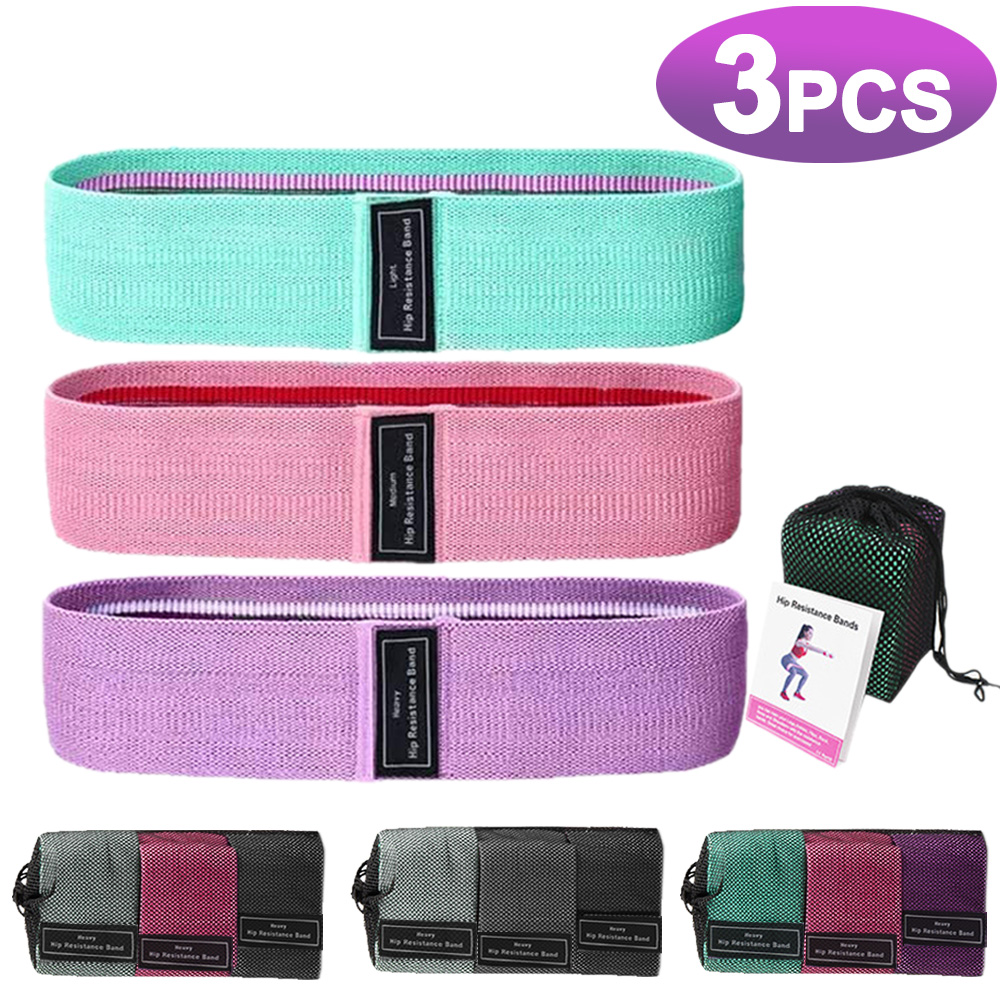
The hip band also accommodates a wide range of body types without modification. Unlike barbells or cable machines that require plate changes or pin adjustments, a hip band stretches to fit various leg sizes. When a studio stocks multiple resistance levels — light, medium, and heavy — every participant in the group can self-select the appropriate hip band without interrupting the class structure.
Scalability Across Fitness Levels
Group fitness classes typically serve participants ranging from beginners to intermediate athletes. A hip band handles this variation naturally. A beginner can use a lighter hip band to learn movement patterns for glute bridges or lateral walks, while a more advanced participant uses a heavier hip band to intensify the same movement. The instructor delivers one cue, and the hip band does the work of personalizing the resistance. This scalability is a key reason fitness studios increasingly stock hip band sets as standard class equipment.
Best Group Fitness Formats for Hip Band Use
Booty and Glute-Focused Classes
The hip band was essentially designed for lower-body activation, which makes it a natural fit for booty sculpt, glute lab, and lower-body strength classes. Exercises such as clamshells, squats with a hip band above the knee, donkey kicks, and side-lying abductions are all highly effective in a group setting. The hip band adds meaningful resistance to bodyweight movements that might otherwise feel too easy for regular participants, making every rep count without requiring heavy equipment.
Instructors running these classes report that the hip band improves mind-muscle connection in the glutes, particularly for participants who struggle to feel activation during traditional lower-body exercises. Because the hip band provides constant resistance throughout the range of motion, participants cannot cheat the movement, which leads to better form and more consistent results across the class.
Yoga, Pilates, and Functional Conditioning
Beyond dedicated strength classes, the hip band integrates smoothly into yoga-fusion, Pilates mat work, and functional conditioning formats. In Pilates, adding a hip band to hip hinge patterns or bridge sequences increases core and glute engagement without disturbing the flow of the session. In yoga-fusion formats, the hip band can be used during warrior sequences or low-lunge holds to add a resistance challenge while maintaining the meditative pacing of the class.
Functional conditioning classes benefit from the hip band as a warm-up tool and as a finisher. Using a hip band during warm-up activates the glutes and hip abductors, which reduces injury risk during dynamic movements later in the session. As a finisher, a high-rep hip band circuit challenges muscular endurance in a way that feels intense but carries minimal injury risk for a diverse group.
Practical Considerations for Group Hip Band Use
Choosing the Right Hip Band Material and Resistance
Not all hip band products perform equally in a group setting. Fabric hip band options are generally preferred over thin latex loop bands in commercial classes because they resist rolling and bunching during movement. A hip band that rolls up on the thigh during a squat disrupts the exercise and frustrates participants. A wide, non-slip fabric hip band stays in place through repeated sets, which is essential when an instructor cannot stop to help every individual adjust their equipment.
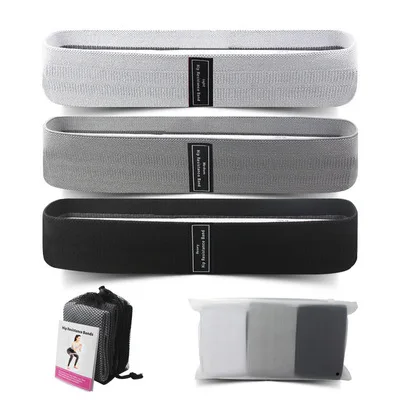
Stocking at least three resistance levels of hip band per class ensures inclusivity. A light hip band works for warm-up sets and beginner participants. A medium hip band suits most intermediate exercisers during working sets. A heavy hip band challenges advanced participants who need greater resistance to achieve the same stimulus. Gyms and studios purchasing hip band sets in bulk should ensure the resistance levels are clearly labeled so participants can self-select without guidance.
Hygiene and Equipment Management
In a group fitness environment, equipment hygiene matters. A fabric hip band is generally easier to clean than a latex band, as it can be machine washed between sessions or wiped down with disinfectant spray. Studios managing large class volumes should establish a clear hip band cleaning protocol to maintain participant confidence. Storing hip band sets in labeled bins near the studio entrance also speeds up class setup and supports efficient end-of-class collection.
Equipment durability is another consideration. A hip band used in multiple classes per day experiences far more wear than one used in personal training. Choosing a commercial-grade hip band with reinforced stitching and high-density fabric protects the investment and ensures consistent resistance levels over time. A hip band that loses elasticity after a few weeks undermines participant progress and increases replacement costs.
FAQ
How many hip bands does a group fitness studio need?
A general guideline is to stock one hip band per participant at each resistance level. For a class of 20 participants, that means at least 60 hip band units — 20 light, 20 medium, and 20 heavy. Having extra hip band units on hand accounts for damage, loss, and growing class sizes.
Can a hip band be used for upper body exercises in group classes?
While the hip band is optimized for lower-body and glute training, creative instructors do use it for shoulder rotations and standing row variations. However, the primary value of a hip band in group fitness remains its lower-body application, where it delivers the most consistent and effective resistance.
What resistance level hip band is best for beginners in a group class?
Beginners typically benefit most from a light-resistance hip band that allows them to focus on movement quality before adding load. As technique improves over two to four weeks, moving up to a medium hip band maintains the challenge and supports continued progress without overwhelming new participants.