 EN
EN


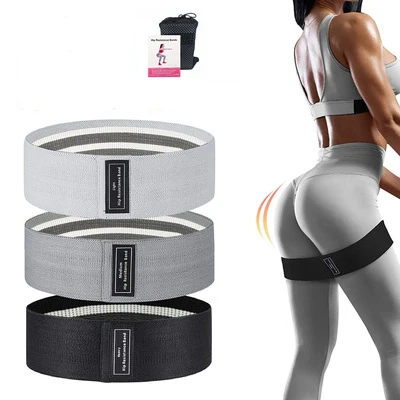
When gym owners and facility managers evaluate resistance training tools, the hip band has become one of the most discussed additions to modern training floors. A hip band is a looped resistance band worn around the thighs or glutes to activate lower-body muscles during warm-ups, strength work, and functional training. But whether a hip band is truly suitable for commercial gym environments involves more than just performance on the training floor — it also depends on durability, user versatility, and operational practicality.
Commercial gyms face unique challenges that home users never encounter. Equipment must endure hundreds of daily uses, suit a wide range of body types and fitness levels, and remain hygienic and functional over time. The hip band, when properly selected, can meet all of these criteria. Understanding the exact conditions where a hip band thrives in a commercial setting will help facility managers make smarter purchasing and deployment decisions.
The Commercial Case for Hip Band Equipment
Why Demand for Hip Band Training Is Rising
The hip band has experienced significant growth in popularity across fitness communities globally. Glute-focused training has become a dominant trend, and the hip band is the go-to tool for activating the glute medius, hip abductors, and surrounding stabilizer muscles. In commercial gyms, members expect access to tools that support modern training methodologies, and the hip band directly answers that expectation. Facilities that stock hip band sets signal to members that they offer current, well-rounded programming.
A hip band also supports warm-up protocols for heavy lifting, making it useful not only for dedicated glute training but also as a preparatory tool before squats, deadlifts, and lunges. This versatility increases the frequency of hip band use in a commercial setting, which strengthens the case for including it in the equipment inventory. When a single tool serves multiple training purposes, its value in a busy commercial environment multiplies considerably.
Hip Band Suitability Across Member Demographics
Commercial gyms serve a broad population — from beginners learning movement patterns to advanced athletes pushing performance limits. The hip band is genuinely accessible across this entire range. A beginner benefits from using a hip band to learn proper knee tracking and hip engagement during bodyweight exercises. An experienced lifter uses the hip band to increase glute activation during loaded movements or to maintain tension during isolation exercises.
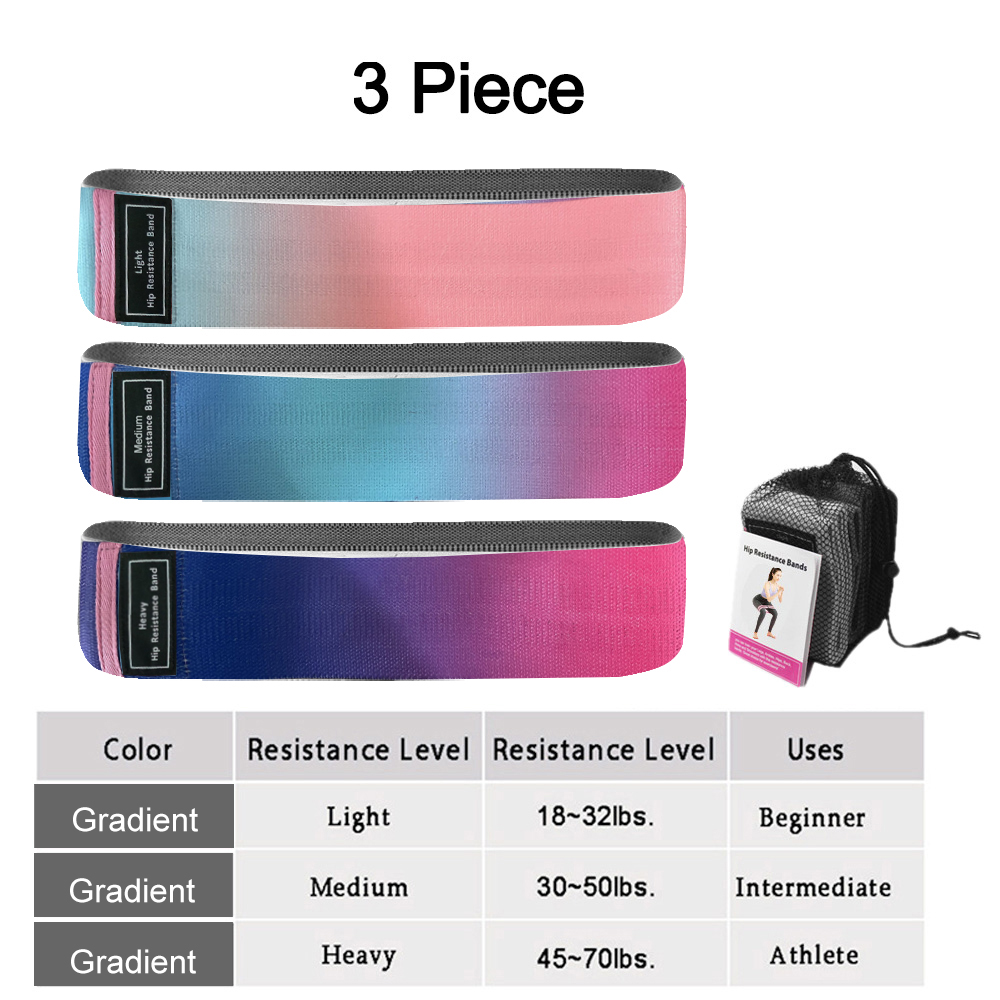
The availability of hip band sets in multiple resistance levels — typically light, medium, and heavy — makes it straightforward for any member to select the appropriate hip band for their current fitness level. This self-scaling nature reduces the need for staff intervention and keeps training floors running smoothly even during peak hours.
Durability and Maintenance in High-Traffic Settings
Fabric Hip Band Construction and Longevity
Not every hip band is built to withstand commercial use. Thin latex bands often roll, snap, or degrade quickly under heavy daily use. In contrast, fabric-based hip band designs offer significantly better durability for high-traffic environments. A well-constructed fabric hip band maintains its shape, resists rolling, and withstands repeated stretching without losing elasticity. Anti-slip inner lining is a particularly important feature in a commercial hip band, as it prevents the band from shifting during exercise — a frustrating issue that degrades the user experience and increases wear.
For commercial gym operators, a durable hip band represents a better cost-per-use ratio over time. Investing in a quality hip band set upfront reduces replacement frequency and minimizes member complaints about equipment failure. A hip band that holds up over thousands of uses provides reliable value without the operational disruption of constant restocking.
Hygiene and Cleaning Practicality
In a commercial setting, every piece of equipment that contacts skin must be easy to clean. A hip band made from fabric with a woven anti-slip layer can be wiped down between uses and periodically machine-washed without structural degradation. This is a meaningful practical advantage over pure latex hip band options, which can degrade when exposed to cleaning agents. Facilities that establish a clear cleaning protocol for their hip band inventory demonstrate both hygiene standards and equipment respect, which matters to members who share gear.
Operational Integration of Hip Bands in a Gym Environment
Storage and Organization of Hip Band Sets
One operational advantage of the hip band is its compact footprint. Unlike large machines or bulky free weights, a hip band set can be stored in a small basket, wall-mounted rack, or drawer near the stretching zone or functional training area. Commercial gyms can stock a generous supply of hip band units without sacrificing significant floor space. This makes the hip band one of the most space-efficient pieces of resistance equipment available, which is a meaningful advantage in gyms where square footage is a premium resource.
Clear color-coding by resistance level allows members to identify the correct hip band quickly without staff guidance. When a hip band system is organized intuitively, it integrates smoothly into the gym's existing flow without creating congestion or confusion around the equipment zone.
Programming and Group Class Applications
The hip band is a natural fit for group fitness formats. Bootcamp classes, lower-body sculpt sessions, and mobility-focused programs all benefit from incorporating the hip band as a core tool. Instructors can standardize programming around hip band drills that work for the entire class simultaneously, creating structured and visually cohesive sessions. When a gym stocks enough hip band units to equip every class participant, it elevates the perceived quality of the group program and supports trainer delivery without improvisation.
FAQ
How many hip band units should a commercial gym stock?
A commercial gym should typically stock enough hip band sets to cover peak class sizes plus individual floor use. As a general guideline, having at least one hip band per expected simultaneous user — with extra units per resistance level for rotation and replacement — ensures members always have access to the appropriate hip band without waiting.
What resistance levels should a commercial hip band set include?
A commercial hip band offering should include at least three resistance levels: light, medium, and heavy. Light hip band options suit beginners, warm-up protocols, and mobility work. Medium hip band units cover the broadest range of general training users. Heavy hip band selections serve advanced members focusing on progressive glute loading.
Can a hip band replace heavier glute machines in a commercial gym?
A hip band does not fully replace cable machines or loaded hip thrust equipment, but it serves a complementary role that heavier machines cannot. The hip band is ideal for warm-up activation, bodyweight resistance work, and travel-friendly training zones. For comprehensive glute development programming, the hip band works best alongside, rather than instead of, heavier resistance tools.