 EN
EN


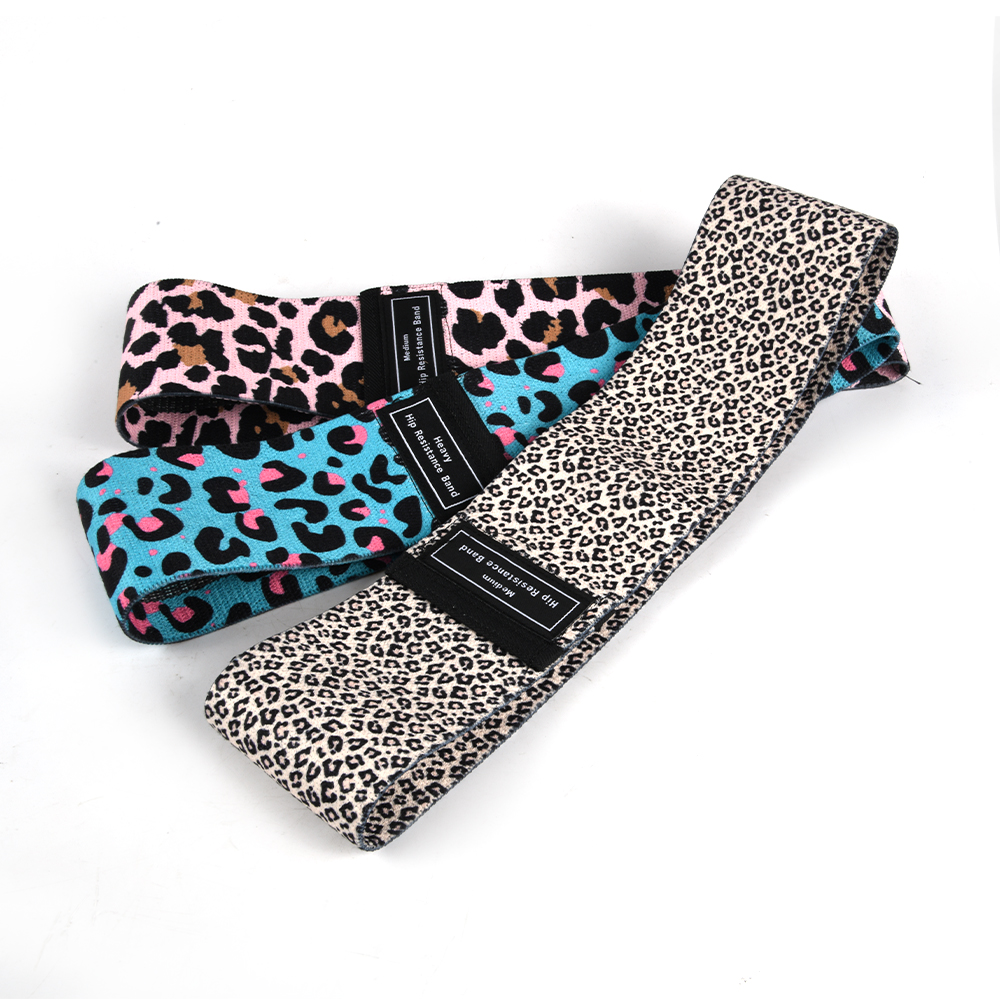
Flexibility and mobility are two foundational pillars of functional fitness, yet they are often overlooked in standard training routines. A hip band is one of the most effective and accessible tools for addressing both of these qualities simultaneously. Whether you are an athlete, a gym-goer, or someone recovering from tightness caused by extended sitting, incorporating a hip band into your movement practice can deliver measurable results in joint range and muscle responsiveness.
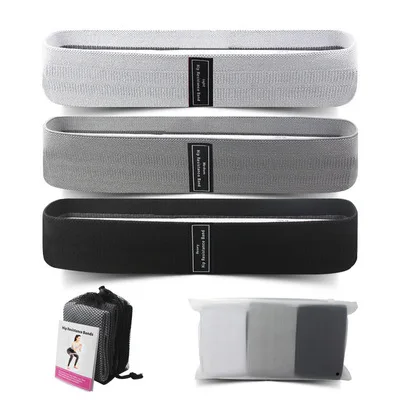
The hip band applies continuous and controlled resistance around the thighs or lower limbs, encouraging the muscles and connective tissues to activate through a fuller range of motion. This targeted activation distinguishes hip band training from conventional stretching. Instead of passively lengthening a muscle, the hip band forces the surrounding muscle groups to engage actively, which trains the nervous system to support and stabilize new movement ranges. Over time, this approach builds both flexibility and mobility in a way that is durable and functionally useful.
The Mechanics Behind Hip Band Flexibility Training
How Resistance Enhances Range of Motion
When you apply a hip band around your thighs during a squat, lunge, or lateral walk, the band creates an inward force that the hip abductors and external rotators must resist. This resistance cues the glutes and deep hip stabilizers to fire, which in turn opens the hip joint and allows a deeper, more controlled range of motion. Many people find that using a hip band during a squat actually allows them to sit lower and maintain better posture than squatting without one. This is because the hip band activates the muscles needed to support the movement rather than letting the joints collapse under load.
Active Flexibility vs. Passive Stretching
Passive stretching, such as holding a seated hamstring stretch, can improve flexibility over time, but the gains may not translate directly into functional movement. Active flexibility, supported by hip band exercises, trains the muscles to both lengthen and contract under controlled conditions. This dual demand means the hip band develops usable range, not just theoretical flexibility. For example, a hip band clamshell drill trains the hip external rotators to open the joint actively against resistance, teaching the body to access that range during real athletic or daily movements.
Key Hip Band Exercises for Mobility Improvement
Lower Body Activation Patterns
The hip band is particularly effective for exercises that target the glutes, hip flexors, adductors, and abductors in an integrated way. Hip band squats are a primary example. By placing the hip band just above the knees, the lifter is prompted to push the knees outward throughout the movement, engaging the glute medius and external rotators. This not only strengthens the hip but also improves the mobility required to perform a proper squat pattern. Hip band lateral band walks are another foundational drill. Stepping side to side against hip band resistance trains the frontal plane movement that many athletes neglect, directly improving lateral hip mobility and stability.
Targeted Drills for Joint Range
Hip band glute bridges offer a direct approach to improving hip extension mobility. When the hip band is placed across the thighs, the lifter must maintain outward knee drive throughout the bridge, which simultaneously activates the posterior chain and reinforces hip joint alignment. Hip band fire hydrants take the joint through a circular arc of movement that challenges both mobility and control. The hip band adds resistance to this arc, building active strength throughout the full range rather than only at the endpoints. Hip band standing abductions train the hip joint to move into abduction under load, which is particularly useful for improving lateral mobility and reducing compensatory movement patterns.
Programming the Hip Band for Lasting Mobility Gains
Consistency and Progressive Loading
Mobility improvement is a training adaptation, not a one-time event. To see genuine progress, the hip band must be used consistently as part of a structured program. Starting with a lighter hip band resistance allows the athlete to focus on movement quality and full range of motion before progressing to heavier resistance levels. Performing hip band mobility drills three to five times per week, even for short sessions of ten to fifteen minutes, produces compounding benefits over several weeks. The hip band is compact and requires no special equipment setup, making it practical for home training, travel, or gym warm-up routines.
Integrating the Hip Band Into Warm-Up and Cool-Down
One of the most effective ways to use a hip band for mobility is to integrate it into both warm-up and cool-down phases of training. A pre-workout hip band sequence of lateral walks, squats, and clamshells elevates blood flow to the hip complex, activates the stabilizing muscles, and primes the joint for heavier loading. This reduces injury risk and enhances performance in the session that follows. Using a hip band in the cool-down phase at lower intensity encourages active recovery by flushing the hip muscles with blood while reinforcing range of motion gained during the workout. Over time, this dual integration accelerates the cumulative flexibility benefits of hip band training.
FAQ
How often should I use a hip band to improve flexibility?
Using a hip band three to five times per week is generally sufficient to produce meaningful flexibility and mobility improvements. Shorter daily sessions focused on movement quality tend to be more effective than infrequent longer sessions. Consistency over time is the primary driver of adaptation when training with a hip band.
Can beginners use a hip band for mobility work?
Yes, the hip band is well suited for beginners. Starting with a lighter resistance hip band allows new users to learn movement patterns without excessive strain. Exercises such as hip band clamshells, glute bridges, and bodyweight squats with a hip band provide a safe entry point that builds both strength and mobility progressively.
What resistance level hip band is best for flexibility training?
For flexibility and mobility-focused training, a light to medium resistance hip band is typically the most appropriate choice. Heavy resistance may restrict range of motion and shift the focus toward strength rather than mobility. A hip band that provides enough tension to activate the target muscles without limiting movement depth allows for the best combination of muscle engagement and joint range development.