 EN
EN


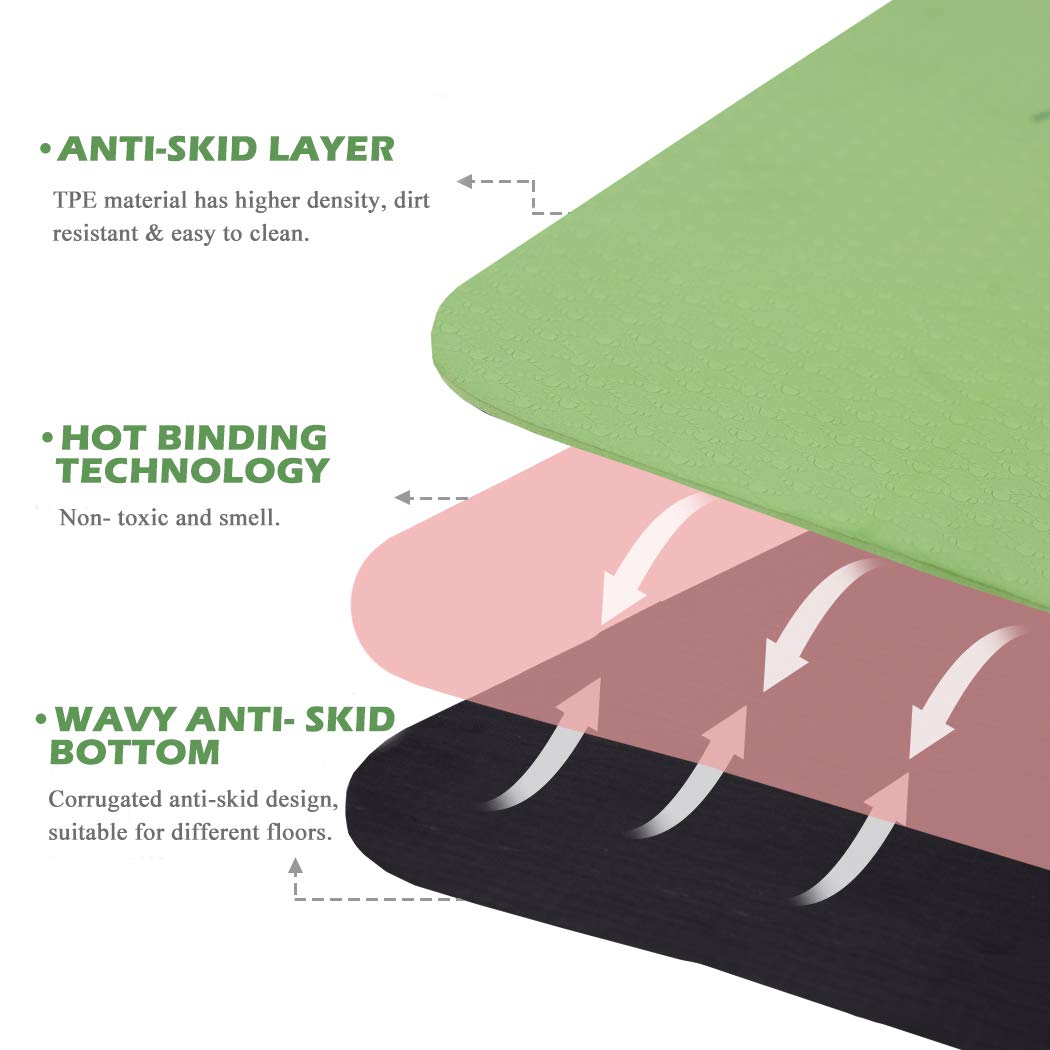
Every serious yoga practitioner eventually confronts the same question: does the material of a yoga mat really matter that much? The answer, according to experienced yogis across every discipline, is an emphatic yes. A yoga mat is not simply a padded surface — it is the single point of contact between the practitioner and the floor, making material quality a direct factor in safety, comfort, and performance. When a yoga mat deteriorates too quickly, it compromises grip, loses cushioning integrity, and ultimately puts the practitioner at risk of injury.
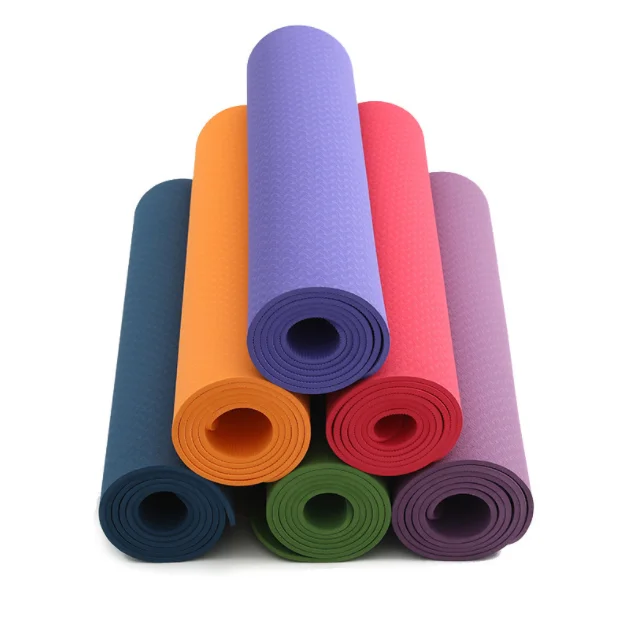
The prioritization of durable yoga mat materials is not about luxury or brand preference — it is a functional decision rooted in the physical demands of regular practice. A yoga mat faces repeated compression, friction, moisture exposure, and temperature fluctuation. Only materials engineered for longevity can withstand this intensity without breaking down. Understanding why durability is a top priority helps practitioners choose a yoga mat that genuinely serves their long-term practice goals.
The Physical Demands Placed on a Yoga Mat
Stress Patterns Unique to Yoga Practice
Unlike a gym floor mat that sits stationary during use, a yoga mat endures highly dynamic stress. Practitioners shift weight continuously, hold static poses that concentrate pressure on specific zones, and perform transitions that generate significant friction. Over hundreds of sessions, these forces degrade low-quality yoga mat materials rapidly, leading to surface peeling, compression marks, and reduced traction. A yoga mat made from durable materials distributes and absorbs these stresses more evenly, maintaining its structural integrity far longer.
Moisture is another major factor. Sweat penetrates the surface of a yoga mat during every session, especially in hot yoga or vigorous vinyasa classes. Materials that lack moisture resistance break down at a cellular level, causing the yoga mat to smell, crack, and lose its anti-slip properties. Durable materials such as TPE — thermoplastic elastomer — resist moisture absorption while remaining flexible and supportive. This is why many practitioners specifically seek a yoga mat built from closed-cell or moisture-resistant compounds.
Frequency of Use and Cumulative Wear
A dedicated practitioner may use their yoga mat five to seven times per week. At that frequency, the cumulative wear on a yoga mat is substantial. A yoga mat that degrades within months forces repeated replacement, which increases cost and creates environmental waste. Practitioners who prioritize durable yoga mat materials from the start avoid this cycle. They invest once in a yoga mat that retains its surface texture, thickness, and grip across hundreds or even thousands of sessions, making the choice both economically and environmentally sound.
How Material Choice Directly Affects Performance and Safety
Grip Retention and Injury Prevention
The grip quality of a yoga mat is not just a comfort feature — it is a safety mechanism. When a yoga mat loses its surface texture due to material degradation, the practitioner's hands and feet begin to slide during weight-bearing poses. This is one of the leading causes of wrist and ankle injuries among yoga practitioners. A yoga mat manufactured from high-resilience materials maintains its textured surface even after extended use, providing consistent traction that supports safe alignment in every pose. Practitioners who have experienced slip-related injuries often cite a worn yoga mat as the primary cause.
Durable yoga mat materials also preserve thickness over time. A yoga mat that compresses flat after several months no longer provides adequate joint cushioning. Knees, hips, and spine all depend on the shock-absorption properties of the yoga mat during floor-based poses. When the yoga mat retains its original thickness through durable foam or elastomer construction, it continues to protect the joints reliably throughout the life of the mat.
Surface Texture and Tactile Feedback
Surface texture on a yoga mat does more than prevent slipping — it provides proprioceptive feedback that helps practitioners sense their position and alignment. A yoga mat with a well-engineered surface texture from durable materials gives the practitioner a tactile signal when their stance shifts. Low-quality yoga mat surfaces wear smooth quickly, eliminating this feedback and reducing body awareness during practice. This is particularly significant for practitioners working on advanced balancing sequences where precise foot and hand placement on the yoga mat is critical.
Long-Term Value and Sustainability in Yoga Mat Selection
The True Cost of a Non-Durable Yoga Mat
A yoga mat with a low initial price but poor durability can cost significantly more over time than a premium yoga mat purchased once. When a yoga mat requires replacement every six to twelve months, the cumulative expenditure adds up quickly. Beyond cost, the environmental impact of discarding multiple yoga mat units per year is considerable. Many yoga mat materials, particularly PVC-based compounds, are not biodegradable and contribute to plastic waste. Practitioners who care about sustainability increasingly choose a yoga mat made from TPE, natural rubber, or other eco-conscious durable materials that extend usable life and reduce disposal frequency.
The durability of a yoga mat is also tied to how it holds up to cleaning. A yoga mat that cracks or peels when wiped with standard cleaners fails to meet hygiene standards for regular use. Durable yoga mat materials tolerate consistent cleaning without surface degradation, allowing the yoga mat to stay hygienic for years. This cleaning resilience is a practical benefit that practitioners only fully appreciate after experiencing the frustration of maintaining a fragile yoga mat through daily use.
Aligning Yoga Mat Quality with Practice Commitment
Practitioners who commit to yoga as a long-term lifestyle naturally align their yoga mat selection with that commitment. A yoga mat is not a disposable accessory — it is a tool that must match the rigor and consistency of regular practice. Choosing a yoga mat with durable, high-performance materials signals a practitioner's seriousness about the discipline. It also removes one variable from the practice environment: when the yoga mat is reliably stable, grippy, and cushioned every session, the practitioner can focus entirely on breath, movement, and alignment without distraction from equipment failure.
FAQ
What makes TPE a preferred material for a durable yoga mat?
TPE, or thermoplastic elastomer, is lightweight, closed-cell, and resistant to moisture and odor. A yoga mat made from TPE retains its cushioning and surface grip over extended use, making it one of the most durable and eco-friendly yoga mat material choices available today.
How often should a yoga mat be replaced even when made from durable materials?
A high-quality yoga mat made from durable materials can last two to five years or more with regular use and proper care. Signs that a yoga mat needs replacement include visible surface cracking, loss of grip, or permanent compression in high-pressure zones.
Does a thicker yoga mat always mean better durability?
Not necessarily. Thickness adds cushioning, but durability depends primarily on the yoga mat material's resilience and density. A thin yoga mat made from high-density TPE can outlast a thick yoga mat made from low-grade foam, so material quality should be evaluated alongside thickness when selecting a yoga mat.