 EN
EN


When fitness center managers evaluate flooring and accessory solutions, one question comes up repeatedly: is a yoga mat genuinely suitable for commercial fitness center operations? The answer is not a simple yes or no. A yoga mat designed for home use may fall short under the demands of a busy commercial environment, while a purpose-built commercial-grade yoga mat can deliver outstanding value. Understanding the distinction is essential before making a procurement decision that affects both member safety and operational cost.
A commercial fitness center sees far higher traffic than a home studio. A single yoga mat may be used by dozens of members across multiple classes each day. That level of usage demands a yoga mat with superior durability, reliable non-slip performance, and materials that can withstand repeated deep cleaning. This article examines the specific conditions a yoga mat must meet to be considered fit for commercial fitness operations, and what procurement managers should look for when selecting the right yoga mat in bulk.
Durability and Material Standards for Commercial Use
Why Material Choice Defines a Yoga Mat's Commercial Lifespan
The material of a yoga mat is the single most important factor in determining whether it can survive commercial-level use. PVC yoga mat options are widely available and low in cost, but they tend to break down faster under heavy daily use and are difficult to clean thoroughly. TPE, or thermoplastic elastomer, has become a preferred material for commercial-grade yoga mat products because it combines elasticity, structural resilience, and a closed-cell surface that resists moisture absorption. A TPE yoga mat is also free from harmful plasticizers, which makes it safer for skin contact during extended sessions.
Natural rubber yoga mat alternatives offer excellent grip and cushioning, but they are more sensitive to UV exposure and may degrade faster in high-humidity environments such as hot yoga studios. For most commercial fitness centers, a high-density TPE yoga mat strikes the best balance between longevity and hygiene. When evaluating any yoga mat for commercial procurement, always verify the material specifications and ask suppliers for documented performance standards.
Thickness and Density Considerations for a Commercial Yoga Mat
A yoga mat intended for commercial settings should typically offer a thickness between 6mm and 8mm. This range provides adequate joint cushioning for practitioners of varying levels without creating instability during standing poses. A yoga mat that is too thin will compress quickly and lose its protective function after moderate use. A yoga mat that is too thick may reduce postural accuracy for experienced users. For group fitness classes that alternate between yoga, Pilates, and stretching exercises, a 6mm yoga mat tends to offer the most versatile performance. High-density foam construction within the yoga mat also extends usable life significantly, reducing replacement cycles and total cost of ownership.
Safety and Hygiene in High-Traffic Yoga Mat Environments
Non-Slip Performance as a Safety Standard
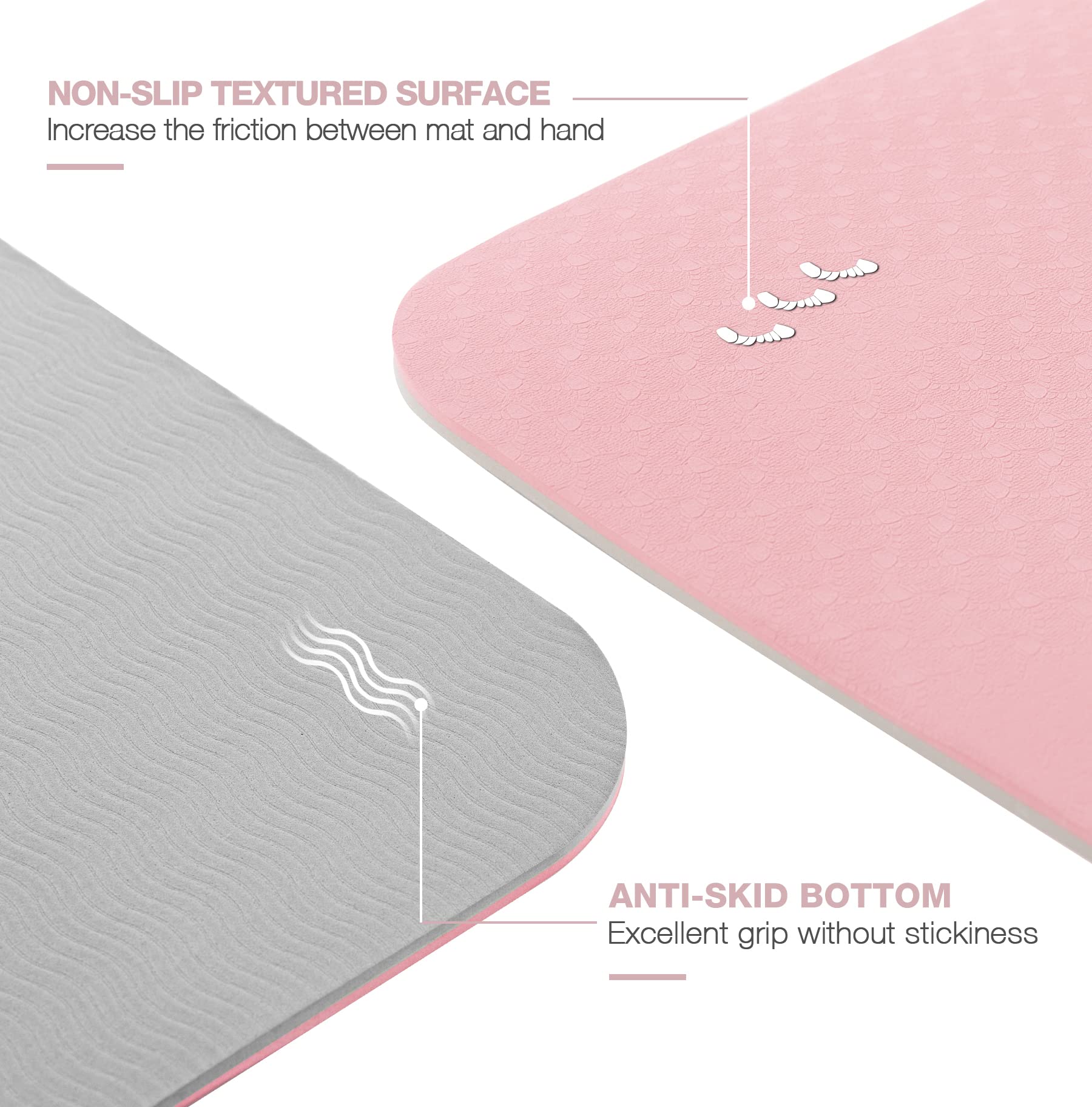
In a commercial fitness center, the yoga mat must perform consistently under varying conditions. Members arrive with differing amounts of perspiration, and class environments can become warm and humid quickly. A yoga mat with a textured, non-slip surface on both sides is essential for commercial use. The bottom surface must grip the floor to prevent the yoga mat from sliding during dynamic movements, while the top surface must provide traction for hands and feet. Poor grip on a yoga mat in a group class setting creates fall risk, which translates directly into liability for the facility. Specifying a yoga mat with demonstrable non-slip performance in wet conditions is a minimum safety requirement for commercial procurement.
Hygiene Maintenance and Cleaning Compatibility
A shared yoga mat must be cleanable with commercial-grade disinfectant solutions without degrading in appearance or function. Some yoga mat materials absorb moisture and harbor bacteria even after surface wiping, which is unacceptable in a facility where member health is a priority. A closed-cell yoga mat surface prevents liquid and bacteria from penetrating beneath the surface layer, making sanitation far more effective. Fitness centers should also confirm that the yoga mat retains its texture and grip properties after repeated cleaning cycles. A yoga mat that becomes slick or discolored after standard cleaning routines will require premature replacement, increasing operational costs and undermining the hygiene goals of the facility.
Operational and Procurement Factors for Fitness Centers
Evaluating Yoga Mat Procurement at Scale
Purchasing a yoga mat in commercial quantities requires a different evaluation framework than individual retail buying. Fitness center operators must consider per-unit cost alongside expected service life to calculate the true cost of a yoga mat over time. A yoga mat priced lower per unit but requiring replacement every six months will cost far more than a premium yoga mat that maintains performance for two to three years. Volume purchasing agreements with suppliers often allow facilities to secure consistent quality across the entire yoga mat inventory, which matters when standardizing class equipment and storage solutions.
ISO-certified manufacturing is a reliable indicator of quality consistency for any yoga mat purchased in large quantities. Certification signals that the yoga mat has been produced under documented quality control processes, reducing the risk of batch variability. For procurement managers, specifying an ISO-certified yoga mat helps protect purchasing decisions and provides a clear standard for supplier accountability. The yoga mat options with eco-friendly TPE materials and ISO certification are increasingly favored by fitness facility operators who prioritize both member wellbeing and sustainability commitments.
Storage, Portability, and Class Integration
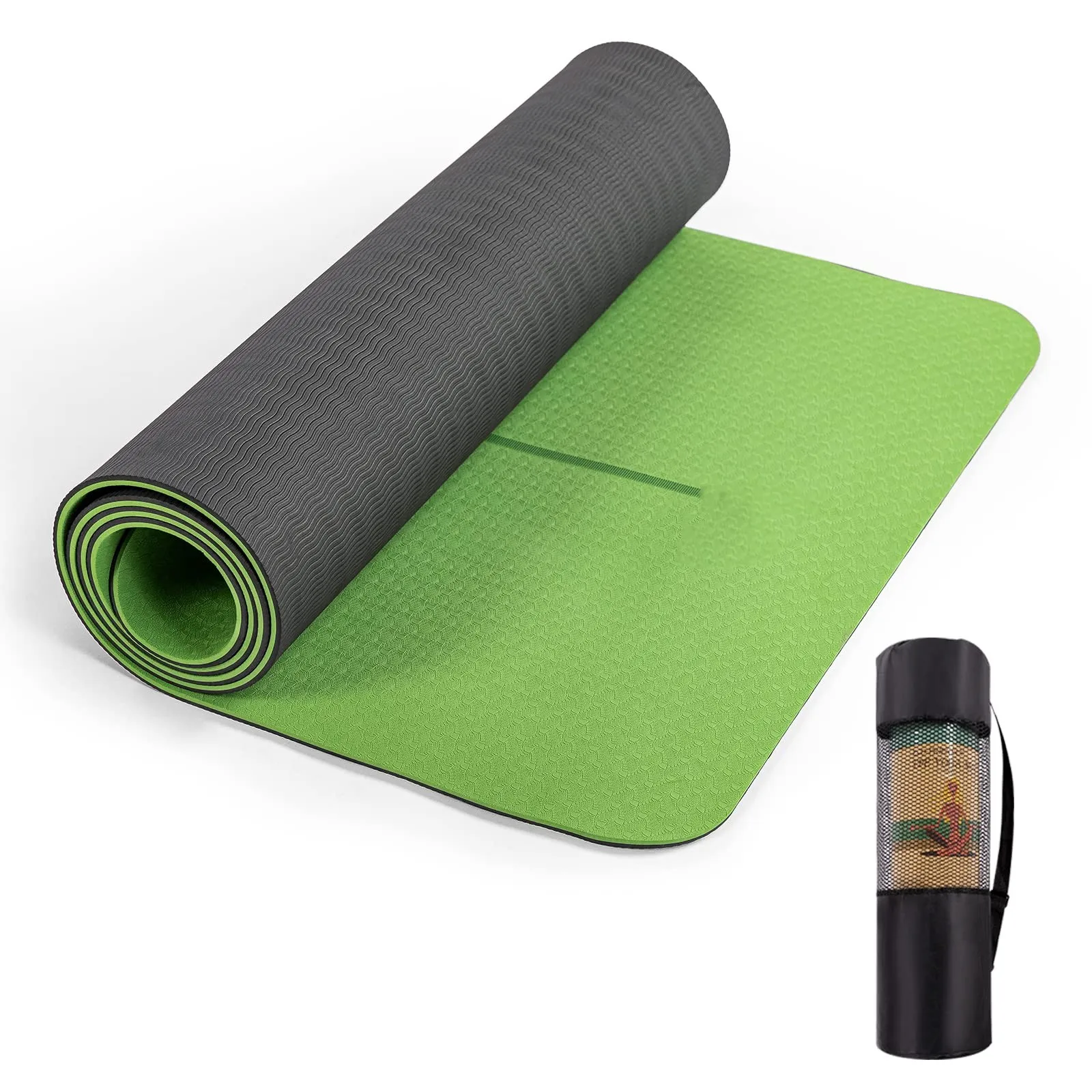
A yoga mat used in a commercial setting must also be practical to store, distribute, and collect efficiently. Fitness centers with multiple class formats need a yoga mat that rolls tightly, stacks well in designated racks, and can be distributed quickly between sessions. A yoga mat with carrying straps or a compact rolled profile reduces setup time for instructors and supports a smooth class flow. Weight is also a relevant factor; a yoga mat that is too heavy becomes a logistical burden when large quantities must be moved between studios or storage areas. A 6mm TPE yoga mat typically achieves the right balance of cushioning and portability for commercial class operations.
FAQ
Can a standard home yoga mat be used in a commercial fitness center?
A standard home yoga mat is generally not suitable for commercial fitness center operations. Home-grade yoga mat products are not designed for multi-user daily use, lack the durability required for commercial cleaning schedules, and may not meet the non-slip standards needed in a high-traffic environment. A commercial yoga mat is specifically built for these conditions.
How often should a commercial fitness center replace its yoga mat inventory?
The replacement cycle for a yoga mat in a commercial setting depends on usage frequency and material quality. A high-quality TPE yoga mat used in daily classes and maintained with proper cleaning protocols can typically last two to three years before performance noticeably degrades. Facilities should inspect each yoga mat periodically for surface wear, loss of grip, and structural compression to determine when replacement is warranted.
What certifications should a commercial yoga mat supplier provide?
When sourcing a yoga mat for commercial use, look for suppliers who provide ISO manufacturing certification as a baseline quality indicator. Additional certifications relevant to a yoga mat include REACH compliance for material safety and SGS testing reports confirming non-toxic composition. These certifications help fitness facility operators confirm that each yoga mat meets both safety and performance standards appropriate for commercial operations.