 EN
EN


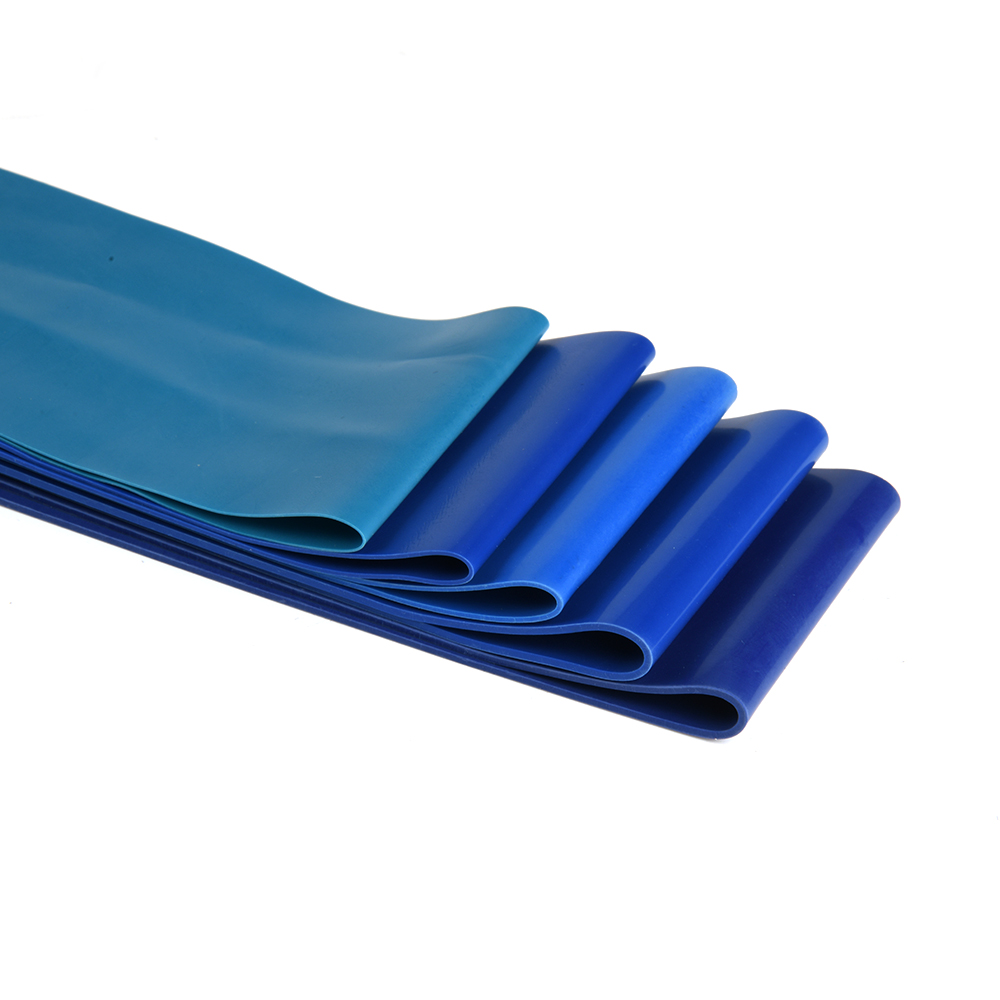
The mini loop band has become one of the most effective and widely used tools in both home and professional gym settings. Unlike traditional free weights, the mini loop band applies continuous tension throughout every movement, forcing stabilizer muscles and primary movers to engage more consistently. This unique mechanical property is what makes the mini loop band so powerful for improving muscle activation efficiency across a wide range of exercises.
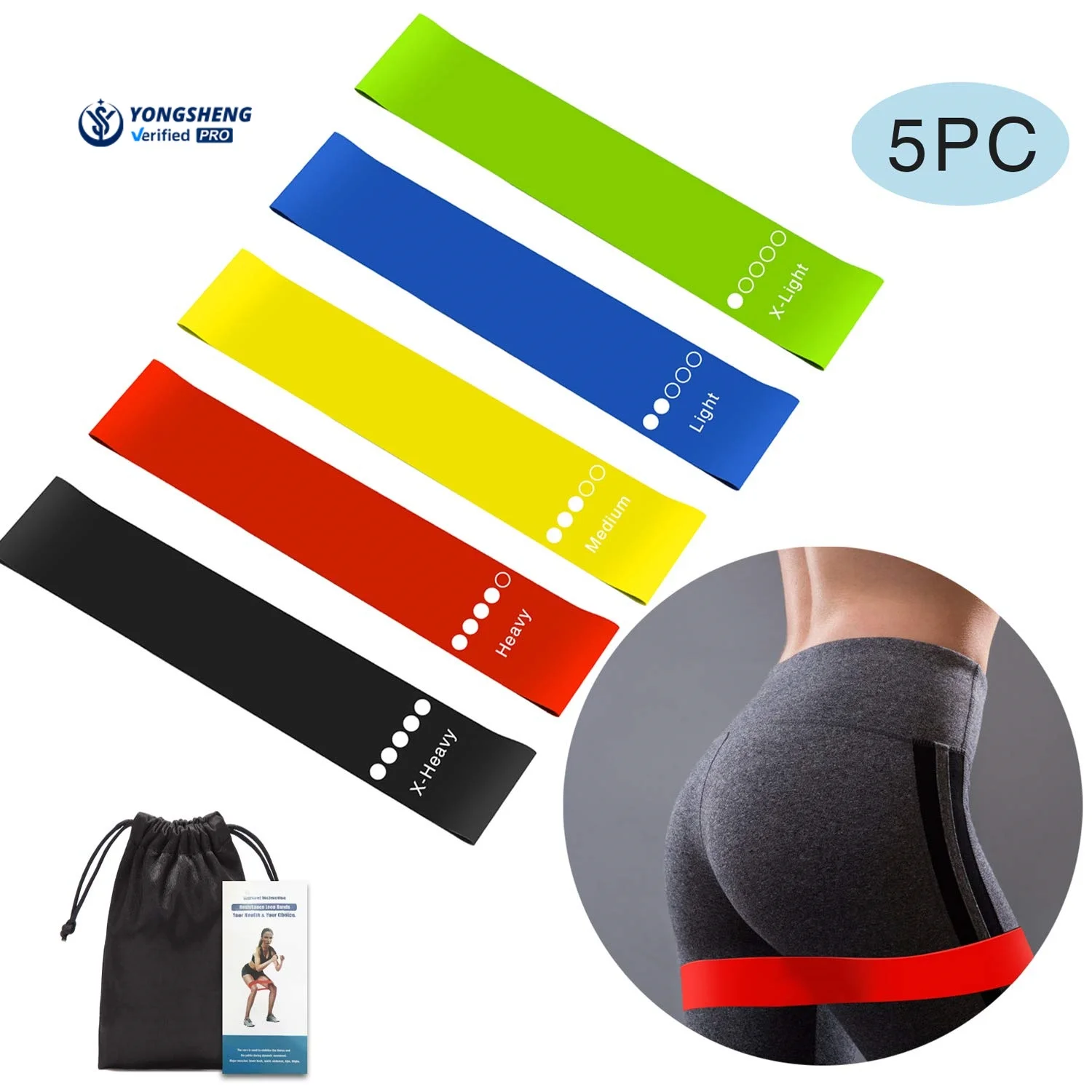
Whether you are an athlete aiming to strengthen weak muscle groups, a rehabilitation patient rebuilding functional movement, or a fitness enthusiast looking to maximize training output, the mini loop band offers measurable benefits. Understanding exactly how this tool enhances muscle activation efficiency helps users apply it more intelligently and extract far greater value from each session. This article explains the science and practical application behind mini loop band training.
How the Mini Loop Band Creates Superior Muscle Tension
Constant Resistance Across the Full Range of Motion
One of the defining advantages of the mini loop band is that it maintains elastic resistance throughout the entire movement arc. In a standard bodyweight squat, muscle tension varies depending on joint angle. When you add a mini loop band around the thighs during a squat, the band continues to pull inward, forcing the glutes and hip abductors to resist and activate with greater intensity at every degree of the movement. This sustained demand leads to higher total muscle fiber recruitment compared to unassisted exercises.
Traditional resistance training often allows brief moments of reduced tension, especially at the top of a lift. The mini loop band eliminates these slack zones by maintaining consistent outward or inward pull. Athletes and physical therapists use this property deliberately to target muscles that tend to underperform, such as the gluteus medius, which is commonly underdeveloped in people with knee tracking problems. Adding a mini loop band to hip hinge patterns, lateral walks, and step exercises corrects these muscular imbalances effectively.
Neuromuscular Activation and Motor Pattern Reinforcement
When the mini loop band is placed around the ankles, knees, or wrists during movement patterns, the nervous system receives constant proprioceptive feedback. This heightened sensory input encourages the motor cortex to recruit more motor units simultaneously. Greater motor unit recruitment directly translates to more muscle fibers working together, which improves both strength output and movement coordination. The mini loop band essentially trains the nervous system to activate muscles more completely during familiar movement patterns.
This neuromuscular benefit is particularly valuable during warm-up protocols. Many coaches and trainers use the mini loop band during activation warm-ups before heavy lifting sessions because it primes the target muscles to fire with greater precision before external loads are applied. Athletes who consistently use the mini loop band in their warm-up routines report better mind-muscle connection and improved lifting mechanics during peak performance work.
Key Muscle Groups Enhanced by Mini Loop Band Training
Glutes, Hip Abductors, and Lower Body Stability
The glutes and hip abductors respond exceptionally well to mini loop band exercises. Placing the mini loop band just above the knees during exercises like clamshells, lateral band walks, and glute bridges forces the gluteus maximus, gluteus medius, and tensor fasciae latae to work simultaneously. This multi-muscle activation pattern is difficult to replicate with conventional weights alone. For individuals recovering from knee injuries or managing lower back pain, the mini loop band provides a safe, low-impact method to rebuild posterior chain strength.
Hip abductor weakness is among the most common causes of poor squat mechanics and knee valgus collapse. Using the mini loop band as a corrective tool during squats teaches the hips to track properly by creating a resistance cue that the athlete must actively push against. This real-time feedback mechanism is far more effective than verbal coaching cues alone. The mini loop band essentially creates a physical reminder that keeps the hips aligned and the glutes engaged throughout the movement.
Upper Body and Core Muscle Activation
While the mini loop band is frequently associated with lower body training, it also delivers excellent results for upper body and core muscle activation. Placing the mini loop band around the wrists during push-up variations forces the rotator cuff, rear deltoids, and serratus anterior to stabilize the shoulder joint continuously. This added demand activates small stabilizer muscles that are often neglected in standard pressing exercises. The result is improved shoulder joint health and greater upper body pressing strength over time.
For core training, the mini loop band can be placed around the ankles during dead bug variations or plank holds to increase the demand on the obliques, transverse abdominis, and hip flexors. The constant pull from the mini loop band forces the core to resist rotational and lateral forces, which closely mimics the demands placed on the core during real-world athletic performance. This functional activation pattern builds a more resilient and responsive core compared to isolated crunches or sit-ups.
Programming Mini Loop Band Exercises for Maximum Efficiency
Integration Into Warm-Up and Activation Protocols
The most effective way to use the mini loop band for muscle activation efficiency is to integrate it into structured warm-up sequences before primary training. A typical mini loop band warm-up might include glute bridges, lateral band walks, clamshells, and banded squats performed for two to three sets each. This pre-activation sequence increases blood flow to the target muscles and synchronizes the nervous system with the movement patterns that follow in the main workout. Athletes who perform this routine consistently experience greater force output and reduced injury rates.
Resistance Level Selection and Progressive Overload
Choosing the correct resistance level is essential for maximizing the muscle activation benefits of the mini loop band. A resistance level that is too light will not generate sufficient tension to challenge the stabilizers meaningfully. A resistance level that is too heavy can cause compensatory movement patterns that defeat the purpose of activation training. Most practitioners recommend starting with a light to medium mini loop band for activation work and progressively advancing to heavier resistance as strength and motor control improve. Using a set of multiple resistance levels allows for flexible programming across different exercises and fitness goals.
Progressive overload with the mini loop band can be achieved by increasing resistance, slowing the tempo of each repetition, adding pauses at peak contraction, or increasing the total volume of mini loop band work per session. Each of these strategies increases time under tension, which is the primary driver of muscle activation and hypertrophic adaptation when using elastic resistance tools. Tracking progress with the mini loop band ensures consistent improvement and prevents training plateaus.
FAQ
How often should I use a mini loop band for muscle activation?
For most individuals, incorporating the mini loop band into training three to five times per week is sufficient for improving muscle activation efficiency. Using the mini loop band as part of a warm-up before every strength session is an excellent habit. Rest days allow the activated muscles to recover and adapt, so daily use of the mini loop band at high intensity is generally not necessary.
Can beginners benefit from mini loop band training?
Absolutely. The mini loop band is particularly well-suited to beginners because it provides a safe, controllable level of resistance that builds foundational muscle activation patterns without excessive joint stress. Beginners should start with the lightest resistance mini loop band available and focus on mastering movement quality before progressing. The mini loop band helps beginners develop the proprioceptive awareness needed for more advanced training.
What makes a mini loop band different from a regular resistance band?
A mini loop band is a short, closed-loop elastic band designed specifically for placement around the limbs during bodyweight and resistance exercises. Unlike longer open-ended resistance bands used for pulling or rowing movements, the mini loop band is optimized for lower body activation, hip training, and joint stabilization work. Its compact circular design creates consistent radial tension, which is the key feature that enhances muscle activation efficiency in functional movement patterns.