 EN
EN


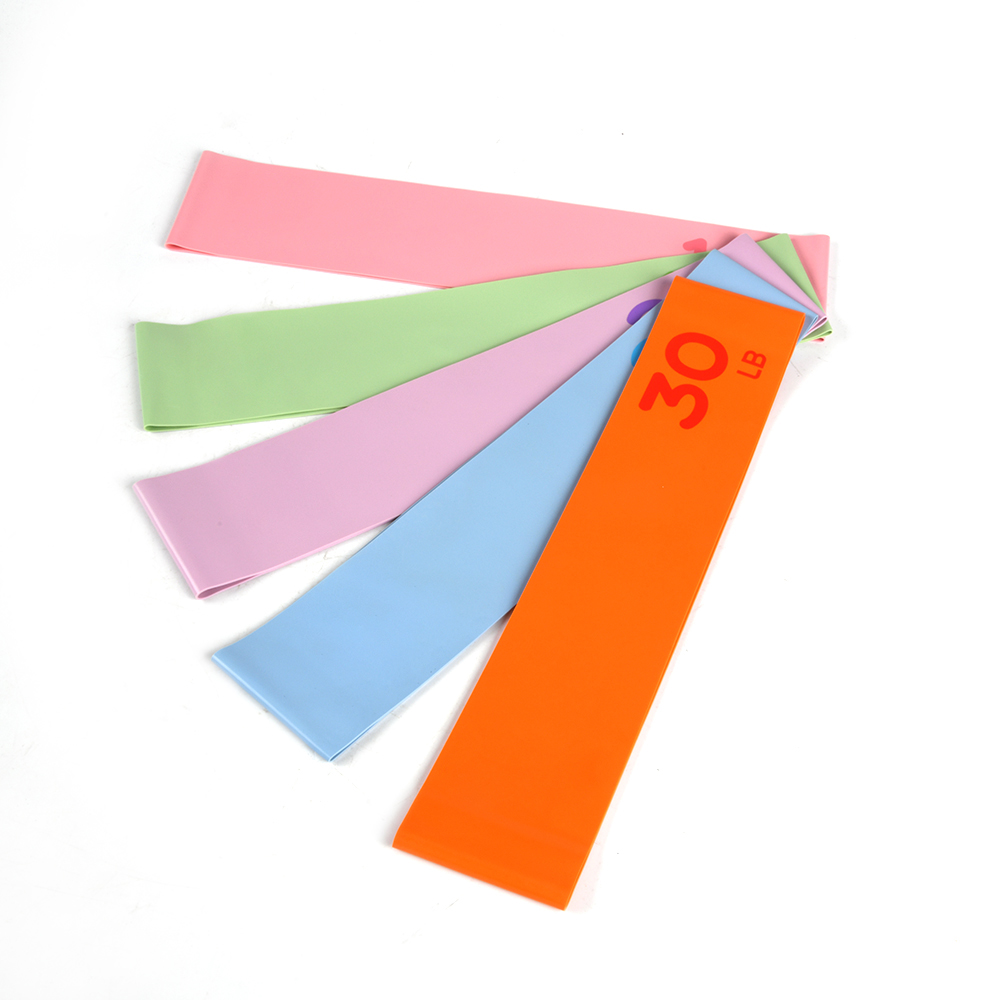
When it comes to preparing the body for a training session, the tools you choose during warm-up matter more than most people realize. A mini loop band has become one of the most widely used resistance accessories for pre-workout preparation, and for good reason. Whether you are working out at a commercial gym, a home studio, or a rehabilitation facility, the mini loop band offers a level of targeted resistance that larger or more complex equipment simply cannot replicate in a warm-up context.
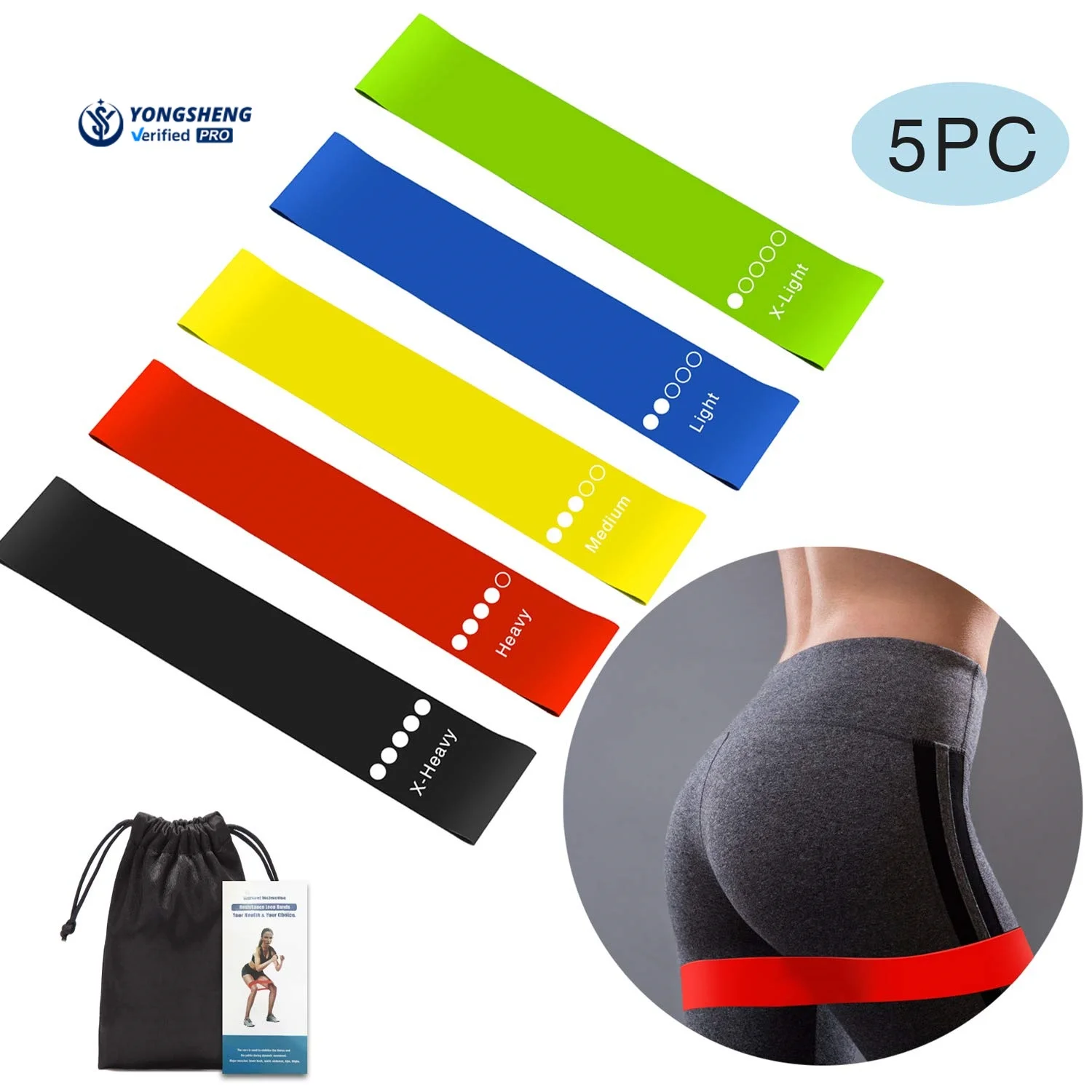
The question of whether a mini loop band is truly effective for resistance-based warm-ups deserves a direct answer: yes, it is — but understanding why requires looking at how resistance training principles apply to warm-up mechanics. A mini loop band works by creating consistent elastic tension throughout a movement, which activates stabilizing muscles, improves joint mobility, and primes the neuromuscular system before heavier loading begins. This article breaks down the evidence, the mechanism, and the practical application of the mini loop band in structured warm-up routines.
How a Mini Loop Band Creates Effective Warm-Up Resistance
The Role of Elastic Tension in Muscle Activation
Unlike free weights or cable machines, a mini loop band generates resistance that increases as the band is stretched. This progressive resistance characteristic is particularly valuable during warm-up movements because it challenges muscles through the full range of motion rather than only at specific joint angles. When a trainer or athlete places a mini loop band around the thighs and performs lateral walks, the glutes and hip abductors must work continuously to maintain tension, ensuring those muscle groups are genuinely activated before heavier compound movements begin.
Research in sports conditioning consistently supports the use of light-to-moderate resistance during warm-up phases to stimulate motor unit recruitment. A mini loop band fits precisely within this resistance range while allowing free, natural movement patterns. The elastic nature of the mini loop band also reduces the risk of joint stress during warm-up, making it suitable for athletes of all experience levels and for individuals recovering from injury.
Targeting Small Stabilizer Muscles
One of the most significant advantages of the mini loop band in warm-up programming is its ability to isolate and activate smaller stabilizer muscles that conventional weights often overlook. The glute medius, hip external rotators, and shoulder stabilizers are classic examples of muscles that benefit from mini loop band activation work. A mini loop band applied around the ankles during clamshell exercises or monster walks directly recruits these stabilizers, which then support safer and more powerful performance during the main workout.
This type of activation work is not just beneficial for recreational gym-goers. Strength and conditioning coaches regularly incorporate mini loop band drills into warm-up protocols for competitive athletes because the bands encourage proper alignment, reduce compensatory movement patterns, and build the muscular readiness needed for high-intensity training. Every time a mini loop band is used in a deliberate activation drill, the nervous system receives a clear signal to engage specific muscle groups before primary loading occurs.
Practical Applications of the Mini Loop Band in Warm-Up Routines
Lower Body Warm-Up Protocols
The mini loop band is most commonly used in lower body warm-up sequences. Placing a mini loop band just above the knees during bodyweight squats introduces lateral tension that forces the knees to track properly over the toes, reinforcing correct squat mechanics while activating the glutes and outer quadriceps. This is an especially effective cue for athletes who tend to experience knee valgus collapse under load. The mini loop band provides immediate proprioceptive feedback, encouraging the lifter to correct movement before adding barbell or dumbbell resistance.
Other effective lower body warm-up drills with a mini loop band include glute bridges, fire hydrants, side-lying abductions, and banded hip hinges. Each of these movements uses the mini loop band to introduce consistent resistance that primes the posterior chain. When performed in sequence before a squat or deadlift session, these mini loop band warm-up drills measurably improve both activation and confidence in the primary movement patterns.
Upper Body and Core Integration
While the lower body application of the mini loop band is most widespread, upper body and core warm-up use is equally valid. A mini loop band placed around the wrists during shoulder warm-up exercises like Y-T-W movements or pull-apart variations activates the rotator cuff and scapular stabilizers effectively. This is particularly relevant for overhead athletes, including throwers, swimmers, and CrossFit practitioners, who need those shoulder stabilizers properly activated before loading the joint under pressing or pulling movements.
For core integration, a mini loop band can be used during standing hip flexion movements or bear crawl variations to challenge anti-rotation and hip flexor control simultaneously. The mini loop band in these contexts acts as a low-threshold stimulus that does not fatigue the muscles prematurely but still delivers enough resistance to stimulate engagement and coordination. This balance between challenge and recovery readiness is what makes the mini loop band uniquely suited to warm-up programming.
Selecting the Right Mini Loop Band Resistance for Warm-Up Use
Matching Band Resistance to Warm-Up Goals
Not all mini loop band options provide the same level of resistance, and choosing the correct tension level is essential for warm-up effectiveness. Most mini loop band sets are offered in multiple resistance levels, typically ranging from light to extra-heavy. For warm-up purposes, lighter to moderate resistance levels are generally most appropriate, as they allow full range of motion while providing enough tension to activate the target muscles without causing fatigue. Using a mini loop band that is too heavy during a warm-up defeats the purpose by pre-exhausting the muscles before the main session begins.
A well-structured mini loop band set gives coaches and athletes the flexibility to use different resistance levels for different muscle groups within the same warm-up. For example, a lighter mini loop band might be ideal for shoulder activation while a medium or firm mini loop band is used for glute and hip work. This layered approach allows the mini loop band to serve as a genuinely adaptive warm-up tool rather than a one-size-fits-all accessory.
Material Quality and Durability Considerations
The material of a mini loop band directly influences its performance during warm-up use. Latex mini loop band options typically provide superior elasticity, consistent resistance output, and longer durability compared to fabric alternatives when used for dynamic movement patterns. A quality mini loop band should maintain its tension properties across multiple sessions without rolling, snapping, or losing elasticity. In a professional or commercial gym setting, a durable mini loop band also translates into lower replacement costs and more reliable performance for every user.
FAQ
How many times should I use a mini loop band during a warm-up?
Using a mini loop band for two to four targeted activation exercises is typically sufficient for a thorough warm-up. Each mini loop band drill should be performed for one to three sets of eight to fifteen repetitions, depending on the intensity of the upcoming workout and the muscle groups being targeted.
Can a mini loop band replace a full warm-up routine?
A mini loop band is a highly effective component of a warm-up routine but works best alongside general cardiovascular elevation and dynamic mobility work. The mini loop band addresses muscle activation specifically, while other warm-up elements prepare the cardiovascular system and joints more broadly. Combining these approaches produces the most complete preparation.
Is a mini loop band suitable for beginners?
Yes, a mini loop band is well-suited for beginners because it introduces resistance gradually and safely. The light and medium resistance options in a standard mini loop band set allow newcomers to develop movement patterns and muscle awareness without the complexity or injury risk associated with free weights. Starting with a lighter mini loop band during warm-ups builds the foundational strength and coordination needed to progress safely.