 EN
EN


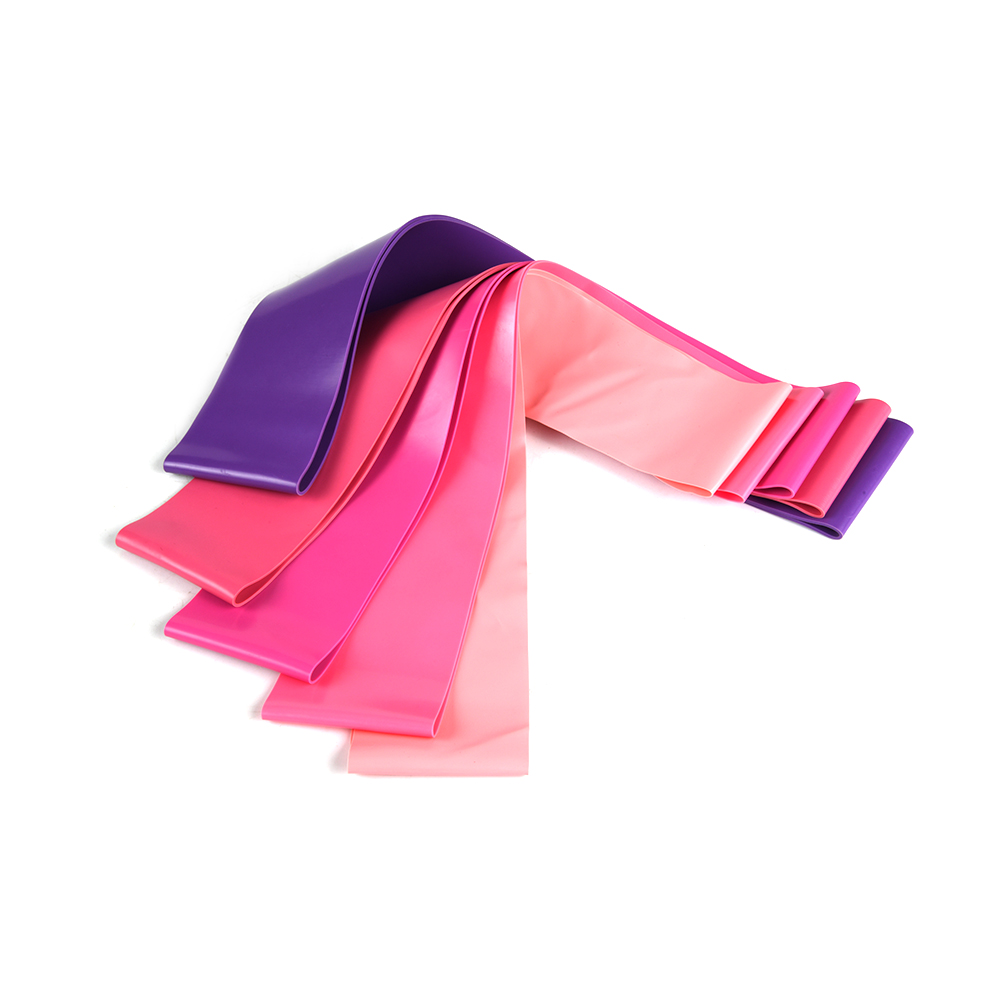
If you have been struggling to feel your glutes fire during squats, lunges, or hip thrusts, the problem may not be your effort — it may be the absence of the right resistance tool. The mini loop band is a compact, affordable, and highly effective piece of training equipment that fundamentally changes how your glutes are recruited during exercise. By adding lateral and rotational tension around the thighs or ankles, the mini loop band forces the gluteus maximus, gluteus medius, and gluteus minimus to engage far more deliberately than they would under bodyweight alone. This enhanced neuromuscular demand is exactly why trainers, physiotherapists, and athletes consistently rely on the mini loop band for glute-focused training.
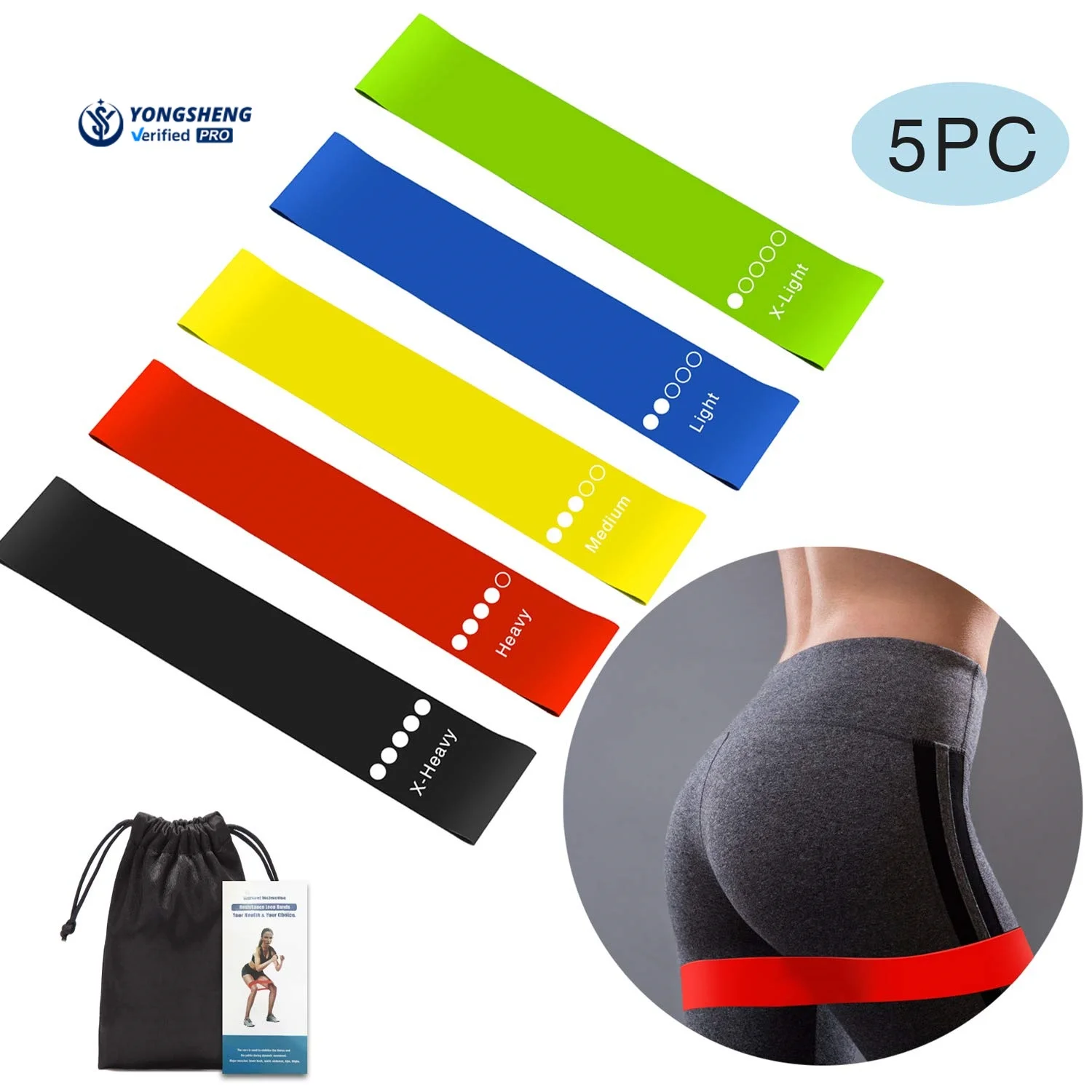
Understanding how the mini loop band improves glute engagement goes beyond simply placing it above the knees and hoping for results. The mechanism involves biomechanical tension, motor pattern reinforcement, and progressive resistance that together build a stronger, more responsive posterior chain. Whether you train at home or in a gym, incorporating the mini loop band into your lower-body routine can produce measurable improvements in glute activation, hip stability, and overall movement quality. This article breaks down exactly how that process works and which training strategies maximize the benefit of the mini loop band for glute development.
The Biomechanical Role of Resistance in Glute Activation
How External Resistance Changes Muscle Recruitment
The glutes are among the most commonly underactivated muscle groups, particularly in people who spend long hours sitting. Without a deliberate stimulus, the glutes often defer to the quadriceps and hip flexors during common lower-body movements. The mini loop band introduces a consistent outward resistance that the hips must actively counteract. This means the gluteus medius and external rotators cannot remain passive — they must work to prevent the knees from caving inward against the band tension. That constant demand across every repetition is what separates mini loop band training from standard bodyweight exercise.
Tension Placement and Its Effect on Muscle Fiber Engagement
Where you place the mini loop band significantly affects which portion of the glutes you engage most. Positioning the mini loop band just above the knees places moderate tension across the hip abductors and external rotators, making it ideal for squats and hip hinge movements. Moving the mini loop band down to just above the ankles increases the lever arm, intensifying the demand on the gluteus medius and outer hip during lateral band walks and side-lying abductions. Understanding placement allows you to use the mini loop band strategically rather than randomly, ensuring every session targets the specific glute region you intend to strengthen.
Key Exercises That Maximize Glute Engagement with a Mini Loop Band
Compound Movements Enhanced by the Mini Loop Band
Squats and deadlifts are already effective compound movements, but the mini loop band elevates their glute-targeting potential significantly. During a banded squat, placing the mini loop band above the knees cues your hips to drive outward at the bottom position, directly engaging the gluteus maximus and medius through a greater range of motion. Hip thrusts performed with the mini loop band positioned across the thighs are particularly powerful for posterior chain development, as the band forces the hips to stay actively abducted at the top of the movement where glute contraction is greatest. These compound movements, combined with the constant tension of the mini loop band, create a training stimulus that bodyweight versions simply cannot replicate.
Isolation Movements That Build Glute Endurance and Stability
Beyond compound lifts, isolated exercises with the mini loop band are essential for building glute endurance and correcting muscular imbalances. The lateral band walk, clamshell, and donkey kick are classic mini loop band exercises that isolate the gluteus medius in ways that compound movements often miss. The clamshell exercise with a mini loop band placed above the knees is especially effective for hip external rotation and pelvic stability, which are foundational for injury prevention in runners and athletes. Performing these isolation movements before heavier compound work functions as a glute activation warm-up, priming the neuromuscular connection so the glutes are already engaged and ready when intensity increases. Consistent use of the mini loop band in isolation drills builds the mind-muscle connection that carries over into every other lower-body exercise.
Progressive Overload and Training Strategy with a Mini Loop Band
Using Band Resistance Levels to Drive Continued Progress
One of the most practical advantages of the mini loop band is its availability in multiple resistance levels, ranging from light to extra-heavy. Progressive overload — the principle of gradually increasing training demand over time — is just as applicable to mini loop band training as it is to barbell lifting. Beginners should start with a lighter mini loop band to learn correct movement patterns and develop initial glute activation before advancing to heavier resistance. As the gluteus medius and maximus grow stronger and more coordinated, moving to a higher-resistance mini loop band sustains the stimulus needed for continued muscle development. Without progression, the mini loop band becomes too easy, and the glutes stop being meaningfully challenged.
Structuring a Mini Loop Band Routine for Consistent Glute Gains
Consistency and structure are what transform the mini loop band from an occasional accessory into a genuine glute-building tool. A well-designed mini loop band routine should include activation work at the start of each session, compound movements in the middle phase, and isolation finishers at the end. Training the glutes with the mini loop band two to four times per week, with adequate recovery between sessions, allows progressive adaptation without overtraining. Pairing the mini loop band with a resistance band set that includes varied tension levels gives you the flexibility to adjust difficulty across exercise types within the same session. Over time, this structured approach produces visible improvements in glute shape, hip stability, and functional movement quality.
FAQ
Where should I place the mini loop band for the best glute activation?
For most glute exercises, place the mini loop band just above the knees to target the gluteus maximus and medius during squats, hip thrusts, and bridges. For lateral movements and isolation drills, positioning the mini loop band above the ankles increases leverage and challenges the outer glute more intensely. Experiment with both placements to determine which position best activates your glutes during each specific exercise.
Can beginners use a mini loop band effectively for glute training?
Yes, the mini loop band is highly suitable for beginners because it provides adjustable resistance through different band tension levels and requires no gym equipment. Starting with a light-resistance mini loop band allows new trainees to learn proper hip hinge mechanics, squat depth, and lateral movement patterns while building the glute activation habits needed for long-term progress. As strength and coordination improve, transitioning to a medium or heavy mini loop band sustains the training challenge effectively.
How many times per week should I train with a mini loop band for glute results?
Training with the mini loop band two to four times per week is generally sufficient for meaningful glute development in most individuals. Each session should include both activation-focused warm-up sets and higher-intensity compound or isolation exercises using the mini loop band. Allowing at least one rest day between intense mini loop band glute sessions gives the muscle tissue time to recover and adapt, which is when actual strength and hypertrophy gains occur.