 EN
EN


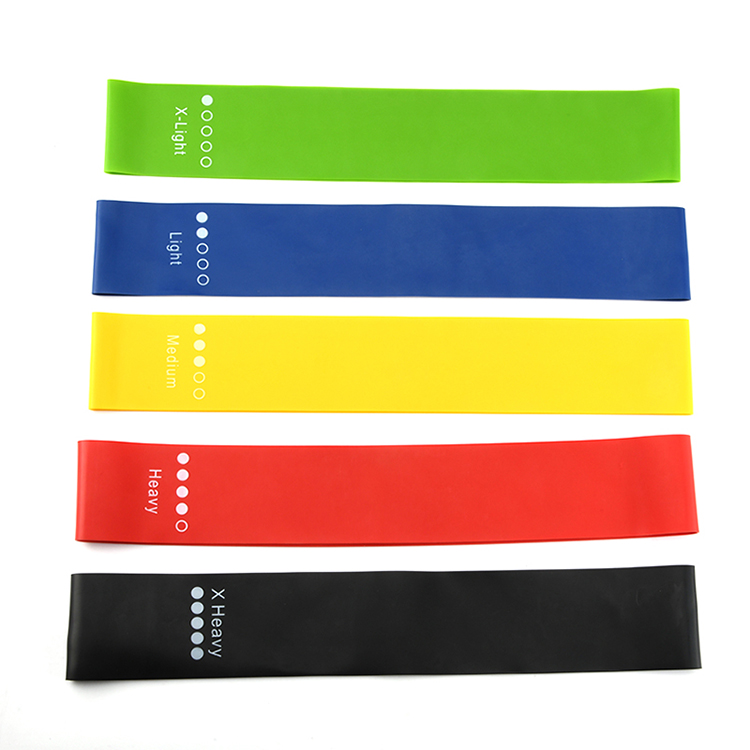
When fitness instructors evaluate equipment for group sessions, portability, cost-effectiveness, and versatility tend to top the list. The mini loop band checks every one of those boxes. Compact enough to fit in a gym bag, affordable enough to equip an entire class, and versatile enough to cover warm-up, strength, and mobility work, the mini loop band has become a staple tool in many group fitness environments worldwide.
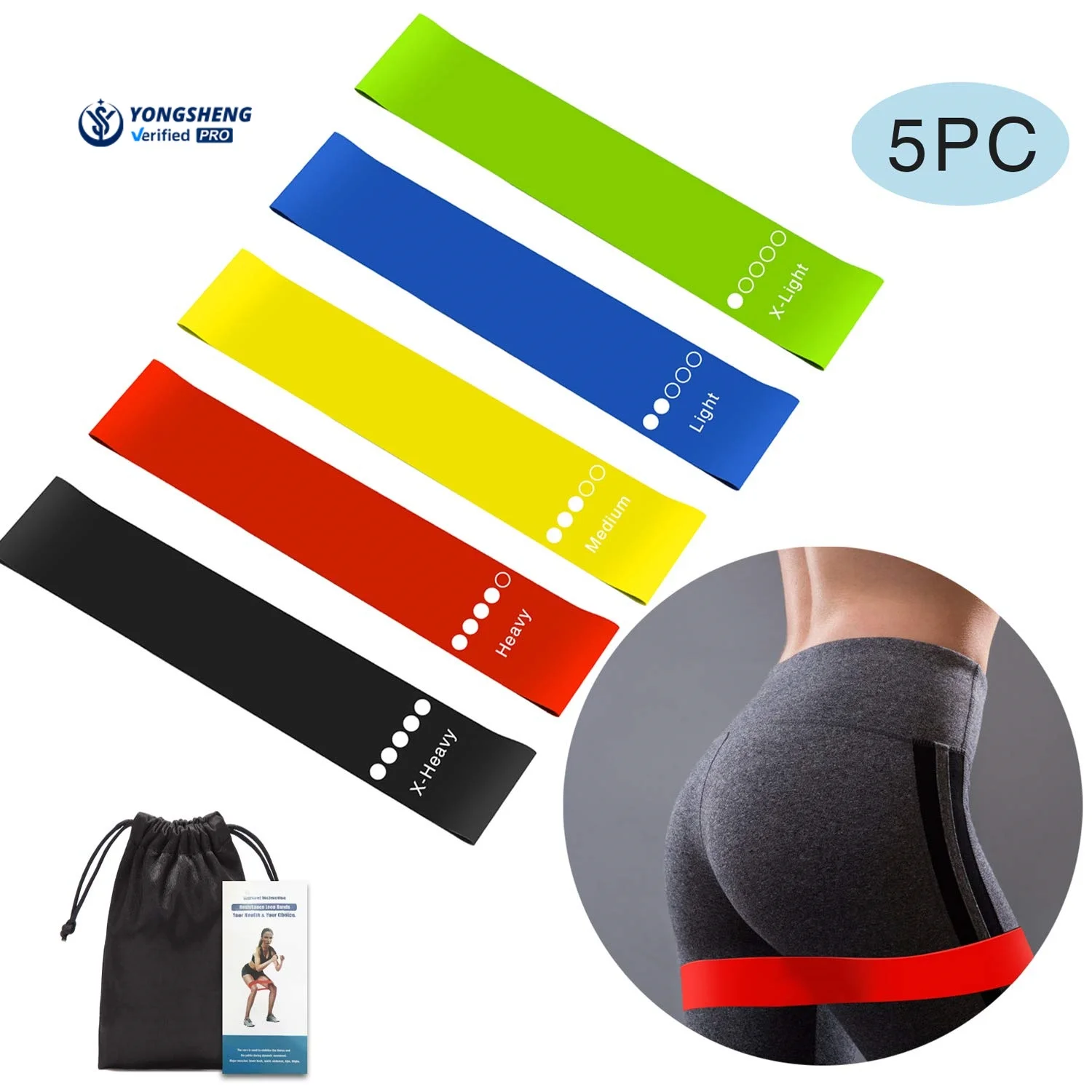
The short answer is yes — the mini loop band is genuinely well-suited for group fitness sessions. However, getting the most out of it requires understanding how a mini loop band performs across different class formats, how resistance levels affect group dynamics, and what instructors should consider when selecting and managing mini loop band sets for shared use. This article explores all of those dimensions in practical detail.
Why the Mini Loop Band Suits Group Training Formats
Portability and Space Efficiency
One of the biggest challenges in group fitness is working within tight floor space. A mini loop band takes up almost no room, allowing participants to perform exercises at their own stations without interfering with others. Unlike barbells, dumbbells, or cable machines, each mini loop band can be handed out quickly at the start of class and collected just as fast. This logistical simplicity makes the mini loop band especially attractive for studios that run back-to-back sessions.
From a storage standpoint, a full set of mini loop bands for thirty participants takes up less space than a single barbell rack. Fitness operators who manage high-traffic group programs appreciate how a mini loop band reduces overhead without compromising training quality. The lightweight nature of a mini loop band also means it can be used outdoors, in hotel ballrooms, or at corporate wellness events without any setup complexity.
Scalability Across Fitness Levels
Group fitness classes typically include participants at varying fitness levels, which creates a challenge for instructors trying to prescribe a single resistance standard. The mini loop band solves this by offering multiple resistance levels in a single set. A beginner can use a light mini loop band while an advanced participant uses a heavier one during the same exercise, keeping the class unified in movement while allowing individual intensity adjustments. This makes the mini loop band one of the most inclusive tools available for group settings.
Practical Applications of a Mini Loop Band in Class
Warm-Up and Activation Routines
The mini loop band is especially effective for warm-up and muscle activation sequences. Glute bridges, clamshells, lateral band walks, and hip circles performed with a mini loop band prime the stabilizer muscles before heavier compound movements. In a group class context, these mini loop band exercises can be performed simultaneously by all participants without equipment conflicts. The movements are low-skill and easy to cue verbally, which suits the fast pace of a group warm-up block.
Instructors who incorporate a mini loop band into their warm-up structure often report better movement quality during the main workout. Because a mini loop band activates the hips and glutes effectively, participants tend to demonstrate improved squat mechanics, lunge alignment, and lateral movement stability throughout the rest of the session.
Strength and Conditioning Segments
Beyond warm-up use, the mini loop band adds meaningful resistance to bodyweight strength exercises. Squats, glute bridges, deadlifts, and lateral raises all become more demanding when performed with a mini loop band placed around the thighs, ankles, or wrists. In a group fitness format, these progressions allow a mini loop band circuit to function as a complete lower-body or full-body conditioning block. Timed rounds using a mini loop band are straightforward to manage and easy for participants of all levels to follow.
The mini loop band is also well-suited for Pilates-style classes, barre formats, and HIIT circuits. Any format that relies on repetition volume and muscle endurance benefits from the consistent tension a mini loop band delivers. Because a mini loop band maintains resistance through the entire range of motion, it produces a training stimulus that many participants find more challenging than they expect.
Key Considerations for Group Use
Hygiene and Durability Management
When a mini loop band is shared among multiple participants across multiple sessions, hygiene and durability become important practical concerns. Latex mini loop band products should be wiped down with a mild disinfectant after each class. Instructors and facility managers should inspect each mini loop band periodically for signs of cracking, thinning, or reduced elasticity. Replacing worn mini loop band units promptly maintains both performance consistency and participant safety.
Facilities that run five or more group sessions per day may want to purchase mini loop band sets in multiples to rotate units and extend overall lifespan. Labeling each mini loop band by resistance level using color-coded systems simplifies distribution at the start of class and reduces confusion when participants are selecting their appropriate level.
Instructor Guidance and Exercise Cueing
The effectiveness of a mini loop band in a group session depends heavily on how well the instructor cues proper placement and tension. A mini loop band placed too loosely produces insufficient resistance. One placed too tightly may restrict circulation or reduce range of motion. Clear verbal guidance on mini loop band positioning — typically just above the knees for lower-body work — ensures participants get the intended training effect. Instructors new to programming with a mini loop band should rehearse their cueing before leading a full class.
FAQ
How many resistance levels should a group class mini loop band set include?
A five-level mini loop band set works well for most group fitness classes. It covers light, medium, and heavy resistance options, allowing the instructor to match mini loop band intensity to beginner, intermediate, and advanced participants simultaneously within the same session.
Is a latex mini loop band or a fabric mini loop band better for group sessions?
Both have merits. A latex mini loop band is typically more affordable, easier to wipe clean, and better suited to high-volume class use. A fabric mini loop band tends to stay in place better on bare skin and may feel more comfortable for extended wear. For most group fitness applications, a latex mini loop band provides an excellent balance of performance and cost.
How often should a facility replace its mini loop band inventory?
Under regular group fitness use, a quality mini loop band typically lasts six to twelve months before showing signs of wear. Facilities with high session volume should inspect each mini loop band monthly and replace any unit that shows cracking, uneven stretch, or permanent deformation. Keeping spare mini loop band stock on hand ensures uninterrupted class delivery.