 EN
EN



Flexibility is one of the most undervalued components of physical fitness, yet it plays a central role in injury prevention, posture, and athletic performance. The mini loop band has emerged as one of the most practical tools for supporting flexibility development, whether you are training at home, in a gym, or on the move. Its compact design, progressive resistance levels, and versatility make the mini loop band a preferred choice among physical therapists, personal trainers, and everyday fitness enthusiasts alike.
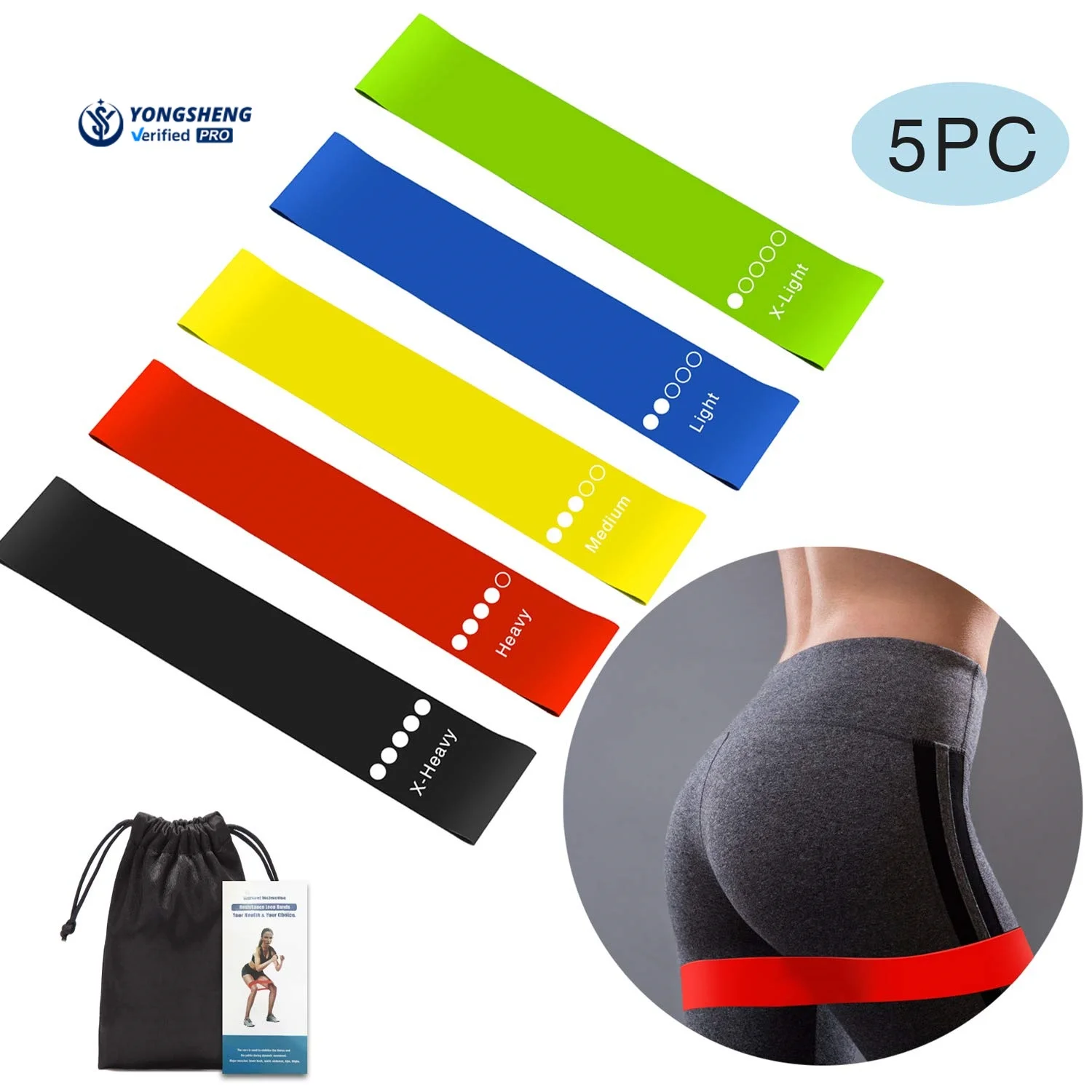
Unlike rigid stretching aids or bulky gym equipment, the mini loop band applies gentle, consistent tension that encourages muscles and connective tissues to lengthen progressively. When used correctly, the mini loop band can assist passive and active stretching routines, activate underused muscle groups, and help the body achieve a greater range of motion over time. This article explores exactly how mini loop band workouts support flexibility development and why this small tool delivers such significant results.
The Mechanics Behind Mini Loop Band Flexibility Training
How Resistance Assists Muscle Lengthening
The key to understanding how a mini loop band supports flexibility lies in the concept of assisted stretching. When you place a mini loop band around your ankles, thighs, or feet during a stretch, the band creates a low-level pulling force that guides the limb further into the stretch position than gravity or body weight alone would allow. This technique, often called proprioceptive neuromuscular facilitation or PNF stretching, is widely used in rehabilitation and sports training. The mini loop band makes this approach accessible without requiring a training partner.
The elastic tension from the mini loop band also activates the antagonist muscles, meaning the muscles opposite to those being stretched. This dual activation encourages a deeper release in the target muscle group, which over time leads to measurable flexibility gains. Because the mini loop band comes in multiple resistance levels, you can progressively increase tension as your flexibility improves, ensuring continued development rather than a plateau.
Connective Tissue Adaptation Over Time
Flexibility is not only about muscle length. Tendons, ligaments, and fascia all contribute to your overall range of motion, and the mini loop band addresses these connective tissues through controlled, sustained tension. Regular mini loop band sessions encourage gradual adaptation in these tissues, making them more pliable and resilient. This is especially valuable for individuals recovering from injury, those who sit for extended periods, or athletes who need to maintain joint mobility under load.
Key Mini Loop Band Exercises That Develop Flexibility
Lower Body Stretching Routines
The lower body benefits enormously from mini loop band flexibility work. Placing the mini loop band around the arch of your foot while lying on your back allows you to perform a controlled hamstring stretch with added resistance. The band holds the leg in position while you relax into the stretch, allowing the hamstring to release more fully than a static stretch alone. Similarly, placing the mini loop band just above the knees during a hip flexor stretch activates the glutes, which encourages the hip flexors to lengthen more efficiently.
For the calves and ankles, the mini loop band can be looped around a stable anchor or your own foot to apply gentle dorsiflexion resistance. Consistent practice with the mini loop band in these positions improves ankle mobility, which directly supports squatting mechanics, running stride, and overall lower body flexibility. These exercises require no additional equipment and can be performed in a small space, making the mini loop band ideal for home flexibility routines.
Upper Body and Hip Mobility Work
The mini loop band is equally effective for upper body and hip flexibility. Shoulder mobility stretches become more targeted when you use the mini loop band to create gentle traction across the shoulder joint. By anchoring the mini loop band to a doorframe and stepping away to create tension, you can guide the shoulder through a wider arc of motion than passive stretching allows. This is particularly useful for desk workers and overhead athletes who frequently experience shoulder tightness.
Hip mobility is another area where the mini loop band consistently delivers results. Lateral band walks and clamshell exercises performed with the mini loop band engage the hip abductors and external rotators, which are muscles that directly influence how freely the hip joint moves. When these muscles are strong and flexible, the entire lower body chain benefits. Including the mini loop band in daily hip mobility routines accelerates progress that would take much longer with static stretching alone.
Building a Consistent Flexibility Routine with a Mini Loop Band
Structuring Sessions for Progressive Flexibility Gains
Consistency is what transforms flexibility training from occasional stretching into genuine physical development. A well-structured mini loop band flexibility routine should include a brief warm-up, a series of dynamic stretches using the mini loop band, followed by deeper static holds. Starting each session with dynamic movements primes the nervous system and increases blood flow to the muscles, making the tissues more receptive to the resistance the mini loop band provides.
Each mini loop band flexibility session should target at least three major muscle groups, with holds lasting between 20 and 45 seconds per position. Over several weeks, gradually increase the resistance level of your mini loop band to continue challenging the tissues. Tracking your progress, such as noting how far you can stretch with a given mini loop band tension, helps maintain motivation and provides a clear measure of improvement. Training four to five times per week with the mini loop band tends to produce the most consistent flexibility results.
Recovery and Injury Prevention Benefits
Beyond active training, the mini loop band plays a valuable role in recovery sessions. Using the mini loop band at low resistance for gentle mobilization after intense workouts reduces muscle soreness and helps restore range of motion more quickly. Physical therapists frequently recommend the mini loop band for post-surgical rehabilitation because its adjustable tension allows patients to work within a safe, controlled range. Whether your goal is athletic performance, post-injury recovery, or simply moving more freely in daily life, incorporating the mini loop band into your routine supports long-term flexibility health.
FAQ
How often should I use a mini loop band for flexibility training?
For best results, using a mini loop band four to five times per week is recommended. Flexibility adapts gradually, so consistent use of the mini loop band over several weeks is more effective than occasional intense sessions. Even short 10 to 15 minute routines with the mini loop band can produce noticeable improvements when practiced regularly.
Which resistance level of mini loop band is best for flexibility work?
Beginners should start with a light resistance mini loop band to avoid overstretching or injury. As your flexibility improves, you can progress to a medium resistance mini loop band to continue challenging your muscles and connective tissues. Most fitness sets include multiple resistance levels, allowing you to select the most appropriate mini loop band for each specific exercise.
Can a mini loop band help with post-workout muscle recovery?
Yes, the mini loop band is highly effective for recovery. Using a low-resistance mini loop band for gentle assisted stretching after exercise helps reduce muscle tension, ease soreness, and restore normal range of motion. Many trainers incorporate the mini loop band into cool-down routines specifically because it provides just enough tension to mobilize stiff muscles without causing additional strain.