 EN
EN


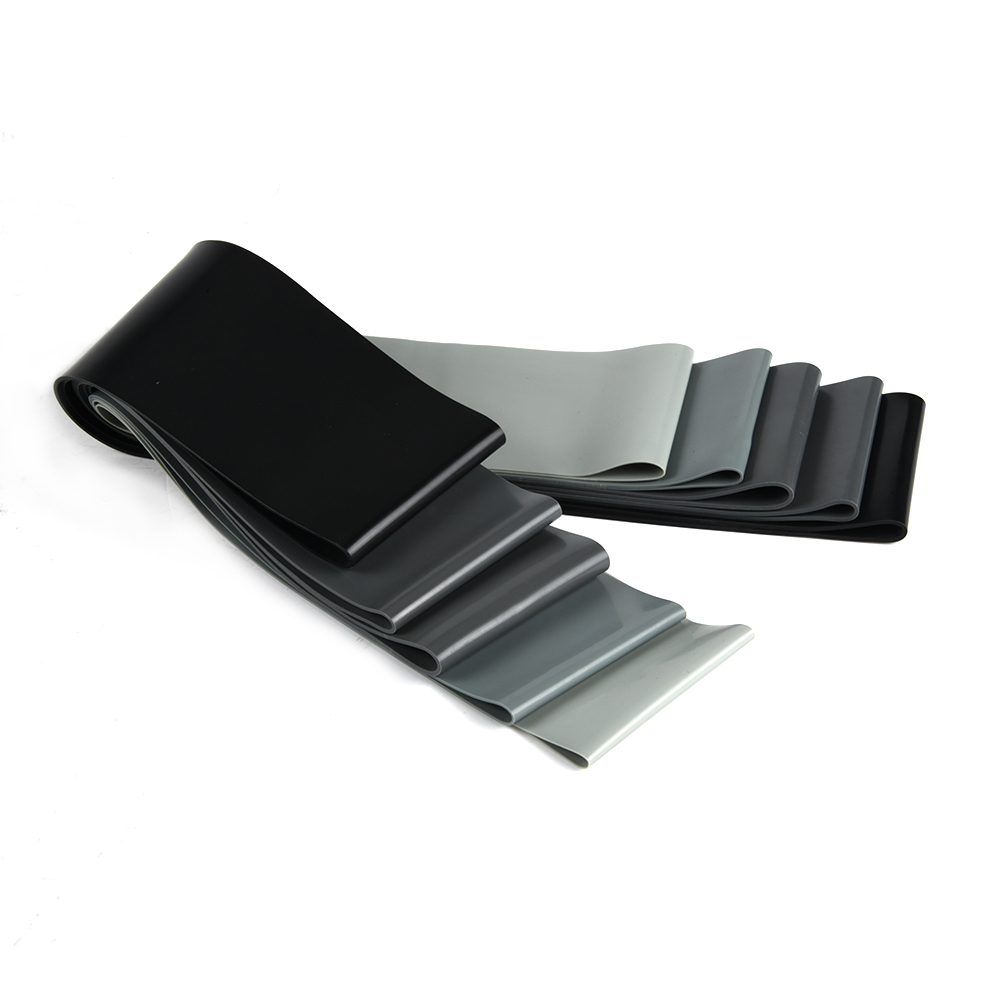
The mini loop band has moved from a niche rehabilitation tool to one of the most talked-about fitness products on the global market. Fitness buyers, gym owners, and personal trainers are all adding the mini loop band to their recommended equipment lists at a remarkable pace. Understanding why this small piece of latex resistance gear has become so dominant requires looking at the real forces shaping modern fitness habits and purchasing behavior.
Global fitness trends rarely emerge by accident. The rise of the mini loop band is driven by several converging factors including the home workout revolution, increased demand for affordable fitness tools, and growing awareness of functional resistance training. Each of these factors has amplified the relevance of the mini loop band in ways that show no sign of reversing. This article examines the key reasons behind this trend and what it means for buyers and businesses operating in the fitness market today.
The Home Workout Shift and the Mini Loop Band
Portable Training Meets Growing Demand
One of the clearest drivers behind the mini loop band trend is the explosive growth of home-based exercise. As millions of consumers worldwide shifted away from commercial gym memberships, the demand for compact, effective home training equipment surged. The mini loop band answered that call perfectly. It is lightweight, requires no storage space, and can be used in any room without modifications. For consumers building home gyms on limited budgets, the mini loop band offers serious resistance training capability at a fraction of the cost of machines or free weights.
Retailers and e-commerce platforms have responded by stocking the mini loop band in large volumes. Search interest for the mini loop band consistently ranks among the top fitness equipment queries globally. This sustained demand reflects a structural change in how people train rather than a temporary spike, giving the mini loop band a reliable and expanding consumer base.
Multi-Resistance Sets Drive Higher Sales Volume
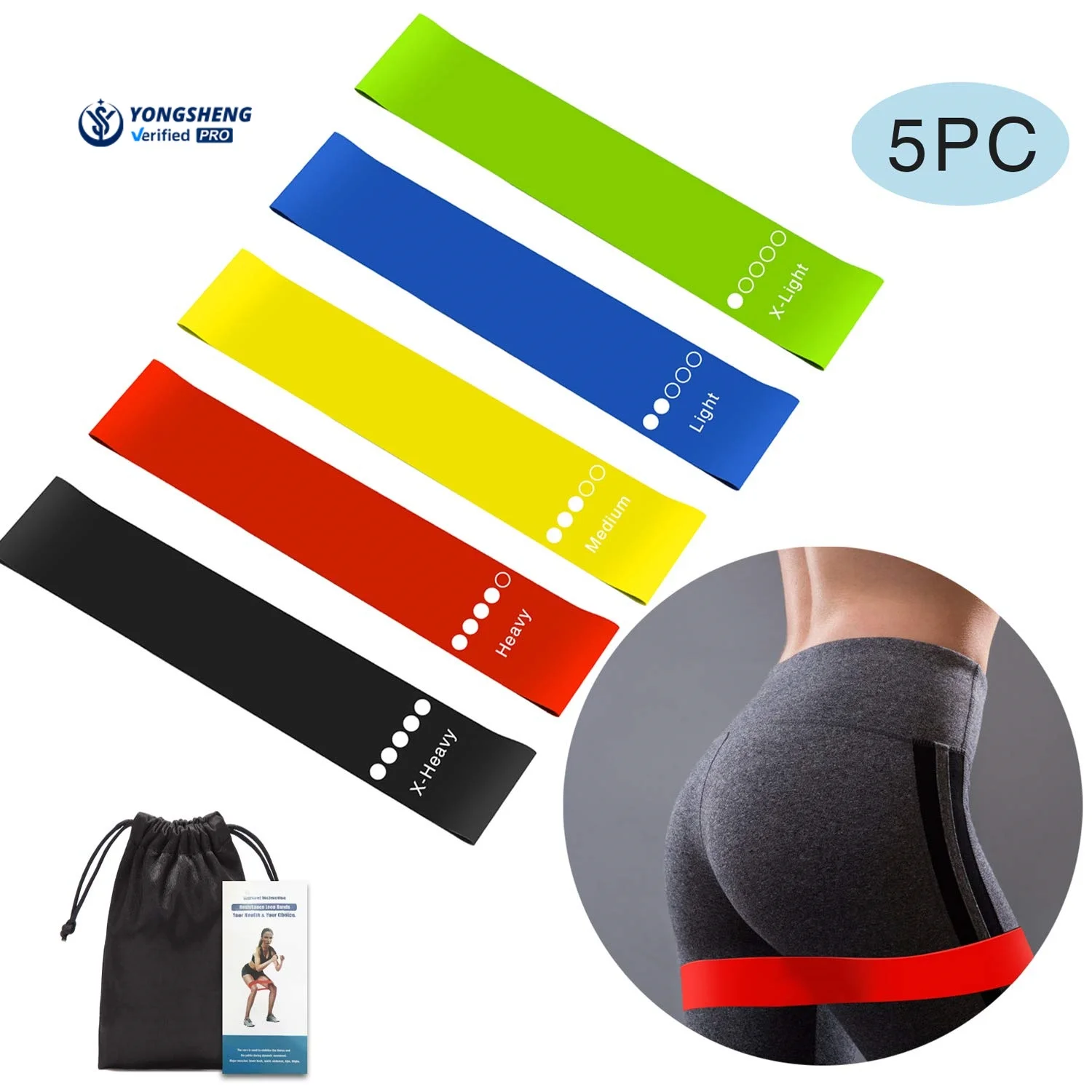
Another reason the mini loop band performs so well commercially is the popularity of multi-piece resistance sets. A set of five mini loop band units with varying tension levels appeals to a wide range of fitness goals, from beginner mobility work to advanced glute activation and strength training. This bundled format increases the perceived value of each purchase and encourages repeat buying as users progress to higher resistance levels. The mini loop band set has become a standard recommendation from online fitness coaches, which further accelerates adoption across social media platforms.
Functional Fitness Trends Favor the Mini Loop Band
Targeted Muscle Activation and Athletic Training
The global fitness community has shifted heavily toward functional training methodologies that emphasize movement quality and targeted muscle engagement. The mini loop band is ideally suited to this approach. It is commonly used for hip abduction exercises, glute bridges, lateral band walks, and warm-up activation sequences. Athletes, physical therapists, and everyday gym users all recognize the mini loop band as a highly effective tool for building stability in the hips, knees, and core. This functional versatility makes the mini loop band relevant across multiple fitness disciplines at once.
Sports performance professionals have integrated the mini loop band into warm-up protocols for team athletes, which has increased professional visibility and credibility for the product. When the mini loop band appears in the training routines of performance coaches and competitive athletes, consumer trust in the product grows substantially. This professional endorsement cycle has been a significant factor in global market expansion for the mini loop band.
Physical Therapy and Rehabilitation Markets
The mini loop band has also grown strongly in the rehabilitation and physical therapy segment. Clinicians use the mini loop band to support knee recovery, hip strengthening, and post-surgical mobility exercises. Because the mini loop band provides controlled, graduated resistance, it is safer and more practical for early-stage rehabilitation than heavier equipment. As healthcare systems worldwide place greater emphasis on active recovery and outpatient exercise programs, the mini loop band has become a staple recommendation from physiotherapists and occupational therapists alike. This institutional adoption has given the mini loop band significant credibility beyond the general fitness consumer market.
B2B and Retail Market Dynamics Behind the Trend
Private Label and Customization Opportunities
From a B2B perspective, the mini loop band is one of the most accessible fitness products to source, customize, and resell. Manufacturers offer the mini loop band in a wide range of latex thicknesses, resistance levels, colors, and packaging formats. Brands can order the mini loop band with custom logos, color-coded resistance labels, and branded retail packaging at manageable minimum order quantities. This flexibility has made the mini loop band a popular product for private label brands entering the fitness equipment space. Gym chains, online fitness coaches, and corporate wellness programs have all launched their own branded mini loop band collections.
The relatively low unit cost of the mini loop band compared to its strong retail margin makes it an attractive SKU for distributors and retailers. A well-packaged mini loop band set consistently achieves strong conversion rates on e-commerce platforms, making it a commercially low-risk, high-return product for fitness brands of all sizes. Businesses looking to expand their product range with minimal capital exposure frequently choose the mini loop band as an entry point.
Sustainability and Material Innovation
Modern consumers increasingly evaluate fitness products based on environmental impact and material quality. The mini loop band made from natural latex has gained preference among eco-conscious buyers compared to synthetic rubber alternatives. Suppliers who can certify the latex source and offer recyclable packaging for the mini loop band are gaining a competitive edge in premium retail channels. This sustainability angle adds another dimension to why the mini loop band continues to attract attention from both consumer and trade buyers looking for products that align with broader ethical purchasing values.
FAQ
What resistance levels should a mini loop band set include?
A well-designed mini loop band set typically includes five resistance levels ranging from extra-light to extra-heavy. This range ensures the mini loop band set is suitable for beginners starting with mobility work all the way up to advanced users performing strength-focused exercises. Color coding each mini loop band by resistance level helps users select the right band quickly during training sessions.
How does a mini loop band differ from a standard resistance band?
A mini loop band is shorter and forms a continuous closed loop, which makes it particularly effective for lower-body exercises like glute bridges, clamshells, and lateral walks. A standard resistance band is longer and typically used for upper-body pulling and pressing movements. The mini loop band is designed specifically for targeted activation work around the hips, thighs, and knees, giving it a distinct functional role in any training program.
Is the mini loop band suitable for commercial gym use?
Yes, the mini loop band is well-suited for commercial gym environments. Many gyms stock the mini loop band in group fitness studios and rehabilitation zones because of its durability, low maintenance requirements, and broad usability across different member fitness levels. Gyms that order the mini loop band in bulk can also customize the product with their brand identity, reinforcing member experience and brand visibility at the same time.