 EN
EN


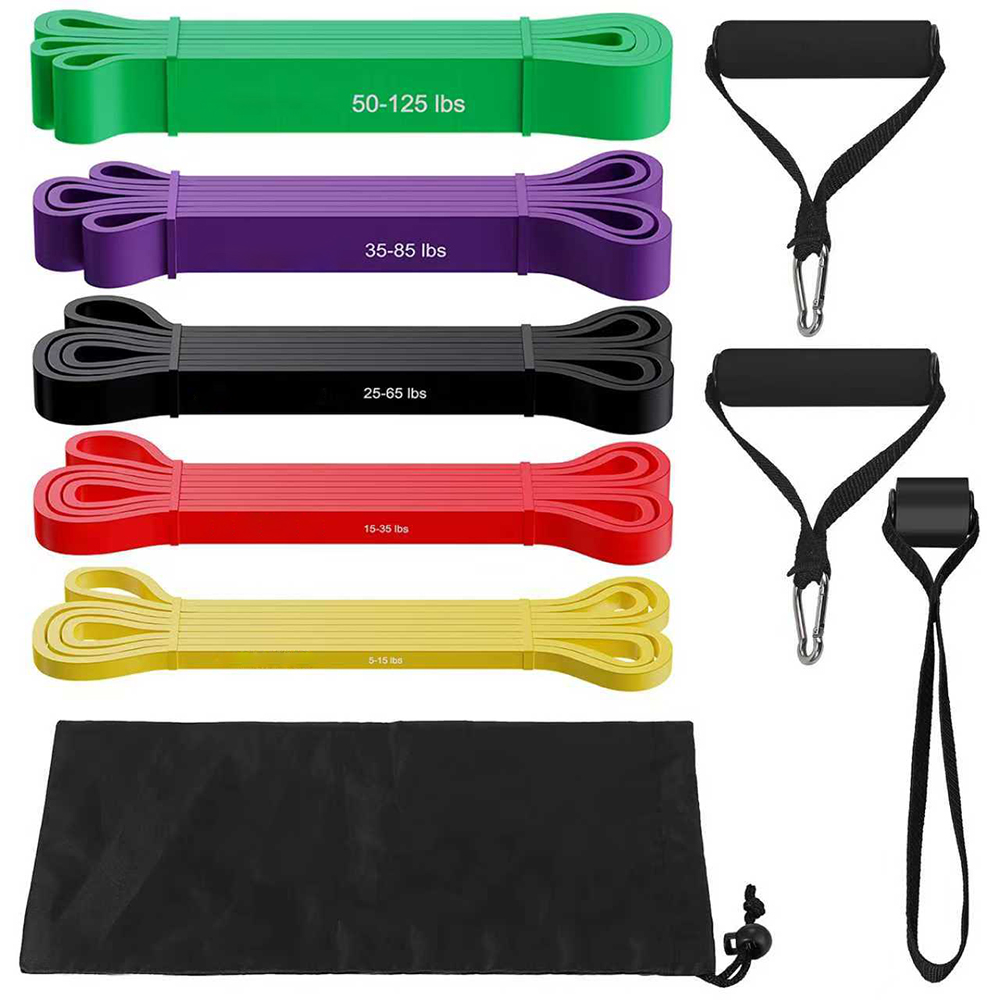
A pull up assist band is one of the most effective training tools available for anyone working to improve their pull-up performance. Whether you are a beginner who cannot yet complete a single unassisted rep or an experienced athlete looking to increase volume and consistency, a pull up assist band changes the dynamic of your training. By providing elastic support through the hardest portion of the movement, it allows you to perform more quality reps, train with better mechanics, and build real pulling strength over time.
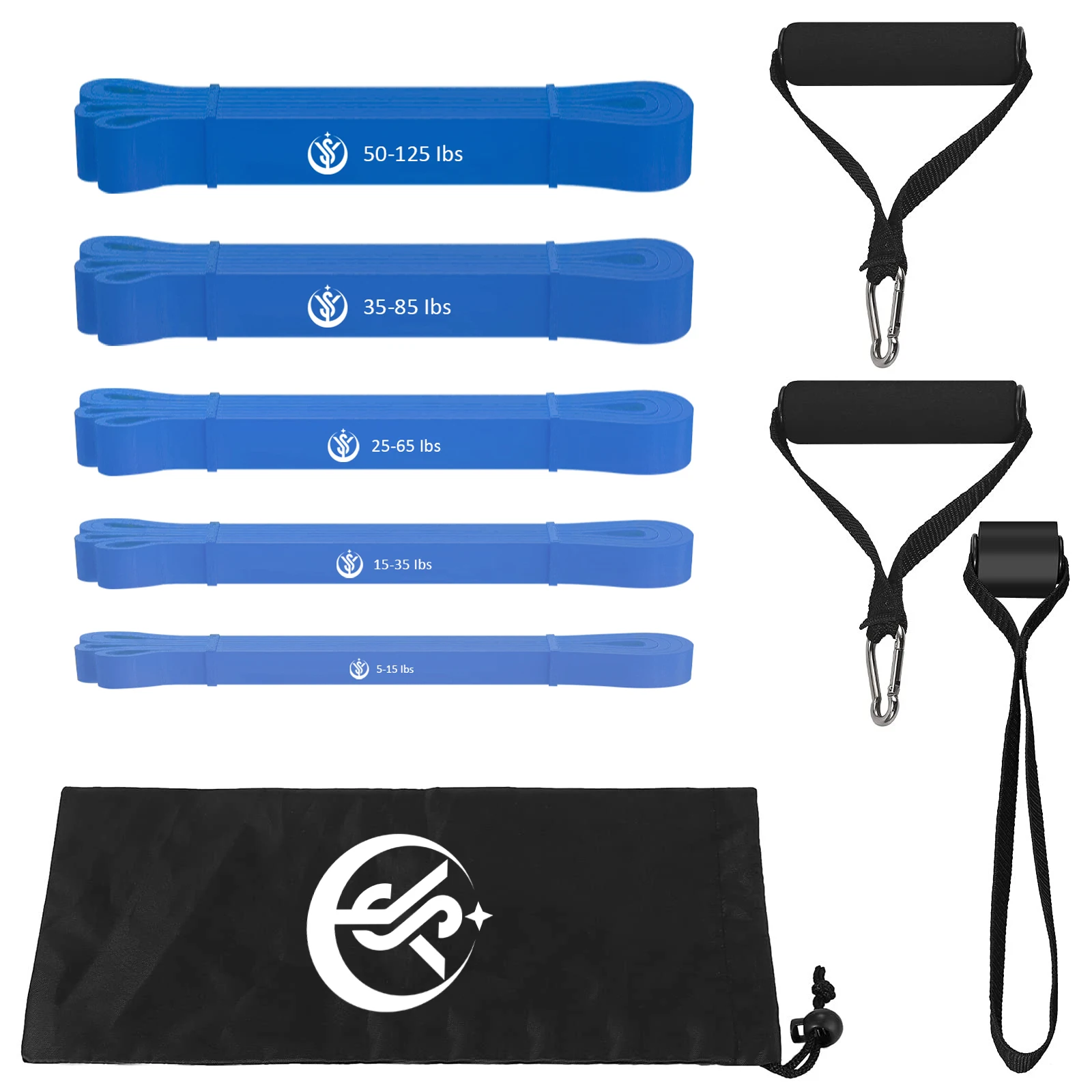
The logic behind pull up assist band training is straightforward. The band stores elastic energy as it stretches and releases that energy at the bottom of the pull, where most people struggle the most. This means you get a boost exactly when you need it, making every rep more productive. Understanding how pull up assist band workouts are structured, why they enhance performance, and how to progress with them is key to getting lasting results from this training approach.
How a Pull Up Assist Band Enhances Pulling Mechanics
Supporting Correct Movement Patterns
One of the primary ways a pull up assist band improves performance is by allowing you to practice correct pulling mechanics without compensating for lack of strength. When you cannot complete a full rep, the body tends to swing, kip, or shrug the shoulders to generate momentum. A pull up assist band removes that temptation by giving you enough support to maintain a controlled, vertical pulling path. This develops the neuromuscular patterns that transfer directly to unassisted pull-ups.
Proper engagement of the lats, rear deltoids, and biceps becomes much easier when a pull up assist band is in place. Trainees can focus on initiating the movement from the shoulder blades rather than the arms, which is the correct technique for a strong pull-up. Over time, this mechanical reinforcement becomes ingrained in your movement habits, making your unassisted reps smoother and more powerful.
Reducing Joint Stress While Maintaining Load
Using a pull up assist band also helps protect the shoulder and elbow joints during high-volume training. Because the band reduces the effective load at the most vulnerable part of the range of motion, the joints experience less strain while the muscles still receive meaningful stimulus. This is especially valuable during periods of high training frequency, where cumulative joint stress can become a limiting factor. A pull up assist band essentially allows more total training volume without a proportional increase in injury risk.
Progressive Overload Strategies with a Pull Up Assist Band
Choosing the Right Resistance Level
A pull up assist band comes in multiple resistance levels, typically ranging from light to extra-heavy. Choosing the right level depends on your current strength relative to your bodyweight. A heavier pull up assist band provides more assistance and is appropriate for beginners or those returning from injury. As your strength improves, moving to a lighter pull up assist band progressively increases the demand on your muscles, mimicking the logic of adding weight to any other exercise.
The goal is to select a pull up assist band that allows you to complete sets of six to ten reps with clean form while still feeling challenged. If reps feel too easy, drop to a lighter pull up assist band. If form breaks down consistently, move to a heavier one. This systematic adjustment is what turns pull up assist band training into a true progressive overload system rather than just a support tool.
Combining Assisted and Unassisted Sets
A highly effective method is to pair pull up assist band sets with unassisted attempts in the same session. Start with unassisted reps until form degrades, then switch to the pull up assist band to complete additional volume. This approach maximizes the neural drive from unassisted work while using the pull up assist band to extend productive training beyond the point of failure. Over weeks, the ratio of unassisted reps to assisted reps will shift in your favor, demonstrating measurable progress.
Another useful strategy is 'band dropout' training, where you begin a session with a heavier pull up assist band and progressively switch to lighter versions within the same workout. Each drop in pull up assist band resistance forces the muscles to adapt to increased demand, creating a powerful stimulus for strength gains. This technique is particularly popular among athletes who need to accumulate high pulling volume efficiently.
Workout Structures That Maximize Pull Up Assist Band Results
Volume-Based Training Sessions
Volume is a critical driver of pull-up strength improvement, and a pull up assist band makes it possible to accumulate that volume even at early training stages. A simple pull up assist band protocol involves performing five sets of eight to ten reps with a band that provides moderate assistance, resting ninety seconds between sets. This format builds both muscular endurance and raw pulling strength, which together accelerate progress toward unassisted performance.
Including pull up assist band work two to three times per week, with adequate recovery between sessions, gives the back and arm muscles enough stimulus to adapt without overtraining. Pairing this with rows, face pulls, and scapular exercises creates a well-rounded pulling program that develops all the muscles required for a strong, sustainable pull-up.
Skill Development Through Slow Negatives
Using a pull up assist band for slow negative training is another highly effective method. Here, you use the pull up assist band to assist the concentric phase, then remove tension or reduce it during the lowering phase, forcing the muscles to control the descent over three to five seconds. Eccentric strength is crucial for pull-up development, and a pull up assist band makes it easy to isolate and train this quality at manageable loads. Consistently training slow negatives with a pull up assist band builds the tendon and muscle resilience that supports long-term performance gains.
FAQ
How long does it take to see results from pull up assist band training?
Most trainees notice measurable improvement in pull-up strength and rep count within four to six weeks of consistent pull up assist band training. The key variables are training frequency, proper progressive overload, and recovery quality. Those who train two to three times per week and systematically reduce pull up assist band resistance over time tend to progress the fastest.
Can advanced athletes benefit from using a pull up assist band?
Yes, advanced athletes use a pull up assist band to increase total training volume, practice technique under fatigue, and recover from upper body injuries. A light pull up assist band can add dozens of additional quality reps per session, which contributes to hypertrophy and strength improvements even for experienced lifters. It is a versatile tool at every level, not just for beginners.
What is the safest way to set up a pull up assist band for training?
Loop the pull up assist band securely over the pull-up bar and ensure it is seated in the center of the bar without any twisting. Step or kneel into the band loop before gripping the bar, keeping your body positioned directly below the bar. Always inspect the pull up assist band for signs of wear, cracking, or fraying before each session to ensure it remains safe and effective during your workout.