 EN
EN


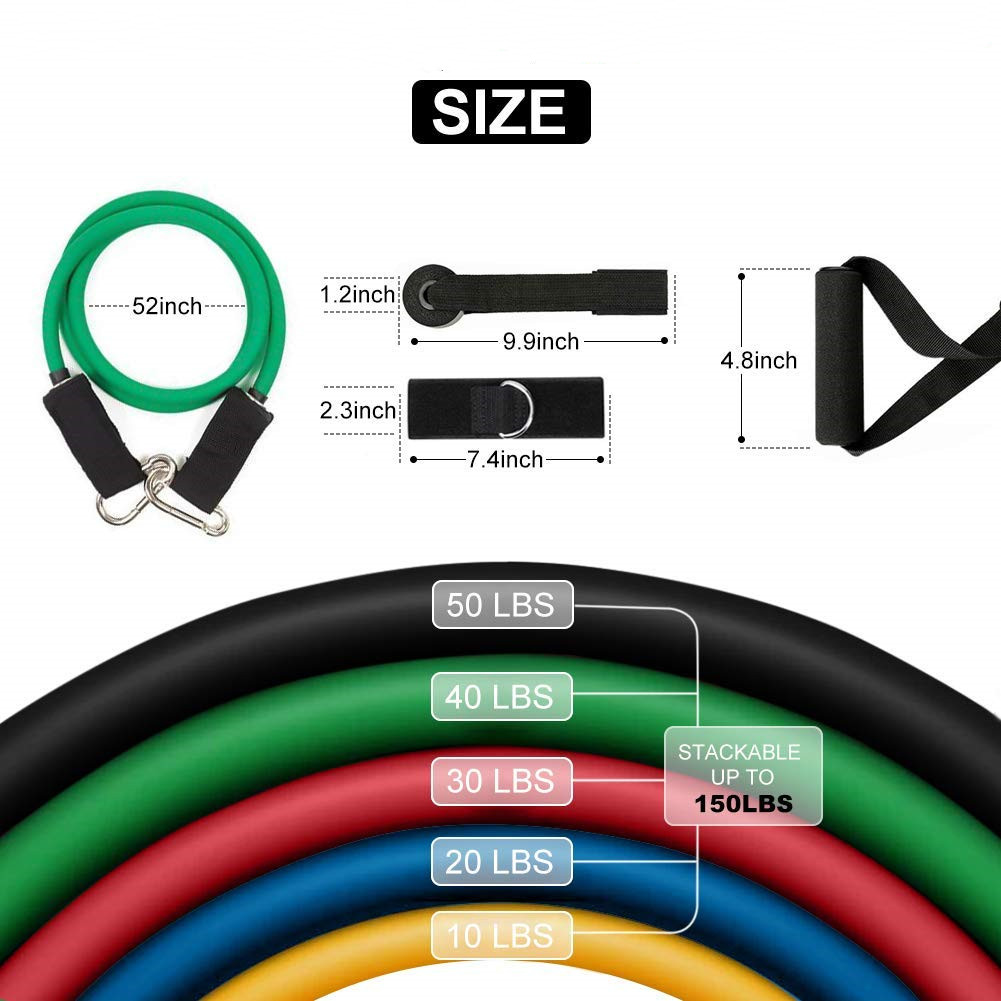
Long-term wellness is not built overnight, and the tools you choose for daily training matter enormously. A resistance tube is one of the most versatile and accessible fitness tools available, offering progressive resistance that adapts to your body as it grows stronger. Whether you are a beginner building foundational strength or an experienced athlete maintaining functional fitness, the resistance tube delivers consistent, joint-friendly stimulus that supports wellness at every stage of life. The growing adoption of resistance tube training across rehabilitation centers, home gyms, and professional training studios reflects how effectively this simple tool bridges the gap between convenience and genuine long-term health outcomes.
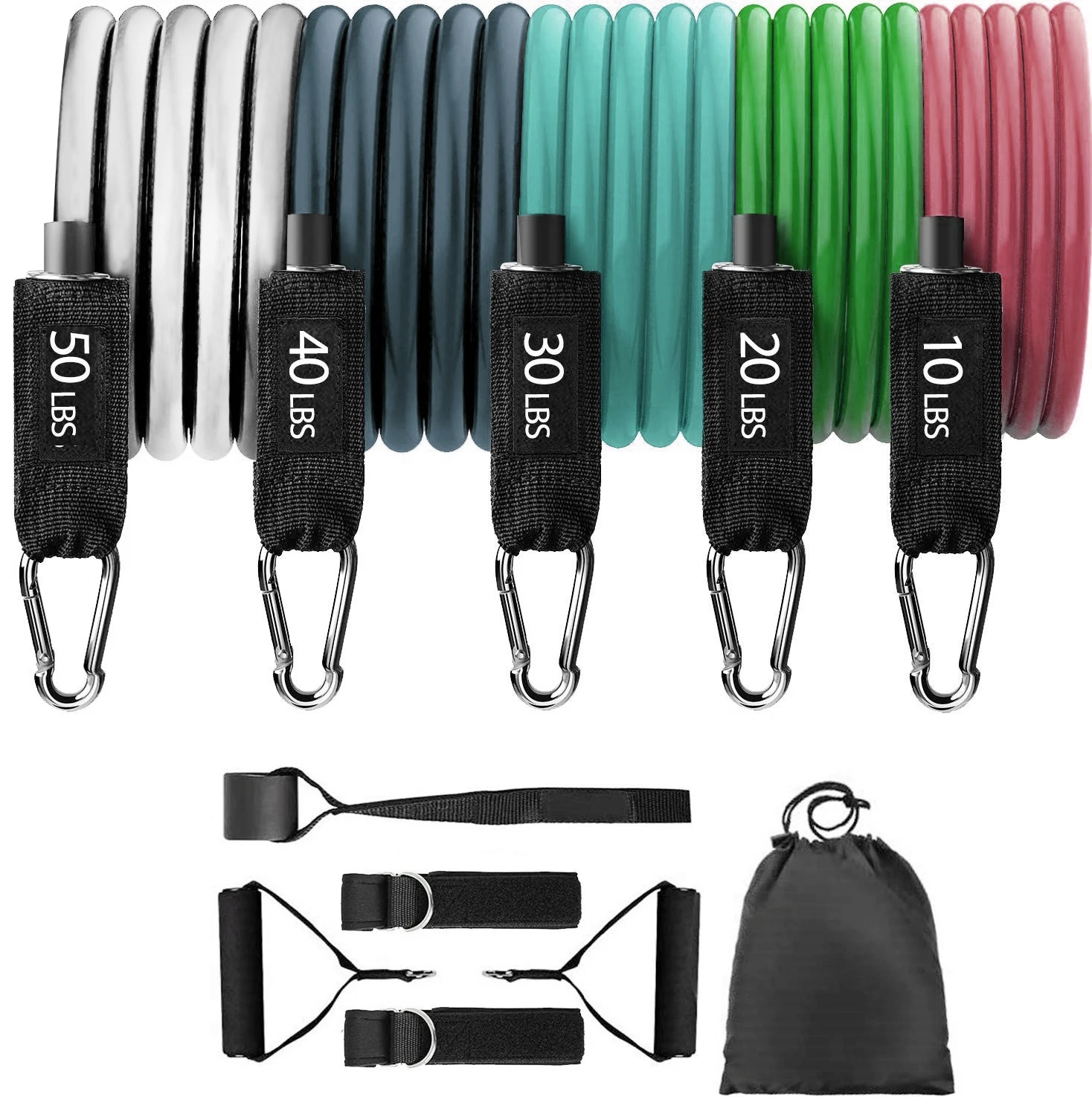
Understanding how resistance tube workouts contribute to long-term wellness requires looking beyond short-term gains. Unlike rigid equipment that imposes fixed movement paths, a resistance tube follows the natural arc of human motion, engaging stabilizing muscles and supporting neuromuscular development over time. This article explores the key mechanisms through which resistance tube training promotes sustained physical health, the practical habits that make it a lifelong wellness practice, and what to look for when building a resistance tube routine that lasts.
How Resistance Tube Training Builds a Foundation for Lifelong Strength
Progressive Overload Without Joint Stress
One of the most important principles of long-term fitness is progressive overload, which means gradually increasing the challenge placed on your muscles over time. A resistance tube makes this principle highly accessible because resistance levels can be increased simply by choosing a tube with greater tension, stacking multiple tubes together, or adjusting your positioning. This scalability means a resistance tube workout can evolve alongside your fitness level without requiring expensive equipment upgrades. Critically, the elastic nature of a resistance tube means that resistance increases as the tube stretches, reducing the peak load at vulnerable joint positions and lowering injury risk compared to free weights during certain movements.
Muscle Activation Across the Full Body
A single resistance tube enables compound and isolation exercises targeting the chest, back, shoulders, arms, core, and legs. Full-body resistance tube training encourages balanced muscular development, which is essential for long-term postural health and injury prevention. Because a resistance tube creates tension throughout the entire range of motion, muscles remain under load longer per repetition compared to some traditional modalities. This extended time under tension promotes muscle endurance and functional strength, both of which are critical contributors to wellness as you age. Consistent resistance tube use helps preserve lean muscle mass, which naturally declines with age and is closely linked to metabolic health, bone density, and physical independence.
The Role of Resistance Tube Workouts in Flexibility and Recovery
Dynamic Flexibility Through Controlled Movement
Flexibility is a cornerstone of long-term wellness that is often neglected in standard strength programs. Resistance tube training naturally integrates dynamic flexibility work because each exercise involves controlled eccentric and concentric muscle contractions through a full range of motion. Using a resistance tube for stretching routines, mobility drills, and assisted movements improves joint flexibility over time without the risk of overstretching associated with unsupported passive stretching. Athletes and older adults alike benefit from the gentle, progressive tension a resistance tube provides during flexibility-focused training sessions, helping maintain or restore range of motion in the hips, shoulders, spine, and knees.
Supporting Active Recovery Between Training Sessions
Active recovery is a well-established strategy for maintaining training frequency while reducing cumulative fatigue. A resistance tube is an ideal active recovery tool because it allows low-intensity movement that promotes circulation, reduces muscle soreness, and keeps connective tissue supple without placing significant strain on the body. Performing light resistance tube exercises on rest days accelerates tissue repair by encouraging blood flow to worked muscle groups. Over weeks and months, this consistent active recovery habit reduces the frequency of training interruptions caused by overuse injuries or excessive muscle soreness, making resistance tube training a reliable long-term wellness strategy.
Building Sustainable Wellness Habits with a Resistance Tube
Convenience That Supports Consistency
Long-term wellness depends more on consistency than on intensity. One of the most practical advantages of a resistance tube is its portability and minimal storage requirement. A resistance tube can be used at home, in a hotel room, outdoors, or at the office with almost no setup time. This eliminates the friction that often disrupts exercise habits, making it far easier to maintain a regular resistance tube training schedule regardless of travel, schedule changes, or limited access to traditional gym facilities. When training feels convenient, it becomes habitual, and habit is the true driver of long-term physical wellness.
Adaptability for All Ages and Fitness Levels
Wellness is a lifelong pursuit, and effective fitness tools must serve people across decades of life. A resistance tube is equally effective for a 25-year-old building athletic performance and a 65-year-old focused on maintaining functional movement and balance. The low-impact nature of resistance tube exercise makes it particularly suitable for older adults, those recovering from injury, or individuals managing chronic joint conditions. By choosing the appropriate resistance level and movement pattern, anyone can design a resistance tube program that meets their current physical capacity while providing room to progress over time. This adaptability makes the resistance tube a uniquely sustainable long-term wellness investment.
FAQ
How often should I use a resistance tube to see long-term wellness benefits?
For meaningful long-term wellness results, using a resistance tube three to five times per week is generally effective. Consistency over months and years matters more than daily intensity. Even two resistance tube sessions per week, maintained consistently across years, will produce substantial improvements in strength, flexibility, and overall physical health.
Can a resistance tube replace free weights for long-term strength development?
A resistance tube can effectively replace free weights for many individuals, particularly those focused on functional strength, injury prevention, and general wellness rather than maximum load lifting. The resistance tube provides progressive overload, full-range muscle activation, and versatility that supports well-rounded strength development. For athletes requiring very heavy loading, the resistance tube works best as a complement to other training methods.
What resistance tube tension level is best for beginners?
Beginners should start with a light to medium resistance tube, typically in the range of 10 to 30 pounds of resistance. This allows proper technique development without excessive strain. As strength and confidence improve, progressing to a heavier resistance tube or stacking multiple tubes ensures continued challenge and long-term progress without plateauing early in the wellness journey.