 EN
EN


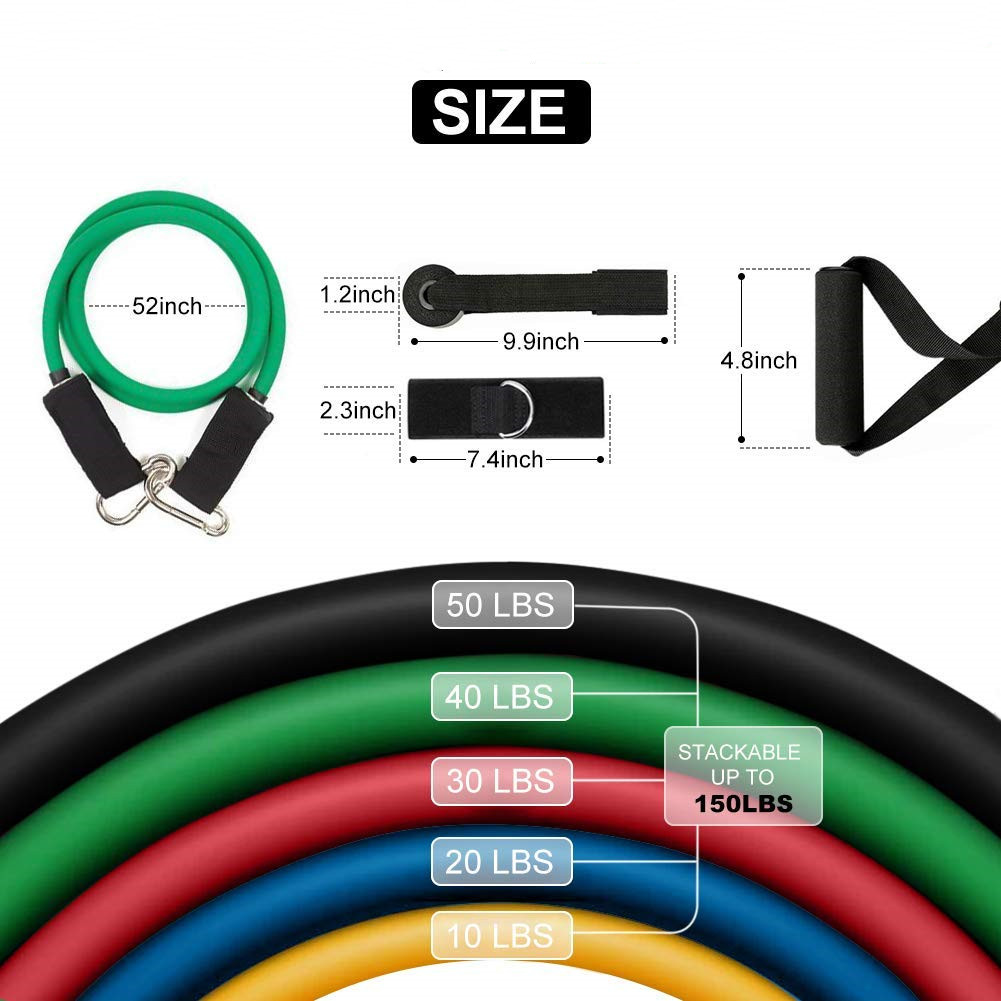
A resistance tube is one of the most effective and underrated tools for developing the stabilizing muscles that protect your joints, support your posture, and power every movement you make. Unlike heavy barbells or fixed machines, a resistance tube creates variable, elastic tension that demands constant muscular adjustment throughout each repetition. This continuous demand activates not just the primary movers but also the smaller, deeper stabilizing muscles that rarely get challenged through conventional weightlifting alone.
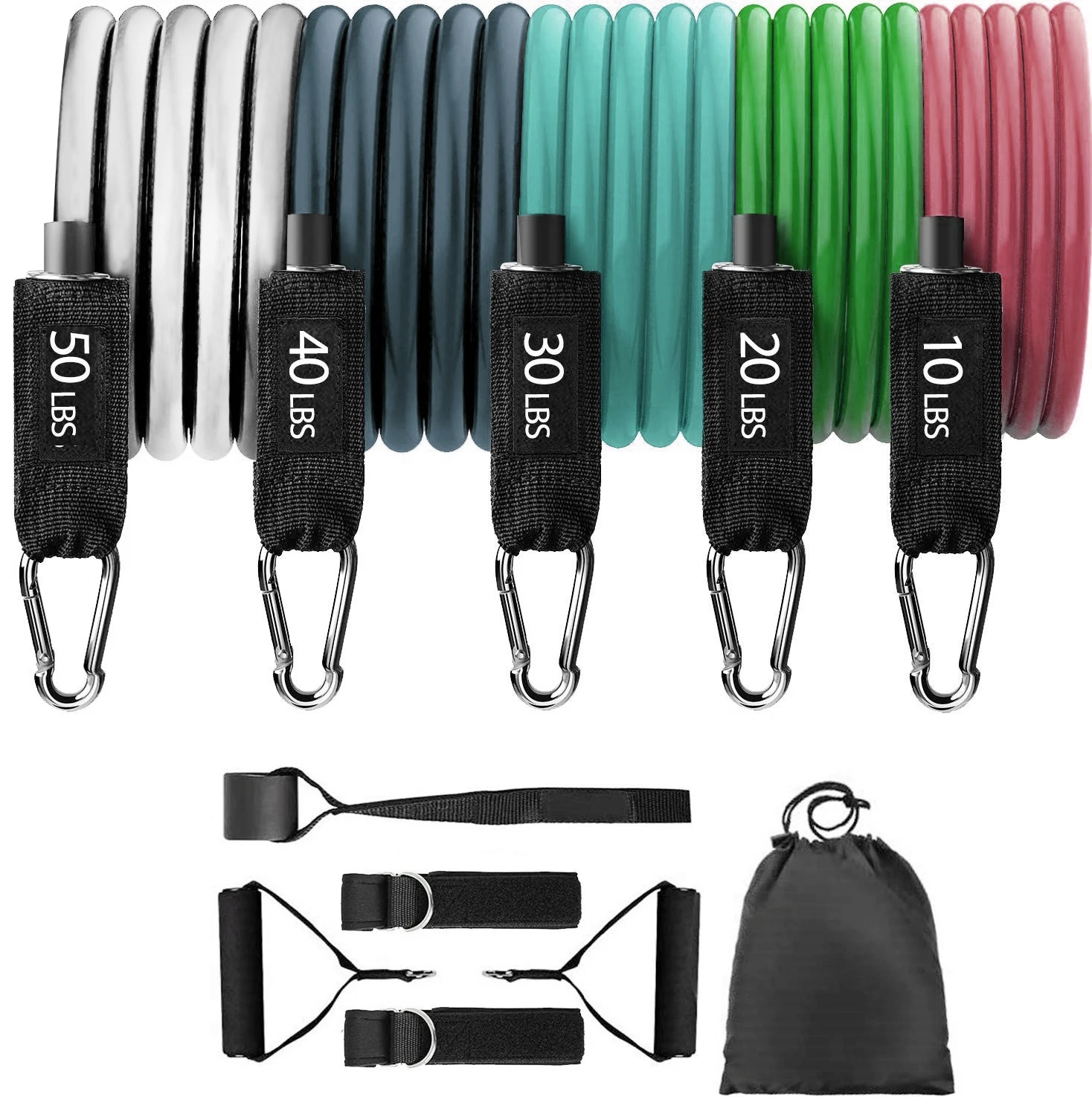
Understanding how a resistance tube strengthens stabilizing muscles requires looking at both the mechanics of elastic resistance and the neuromuscular demands it places on the body. This article explains the physiological reasons behind why resistance tube training is so effective for stability, which exercises best target those deep stabilizing muscles, and how to structure resistance tube sessions for maximum functional benefit.
The Science Behind Resistance Tube Training and Muscle Stability
How Elastic Resistance Activates Stabilizing Muscles
When you use a resistance tube, the tension it provides increases as the tube stretches. This progressive resistance profile is fundamentally different from free weights, which apply consistent gravitational load in one direction. Because resistance tube tension changes angle and intensity as you move, your nervous system must continuously recruit stabilizing muscles to maintain joint alignment and control the movement path. This is not a side effect of resistance tube training; it is a core feature of how elastic resistance works.
Stabilizing muscles, often called 'tonic' or 'postural' muscles, are predominantly slow-twitch fibers designed for endurance and positional control. A resistance tube challenges these fibers in a way that mirrors real-world demands. Every resistance tube pull, press, or rotation requires your rotator cuff, hip abductors, spinal erectors, and deep core muscles to fire continuously just to keep you balanced and aligned. Over weeks of consistent resistance tube training, these muscles grow stronger, thicker, and more responsive.
Neuromuscular Coordination Gains from Resistance Tube Work
Beyond raw strength, resistance tube exercises deliver meaningful improvements in neuromuscular coordination. The unpredictable elastic pull of a resistance tube forces your brain and muscles to communicate faster and more precisely. Research in sports rehabilitation consistently shows that elastic resistance tools like the resistance tube improve proprioception, which is your body's ability to sense its own position in space. Better proprioception directly translates to fewer injuries and more efficient movement patterns.
This is why physical therapists and athletic trainers frequently prescribe resistance tube exercises as part of post-injury recovery and injury prevention programs. The resistance tube trains the nervous system, not just the muscles, making each session a dual investment in strength and coordination.
Key Resistance Tube Exercises That Target Stabilizing Muscles
Upper Body Stability Movements with a Resistance Tube
For the shoulder girdle and rotator cuff, resistance tube exercises like external rotations, diagonal raises, and face pulls are highly effective. When you perform a resistance tube external rotation, the infraspinatus and teres minor must stabilize the humeral head within the socket while the prime movers complete the movement. Even a light resistance tube creates enough tension to fatigue these small but critical muscles within a short set. Regularly performing these resistance tube movements builds the shoulder stability necessary for overhead pressing, throwing, and carrying.
The resistance tube row is another upper body exercise that recruits the mid-trap and rhomboids as stabilizers while the lats do primary work. By adjusting the angle of your resistance tube pull, you can shift emphasis to different stabilizing muscles and ensure balanced shoulder health. Performing these resistance tube exercises in a standing position adds an additional core stability challenge that seated machine variations simply cannot replicate.
Lower Body and Core Stabilizer Work with a Resistance Tube
The hips and core benefit enormously from resistance tube training. A resistance tube placed around the ankles or thighs during lateral band walks, clamshells, or single-leg squats fires the gluteus medius and minimus intensely. These hip abductor muscles are among the most commonly weak and underactive muscle groups in both sedentary individuals and athletes, and their weakness is directly linked to knee pain, IT band syndrome, and lower back problems. The resistance tube provides exactly the right type of stimulus to reawaken and strengthen these stabilizers efficiently.
For core stabilization, resistance tube exercises such as Pallof presses and standing resistance tube rotations challenge the obliques, transverse abdominis, and multifidus muscles in a truly functional way. Unlike crunches or sit-ups, these resistance tube movements require your core to resist rotation and maintain spinal alignment under load, which is exactly what your stabilizing muscles do during daily activities and sport.
Structuring a Resistance Tube Program for Stability Development
Training Frequency and Progression with a Resistance Tube
Because stabilizing muscles are predominantly endurance-oriented, they respond best to moderate to high repetition ranges performed consistently. Using a resistance tube for three to four sessions per week, with sets of fifteen to twenty-five repetitions, gives these muscles enough stimulus to adapt without overloading their relatively limited recovery capacity. As your stability improves, you can progress by using a heavier resistance tube, extending the range of motion, or performing exercises on an unstable surface to further challenge neuromuscular control.
A stackable resistance tube set is particularly valuable for this type of programming because it allows precise load adjustment as you grow stronger. Starting with a lighter resistance tube and building toward heavier combinations over several weeks is a safe and systematic progression strategy that mirrors the principles used in professional athletic development programs.
Integrating Resistance Tube Work Into Existing Training
The resistance tube does not need to replace your current training; it enhances it. Many athletes and fitness enthusiasts use a resistance tube during warm-up to activate stabilizing muscles before heavier lifts. A resistance tube activation sequence before squats or overhead pressing prepares the hip abductors, rotator cuff, and spinal stabilizers to perform their supporting role with greater efficiency. This simple resistance tube habit can meaningfully reduce injury risk and improve the quality of primary compound movements.
You can also dedicate standalone resistance tube sessions for corrective work and mobility development. A resistance tube is lightweight, portable, and requires no anchor point beyond a door attachment or your own foot, making it practical for home, travel, or outdoor training environments. The accessibility of resistance tube training removes common barriers and makes consistent stability work achievable for nearly everyone.
FAQ
How often should I use a resistance tube to improve muscle stability?
Using a resistance tube three to four times per week is generally sufficient to see meaningful stability improvements. Stabilizing muscles adapt quickly to elastic resistance training, so consistency matters more than volume. Shorter resistance tube sessions performed regularly will outperform infrequent, longer workouts.
Can a resistance tube build real strength or is it only for rehabilitation?
A resistance tube can build genuine functional strength, especially in stabilizing muscles that heavy compound lifts tend to neglect. While a resistance tube may not replace barbell training for maximum muscle hypertrophy, it develops the supporting muscle structures that make all other training safer and more effective. Many professional athletes use resistance tube training year-round as a core component of their strength programs.
What resistance tube tension level is best for beginners targeting stabilizers?
Beginners should start with a light resistance tube that allows them to complete fifteen to twenty repetitions with proper form and without compensating with other muscle groups. Using a resistance tube that is too heavy forces the primary movers to dominate, which defeats the purpose of stability training. A stackable resistance tube set with multiple tension options gives beginners the flexibility to progress gradually and safely.