 EN
EN


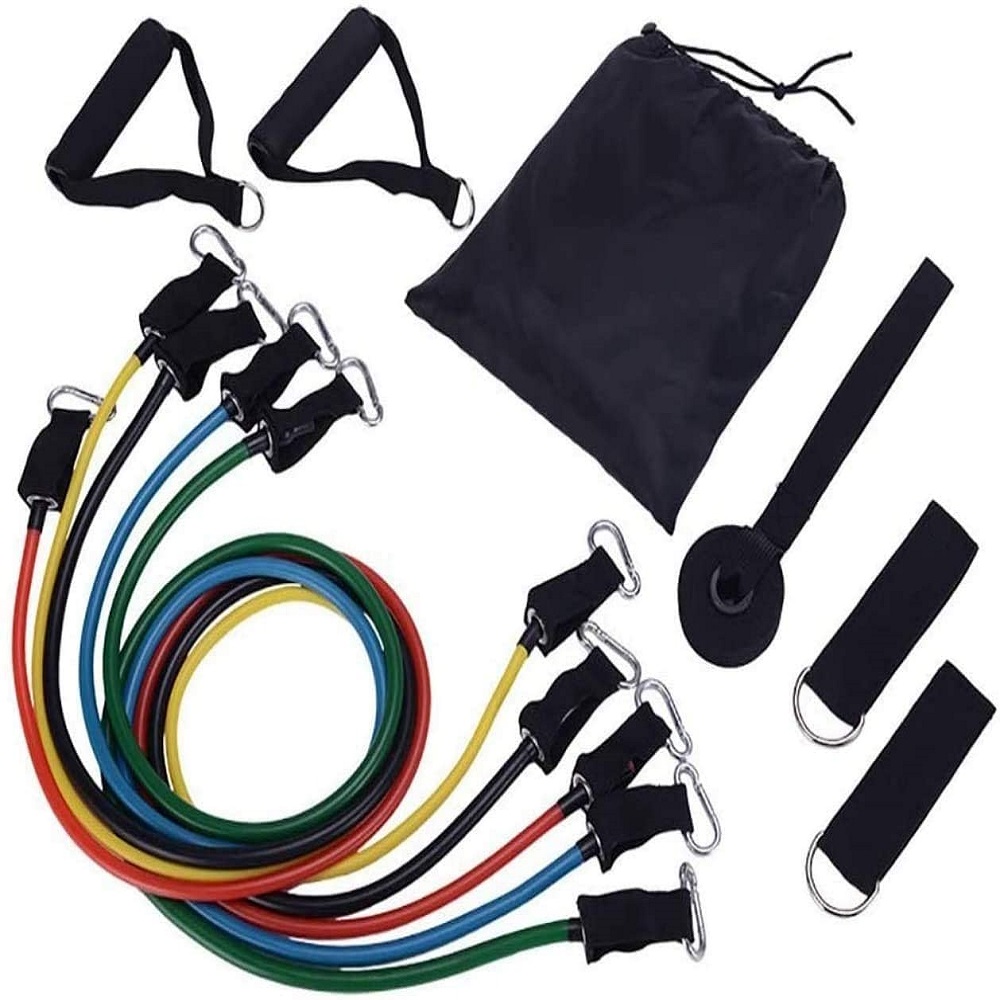
Corporate wellness programs are evolving rapidly, and employers are actively seeking practical, cost-effective tools that employees can use in office environments or at home. The resistance tube has emerged as one of the most versatile and accessible fitness tools available for workplace wellness initiatives. Lightweight, compact, and adaptable to nearly any fitness level, the resistance tube offers a compelling solution for organizations that want to promote physical activity without requiring a full gym setup.
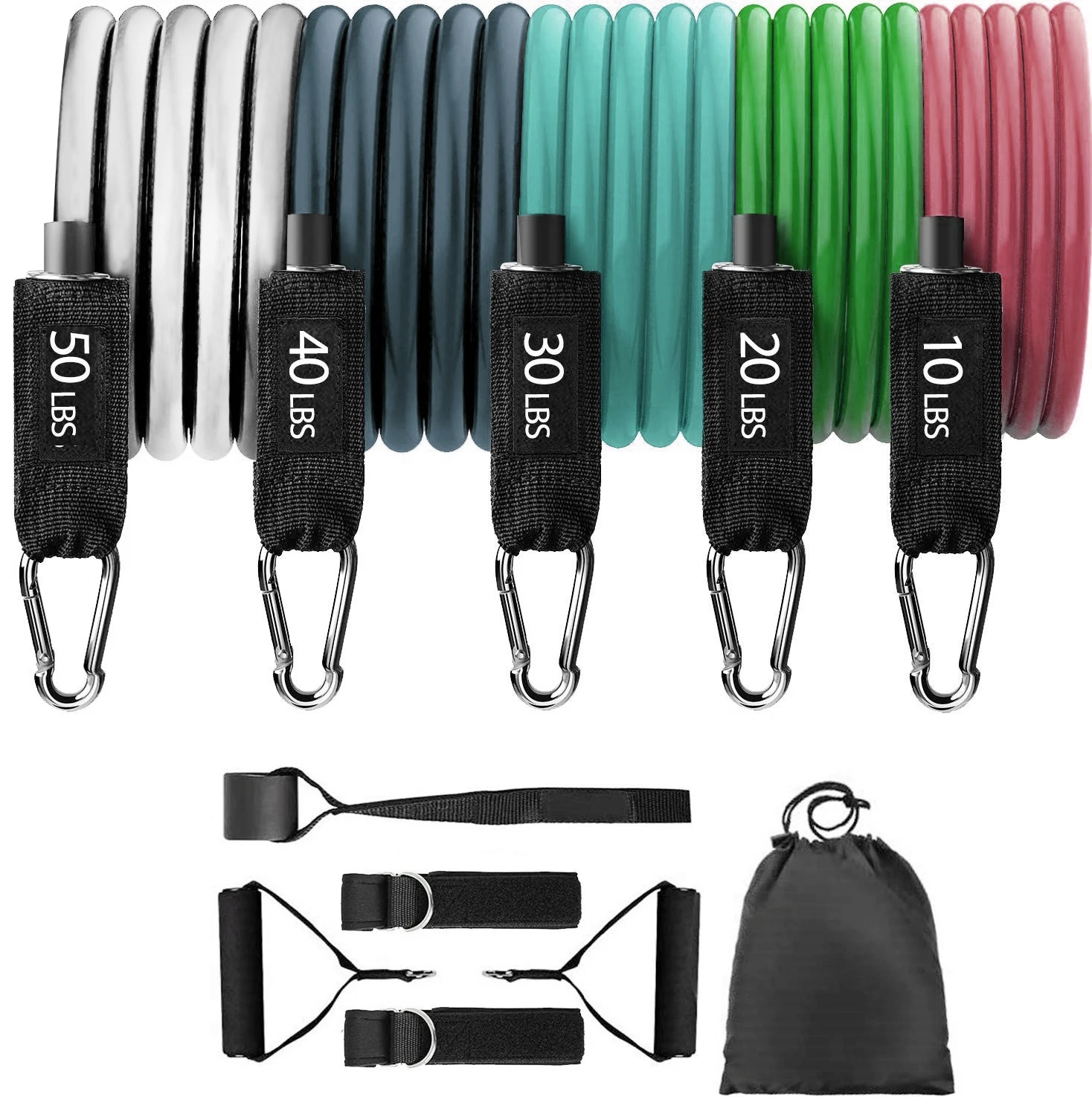
Understanding whether a resistance tube is genuinely suitable for corporate wellness programs requires looking at multiple factors: practicality, safety, engagement potential, and measurable health outcomes. This article explores those dimensions in depth so that HR managers, wellness coordinators, and procurement teams can make well-informed decisions about integrating a resistance tube into their workplace programs.
The Core Value of a Resistance Tube in Workplace Fitness
Portability and Space Efficiency
One of the biggest challenges in corporate wellness is space. Most office environments simply cannot accommodate bulky gym equipment. A resistance tube solves this problem elegantly. Each resistance tube is lightweight enough to fit inside a desk drawer or backpack, and a full set can be stored in a small cabinet. This means that even in densely occupied office buildings, a resistance tube program can be deployed without renovating a single room. Employees can use a resistance tube at their desk, in a conference room, or during a lunch break in an open space.
Portability also supports hybrid and remote work models. When employees work from home on certain days, they can take their resistance tube with them and continue their wellness routine without interruption. This continuity is critical for building lasting healthy habits, and a resistance tube makes that possible in a way that heavier equipment simply cannot.
Scalability Across Fitness Levels
Corporate wellness programs must accommodate participants of very different fitness backgrounds. A resistance tube is ideal for this because it comes in varying resistance levels, typically color-coded to indicate light, medium, heavy, and extra-heavy tension. A beginner employee can start with a light resistance tube and gradually progress to a heavier one, while a more experienced participant can use the resistance tube at a higher intensity from day one. This scalability makes the resistance tube inclusive and reduces the risk of injury that often comes when beginners are pushed into high-intensity routines. For wellness coordinators, a stackable resistance tube set that combines multiple tubes for adjustable resistance is particularly valuable for group sessions.
Practical Applications of a Resistance Tube in Corporate Programs
Structured Group Wellness Sessions
A resistance tube is well-suited to organized group fitness sessions facilitated by a certified instructor or a trained wellness lead. A resistance tube can be used for full-body workouts targeting the arms, shoulders, chest, back, core, and legs. Group sessions using a resistance tube tend to be highly engaging because participants can mirror each other's movements and adjust the resistance tube tension to match their own ability. This shared experience builds team cohesion, which is itself a measurable benefit of corporate wellness investment. Sessions can run as short as 20 minutes, making a resistance tube workout easy to schedule before the workday begins or during a midday break.
Structured programs can be designed around progressive resistance tube training cycles, where participants gradually increase the intensity of their resistance tube exercises week by week. This kind of structured progression helps track improvement and keeps employees motivated, which improves long-term participation rates in the corporate wellness program.
Self-Directed and On-Demand Use
Beyond scheduled sessions, a resistance tube is equally effective for self-directed use. When employees receive their own resistance tube as part of a corporate wellness package, they can access digital or printed exercise guides and perform resistance tube routines whenever it fits their personal schedule. This flexibility is especially important for employees who travel frequently or work irregular hours. A resistance tube program that combines both group and individual use components delivers the highest engagement and health impact. Providing each employee with a personal resistance tube also signals genuine organizational investment in their wellbeing, which can improve morale and retention.
Health Benefits That Support Corporate Wellness Goals
Musculoskeletal Health and Injury Prevention
Sedentary office work is a leading contributor to musculoskeletal problems, including back pain, shoulder tension, and poor posture. A resistance tube can directly address these issues. Exercises performed with a resistance tube strengthen the postural muscles that support the spine, reduce muscle imbalances caused by prolonged sitting, and improve shoulder and hip mobility. When employees use a resistance tube regularly, they often report reduced discomfort and improved energy levels throughout the workday. From a corporate perspective, reduced musculoskeletal complaints translate into fewer sick days and lower healthcare-related costs, which are concrete returns on wellness program investment.
Mental Wellbeing and Stress Reduction
Physical activity, even at moderate intensity, is well-established as an effective tool for managing workplace stress and improving mental clarity. A resistance tube workout activates multiple muscle groups and elevates heart rate enough to trigger the release of endorphins, the body's natural stress-relief compounds. Employees who incorporate regular resistance tube sessions into their work routine often experience better focus, improved mood, and greater resilience to job-related pressure. For corporate wellness programs focused on mental health outcomes, a resistance tube provides a simple, low-barrier entry point into physical activity that many employees find less intimidating than traditional gym-based exercise.
FAQ
How many resistance tubes should a corporate wellness program provide per employee?
A set that includes at least three to five resistance tube options at different tension levels is recommended per employee. This allows each person to use the resistance tube appropriate to their current fitness level and progress over time. Stackable resistance tube sets that allow multiple tubes to be attached simultaneously offer the most flexibility and are a practical choice for corporate procurement.
Is a resistance tube safe for employees with no prior exercise experience?
Yes, a resistance tube is generally considered one of the safest fitness tools for beginners. The elastic nature of a resistance tube provides controlled resistance with low impact on joints, making it suitable for employees of all fitness backgrounds. It is advisable to provide basic instructional guidance so that employees use the resistance tube with correct form, which minimizes injury risk and maximizes the effectiveness of each session.
Can a resistance tube program produce measurable wellness outcomes for a company?
A well-designed resistance tube program can contribute to measurable improvements in employee fitness, reduced absenteeism, and lower incidence of musculoskeletal complaints. Companies that track participation rates and conduct periodic health assessments often find that consistent resistance tube use correlates with positive trends in these metrics. Pairing a resistance tube initiative with wellness challenges or incentive structures further strengthens participation and outcome visibility.