 EN
EN


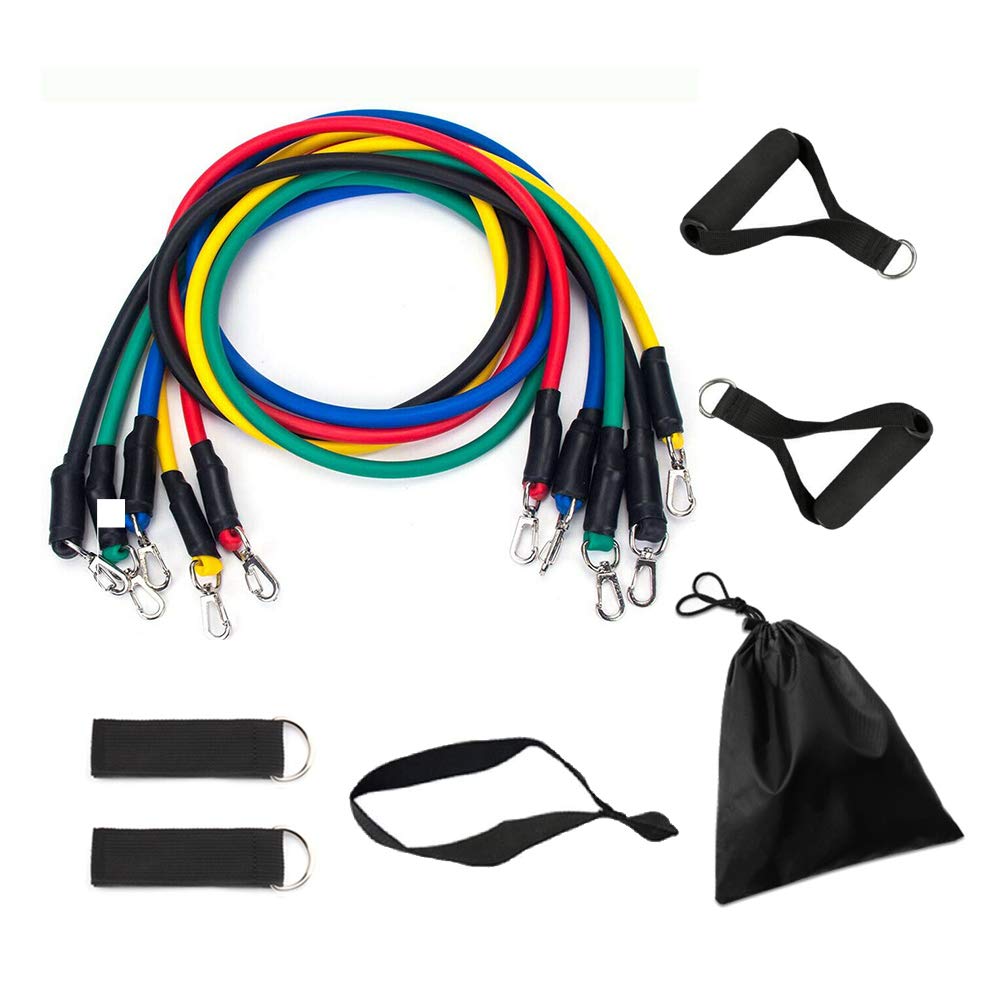
Building flexibility is not just about holding static stretches. When you incorporate a resistance tube into your routine, you introduce controlled tension that actively lengthens muscles while maintaining joint mobility. The resistance tube applies progressive force through a full range of motion, making it uniquely suited for flexibility training compared to passive stretching alone. Athletes, rehabilitation patients, and everyday fitness users all benefit from the dynamic stretch quality that a resistance tube provides.
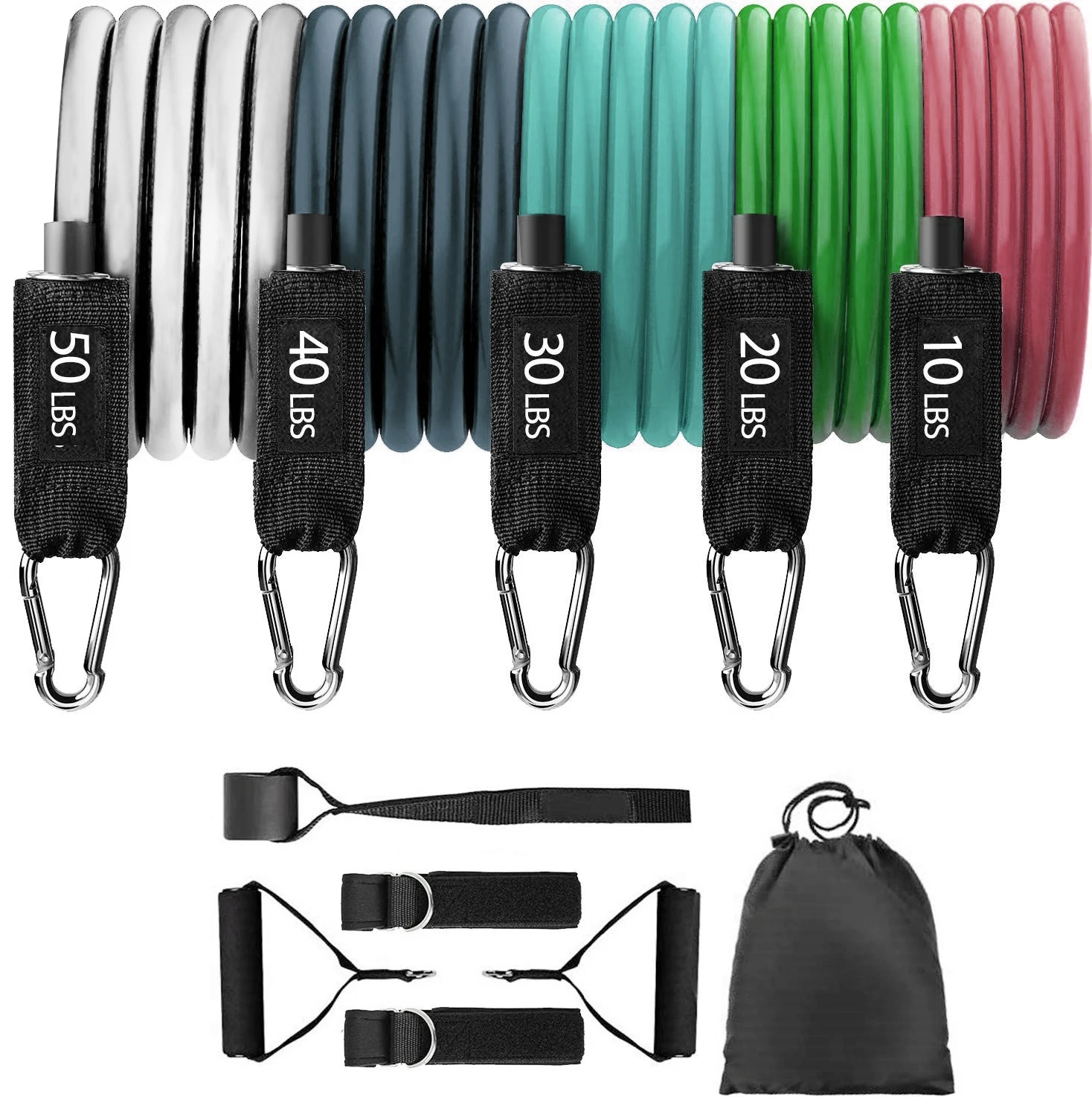
Understanding how a resistance tube supports flexibility means looking at both muscle mechanics and movement science. A resistance tube creates elastic tension that increases as you extend the stretch, encouraging muscles to lengthen gradually rather than abruptly. This makes resistance tube training a practical and safe method for improving flexibility across the entire body, from the hips and hamstrings to the shoulders and thoracic spine. Each resistance tube session adds a layer of functional mobility that static stretching methods often cannot replicate.
The Mechanics Behind Resistance Tube Flexibility Training
How Elastic Tension Encourages Muscle Lengthening
A resistance tube generates increasing tension as it stretches, which mirrors the natural resistance your muscles encounter during movement. When you use a resistance tube to guide a stretch, the elastic pull encourages your muscles to reach a longer, more extended position under controlled load. This mechanism activates the neuromuscular system, signaling the muscle fibers to release and lengthen rather than contract defensively. Over repeated resistance tube sessions, this process trains your nervous system to accept greater ranges of motion as normal and safe.
Unlike a foam roller or a static hold, the resistance tube creates active engagement throughout the stretch. Each resistance tube exercise requires your stabilizing muscles to stay switched on, which reinforces joint support while simultaneously improving flexibility. This dual effect is why resistance tube training is considered superior for functional flexibility gains in both athletic and clinical settings.
Dynamic Stretching with a Resistance Tube
Dynamic stretching is widely recognized as a more effective pre-activity flexibility method than static stretching. A resistance tube is an ideal tool for dynamic stretching because it adds gentle load to the movement without restricting your range. A resistance tube leg swing, for example, uses the band's tension to deepen the arc of each swing while keeping the hip joint mobile and warm. This approach primes the body for performance and reduces injury risk far better than unloaded dynamic movements alone.
Incorporating a resistance tube into shoulder circles, hip openers, and thoracic rotations creates a progressive stretch stimulus. The resistance tube provides just enough resistance to challenge the end range of motion without causing strain, which is the key principle behind safe flexibility development. Regular resistance tube dynamic stretching routines produce measurable gains in active flexibility within weeks.
Key Resistance Tube Exercises That Build Flexibility
Lower Body Flexibility with a Resistance Tube
The hamstrings, hip flexors, and glutes are common sites of tightness, especially for people who sit for extended periods. A resistance tube addresses these areas effectively through several targeted exercises. A supine hamstring stretch using a resistance tube allows you to hold the tube around your foot and gently pull the leg toward vertical, deepening the stretch with controlled tension. Unlike a towel or strap, the resistance tube allows micro-adjustments in tension without losing the stretch position.
For hip flexor flexibility, a resistance tube can be anchored at a low point while you move into a lunge position. The resistance tube creates a pull that encourages greater hip extension while stabilizing the pelvis. This resistance tube variation improves not just passive flexibility but active range of motion, which is critical for functional movement quality in sports and daily activities.
Upper Body and Spine Flexibility with a Resistance Tube
Shoulder mobility and thoracic spine flexibility are equally important, particularly for desk workers and overhead athletes. A resistance tube used in a cross-body shoulder stretch applies gentle traction that decompresses the joint capsule while lengthening the posterior shoulder muscles. Resistance tube chest openers and behind-the-back pull-aparts improve thoracic rotation and anterior chest flexibility simultaneously.
The resistance tube is also valuable for spinal decompression movements. A resistance tube anchored overhead allows you to hang and elongate the spine gently, relieving compression while stretching the latissimus dorsi and intercostal muscles. These resistance tube movements benefit posture significantly, reducing the muscular shortening that poor posture creates over time.
Integrating Resistance Tube Work into a Flexibility Program
Structuring a Resistance Tube Flexibility Routine
A well-designed resistance tube flexibility program starts with a brief warm-up using light resistance tube dynamic movements to increase blood flow and tissue temperature. The main segment should include resistance tube stretches targeting your personal areas of tightness, holding each resistance tube position for twenty to forty seconds. This duration is sufficient to trigger the relaxation response in the target muscle without causing fatigue or overstretching.
Frequency matters as much as technique. Using a resistance tube for flexibility work four to five times per week produces faster and more durable results than occasional resistance tube sessions. Consistency with a resistance tube routine allows the connective tissue adaptations to accumulate, which is what creates lasting flexibility improvements rather than temporary post-session looseness.
Choosing the Right Resistance Tube Tension Level
Selecting the correct resistance tube tension is essential for safe and effective flexibility training. A resistance tube that is too heavy will restrict your range of motion and cause compensation patterns, while a resistance tube that is too light will not provide enough stimulus to deepen the stretch effectively. For most flexibility work, a light-to-medium resistance tube is appropriate, offering enough tension to guide the stretch without overwhelming the muscle. A stackable resistance tube set gives you the flexibility to adjust tension precisely as your body adapts and your range of motion improves.
FAQ
How often should I use a resistance tube for flexibility training?
Using a resistance tube for flexibility training four to five times per week is ideal. Consistent resistance tube sessions allow your muscles and connective tissue to adapt progressively, producing lasting range-of-motion improvements over several weeks of regular practice.
Can a resistance tube replace static stretching for flexibility?
A resistance tube does not need to fully replace static stretching, but it significantly enhances a flexibility program. The resistance tube adds active tension and neuromuscular engagement that static stretching alone cannot provide, making a combined approach the most effective strategy for flexibility development.
Is a resistance tube suitable for beginners working on flexibility?
Yes, a resistance tube is highly suitable for beginners. A light resistance tube allows beginners to guide their stretches safely, learn proper form, and gradually increase range of motion without the risk of overstretching. Starting with a lower tension resistance tube and progressing slowly is the recommended approach for new users.