 EN
EN


When gym operators evaluate new equipment, the question of suitability often comes down to durability, versatility, and user volume. A resistance tube is frequently associated with home workouts or rehabilitation programs, yet its potential in a commercial gym setting deserves a much closer look. As facilities continue to seek cost-effective, space-efficient additions, the resistance tube has emerged as a compelling option worth serious consideration.
The short answer is yes — a resistance tube can be suitable for commercial gym operations, provided the right product grade and management practices are in place. However, this suitability is not unconditional. Understanding what makes a resistance tube work in high-traffic environments will help gym managers make informed procurement decisions. This article examines the key factors that determine whether a resistance tube belongs in a professional fitness facility.
Durability and Product Grade Standards
Material Quality in a Commercial Context
Not every resistance tube is built equally. Commercial gym operations demand a resistance tube that can withstand repeated daily use by multiple members with varying fitness levels. High-grade latex resistance tube products are typically thicker, more elastic, and less prone to snapping under consistent tension. When sourcing a resistance tube for commercial use, operators should prioritize products that specify latex purity, tensile strength, and resistance to environmental stress such as humidity and UV exposure.
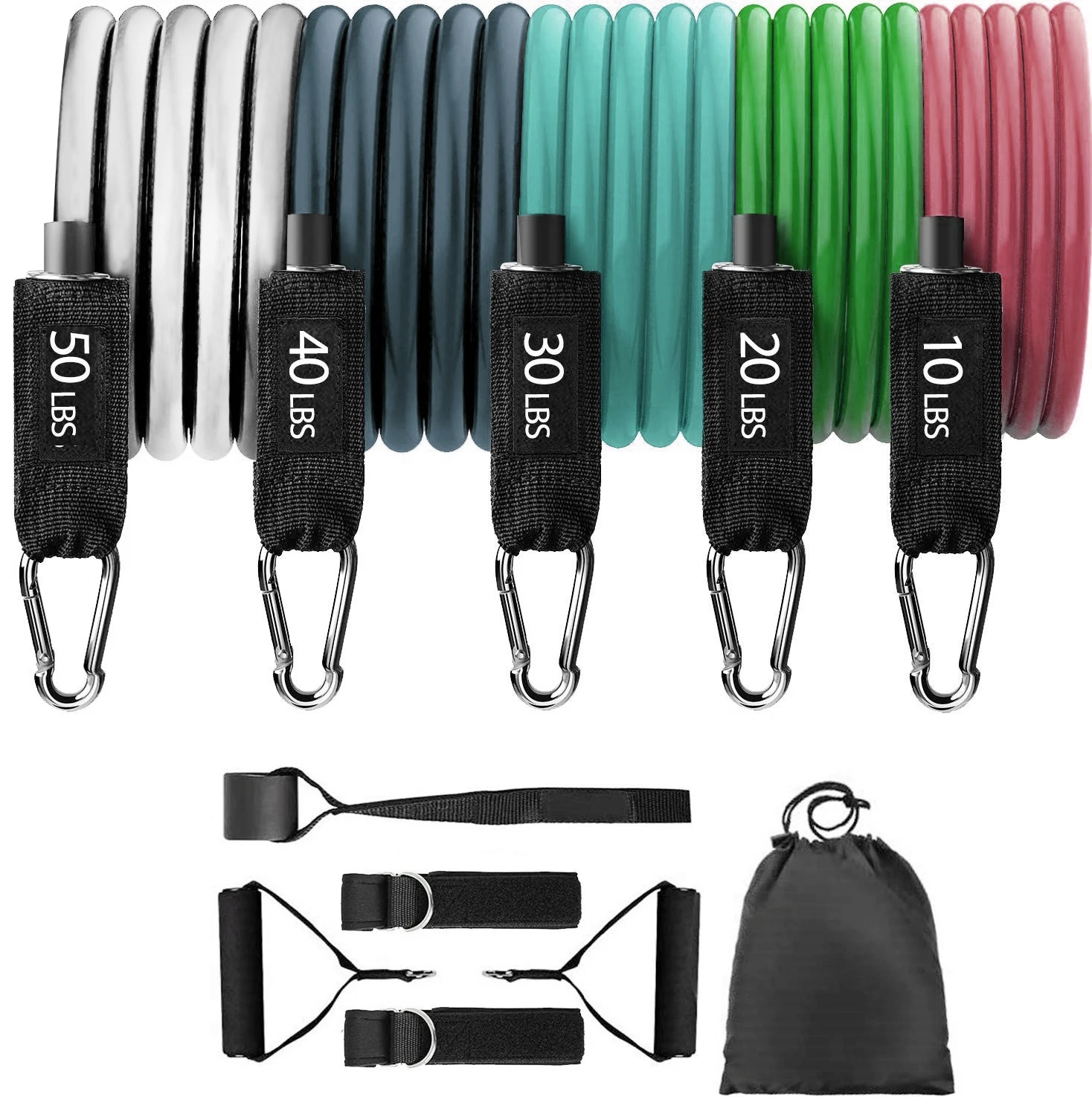
A stackable resistance tube set, such as those offering up to 150 lbs of combined resistance, provides both individual and combined load flexibility. This design means a single resistance tube from the set can serve lighter users, while stacked combinations accommodate advanced athletes. A resistance tube set built for stackable use delivers more training range per unit, which is a direct advantage in commercial environments where member needs vary widely.
Maintenance and Replacement Cycles
In a commercial gym, any resistance tube will face a higher usage frequency than in a home setting. Operators should establish regular inspection routines, checking each resistance tube for surface cracks, micro-tears near attachment points, or signs of latex fatigue. A proactive replacement cycle for each resistance tube protects both members and the gym's liability position. The good news is that compared to steel cable machines, replacing a resistance tube is significantly more affordable, making the overall maintenance cost of a resistance tube program quite manageable.
Training Versatility and Member Engagement
Full-Body Training Applications
One of the strongest arguments for including a resistance tube in commercial gym programming is the range of exercises it supports. A resistance tube can be used for upper body pulls, chest presses, shoulder raises, rows, bicep curls, and tricep extensions. For lower body training, a resistance tube enables squats, lateral band walks, glute kickbacks, and leg presses when anchored correctly. This full-body coverage means a resistance tube serves members across multiple workout goals, from muscle building to mobility and functional fitness.
Group fitness classes benefit significantly from resistance tube incorporation. A set of resistance tube equipment allows an instructor to design structured sessions where every participant works at an appropriate load. Because each resistance tube in a stackable set has a defined resistance level, progressions are easy to communicate and implement. This adaptability makes a resistance tube program well-suited for boutique-style commercial gyms and larger fitness centers alike.
Space Efficiency and Storage Considerations
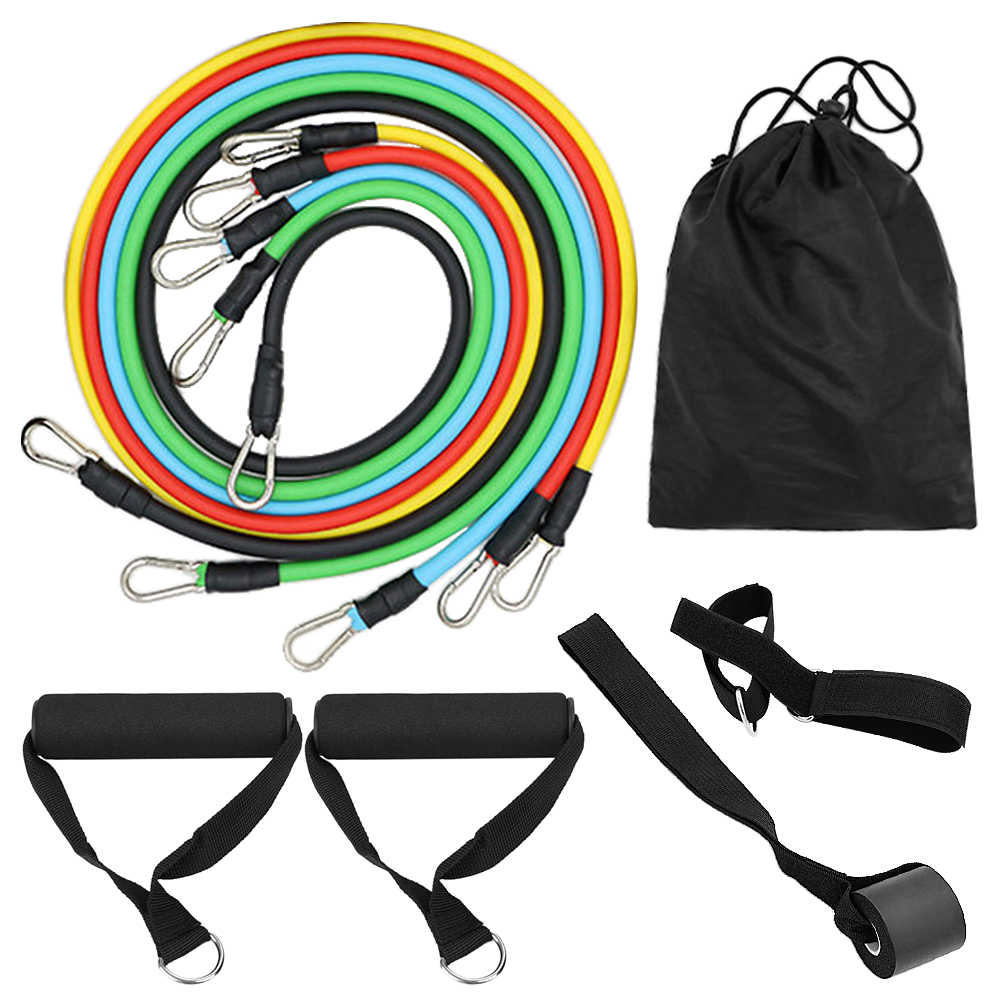
Commercial floor space carries a real cost. A resistance tube occupies almost no floor space compared to cable machines or weight benches. An 11-piece resistance tube set can be stored on a compact rack or in a small storage bin, freeing space for other equipment. When a gym needs to maximize member capacity per square meter, adding a resistance tube station requires minimal infrastructure. Door anchors, wall anchors, and portable handles included in most resistance tube sets make setup and teardown quick, which is important for facilities that run back-to-back class formats.
Commercial Suitability: Conditions and Realistic Expectations
Where a Resistance Tube Works Best
A resistance tube performs best in commercial environments that prioritize functional training, group classes, personal training zones, and recovery spaces. Facilities that focus exclusively on powerlifting or heavy compound movements will find a resistance tube useful as a supplementary tool rather than a primary training device. For CrossFit-style boxes, rehabilitation-integrated gyms, hotel fitness centers, and corporate wellness studios, a resistance tube is highly appropriate as a core equipment category. The resistance tube fits naturally into circuit training, HIIT formats, and mobility-focused programming that are increasingly popular across the industry.
Managing Member Expectations and Usage
Clear member education about proper resistance tube technique reduces misuse and extends equipment life. Posting simple usage guides near the resistance tube station, training floor staff to demonstrate correct form, and labeling each resistance tube by resistance level all contribute to a better member experience. When members understand how to progress with a resistance tube and how to attach it safely, satisfaction increases and equipment damage decreases. A well-managed resistance tube program signals that a gym is thoughtful about its equipment investment and member safety.
Commercial gym operators should also consider that a resistance tube appeals to demographics who may feel intimidated by heavy free weights. Older adults, beginners, post-rehabilitation clients, and members focused on toning rather than mass building all find a resistance tube approachable. Offering a resistance tube station broadens the gym's appeal and supports member retention across a wider age and fitness range.
FAQ
How many resistance tube sets does a commercial gym typically need?
The number of resistance tube sets depends on peak member traffic and class sizes. For group classes with up to 20 participants, having at least 20 to 25 individual resistance tube sets ensures every member has access. For open gym use, a dedicated resistance tube station with 10 to 15 sets is usually sufficient for most mid-size facilities.
What resistance levels should a commercial gym stock for a resistance tube program?
A commercial gym should stock a resistance tube range covering light, medium, heavy, and extra-heavy levels. A stackable resistance tube set that reaches 150 lbs combined covers this spectrum efficiently. Having multiple sets across these levels ensures that beginners and advanced members can both train effectively with a resistance tube without competing for the same equipment.
Is a latex resistance tube safe for high-frequency commercial use?
A high-quality latex resistance tube is safe for high-frequency use when inspected regularly and replaced on schedule. Operators should check each resistance tube before and after peak usage periods. Avoid exposing a resistance tube to sharp edges, extreme heat, or direct sunlight during storage, as these conditions accelerate material degradation. With proper care, a commercial-grade resistance tube maintains reliable performance through consistent daily use.